


Food is meant to fuel your body. But sometimes, it becomes a way to cope, distract, celebrate, or numb feelings. That’s where emotional eating enters the picture, and it’s far more common than most people realize.
Many people struggle to tell whether they’re physically hungry or simply responding to stress, boredom, sadness, or even happiness. The problem isn’t a lack of willpower. It’s a misunderstanding of your body’s signals.
In this guide, we’ll break down how to recognize the difference between real hunger and emotional triggers and what you can do about it in a practical, sustainable way.
You can listen to this Blog here.
What Is Emotional Eating?
Let’s first clarify what is emotional eating.
It’s the act of using food to regulate or soothe emotions rather than to satisfy physical hunger. Instead of eating because your body needs energy, you eat to feel better.
Common emotional triggers include:
- Stress
- Loneliness
- Anxiety
- Boredom
- Frustration
- Celebration or reward
Emotional eating often involves cravings for specific comfort foods, usually high in sugar, salt, or fat. These foods temporarily boost dopamine, the “feel-good” chemical in the brain.
The relief is short-lived, though. What follows is often guilt, shame, or regret.
Understanding this pattern is the first step toward changing it.
What Real Hunger Actually Feels Like
Physical hunger is biological. It’s your body’s way of saying it needs fuel.
Unlike eating emotionally, real hunger:
- Develops gradually
- Is open to different food options
- Stops when you feel full
- Comes with physical cues
Common signs of actual hunger:
- Stomach growling
- Low energy
- Difficulty concentrating
- Mild irritability
- Headache
When you’re physically hungry, you’re likely willing to eat a balanced meal, not just a specific snack.
Recognizing this difference is powerful. If you pause and ask, “Would I eat a simple meal right now?” you’ll often uncover whether it’s true hunger or something else driving the urge.

Emotional Triggers vs. Physical Signals
The biggest difference between emotional eating and actual hunger lies in urgency and specificity.
Emotional triggers often feel:
- Sudden
- Intense
- Focused on one specific food
- Tied to a mood shift
For example, after a stressful meeting, you might crave chocolate immediately. That urgency isn’t coming from your stomach; it’s coming from your emotional state.
Physical hunger, on the other hand, builds slowly and doesn’t demand one exact food.
A simple pause technique can help:
Ask yourself:
- When did I last eat?
- What am I feeling right now?
- Would a balanced meal satisfy me?
This reflection creates awareness instead of reaction.
Why Emotional Eating Happens
Emotions and food are deeply connected. From childhood, many of us learned to associate food with comfort, reward, or safety.
Over time, emotional eating becomes a learned coping mechanism.
Stress plays a major role. When cortisol (the stress hormone) rises, cravings for high-calorie foods increase. Your brain seeks quick energy and pleasure.
Other contributing factors include:
- Chronic dieting and restriction
- Sleep deprivation
- Hormonal shifts
- Habit loops
- Social conditioning
The behavior isn’t a personal flaw. It’s a pattern, and patterns can be changed.
Signs You Might Be Struggling
Sometimes the behavior becomes automatic, making it harder to recognize.
Here are subtle signs of Eating Emotionally:
- Eating when you’re not physically hungry
- Eating past fullness
- Feeling guilty after eating
- Using food as a primary coping tool
- Snacking mindlessly while stressed
If you often search for how to stop emotional eating, chances are you’ve noticed at least some of these patterns.
Awareness doesn’t mean judgment. It means you’re ready for change.
Practical Strategies to Break the Cycle
Learning how to stop emotional eating doesn’t mean eliminating comfort foods forever. It means creating alternative coping tools.
Here are practical strategies:
1. The 10-Minute Pause
When a craving hits, wait 10 minutes. During that time:
- Drink water
- Take a short walk
- Journal what you’re feeling
- Practice deep breathing
Often, the urge decreases once the emotion is acknowledged.
2. Identify the Emotion
Ask:
“What am I actually feeling?”
Naming emotions reduces their intensity.
3. Build a Non-Food Coping List
Create alternatives such as:
- Calling a friend
- Stretching
- Listening to music
- Taking a shower
- Doing a quick task
Replacing the habit weakens the emotional-food link.
4. Eat Balanced Meals Regularly
Restricting food often leads to rebound overeating. Stable blood sugar reduces vulnerability to emotional eating triggers.
How Calorie Tracker Buddy Supports Better Food Awareness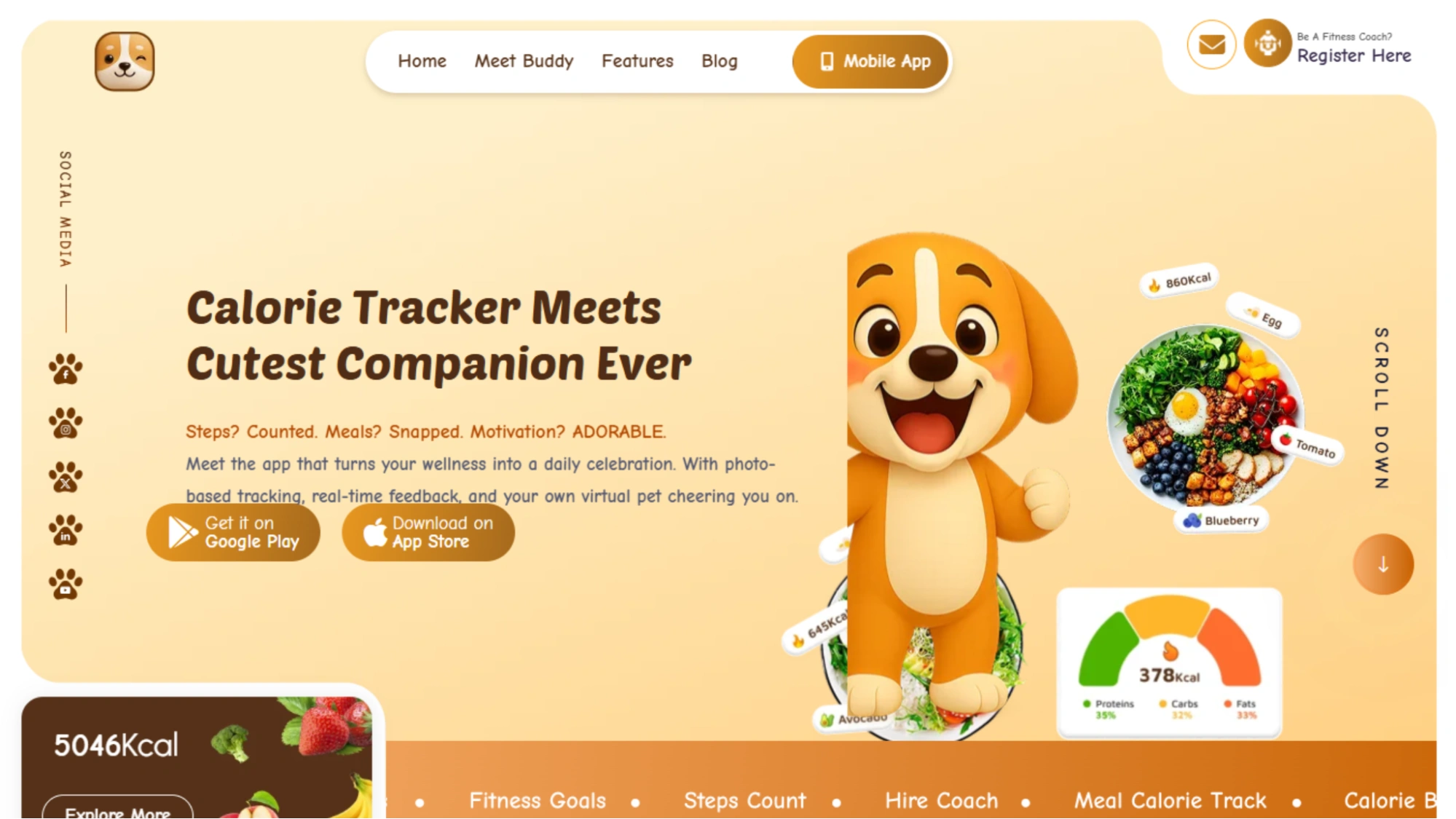
Managing Eating Emotionally becomes easier when you have clear, simple visibility into your daily intake. That’s where Calorie Tracker Buddy helps.
Here’s what it offers:
- Easy Calorie Logging – Quickly track meals and snacks throughout the day.
- Macro Tracking – Monitor protein, carbs, and fats to maintain balanced nutrition.
- Daily Calorie Goals – Set personalized calorie targets based on your goals.
- Food Database Access – Log common foods easily without manual calculations.
- Progress Tracking – Monitor weight changes and daily intake trends over time.
When you consistently track what you eat, patterns become clearer. Awareness helps you pause, reflect, and make more intentional choices rather than reacting automatically.
Simple tracking. Clear data. Better decisions.
Emotional Hunger vs. Physical Hunger: Quick Comparison
Here’s a simple breakdown:
| Emotional Hunger | Physical Hunger |
| Sudden | Gradual |
| Craves specific foods | Open to many foods |
| Triggered by feelings | Triggered by time/energy need |
| Feels urgent | Can wait |
| Often leads to guilt | No guilt when satisfied |
Keeping this comparison in mind helps you pause before reacting.
Long-Term Change Takes Compassion
Breaking emotional eating patterns isn’t about perfection.
It’s about:
- Awareness
- Patience
- Consistency
- Self-compassion
Slip-ups will happen. The key is not turning one moment into a full spiral.
The goal isn’t rigid control, it’s balanced self-regulation.
When you understand your hunger signals and emotional triggers, you regain control without harsh restriction.
Conclusion
emotional eating isn’t about weakness; it’s about unmet emotional needs and learned coping habits. The difference between emotional hunger and physical hunger lies in timing, intensity, and intention.
By slowing down, recognizing triggers, and building alternative coping tools, you can gradually shift your relationship with food.
With awareness, structure, and supportive tools like Calorie Tracker Buddy, you move from reactive eating to intentional nourishment.
That’s where real, sustainable change begins.
Also Read,
FAQs
1. How can I tell if I’m emotionally hungry or physically hungry?
Emotionally eating usually feels sudden and urgent, often tied to a specific craving (like sweets or comfort food). Physical hunger develops gradually and can be satisfied with a variety of foods. A good test is asking: “Would I eat a balanced meal right now?”
2. How to stop emotionally eating without strict dieting?
Learning how to stop emotional eating doesn’t require extreme restriction. Start by pausing before eating, identifying the emotion you’re feeling, and building non-food coping strategies like walking, journaling, or calling a friend. Balanced meals and regular eating also reduce emotional triggers.
3. Is emotionally eating the same as binge eating?
No. Eating emotionally involves eating in response to feelings, but binge eating typically includes consuming large amounts of food in a short time with a sense of loss of control. If episodes feel frequent or overwhelming, speaking with a healthcare professional can help.