


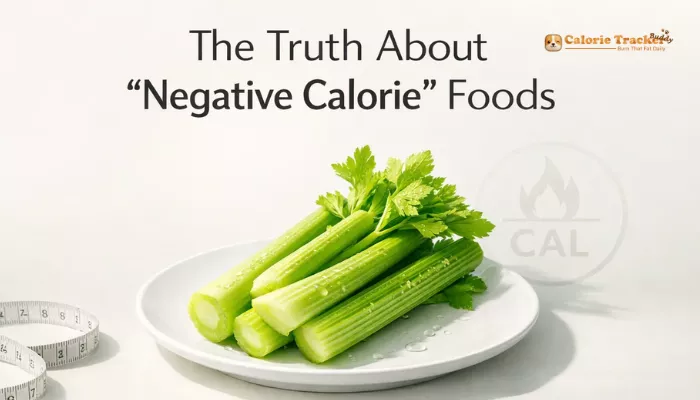
If you’ve ever Googled quick weight loss tips, you’ve probably stumbled across the idea of negative calorie foods. These are foods that supposedly burn more calories during digestion than they actually contain. Celery is the poster child for this concept. The logic sounds perfect: eat a stick of celery, and your body uses more energy breaking it down than the celery provides. If that were true, you could theoretically eat your way to weight loss without ever stepping foot in a gym.
But here’s the uncomfortable truth that most diet blogs won’t tell you: negative calorie foods don’t actually exist. Not celery, not cucumbers, not grapefruit, not any of the usual suspects on the negative calorie foods list. The science behind the concept is solid in theory but falls apart completely when you look at the numbers. That doesn’t mean these foods are useless for weight loss, far from it but the reason they work has nothing to do with magical calorie-burning properties.
This article breaks down what negative calorie foods really are, why the myth persists, and how foods like celery can actually support weight loss when used correctly.
Listen To The Podcast
What Are Negative Calorie Foods (And Why Don’t They Exist)?
The concept of negative calorie food is simple. It’s based on something called the thermic effect of food, or TEF, which refers to the energy your body uses to digest, absorb, and process nutrients. Every time you eat, your body has to do work breaking down food mechanically in your stomach, secreting digestive enzymes, absorbing nutrients through your intestinal walls, and transporting those nutrients to cells.
All of that requires energy. The idea behind negative calorie foods is that for certain low-calorie, high-water-content foods, the energy required to digest them exceeds the energy they provide. So theoretically, you’d end up in a calorie deficit just by eating them.
The problem is that TEF doesn’t work that way. For most foods, the thermic effect accounts for about 10% of the calories consumed. If you eat 100 calories of celery, your body might use 10 calories to digest it, leaving you with a net gain of 90 calories. Even for protein, which has the highest thermic effect at around 20 to 30%, you still end up with a net calorie gain. The energy cost of digestion is real, but it’s never higher than the energy the food provides. A 2020 study tested this using bearded dragons and celery, yes, actual lizards, and found that while digestion did burn some energy, the lizards still gained 24% of the meal’s energy as usable calories. If even celery, the most frequently cited negative calorie food, doesn’t qualify, nothing does.
The Negative Calorie Foods List: What People Actually Mean
When people talk about negative calorie foods, they’re usually referring to a specific group of fruits and vegetables that are extremely low in calories and high in water content. These are foods that won’t wreck your calorie budget even if you eat a lot of them. Here’s what typically shows up on a negative calorie foods list, along with their actual calorie counts per 100 grams:
- Celery: 14 calories, 95% water
- Cucumbers: 16 calories, 95% water
- Lettuce: 5 calories, 95% water
- Watermelon: 30 calories, 91% water
- Grapefruit: 42 calories, 92% water
- Tomatoes: 18 calories, 94% water
- Broccoli: 34 calories, 89% water
- Carrots: 41 calories, 88% water
- Zucchini: 17 calories, 94% water
- Apples: 52 calories, 86% water
None of these foods is truly negative calorie, but they share a few important characteristics that make them valuable for weight loss. They’re bulky, which means they take up a lot of space in your stomach and help you feel full. They’re hydrating, which supports overall metabolic function. And most importantly, they’re so low in calories that you can eat large portions without consuming much energy. A full cup of celery sticks is only 14 calories. A cup of watermelon is 46 calories. You’d have to eat an absurd amount of these foods to hit even 200 calories, which is why they’re often recommended for people trying to lose weight.
Why the Myth of Negative Calorie Foods Persists
If negative calorie foods don’t exist, why does the idea refuse to die? Part of it is wishful thinking. The promise of eating unlimited quantities of certain foods without gaining weight is incredibly appealing, especially in a culture that’s obsessed with quick fixes and effortless weight loss. But there’s also something called the negative calorie illusion, a psychological phenomenon where people underestimate the total calories in a meal when it includes a ‘healthy’ food.
For example, if you order a cheeseburger with a side salad, you might mentally subtract calories from the meal because the salad feels virtuous, even though you’ve actually added calories. This illusion is stronger in people who are weight-conscious, which is ironic because those are the people most likely to be counting calories in the first place.
The myth also persists because there’s a kernel of truth buried in it. While negative calorie foods don’t create a calorie deficit through digestion, they absolutely can help create a calorie deficit overall when they replace higher-calorie foods. If you swap a bag of chips for cucumber slices, you’ve saved hundreds of calories. If you fill half your plate with broccoli and lettuce instead of pasta, you’ve reduced your calorie intake significantly without feeling deprived. The mechanism isn’t magical, it’s just substitution but the effect is real.
Negative Calorie Foods for Weight Loss: What Actually Works
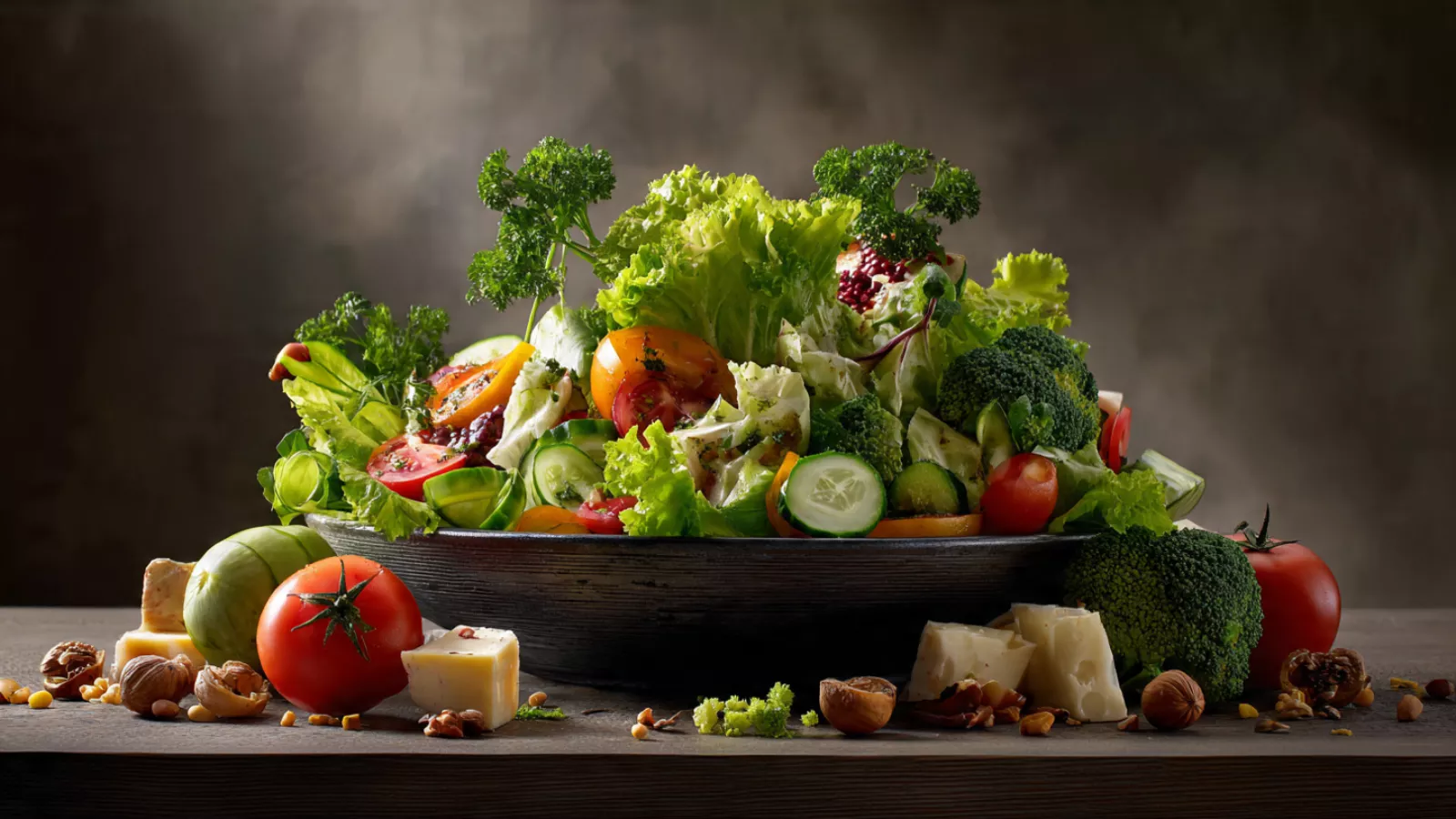 Even though negative calorie foods aren’t technically negative, they’re still some of the most effective tools for weight loss when used strategically. The key is understanding how to use them correctly. These foods work not because they burn calories, but because they allow you to eat high volumes of food while staying in a calorie deficit. Volume eating is a strategy where you prioritize foods that are low in calorie density meaning they have fewer calories per gram — so you can eat larger portions and feel full without exceeding your calorie budget. Foods like cucumbers, and watermelon, and celery for weight loss are perfect for this approach because they’re almost entirely water and fiber.
For example, let’s say you’re trying to hit 1,500 calories a day. If you fill up on calorie-dense foods like cheese, nuts, and bread, you might feel hungry because those foods don’t take up much physical space in your stomach. But if you build your meals around large servings of vegetables, lean proteins, and fruits from the negative calorie foods list, you’ll feel satisfied on the same calorie budget. A massive salad with lettuce, cucumbers, tomatoes, and a light dressing might be 150 calories but take up an entire plate. A single slice of pizza is roughly the same number of calories but won’t keep you full nearly as long.
Also Read
Celery for Weight Loss: Does This Crunchy Veggie Really Burn Calories
The Best 7-Day Diet Plan for Weight Loss
The other advantage of these foods is their nutrient density. Even though they’re low in calories, they’re packed with vitamins, minerals, fiber, and antioxidants that support overall health. Broccoli is loaded with vitamin C and fiber. Tomatoes provide lycopene, which has been linked to reduced inflammation. Watermelon is hydrating and contains potassium. When you prioritize these foods, you’re not just cutting calories, you’re improving the quality of your diet at the same time.
The Calorie Tracker Buddy Advantage: Making Volume Eating Effortless
Understanding the science behind negative calorie foods is one thing. Actually tracking your intake accurately and consistently is another. That’s where Calorie Tracker Buddy removes the friction and makes volume eating the real strategy behind why these foods work easier to implement.
Snap the Meal:
Point your camera at your plate of celery, cucumbers, or watermelon. Tap once. Boom! Your food is instantly scanned for calories, nutrients, and macronutrient balance. No more guessing portion sizes or scrolling through endless food databases.
Calorie Intake Tracker:
You eat, we calculate. Track what’s on your plate in seconds and get instant feedback on how it fits your goals. Whether you’re building a massive salad or snacking on carrot sticks, you’ll know exactly where you stand.
Goal Predictions:
Wondering how close you are to hitting your daily calorie target? Calorie Tracker Buddy shows you how each meal, snack, and sip impacts your journey, so you can make adjustments in real time instead of waiting until the end of the day to realize you overate.
Buddy Motivation:
Your virtual pet grows with every healthy choice you make. Fill your plate with nutrient-dense, low-calorie foods like the ones on the negative calorie foods list, and watch your buddy thrive. It’s motivation that sticks because it’s visual, fun, and tied directly to your progress.
Social Sharing:
Proud of your massive, colorful salad or your perfectly portioned veggie plate? Post your meals, share your streaks, and let your squad hype you up. Social accountability makes consistency easier, and Calorie Tracker Buddy builds it into the experience seamlessly.
Calorie Burn Tracker:
From your morning walk to your evening yoga session, every movement counts. Track your daily calorie burn and see how your food choices fuel your activity. When you pair volume eating with movement, the results compound fast.
Tracking volume-based meals becomes effortless when the technology does the heavy lifting. Instead of manually entering ‘one cup of celery, two cups of lettuce, half a cucumber’ and hoping you measured correctly, you just snap a photo and move on with your day. That’s the difference between tracking feeling like a chore and tracking feeling like a habit.
What The Research Actually Says About Negative Calorie Foods for Weight Loss
Multiple studies have tested whether diets based on so-called negative calorie foods lead to superior weight loss compared to standard low-calorie diets. The results are consistent: they don’t. A clinical trial comparing a negative-calorie food diet to a regular low-calorie diet in overweight women found that both groups lost weight and improved their lipid profiles, but the negative-calorie group didn’t see any additional benefits. Another study in overweight men compared a negative-calorie diet with exercise to a low-calorie diet with exercise and found the same thing — both approaches worked equally well.
What these studies tell us is that the concept of negative calorie foods as a weight-loss shortcut is a myth, but the foods themselves are still useful. They work not because they defy thermodynamics, but because they make it easier to maintain a calorie deficit. When you replace calorie-dense foods with volume-rich, low-calorie alternatives, you naturally eat less without feeling deprived. That’s the real mechanism behind why these foods support weight loss not magic, just smart substitution.
How To Use ‘Negative Calorie’ Foods Correctly
If you want to use foods from the negative calorie foods list effectively, the strategy is simple: replace, don’t just add. One of the biggest mistakes people make is adding these foods to their existing meals without removing anything else. If you eat a cheeseburger and a side salad, you’ve consumed more calories than if you ate just the cheeseburger. The salad isn’t negative; it still has calories. But if you replace half the cheeseburger with a large side salad, you’ve reduced your total calorie intake while increasing the volume of food you’re eating.
Another effective approach is to start your meals with a large portion of these low-calorie foods. Eat a big salad or a bowl of vegetable soup before your main course, and you’ll naturally eat less of the higher-calorie items because you’re already partly full. This strategy leverages the satiety power of volume without requiring you to consciously restrict portions. You’re not eating less, you’re eating more of the right things.
Final Thoughts
Negative calorie foods don’t exist. Celery, cucumbers, and grapefruit all provide more calories than your body burns digesting them, and no amount of wishful thinking will change that. But that doesn’t make these foods useless for weight loss. When used strategically as replacements for calorie-dense foods, as volume fillers, as nutrient-dense foundations for meals they’re some of the most effective tools available for creating a sustainable calorie deficit. The key is understanding what they actually do and using them correctly. Pair that strategy with a tool like Calorie Tracker Buddy that makes tracking effortless, and you’ve got a system that works without feeling like deprivation. Forget the myth. Focus on the method.

FAQs
What is the best way to use negative calorie foods in a weight loss diet plan?
The most effective approach is to replace high-calorie foods with low-calorie, high-volume options like vegetables and fruits, rather than simply adding them to your weight loss diet plan.
Can I lose weight by eating only negative calorie foods?
No, relying only on these foods is not sustainable or nutritionally balanced. A proper weight loss diet plan should include protein, healthy fats, and a variety of nutrients.