


Feeling bloated after meals or at the end of the day? You are not alone. Many people in India deal with stomach heaviness, tight jeans, and that uncomfortable full feeling. Busy routines, irregular meals, salty snacks, and not drinking enough water often make bloating worse.
Here is the surprising part. Dehydration can actually cause your body to hold on to extra water. That means the less you drink, the more puffed you may feel. This is where a smart water tracker can quietly change the game. It helps you see how much you really drink every day and keeps your hydration on point.
Using a water tracker bottle makes the process even easier. No guessing. No overthinking. Just simple reminders that keep your body balanced and your digestion smoother. When your water intake improves, your chances of reducing bloating also improve.
In this blog, you will learn how a water tracker can support better hydration habits and help you feel lighter, more comfortable, and in control of your daily routine. Let’s get started.
Why You Feel Bloated Even When You Eat “Healthy”?
Bloating is not always about food. Often, it is about what you are not drinking.
Most people assume bloating means they ate something wrong. Occasionally, that is true. But very often, the real problem is dehydration, high sodium intake, and a sluggish digestive system, all of which are directly linked to how much water you drink each day.
Here are the most common hidden reasons Indians feel bloated despite eating clean:
- You are dehydrated and do not know it: Your body can be dehydrated without you feeling thirsty. Thirst is actually a late signal. By the time you feel it, you are already behind.
- Your body is storing water, not losing it: When you are dehydrated, your body holds on to every drop of water it can find. This causes water retention and puffiness, especially around the stomach and face. It sounds counterintuitive, but drinking more water actually helps your body release the water it has been hoarding.
- High sodium snacks are puffing you up: Namkeen, biscuits, instant noodles, papad, and packaged food are loaded with sodium. Sodium makes your body retain fluid. Without enough water to flush it out, bloating follows.
- Slow digestion from sitting all day: Most desk jobs in India involve sitting for 8 to 10 hours. This slows your digestive system considerably and causes gas and bloating to build up over the course of the day.
- Irregular meals mess with your gut: Skipping breakfast, eating a heavy lunch at 2 PM, and having dinner at 10 PM confuses your digestive system. Add poor hydration, and the result is almost always bloating.
The Surprising Link Between Hydration and Bloating
Water does not just quench thirst. It runs almost every system in your body, including your gut.
When your water intake is low, your kidneys cannot flush out excess sodium. That sodium builds up in your bloodstream, and your body responds by pulling water from your tissues to dilute it. The result is fluid retention: that puffy, heavy feeling you cannot shake.
Beyond that, your digestive system depends on water to produce saliva, stomach acids, and digestive enzymes. When water levels drop, digestion slows. Food sits longer in your gut, ferments, and produces gas. That gas is what causes the uncomfortable distension you feel after meals.
And then there is constipation, one of the most common causes of bloating in India. Your large intestine absorbs water from your stool. When you are dehydrated, your body absorbs too much water, leaving your stool hard and difficult to pass. The result is days of built-up pressure and bloating that no amount of salad can fix.
“By the time you feel thirsty, your body is already dehydrated. Most people never cross the threshold of noticing. They just live with the bloating.”
General daily recommendations: women need about 11.5 cups (roughly 2.7 litres), and men need about 15.5 cups (roughly 3.7 litres) per day. Indian summers and physical activity push these numbers even higher.
Signs your body is asking for more hydration: yellow or dark urine, dry lips, low energy by 3 PM, frequent headaches after lunch, and that sluggish, heavy feeling in your gut after eating.
What Is a Water Tracker and Why Everyone Is Talking About It
A water tracker removes the guesswork from hydration. No guessing, no forgetting, no excuses.
Most people believe they drink enough water. Research consistently shows they are wrong. Without actually tracking your intake, your estimate is almost always off. A water tracker, whether it is an app, a water tracker bottle, or a simple water tracker chart, solves this by making your daily intake visible and measurable.
Here is how each format works in real life:
- Water tracker app: You log each glass or bottle you drink throughout the day. The app tracks your total, sends reminders, and shows you your weekly progress. Some apps also let you log other drinks like chai, coconut water, or nimbu pani so nothing slips through the cracks.
- Water tracker bottle: A physical bottle with time-based markings on the side. It tells you how much you should have drunk by 10 AM, by noon, by 2 PM, and so on. You carry it everywhere and the visual progress keeps you motivated without needing to check your phone at all.
- Water tracker chart: A simple printed chart you pin near your desk or on your fridge. You mark each glass as you drink. Low-tech, zero cost, and surprisingly effective for people who prefer physical reminders over digital ones.
All three methods do the same job: they turn hydration from a vague intention into a measurable daily habit. And measurable habits are the ones that actually stick.
How a Water Tracker Helps You Debloat Faster
Drinking water once is not enough. Consistency throughout the day is what actually moves the needle on bloating.
Your digestive system works continuously, all day. It needs steady hydration to keep producing enzymes, moving food through your intestines, and preventing constipation from building up. When you drink water in big uneven gulps, your body cannot use it as efficiently as it could if you spread it out.
Here is specifically how a water tracker makes a difference:
- It prevents fluid retention: When your body knows it is getting regular water, it stops hoarding fluid. The puffiness in your stomach and face reduces within a few days of consistent tracking.
- It keeps digestion smooth: Steady hydration means your gut always has enough fluid to break down food properly. Less fermentation, less gas, less bloating after meals.
- It eliminates constipation slowly but surely: A water intake tracker ensures your colon gets enough water every day to keep things moving. Most people who track their water notice more regular bowel movements within a week.
- It builds the habit automatically: Within a week of using a water tracker, you start thinking about water before you feel thirsty. The act of tracking trains the habit until it becomes completely natural.
Step-by-Step: How to Use a Water Tracker the Right Way?
Starting is easy. Staying consistent is where most people slip. These four steps will take care of both.
01 Set your daily water goal
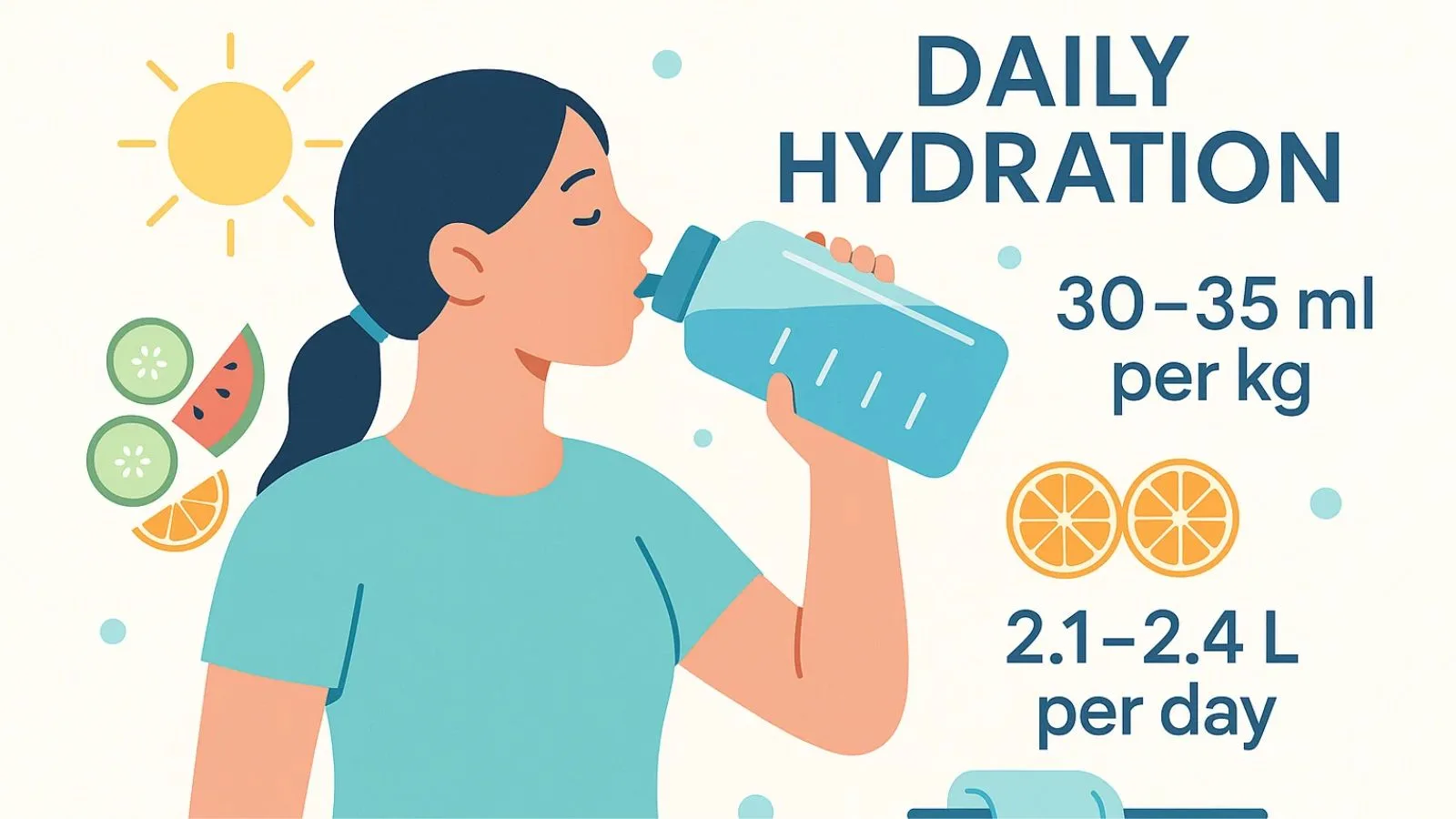
Start with 2.5 to 3 litres as a baseline. If you exercise, add another 500 ml for every 30 minutes of activity. If you live in a hot Indian city during summer, add another 500 ml on top of that. Do not set an unrealistic goal on day one. Starting at 2 litres and building up slowly is far better than setting 4 litres and quitting by day three.
02 Log every glass honestly
Use your water tracker app, your water tracker bottle markings, or your water tracker chart to record every glass. That includes your morning warm water, the glass you drink with your tablets, the water you sip during meetings. Every glass counts and every glass should be logged. Selective logging defeats the whole purpose of tracking.
03 Use reminders and link water to habits
Set reminders on your phone every 90 minutes. But also link drinking water to things you already do: one glass the moment you wake up, one glass before each meal, one glass when you sit down at your desk, one glass before your evening walk. Habit-stacking is far more reliable than willpower alone and far more effective long-term.
04 Review your patterns every week
Check your water tracker chart or app at the end of each week. Do you feel lighter on days you hit 3 litres? Is your digestion noticeably better? Use that data to stay motivated and to adjust your goal if needed. The insights you get from tracking are what turn a short experiment into a lasting lifestyle change.
Read More:
Water Tracker Bottle vs App: Which One Is Right for You?
Both work. The one you will actually use every single day is the right one.
A water tracker bottle is ideal for people who are always on the move, do not want to pull out their phone constantly, or find physical cues more motivating than digital ones. You fill it in the morning and your only job is to finish it by a certain time. The time markings on the bottle tell you if you are falling behind. Simple, visual, and effective without any screen time.
A water intake tracker app works better for people who are already on their phone throughout the day. Good apps allow you to log not just plain water but also other beverages, set custom reminders, and view long-term patterns in your hydration. They are especially useful for people juggling multiple health goals at the same time.
For most busy Indians, a combination works best. Use a water tracker bottle during the day to stay on track passively. Use an app in the evening to log your total, review your streak, and set your reminder for the next morning. The two tools complement each other perfectly.
Want to Track More Than Just Water? Meet Calorie Tracker Buddy
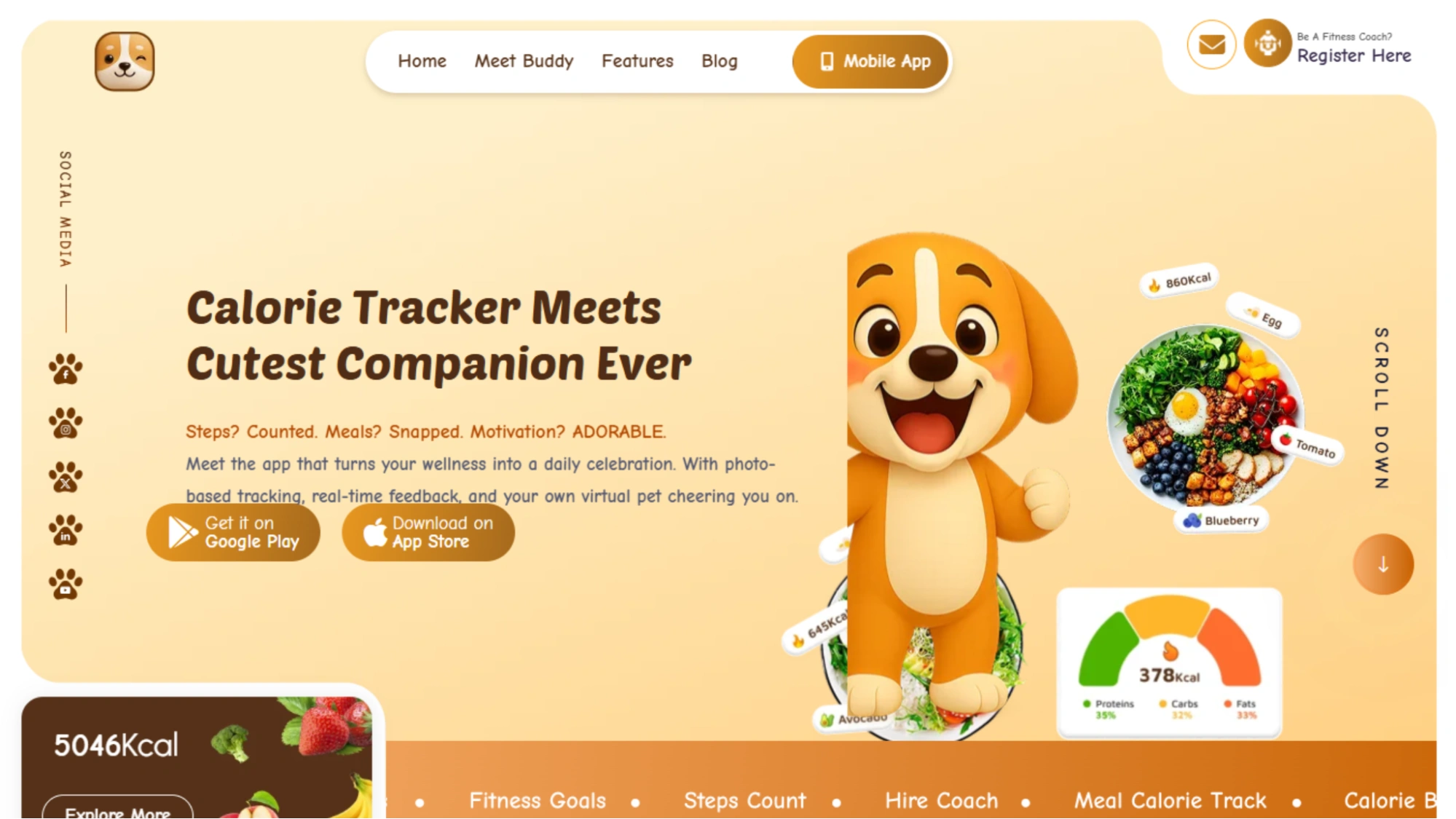
If you are serious about feeling lighter and staying consistent, hydration is just one piece of the puzzle. Calorie Tracker Buddy helps you connect the dots between what you drink, what you eat, and how your body responds.
With its clean interface and smart reminders, you can track calories, monitor hydration habits, and stay aligned with your daily health goals, all in one place. No confusion. No messy logs. Just clear insights that help you stay in control.
Your Healthy Sidekick’s Secret Powers
Snap the Meal
Point your camera. Tap once. Boom! Your food gets scanned for calories, nutrients, and balance in seconds.
Calorie Burn Tracker
From dance moves to dishwashing, every step you take gets counted. Track daily burns and watch your progress ignite.
Calorie Intake Tracker
You eat, it calculates. Log your plate in seconds and get instant feedback on how it fits your goals.
Goal Predictions
Not sure how close you are? See how every meal, snack, and sip moves you toward your target.
Buddy Motivation
Your virtual pet grows with every healthy choice you make. Daily motivation, but make it cute and addictive.
Social Sharing
Proud of your plate or loving the glow-up? Share meals, post streaks, and let your squad hype you up.
If bloating, low energy, or inconsistent habits have been slowing you down, this is your sign. Start using Calorie Tracker Buddy today and turn small daily actions into visible results.
Common Mistakes That Keep You Bloated (Even If You Drink Water)
Drinking water alone is not always enough. These common mistakes cancel out your efforts without you realising.
- Drinking too much at once: Gulping down two large glasses right before a meal can temporarily stress your digestive system. Spread your water intake evenly: small amounts regularly, rather than large amounts occasionally.
- Ignoring sodium in your diet: No amount of water fully counteracts bloating from a packet of chips, instant noodles, or a heavy restaurant meal. Reducing sodium intake while increasing water intake is the combination that truly works.
- Forgetting to balance fiber: Water and fiber are a team. Too little fiber leaves you constipated even if you drink plenty of water. Too much fiber without enough water makes bloating significantly worse. You need both in the right proportion.
- Inconsistent intake across the week: Drinking 4 litres on Saturday because you remembered, and then barely 1 litre on Sunday, does nothing for your gut. Your body needs steady daily hydration. A water tracker prevents this by showing you your daily and weekly patterns clearly.
- Not counting fluids correctly: Coconut water, nimbu pani, and herbal teas count toward hydration. But chai, coffee, and cold drinks do not count the same way because caffeine and sugar can dehydrate you. Your water intake tracker should primarily count plain water.
Pro Tips to Maximise Debloating Results
Start your morning with water before anything else: Before chai, before checking your phone, drink a full glass of warm water. This kickstarts your digestive system, helps flush out overnight waste, and hydrates your body before the day begins.
Drink 30 minutes before meals, not during: Drinking large amounts right before or during a meal dilutes your stomach acid and slows digestion. Drink a glass 30 minutes before eating, then keep sips minimal during the meal itself.
Add jeera water or ajwain water in the morning: These are classic Indian remedies for bloating and for good reason. Jeera has carminative properties that help reduce gas. Boil a teaspoon of jeera in water, let it cool slightly, and drink it warm on an empty stomach.
Replace cold drinks with coconut water: When you reach for a cold drink, swap it for coconut water instead. It is hydrating, low in sodium, and contains potassium that helps flush excess sodium from your body naturally.
Check your tracker before sleeping: Before sleeping, look at your water tracker. Did you hit your goal? If not, drink a small glass of water. This 10-second habit keeps you accountable and sets the right intention for the next morning.
Who Will See Results the Fastest?
Everyone benefits from better hydration. But some people see dramatic changes within just a few days of starting to track.
If you are an office worker who sits for most of the day and barely drinks water between 9 AM and 6 PM, starting to use a water tracker will almost certainly reduce your afternoon bloating and sluggishness within 3 to 5 days. The change is that fast and that obvious.
If you have regular constipation, consistent water intake is often the single most effective change you can make. Many people who start using a water intake tracker report noticeably more regular bowel movements within the first week, which directly and immediately reduces bloating.
If your diet is high in sodium, through restaurant food, packaged snacks, or heavily salted home cooking, your body is retaining fluid every single day. Pairing higher water intake with slightly reduced sodium can show visible results in 5 to 7 days. Your face will look less puffy. Your stomach will feel less tight after meals.
If you are a fitness beginner who has just started exercising, your body needs significantly more water than it did before. Most beginners are chronically under-hydrated after workouts, which leads to muscle soreness and bloating. A water tracker helps you scale your intake correctly as your activity level increases.
Final Takeaway
Bloating does not always need a complicated solution. For a very large number of people in India, the fix is consistent: tracked hydration every single day.
A water tracker, whether it is a bottle, a chart, or an app, does one thing brilliantly: it makes your hydration visible. And when something is visible, you are far more likely to act on it. You stop guessing & forgetting. You build a quiet habit that takes care of your gut in the background, every single day.
Start today. Set your goal. Log your first glass. Check your total before you sleep. Repeat it tomorrow. Within a week, your gut will feel different. Within a month, it will feel like a new normal.
FAQs
Can drinking more water reduce bloating fast?
Yes, especially if your bloating is caused by dehydration, constipation, or high sodium intake, which covers a large majority of cases in India. Many people notice meaningful relief within 2 to 4 days of consistently hitting their daily water goal.
How much water should I drink daily in India?
2.5 to 3 litres is a reliable daily baseline for most Indian adults. Add more if you exercise, if the weather is hot, or if your diet is high in sodium. A water intake tracker helps you hit this number accurately without guessing every day.
Is a water tracker bottle really helpful?
Yes. A water tracker bottle is one of the most effective low-effort tools for hydration because it gives you a constant visual cue throughout the day. You do not need to check your phone. You just look at the bottle and instantly know whether you are on track.
How many days does it take to debloat?
For water retention bloating, most people feel noticeably lighter within 3 to 7 days of consistent hydration. For digestive bloating linked to constipation or slow gut motility, expect 2 to 4 weeks of regular water intake before seeing a major long-term difference.
Can overhydration cause bloating?
It is possible but uncommon. Drinking extremely large amounts in a very short window can temporarily bloat you. This is exactly why spreading your intake across the day using a water tracker matters: you want steady, regular sips throughout the day, not one giant glass every few hours.