



There’s a reason so many diets start with motivation and end with frustration.
It’s not always about willpower. It’s often about mindset.
One of the most common patterns I see and one I’ve personally worked through is the diet mentality built on extremes. You’re either “on track” or “off track.” You’re either “eating clean” or “completely failing.” There’s no middle ground.
This is what drives the exhausting cycle of strict dieting, slipping up, feeling guilty, and starting over on Monday.
If you’ve ever told yourself, “I already messed up today, so I might as well keep going,” you’ve experienced all-or-nothing thinking with dieting.
In this blog, I’ll break down:
- What is diet mentality
- How diet culture mentality reinforces it
- Examples of the diet mentality in real life
- Why it keeps you stuck
- And how to build a balanced, sustainable approach instead
Let’s start with the foundation.
Listen to The Podcast Now
What Is Diet Mentality?

If someone asks me, what is diet mentality? I describe it as a rigid belief system around food and body size that prioritizes control, restriction, and perfection.
Diet mentality is not just “wanting to eat healthy.” It’s the internal rulebook that says:
- Certain foods are good, others are bad
- Your worth changes based on what you eat
- One mistake cancels all progress
- You must follow the plan perfectly or you’ve failed
It turns eating into a moral test.
Instead of asking, “What does my body need?” you ask, “Am I being good?”
That’s the shift that causes damage.
Diet mentality creates pressure. Pressure creates rebellion. And rebellion leads to guilt which sends you right back to restriction.
How Diet Culture Mentality Fuels the Problem
The diet culture mentality is everywhere.
It shows up in:
- Before-and-after photos
- “Cheat day” language
- Detox trends
- 30-day transformations
- Influencer meal rules
- Comments like “I was bad this weekend”
Diet culture mentality promotes the idea that:
- Thinness equals health
- Weight loss equals success
- Discipline equals moral superiority
- Restriction equals control
When you absorb those messages long enough, they shape how you see food — and yourself.
It becomes normal to believe:
- Pizza is “dirty”
- Carbs are “dangerous”
- Sugar is “toxic”
- Rest days are “lazy”
But food doesn’t carry moral value. We assign it that value.
And once food becomes moralized, eating becomes emotional.
The Real Cost of All-or-Nothing Thinking
All-or-nothing thinking sounds like:
- “I blew my diet.”
- “I’ll start over Monday.”
- “If I can’t do it perfectly, what’s the point?”
- “I had one cookie. The day is ruined.”
The problem isn’t the cookie.
The problem is the belief that perfection is required.
When you operate from extremes, you bounce between:
Strict restriction → Loss of control → Guilt → Restart
That cycle drains confidence and consistency.
Over time, it disconnects you from hunger cues, fullness signals, and body trust.
Examples of the Diet Mentality
Let’s make this practical. Here are common examples of the diet mentality I see all the time.
1. Labeling Foods as “Good” and “Bad”
Salad = good.
Burger = bad.
Fruit = safe.
Dessert = failure.
Once food becomes categorized this way, eating “bad” food triggers shame.
Shame often leads to overeating not because you lack discipline, but because restriction increases desire.
2. “Starting Fresh” Every Monday
Weekend overeating → strict Monday reset.
You slash calories. You cut carbs. You promise “no sugar this week.”
By Thursday, you’re exhausted. By Saturday, you’re over it.
That’s the diet mentality in motion.
3. Saving Calories All Day to “Earn” Dinner
You barely eat all day because you plan to go out at night.
You arrive starving. You overeat. You feel guilty.
The cycle repeats.
4. Avoiding Social Events to Stay “On Plan”
You skip birthday cake.
You skip pizza night.
You skip dinner invites.
Not because you don’t want to go but because you don’t trust yourself around food.
That’s not discipline. That’s fear shaped by diet culture mentality.
5. Extreme Goal Setting
You decide:
- No sugar ever
- Workout 7 days a week
- Zero eating out
- Perfect meal prep
One busy day breaks the plan. You feel like a failure.
All-or-nothing thinking doesn’t allow for life.
Why Diet Mentality Keeps You Stuck

Here’s what many people don’t realize:
Restriction increases cravings.
When you tell yourself you “can’t” have something, your brain elevates its importance.
Add emotional restriction — guilt and shame — and food becomes even more powerful.
This is exactly what nutritional psychiatry explores: how our relationship with food directly affects brain chemistry, mood, and behavior. When we moralize food or attach shame to it, we’re not just impacting willpower — we’re influencing neural pathways tied to reward and stress.
Diet mentality doesn’t fail because you’re weak.
It fails because it’s rigid.
Sustainable change requires flexibility.
Also Read
Nutritional Psychiatry: How Food Shapes Your Mood, Mindset, And Brain Health.
The Shift: From Control to Awareness
Stopping all-or-nothing thinking doesn’t mean abandoning structure.
It means replacing control with awareness.
Instead of:
“I can’t eat that.”
Try:
“I can eat that but how will it make me feel?”
Instead of:
“I ruined the day.”
Try:
“One meal doesn’t define my progress.”
Awareness allows choice without panic.
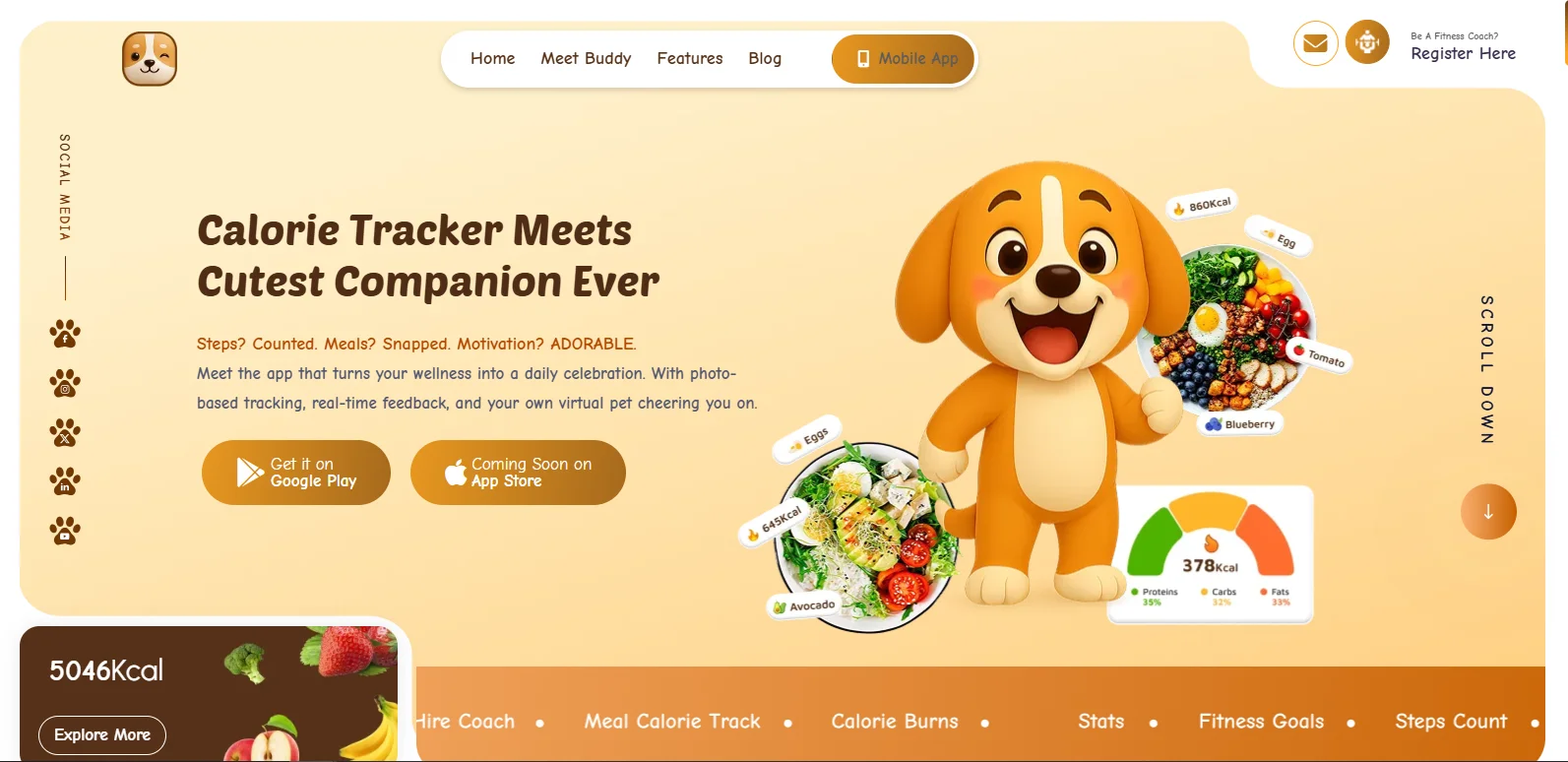
You can also take help of a tool to avoid falling into diet mentality, let us introduce you to calorie tracker buddy
How Calorie Tracker Buddy Supports Awareness Not Diet Mentality
 This is where many people get confused.
Tracking tools can either reinforce diet mentality or help break it.
It depends on how you use them.
At Calorie Tracker Buddy, the goal isn’t perfection. It’s insight.
Snap the Meal
Point your camera. Tap once. Boom.
Your food is scanned for calories, nutrients & balance.
Instead of obsessively logging every gram, you get a quick snapshot. That reduces overthinking and increases awareness.
Calorie Intake Tracker
You eat, it calculate. Track what’s on your plate in seconds and get instant feedback with the calorie counter on how it fits your goals.
The focus isn’t “good vs bad.”
It’s information.
Information removes fear.
Calorie Burn Tracker
From dance moves to dishwashing, every step you take gets counted. Track daily burns & watch your progress ignite.
Movement becomes part of life not punishment for eating.
Goal Predictions
Wondering how close you are? We show you how each meal, snack, and sip impacts your journey.
Instead of panic after one indulgence, you see the bigger picture.
One meal doesn’t erase progress.
Buddy Motivation
Your pet grows with every healthy choice you make. Get daily motivation from your virtual buddy.
Motivation becomes playful not pressure-based.
Social Sharing
Proud of your plate or just loving the glow-up? Post your meals, share your streaks, and let your squad hype you up!
Support reduces isolation. Isolation fuels diet mentality.
The key is this: tools should empower awareness, not enforce perfection.
How to Stop “All-or-Nothing” Thinking with Dieting
Here’s the practical framework I recommend.
1. Catch Extreme Language
Notice words like:
- Always
- Never
- Ruined
- Failed
- Perfect
Replace them with neutral language.
Instead of “I failed,” try “I overate.”
Neutral language lowers emotional intensity.
2. Add the Middle Option
When your brain says:
“Either eat none or eat all.”
Pause and ask:
“What would moderation look like?”
Two slices instead of the whole pizza.
A cookie without finishing the box.
There is always a middle.
3. Stop Moralizing Food
Food has nutrients.
Food has calories.
Food has taste.
It does not have morality.
When you remove morality, you remove shame.
4. Set Flexible Goals
Instead of:
“Workout every day.”
Try:
“Move my body 4 times this week.”
Instead of:
“No sugar ever.”
Try:
“Be mindful of sugar during weekdays.”
Flexibility increases consistency.
5. Focus on Patterns, Not Moments
One meal doesn’t define your health.
Patterns do.
When you zoom out, panic fades.
That’s why tools that show long-term trends like CTB’s goal predictions are helpful. They shift your attention from a single meal to overall direction.
6. Practice Self-Trust
You don’t need stricter rules.
You need stronger trust.
Trust builds when:
- You allow all foods
- You respond to hunger
- You stop punishing yourself
The more you remove restriction, the less food feels chaotic.
What Balanced Eating Actually Looks Like
Balanced eating includes:
- Nutrient-dense meals
- Enjoyment foods
- Social eating
- Imperfect days
- Adjustments without drama
It’s not rigid.
It’s responsive.
And that responsiveness is what breaks diet mentality long term.
When You Might Need Extra Support
If diet mentality includes:
- Binge eating
- Severe restriction
- Obsessive calorie control
- Anxiety around food
- Avoidance of social situations
It may help to work with a registered dietitian or therapist.
All-or-nothing thinking can sometimes be tied to deeper perfectionism or anxiety patterns.
Seeking support is strength, not failure.
Final Thoughts
All-or-nothing thinking with dieting feels powerful at first.
It promises control. It promises certainty.
But it rarely delivers peace.
The real shift happens when you move from extremes to flexibility.
When you stop asking, “Was I perfect?”
And start asking, “Am I consistent?”
Diet mentality keeps you chasing perfection.
Balanced awareness helps you build sustainability.
The goal isn’t to eat flawlessly.
It’s to eat in a way that supports your life — not controls it.
FAQs
What is diet mentality?
Diet mentality is a rigid belief system around food and weight that promotes restriction, perfection, and labeling foods as good or bad. It often leads to guilt, binge-restrict cycles, and all-or-nothing thinking.
What is diet culture mentality?
Diet culture mentality refers to societal beliefs that glorify thinness, equate weight loss with success, and promote strict food rules. It reinforces the idea that self-worth is tied to body size and eating discipline.
What are examples of the diet mentality?
Common examples of the diet mentality include:
- Labeling foods as good or bad
- Starting over every Monday
- Restricting all week and overeating on weekends
- Avoiding social events to stay “on track”
- Believing one indulgence ruins progress
FAQs
Is tracking calories part of diet mentality?
Not necessarily. Tracking can become part of diet mentality if it’s used rigidly or obsessively. However, when used as a tool for awareness not perfection, it can support balanced decision-making.
How do I stop all-or-nothing thinking with dieting?
Start by recognizing extreme language, adding middle-ground options, removing food morality, setting flexible goals, and focusing on long-term patterns instead of single meals.