



Cold air, long nights, and holiday meals create the perfect setup for weight gain. Many people notice tighter clothes and lower energy as temperatures drop. Some blame biology. Others blame comfort food. The truth sits in the middle. Winter can influence appetite and mood, but habits decide the outcome.
Weight gain does not happen by accident. Daily choices shape results. Reduced movement, larger portions, and sugary drinks increase calorie intake fast. At the same time, structured routines, protein foods, and foods with low calories protect progress. This guide explains whether winter Fat gain comes from biology or behavior and how you can stay in control.
Listen To The Podcast Now!
Why Winter Weight Gain Feels Inevitable?
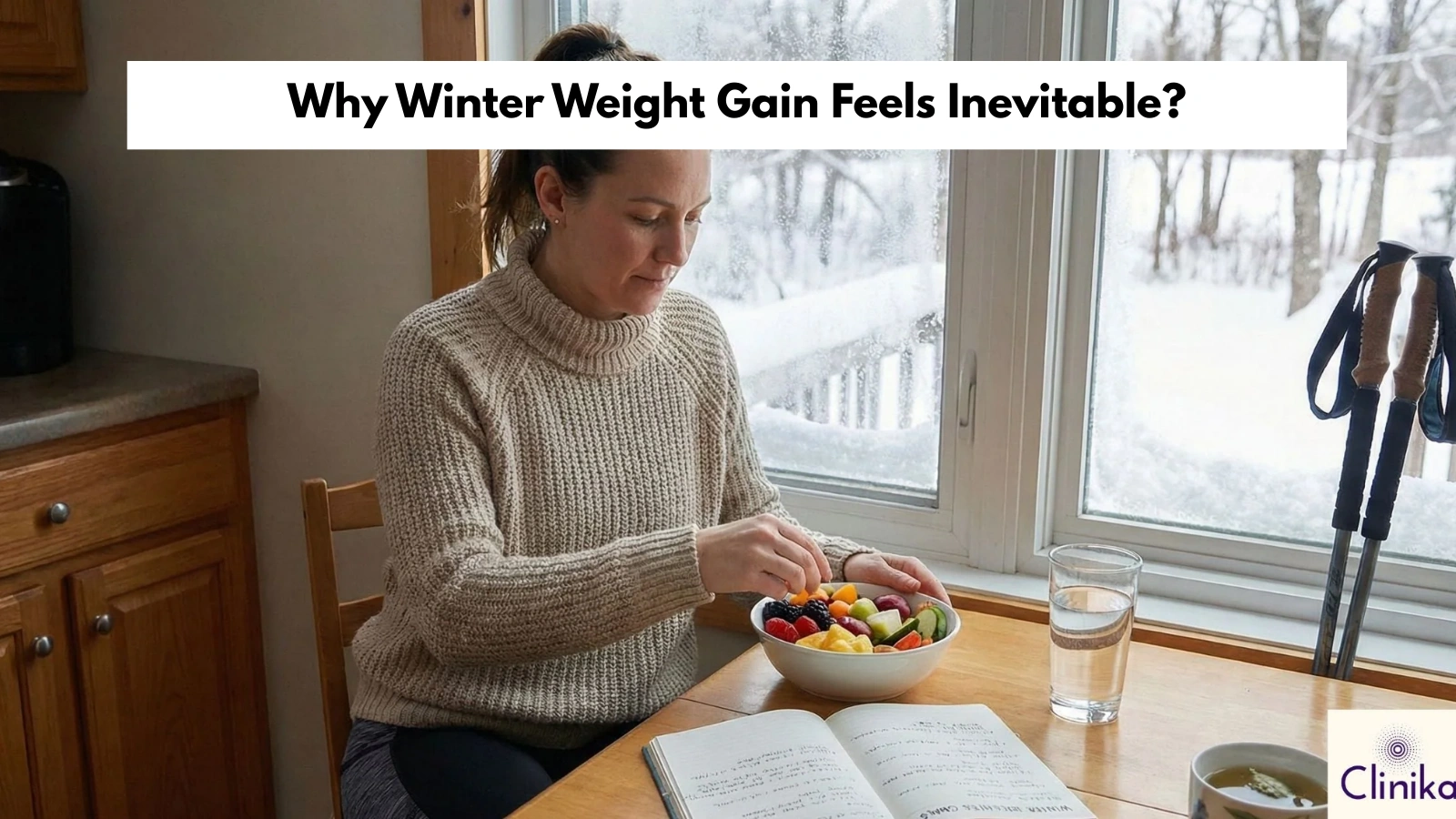
Winter changes routine. Darkness arrives early. Social events increase. Cravings grow stronger. These factors combine and create steady weight gain if you ignore structure.
Shorter Days and Reduced Activity Levels
Short daylight hours reduce outdoor time. Many people skip walks and workouts. Lower movement means fewer calories burned. When calorie intake stays high, weight gain follows. Even small drops in daily steps can lead to gradual fat gain over weeks.
Cold weather also lowers motivation. People choose couches over cardio. Gyms feel less appealing after work. This pattern supports winter Fat gain year after year.
Comfort Food Cravings and Seasonal Eating Patterns
Winter meals often include heavy sauces, baked desserts, and refined carbs. These foods increase calorie intake quickly. Emotional attachment to holiday dishes makes portion control difficult. Frequent indulgence leads to steady Fat gain.
Many families follow seasonal eating traditions. Large dinners and sweet drinks appear more often. Without balance, these habits push weight gain beyond what biology alone would cause.
Is Winter Weight Gain Biological Or Behavioral?
Many people ask whether winter fat gain comes from hormones or habits. Research shows both play a role, but behavior carries more influence.
Hormones, Appetite, and Cold Weather
Cold temperatures can increase hunger signals. The body seeks extra energy for warmth. This shift may raise appetite slightly. However, this natural response does not guarantee weight gain. Overeating creates Fat gain, not cold air alone.
Emotional Eating and Habit Loops
Stress from holidays, financial pressure, and family events can increase emotional eating. Sugar and high-fat foods provide short-term comfort. Repeated emotional eating forms habits. These habits drive Fat gain more than biology does.
Once the loop begins, cravings return daily. Without awareness, winter fat gain feels automatic.
The Role of Sunlight and Mood Changes
Limited sunlight can affect mood. Low mood may reduce activity and increase cravings. This pattern encourages comfort eating and less exercise. Together, these behaviors create weight gain across the season.
Diets To Lose Weight During Winter: What Actually Works?
Many people start strict diets to lose weight after holiday Fat gain. Most extreme plans fail because they ignore sustainability.
Why Restrictive Diets to Lose Weight Often Fail
Severe calorie cuts slow metabolism and increase hunger. People feel deprived and quit quickly. Rapid restriction often leads to rebound weight gain. Strict diets to lose weight rarely last through winter social events.
Balanced Diets to Lose Weight Without Starvation
Balanced diets to lose weight focus on portion control, protein foods, and foods with low calories. These plans allow flexibility. They reduce calorie intake without extreme hunger. Sustainable plans prevent additional fat gain and support fat loss.
Sustainable Calorie Control in Cold Months
Calorie awareness prevents fat gain. You do not need extreme cuts. Reduce portions slightly. Replace high-calorie snacks with foods with low calories. Choose protein foods at each meal. This strategy protects muscle and limits winter weight gain.
Eating Healthy To Lose Weight When Cravings Increase

Cravings rise in winter. Structure keeps them under control. Eating healthy to lose weight does not require bland meals. It requires smart planning.
Smart Portion Control Strategies
Use smaller plates. Serve meals in the kitchen instead of family-style at the table. Pause before second servings. These actions reduce calorie intake and prevent gradual Fat gain.
Structuring Meals to Reduce Overeating
Eat three structured meals with protein foods and fiber. Balanced meals stabilize blood sugar. Stable blood sugar reduces cravings and lowers the risk of weight gain.
Planning Ahead for Social Gatherings
Eat a protein-rich snack before parties. Choose smaller dessert portions. Limit high-calorie drinks. Eating healthy to lose weight during winter requires preparation, not perfection.
Protein Foods That Prevent Winter Weight Gain
Protein foods support muscle and reduce hunger. Higher protein intake reduces snacking and supports fat loss.
How Protein Foods Control Hunger
Protein increases satiety hormones. It slows digestion and keeps you full longer. This effect reduces overeating and protects against fat gain during winter.
High-Protein Breakfast Ideas
Choose eggs with vegetables. Try Greek yogurt with berries. Add protein powder to oatmeal. These protein foods stabilize appetite early and reduce later cravings that cause weight gain.
Lean Protein Foods for Dinner
Select chicken breast, turkey, fish, tofu, or lentils. Pair with vegetables and foods with low calories. Balanced dinners reduce nighttime snacking and prevent winter weight gain.
Foods With Low Calories That Keep You Full
Volume matters. Foods with low calories allow larger portions without excess energy intake.
Volume Eating With Foods With Low Calories
Leafy greens, zucchini, cucumbers, and berries provide bulk with minimal calories. Large portions create fullness. This method prevents fat gain without strict restriction.
Vegetables and Soups for Satiety
Vegetable-based soups satisfy hunger before main meals. Broth-based options contain foods with low calories and reduce total calorie intake. This strategy reduces winter Fat gain risk.
Smart Snack Options With Low Calories
Air-popped popcorn, carrots, apples, and low-fat yogurt provide satisfaction with fewer calories. Replace chips and sweets with foods with low calories to limit weight gain.
Common Winter Habits That Cause Weight Gain
Small habits accumulate. Over time, they create noticeable fat gain.
Late-Night Snacking
Cold nights encourage mindless eating. Extra snacks before bed add calories without need. Frequent late-night eating leads to gradual weight gain.
Reduced Daily Movement
Short walks disappear in winter. Desk time increases. Fewer steps mean lower calorie burn. Combined with heavy meals, this change fuels Fat gain.
Liquid Calories From Seasonal Drinks
Hot chocolate, sweet coffee, and holiday cocktails contain high sugar levels. Liquid calories add up fast. Regular intake increases Fat gain without strong fullness signals.
Read More:
The Best Weight Gain Diet Ideas For Skinny People
Calorie Tracker Buddy: Best Calorie Counting Apps To Track Your Nutrition
How Calorie Tracker Buddy Helps You Track Diet Food?
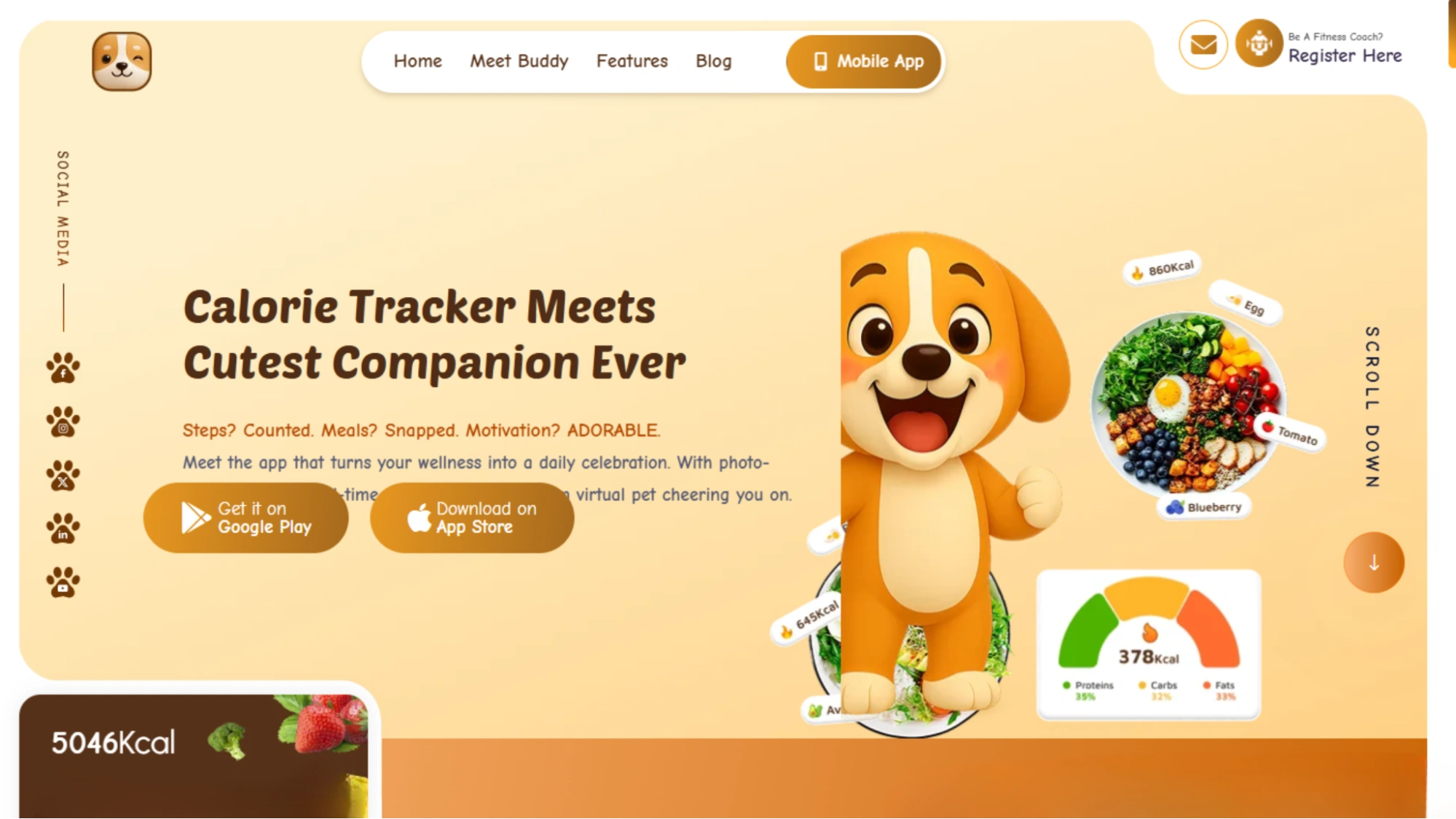
A clear structure makes healthy eating easier. Calorie Tracker Buddy gives you practical tools that reduce confusion, prevent weight gain, and support better food decisions every day. Whether you follow diets to lose weight or focus on eating healthy to lose weight, the app keeps your plan organized and measurable.
Snap the Meal
Point your camera at your plate and capture your meal instantly. The app analyzes calories, nutrients, and portion size within seconds. This feature helps you detect hidden calorie excess that may lead to Fat gain and supports smarter diet food choices.
Calorie Intake Tracker
Log meals quickly and view total calories in real time. The intake tracker shows how each meal fits into your daily target. Clear visibility helps you avoid overeating and reduce gradual Fat gain.
Calorie Burn Tracker
Track workouts, steps, and daily movement with ease. The burn tracker shows how activity balances food intake. This insight helps you adjust meals and prevent seasonal weight gain.
Protein and Nutrient Monitoring
Monitor protein foods intake and essential nutrients daily. Adequate protein reduces hunger and protects muscle mass. Balanced nutrition supports diets to lose weight without extreme restriction.
Smart Food Database
Search thousands of foods, including foods with low calories. Compare options instantly and choose meals that support eating healthy to lose weight while limiting fat gain.
Goal Predictions
See how each meal impacts your progress. Predictive insights show whether your current habits may cause Fat gain or support fat loss. Early awareness allows quick correction.
Buddy Motivation
Your virtual buddy grows with every healthy decision. Daily encouragement increases accountability and reduces emotional eating patterns linked to winter weight gain.
Calorie Tracker Buddy turns diet tracking into a clear and structured system. With accurate data, smart insights, and daily motivation, you stay in control and protect yourself from unwanted Fat gain.
Practical Winter Meal Plan Framework
A clear plan prevents decision fatigue and reduces weight gain risk.
Sample High-Protein Winter Day
Start your morning with eggs, spinach, and whole-grain toast. This breakfast delivers protein and fiber, which reduce cravings later in the day.
For lunch, choose a grilled chicken salad with olive oil dressing. Lean protein foods combined with vegetables keep you full without excess calories.
A snack of Greek yogurt and berries provides protein and natural sweetness while limiting sugar spikes that can trigger fat gain.
Dinner can include baked salmon, roasted vegetables, and quinoa. This meal offers healthy fats, protein, and complex carbohydrates. Such structure lowers hunger, improves satisfaction, and helps prevent winter weight gain.
Budget-Friendly Foods With Low Calories
Cabbage, carrots, oats, beans, and frozen vegetables cost less and provide fiber. These foods with low calories support eating healthy to lose weight without high expense.
Simple Grocery List for Eating Healthy to Lose Weight
Buy lean meats, eggs, yogurt, beans, leafy greens, berries, root vegetables, and whole grains. A focused list reduces impulse buys that contribute to weight gain.
Building Winter Habits That Prevent Fat Gain
Habits decide long-term results. Strong systems stop repeated Fat gain each winter.
Daily Movement Goals
Aim for at least 7,000–10,000 steps daily. Add short indoor workouts if weather limits outdoor time. Consistent movement offsets calorie intake and reduces weight gain.
Structured Meal Timing
Eat at consistent times. Avoid skipping meals. A stable structure prevents extreme hunger and binge eating that causes Fat gain.
Accountability and Tracking
Track body weight weekly. Monitor calorie intake. Use tools like Calorie Tracker Buddy to detect small increases early. Quick action prevents extended Fat gain cycles.
Final Thoughts:
Winter weight gain does not happen by fate alone. Biology may influence appetite and mood, but habits determine results. Reduced movement, comfort food, and social eating drive most seasonal Fat gain.
You can prevent winter weight gain with balanced diets to lose weight, structured routines, protein foods, and foods with low calories. Eating healthy to lose weight does not require extreme restriction. It requires awareness and consistency.
Take control early. Adjust portions. Increase movement. Focus on protein foods and foods with low calories. Use tracking tools for accountability. When habits stay strong, winter weight gain loses power over your progress.
FAQs
- Why does winter often lead to weight gain?
Winter reduces daily movement, increases comfort food cravings, and encourages social overeating. These habits contribute more to fat gain than cold weather alone. - Can diets to lose weight work during winter?
Yes. Balanced diets to lose weight that include protein foods and foods with low calories help prevent fat gain without extreme restriction. - How can I prevent weight gain during the holidays?
Plan meals, control portions, stay active daily, and focus on eating healthy to lose weight. Small, consistent habits reduce seasonal fat gain.