


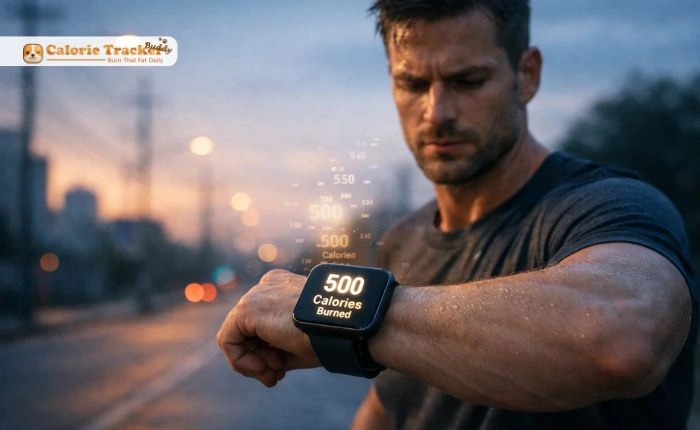
You check your smartwatch after a morning jog, and it proudly displays 500 Exercise Calories. But did you really torch that many? This question has been bothering fitness enthusiasts worldwide as they wonder about the accuracy of their wearable devices.
Understanding calorie burn is crucial for anyone trying to lose weight, maintain fitness, or simply track their health progress. The truth is, smartwatches have become our go-to companions for tracking everything from steps to sleep, but when it comes to calculating the calories you have burned, these devices might be painting a rosier picture than reality.
The disconnect between what your smartwatch shows and what actually happens in your body can significantly impact your fitness goals. If you’re relying on inflated calorie burn numbers to justify that extra slice of pizza, you might be sabotaging your own progress without even realizing it.
Audio version available:
How Smartwatches Calculate Calorie Burn?
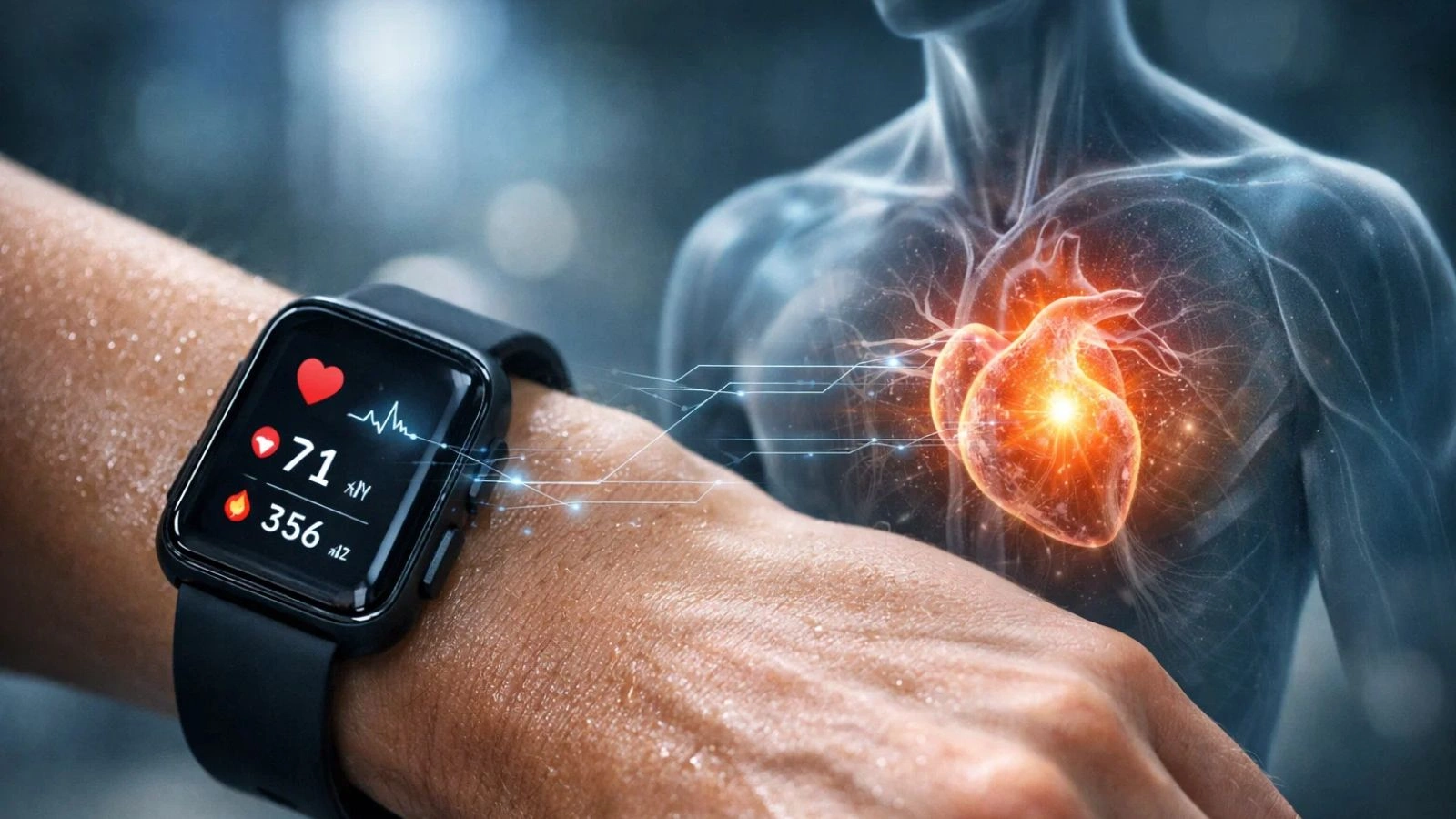
Smartwatches use a combination of sensors and algorithms to estimate your calorie burn throughout the day. The primary tool is the heart rate monitor, which tracks your pulse during various activities. These devices also use accelerometers to detect movement patterns, GPS for distance tracking during outdoor activities, and your personal data, like age, weight, height, and gender, to create a baseline metabolic profile.
The calculation starts with your basal metabolic rate (BMR), which represents calories burned at rest just to keep your body functioning. From there, the watch adds estimated calorie burn based on your activity level detected through movement sensors. When your heart rate increases during exercise, the algorithm interprets this as higher energy expenditure and adjusts the calculation accordingly.
However, this process is far from perfect. Different brands use proprietary algorithms, and none of them can directly measure the actual chemical reactions happening in your body that constitute burning calories. They’re essentially making educated guesses based on external signals, and these guesses can vary wildly depending on the activity, your fitness level, and environmental factors.
Why Smartwatches Tend to Overestimate?
Research consistently shows that smartwatches often overestimate the calories burned by 15-50%, depending on the activity and device brand. Several factors contribute to this inflation. First, these devices struggle with non-linear movements like strength training, yoga, or household chores. The algorithms are typically calibrated for steady-state cardio activities like running or cycling, where movement patterns are more predictable.
Your fitness level also plays a significant role in accuracy issues. A well-trained athlete’s heart might beat at 140 BPM during a casual run, while a beginner could hit the same heart rate walking briskly. The smartwatch doesn’t know your training history, so it might assign the same calorie burn to both scenarios, even though the athlete is working much less hard relative to their capacity.
Additionally, manufacturers have an incentive to show higher numbers because impressive calorie burn statistics make users feel accomplished and more likely to continue using their devices. Nobody wants to see that they only burned 150 calories during a tough workout when they were hoping for 400.

The Science Behind Accurate Calorie Tracking:
True calorie burn measurement requires laboratory equipment that measures oxygen consumption and carbon dioxide production, a process called indirect calorimetry. This method gives researchers a precise picture of metabolic activity because the body’s use of oxygen and production of CO2 directly correlate with energy expenditure.
Your smartwatch doesn’t have this capability. Instead, it relies on correlations between heart rate, movement intensity, and the estimated calories burned value based on population averages. While these correlations work reasonably well for some activities, they break down in many real-world scenarios.
Body composition matters tremendously for calorie burn accuracy. Someone with more muscle mass burns calories more efficiently than someone with higher body fat, even at the same weight and during the same activity. Most smartwatches don’t account for the muscle-to-fat ratio, leading to less personalized and often inflated estimates.
Up next:
Keto Vs. Calorie Deficit: Do You Really Need To Cut Carbs?
Weight Watchers (Points) vs. Calorie Counting (Macros)
Different Activities, Different Accuracy Levels:
Smartwatches perform best at estimating calorie burned during rhythmic, continuous cardio exercises like running, cycling, or swimming. These activities have predictable movement patterns and clear correlations between heart rate elevation and energy expenditure.
Where things get tricky is with resistance training. Your heart rate might spike during heavy squats, but much of that elevation comes from holding your breath and straining, not from massive calorie burn. The watch sees the elevated heart rate and overestimates the calories burned during that set.
High-intensity interval training (HIIT) presents another challenge. The afterburn effect, where your metabolism stays elevated for hours post-workout, is real and contributes significantly to total calorie burned. However, most smartwatches only track calories during the actual workout, missing this extended metabolic boost entirely.
Real User Experiences and Study Results:
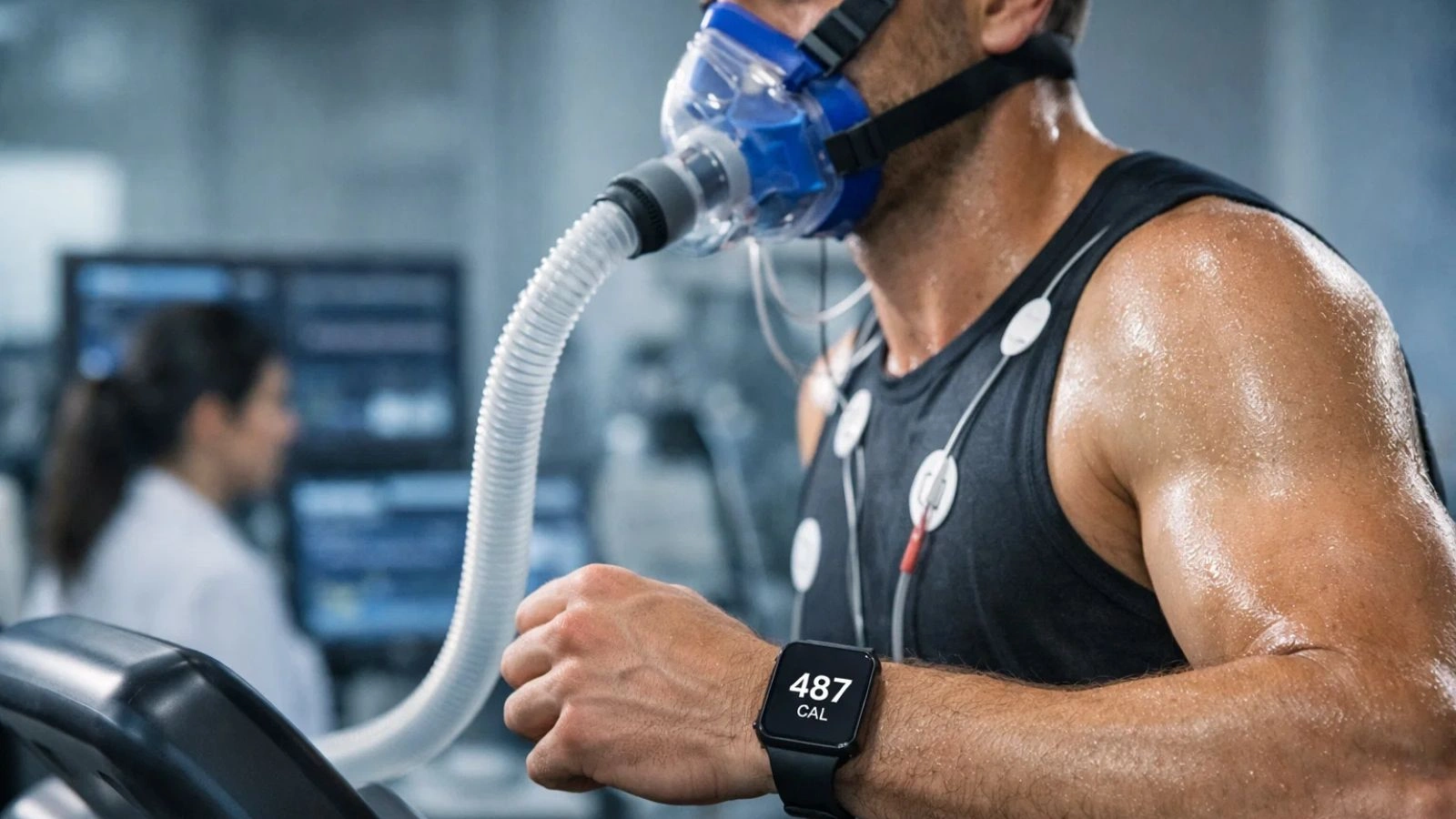
Multiple independent studies have tested smartwatch accuracy against laboratory-grade equipment. A Stanford University study found that no wearable device achieved better than 27% error in calorie burn estimation, with some devices off by more than 90% for certain activities. The Apple Watch and Fitbit tend to perform better than cheaper alternatives, but even premium devices show significant variance.
Users report frustration when their weight loss stalls despite their smartwatch showing impressive daily calories burned totals. The math should work: burn more calories than you consume, and you’ll lose weight. But when your device overestimates your burn by 300-500 calories daily, that creates a substantial deficit between expected and actual results.
Professional athletes and serious fitness enthusiasts often cross-reference their smartwatch data with other metrics, noticing discrepancies that confirm these devices aren’t perfectly reliable for calorie burn tracking.
Getting More Accurate Calorie Burn Estimates:
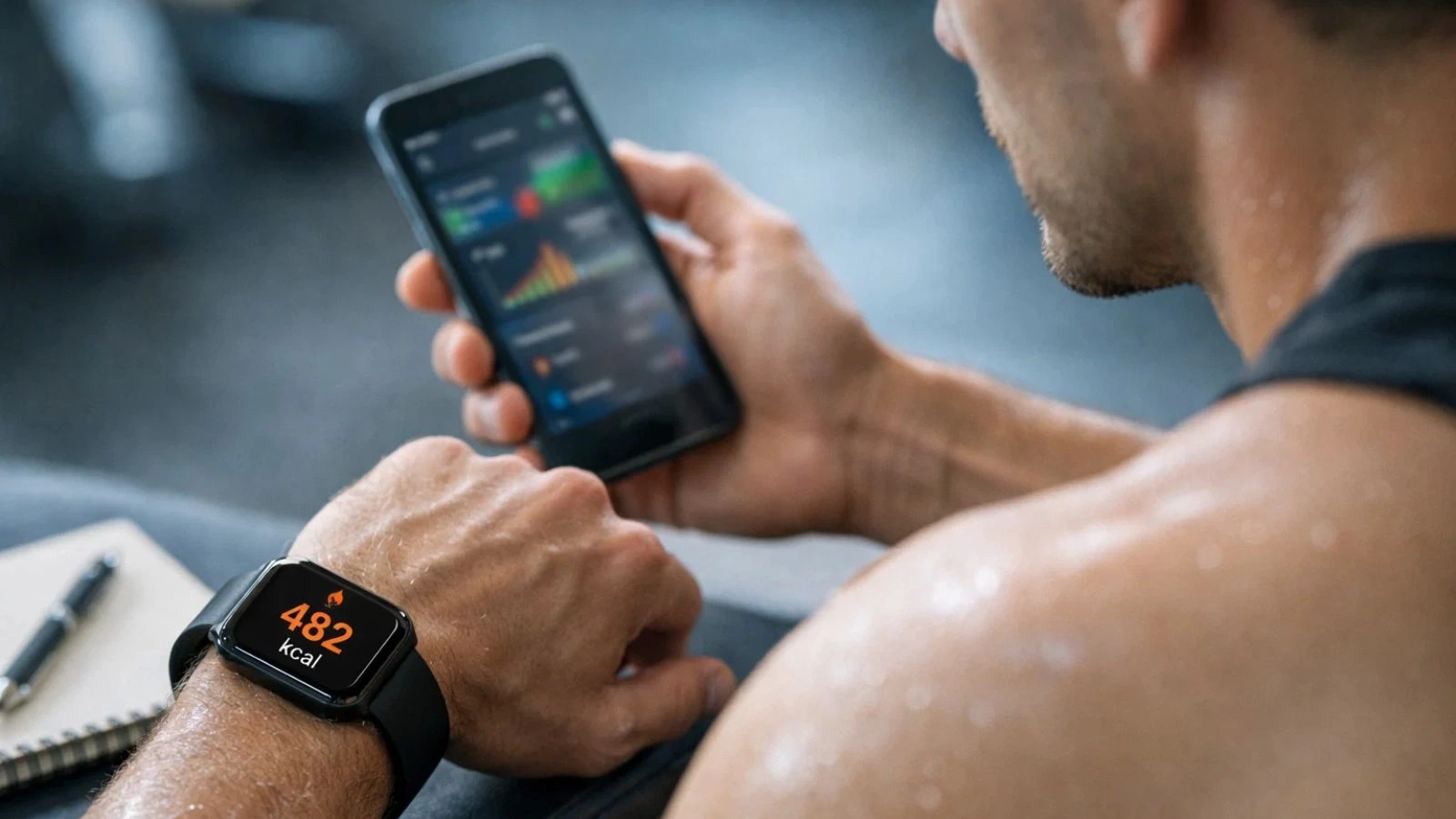
While your smartwatch won’t give you laboratory precision, you can improve its accuracy. First, ensure your personal data is current and correct in the device settings. Weight fluctuations of even a few pounds can affect calculations, so update this regularly.
Consider manually adjusting your calorie burn estimates downward by 20-30%, especially for activities like strength training or casual walking, where overestimation is most common. This conservative approach helps prevent the “I burned 500 calories so I can eat & drink 500 extra calories” trap that derails many fitness plans.
Use your smartwatch as a trend tracker rather than an absolute measure. If Monday’s workout shows 400 calories burned and Wednesday’s shows 600, you probably worked harder on Wednesday, even if neither number is perfectly accurate. The relative differences matter more than the absolute values.
Track Your Calories Smarter with Calorie Tracker Buddy:
If you’re serious about understanding both your calorie burning and intake, Calorie Tracker Buddy offers a comprehensive solution that goes beyond what your smartwatch can provide. This innovative app combines photo-based meal tracking with real-time feedback and a motivational virtual pet companion that grows healthier as you make better choices.
Key features that make Calorie Tracker Buddy stand out include:
- Snap & Track Technology: Simply photograph your meals and get instant calorie and nutrient analysis
- Calorie Expenditure Tracker: Integrates with your fitness data to show daily energy expenditure
- Calorie Intake Monitoring: Provides detailed breakdowns of macros, portion sizes, and nutritional content
- Goal Predictions: Shows how each meal impacts your overall health journey
- Buddy Motivation System: Your virtual pet thrives with healthy choices and encourages consistency
- Social Sharing Features: Connect with friends and share progress for accountability
The app synchronizes with popular fitness trackers like Google Fit, pulling in your step count and activity data while providing more nuanced calorie intake tracking than your watch alone can offer. Available on both Google Play and the App Store, Calorie Tracker Buddy turns the complex task of balancing calorie burn and consumption into an engaging, manageable daily routine.
Conclusion:
Smartwatches provide valuable insights into your activity levels and can definitely overestimate calorie expenditure by significant margins. Understanding their limitations helps you use them more effectively as tools for tracking trends rather than absolute measurements. The key is combining multiple data sources, staying conservative with estimates, and focusing on how you feel and perform rather than relying solely on numbers displayed on your wrist. Remember that sustainable fitness comes from consistent effort over time, not from chasing perfect calorie burn calculations.
FAQ’s:
Q1: Can I trust my smartwatch for weight loss?
Ans: Use your watch as a rough guide, not an exact science. Knock off about 20-30% from what it shows, and you’ll be closer to reality. Focus more on building solid habits than obsessing over the exact numbers.
Q2: Which smartwatch gives the best calorie tracking?
Ans: Apple Watch and Fitbit tend to be more reliable than cheaper options, but even premium devices can be off by 15-30%. No consumer device nails it perfectly yet.
Q3: Should I eat back all the calories I burned?
Ans: Big mistake. If your watch says you torched 500 calories, maybe eat back 300-350 max. This accounts for the overestimation and keeps your actual deficit on track.
Q4: Why does my watch show crazy high numbers for weightlifting?
Ans: Strength training confuses these devices. Your heart rate spikes from strain and breath-holding, not massive energy burn. The watch sees the elevated pulse and gets overexcited with the calorie count.
Q5: Do expensive smartwatches track better than cheap ones?
Ans: Generally,y yes, but even top-tier devices aren’t perfect. You’re paying for better sensors and algorithms, which helps, but don’t expect laboratory-level precision from any wrist-worn gadget.