


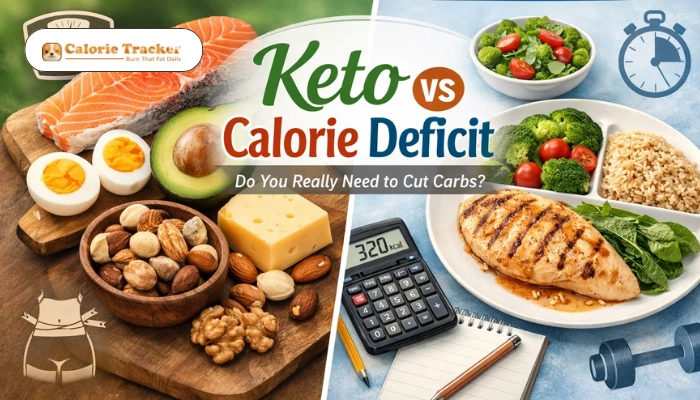
Weight loss advice often feels confusing. Some experts recommend cutting carbohydrates completely. Others say you simply need to eat fewer calories than you burn. This debate around keto vs calorie deficit continues to dominate the fitness world.
If your goal is fat loss, improved health, or sustainable habits, understanding the difference between these two approaches matters. Instead of blindly following trends, you need clarity.
Let’s break down keto vs calorie deficit in a practical, science-based way so you can decide what actually works for you.
⏩ Skip the reading:
What Is the Core Difference Between Keto vs Calorie Deficit?
At its simplest level, keto vs calorie deficit compares a macronutrient strategy with an energy strategy.
The ketogenic diet focuses on drastically reducing carbohydrate intake and increasing fats to push your body into ketosis. In ketosis, your body burns fat for fuel instead of glucose.
A calorie deficit, on the other hand, focuses purely on energy balance. You lose weight when you consume fewer calories than your body burns, regardless of whether those calories come from carbs, fats, or protein meals.
Understanding this distinction is essential when analyzing keto vs calorie deficit because only one of them directly addresses the scientific foundation of fat loss: energy balance.
How Does The Keto Diet Work?
The keto diet for weight loss relies on reducing carbs to around 20–50 grams per day. When carb intake drops significantly, insulin levels decrease and the body begins producing ketones from fat.
Supporters of keto argue that:
- Reduced insulin improves fat burning
- Appetite decreases naturally
- Blood sugar stabilizes
These benefits can help people stick to lower calorie intake without consciously tracking every bite.
However, when discussing keto vs calorie deficit, it is important to recognize that fat loss still happens because overall calorie intake drops. Keto does not bypass the laws of thermodynamics.
What Does A Calorie Deficit Actually Mean?
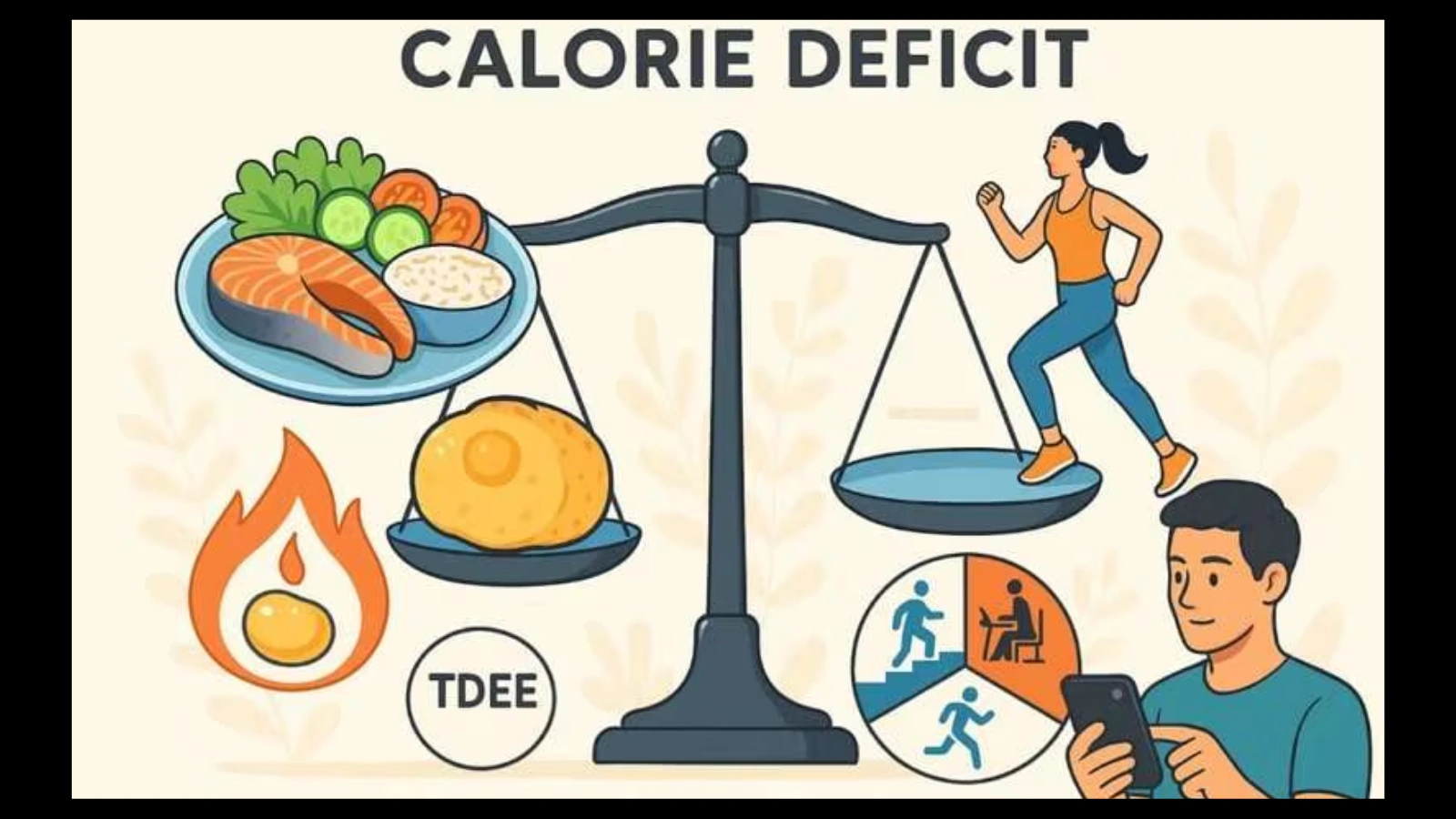
A calorie deficit for fat loss simply means eating fewer calories than your body expends.
Your body requires energy to function for breathing, digestion, movement, and exercise. When intake falls below expenditure, stored fat supplies the difference.
This makes keto vs calorie deficit an interesting comparison because one method manipulates food types while the other focuses on quantity.
You can create a calorie deficit through:
- Portion control
- Increased physical activity
- Tracking intake
- Balanced macronutrient planning
Unlike keto, this approach allows dietary flexibility.
Do You Need To Cut Carbs To Lose Weight?
Many people ask: do you need to cut carbs to lose weight? The short answer is no. Carbohydrates do not automatically cause fat gain excess calories do. When analyzing keto vs calorie deficit, research consistently shows that weight loss occurs as long as calorie intake remains lower than expenditure.
Here are key points to consider:
Weight loss depends on overall calories:
Cutting carbs is not mandatory. As long as you maintain a calorie deficit, your body will burn stored fat for energy.
Low-carb can reduce appetite naturally:
Some individuals feel fuller with higher protein and fat intake, which can make sticking to a calorie deficit easier.
Moderate carb intake supports energy and performance:
Carbs provide fuel for workouts and brain function, so including complex carbs in controlled portions can enhance sustainability and overall health.
Sustainability is crucial for long-term results:
Extreme restriction often leads to cravings, burnout, or diet abandonment. Choosing a balanced approach that fits your lifestyle is more effective than strict elimination.
This shows that successful fat loss is about consistency, calorie control, and adherence — not necessarily cutting carbs completely.
Up next:
Keto vs Calorie Deficit: Which Produces Faster Results?
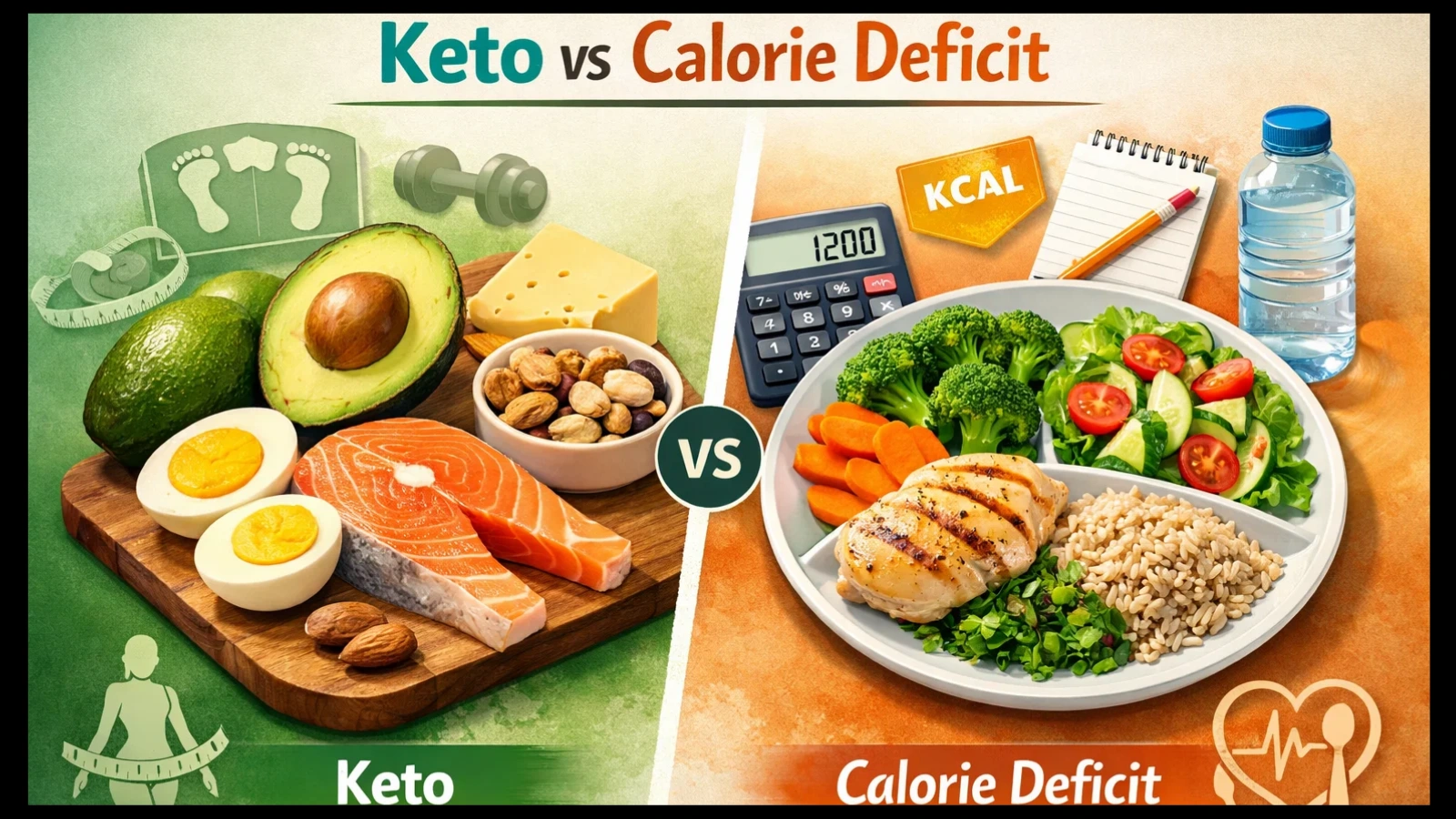
Early weight loss on keto often appears dramatic. This is primarily due to a reduction in glycogen stores, which causes the body to release water along with stored carbohydrates. Many people notice several kilograms lost in the first week or two, but much of this is water weight rather than fat.
When comparing keto vs calorie deficit, studies show that over the long term, fat loss tends to even out as long as total calories remain controlled. While keto may help some people feel fuller and naturally reduce calorie intake, the underlying factor for sustainable weight loss is still maintaining a consistent calorie deficit.
Short-term speed can be motivating, but it does not guarantee long-term success. Rapid loss without sustainable habits often leads to regaining weight once regular eating resumes.
Consistency, adherence, and sustainable lifestyle choices ultimately determine outcomes. Combining structured tracking, mindful eating, and regular physical activity ensures lasting results regardless of whether you follow keto or a calorie deficit approach.
Low Carb Vs Calorie Counting: Which Approach Is Easier To Follow?
The debate between low carb vs calorie counting often comes down to personal preference and lifestyle. Low-carb plans simplify choices by removing entire food categories like bread, pasta, and sugary snacks, which can make decision-making quicker and reduce temptation.
Calorie counting, on the other hand, does not restrict food groups but requires awareness of portion sizes and careful tracking. It offers more flexibility, allowing you to enjoy a wider variety of foods while still maintaining control over total energy intake.
When evaluating keto vs calorie deficit, consider the following:
- Decision-making simplicity – Low-carb plans reduce daily food choices, which can make sticking to the diet easier for some people.
- Flexibility – Calorie counting allows you to include diverse foods while managing overall intake.
- Sustainability – Adherence matters more than rules; choose the approach you can follow consistently.
- Personal preference – Your personality, habits, and lifestyle determine which method will be easier to maintain long-term.
Ultimately, psychology and consistency matter more than diet labels. Choosing an approach you can consistently follow is the key to long-term success.
Can You Combine Keto And A Calorie Deficit?
Interestingly, keto vs calorie deficit does not have to be a competition.
Keto only leads to fat loss when calories drop below maintenance. Therefore, keto works because it creates a calorie deficit consciously or unconsciously.
Some people combine both approaches:
- Low carb intake
- Structured calorie tracking
- Protein prioritization
This hybrid strategy increases clarity and accountability.
Why Tracking Matters In Keto vs Calorie Deficit?
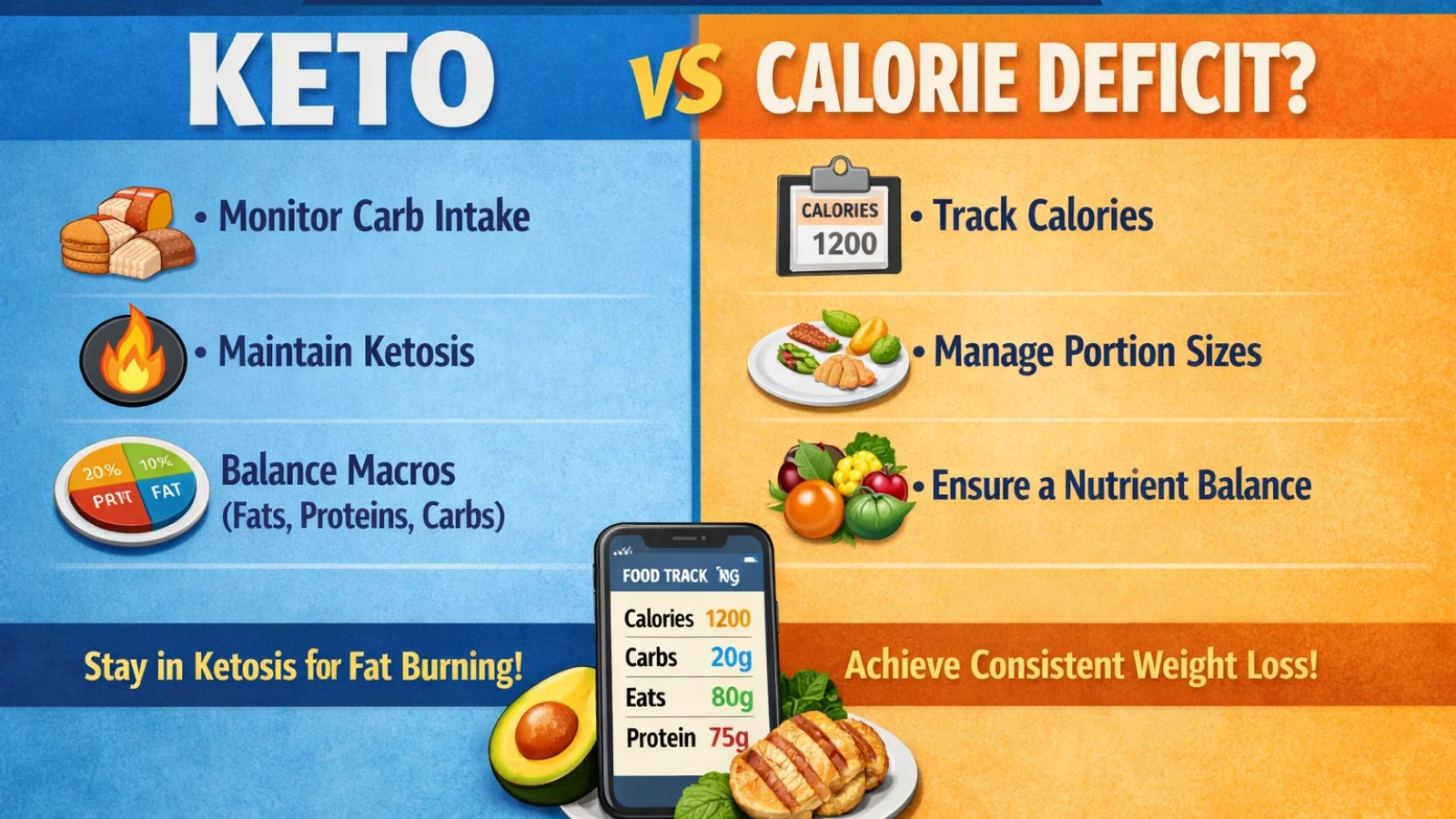
No matter which side of keto vs calorie deficit you choose, monitoring intake improves results.
Many individuals underestimate calorie consumption, especially with high-fat foods. Keto-friendly foods like nuts, oils, and cheese contain dense calories.
This is where digital tracking becomes powerful.
Instead of guessing whether you are truly in a deficit, tools like Calorie Tracker Buddy help you track fit meals instantly and accurately.
Whether you follow keto or a flexible approach, tracking intake ensures your strategy aligns with your goal. In the debate of keto vs calorie deficit, clarity eliminates confusion.
When you log your food, you remove assumptions and rely on measurable data.

How Calorie Tracker Buddy Strengthens Your Strategy?
Understanding keto vs calorie deficit becomes much easier when you can measure both intake and output.
Calorie Tracker Buddy bridges the gap between intention and execution.
Snap the Meal:
You simply point your camera at your plate and tap once. The system scans your meal and estimates calories, nutrients, and balance instantly.
If you follow keto, you can verify carb intake. If you focus on calorie deficit, you confirm energy totals.
This feature makes managing keto vs calorie deficit practical rather than theoretical.
Calorie Burn Tracker:
Fat loss depends on intake and expenditure. The burn tracker counts movement from workouts to daily activities.
Understanding your energy output strengthens your calorie deficit plan.
Calorie Intake Tracker:
Log meals and receive instant feedback on how they align with your daily target.
Instead of manually calculating macros, you see real-time impact.
Goal Predictions:
Wondering how close you are to your target? Goal Predictions forecast progress based on your current habits.
This helps you adjust quickly without waiting weeks for results.
Buddy Motivation:
Healthy habits require daily encouragement. Your virtual buddy grows with every positive choice.
Motivation becomes consistent, not occasional.
Social Sharing:
Post meals, share streaks, and celebrate milestones.
Community accountability strengthens commitment.
Let’s do this. Buddy’s waiting.

Who Should Choose Keto?
Keto may suit individuals who:
- Prefer strict food rules
- Experience strong appetite on higher carbs
- Enjoy high-fat meals
However, sustainability remains essential in keto vs calorie deficit decisions.
Who Should Choose a Calorie Deficit Approach?
A calorie-focused method works well for individuals who:
- Want dietary flexibility
- Enjoy balanced meals
- Prefer data-driven planning
When analyzing keto vs calorie deficit, flexibility often increases long-term adherence.
What Are the Common Mistakes in Keto vs Calorie Deficit?
People often make errors such as:
- Ignoring calorie density in keto foods – High-fat items like nuts, cheese, and oils can add significant calories even if carbs are low.
- Underestimating portion sizes – Eating slightly more than planned can prevent a calorie deficit and slow fat loss.
- Relying on guesswork instead of tracking – Without accurate monitoring, it’s hard to know if you’re truly in a deficit or hitting your macronutrient goals.
- Expecting rapid results without consistency – Short-term gains can be misleading; sustainable progress requires steady effort and adherence.
Being aware of these mistakes allows you to plan more effectively. Using tools like Calorie Tracker Buddy can help track intake, monitor macros, and stay accountable, reducing these common pitfalls and improving results over time.
Final Thoughts
The discussion around keto vs calorie deficit often becomes emotional, but it does not need to be.
Keto can work. Calorie deficit can work. Both succeed when they create consistent energy imbalance.
The better question is not which method sounds impressive. The better question is which method you can maintain for months and years.
When paired with smart tracking tools like Calorie Tracker Buddy, either strategy becomes clearer and more sustainable.
Choose sustainability over hype. Choose data over guesswork. And build habits that last.
FAQs
Can I combine keto and a calorie deficit safely?
Yes, you can combine them by tracking calories while following a low-carb approach. The key is to ensure you still meet your nutrient needs and avoid extreme restriction.
Will I lose more weight on keto than a calorie deficit?
Initial weight loss may appear faster on keto due to water loss, but long-term fat loss depends on total calorie deficit rather than carb restriction alone.
Is keto suitable for everyone?
Keto is not ideal for everyone. People with certain medical conditions, such as liver or pancreatic issues, or those who struggle with restrictive diets, should consult a healthcare professional before starting.
How do I track my progress effectively?
Tracking meals, macros, and activity with tools like Calorie Tracker Buddy ensures you stay aligned with your goals and avoid common mistakes in both keto and calorie deficit plans.
Do I need to cut carbs completely to lose weight?
No, you do not need to eliminate carbs. Weight loss occurs when you maintain a calorie deficit, regardless of macronutrient composition. Moderate carb intake can still support fat loss and energy levels.