


Losing weight often sounds simple on paper: eat less, move more, and the results should follow. But once you actually start, the biggest confusion begins: How should you track your food? Should you follow a structured program like Weight Watchers that uses a points system, or should you stick to traditional calorie counting and track your macros?
Both methods are built around the same core principle, creating a calorie deficit for weight loss. But the way they approach it is very different. Weight Watchers simplifies tracking by assigning points to foods, making it feel less technical and more lifestyle-friendly. On the other hand, calorie focuses on tracking the exact number of calories you eat, along with macronutrients like protein, carbs, and fats, giving you more precision and control.
For some people, the simplicity of points makes weight loss easier to follow. For others, tracking actual calories and macros provides better accuracy and faster results. The right choice often depends on your goals, personality, budget, and how much time you’re willing to spend tracking your food.
In this guide, we’ll break down Weight Watchers (Points) vs. Calorie Counting (Macros) in a clear, practical way. You’ll learn how each method works, which is better for weight loss, the cost differences, app tracking options, and which approach is more sustainable long term, so you can decide what truly fits your lifestyle.
Audio version available:
What Is Calorie Counting?
Calorie is one of the most common and straightforward methods used for weight loss. In simple terms, it means tracking how many calories you eat and drink each day to make sure you stay within a target range. Every food contains calories, which are units of energy your body uses to function, from breathing and digestion to walking and exercising.
When you consume more calories than your body needs, the extra energy gets stored as fat. But when you eat fewer calories than your body burns, it creates a calorie deficit. This deficit is what leads to weight loss over time. That’s why calorie counting for weight loss focuses on finding the right balance, eating enough to stay healthy while still maintaining a deficit.
The process usually starts by calculating your maintenance calories, the number of calories your body needs to maintain its current weight. From there, you reduce a certain amount (commonly 300–500 calories per day) to support gradual, sustainable weight loss.
Many people also combine calories with macro tracking. This means monitoring protein, carbohydrates, and fats along with total calories. While calories determine weight loss, macros help shape body composition, energy levels, and satiety.
Today, tracking calories has become much easier thanks to calorie-counting apps. These apps let you log meals, scan barcodes, track nutrients, and monitor progress, making the process faster and more accurate, even for beginners.
What Is The Weight Watchers Points System?
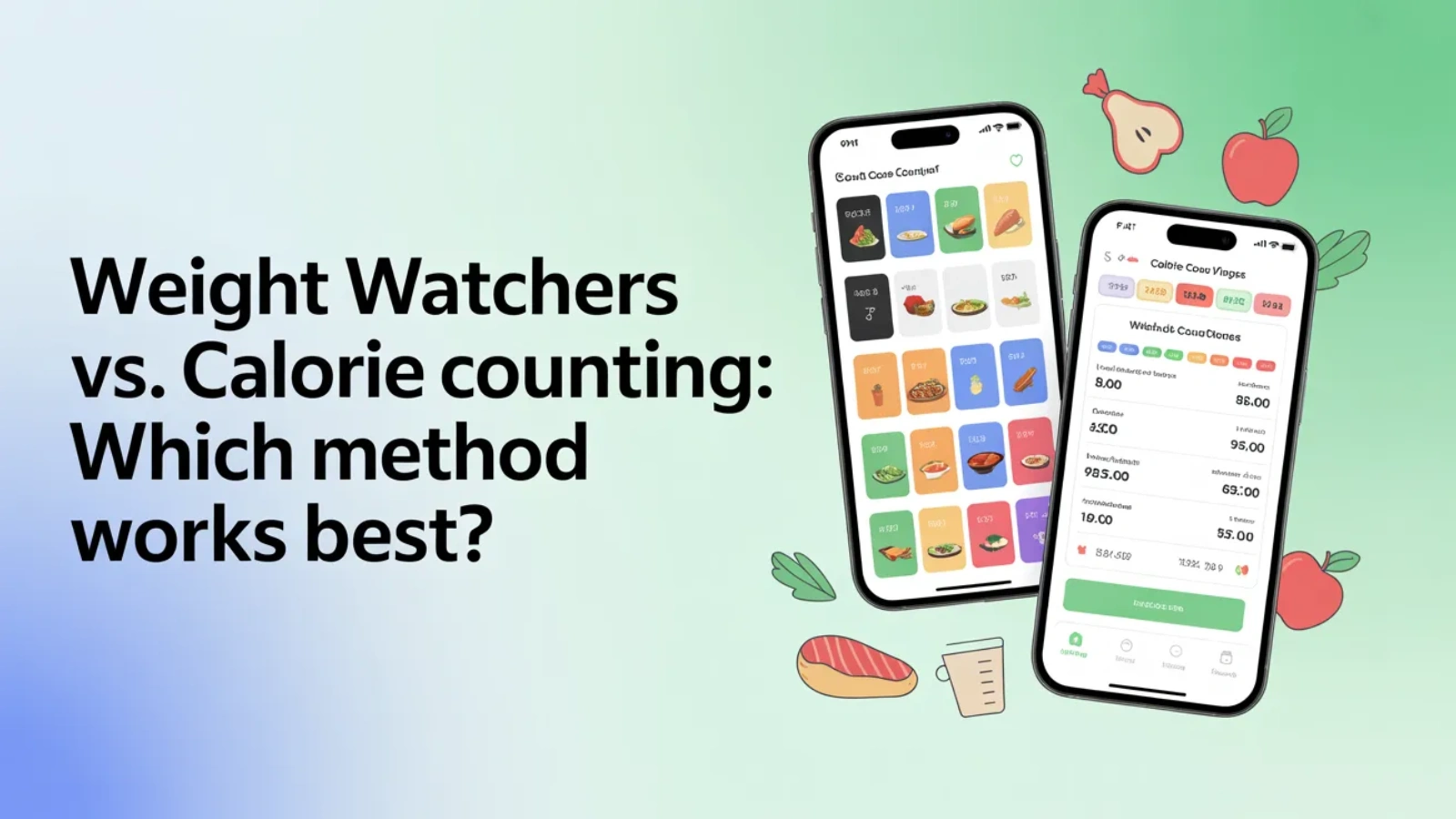
The Weight Watchers points system is a structured weight loss approach that simplifies food tracking by converting calories and nutrients into a single points value. Instead of counting calories directly, you track daily points based on your personalized allowance. This makes the process feel less technical and easier to manage for many people.
Each food is assigned a points score calculated from its calories, protein, sugar, saturated fat, and fiber content. Foods higher in protein and fiber usually have lower points because they keep you fuller for longer, while foods high in sugar and saturated fat tend to have higher points. This system is designed to guide people toward more nutritious choices without requiring detailed nutrition tracking.
One unique feature of Weight Watchers is the ZeroPoint foods list. These are foods you can eat without tracking points, such as fruits, vegetables, lean proteins, and some whole grains (depending on the plan). The idea is to encourage healthier eating habits while reducing the stress of logging every single bite.
Weight Watchers also goes beyond food tracking. The program includes behavioral coaching, community support, habit-building tools, and a dedicated app that helps members log meals, track progress, and stay accountable. This lifestyle-focused approach is what makes it appealing to beginners or those who prefer guidance rather than detailed number tracking.
In short, while calorie focuses on precision, the Weight Watchers points system focuses on simplicity, structure, and long-term weight loss habits.
Recommended for you:
NEAT (Non-Exercise Activity Thermogenesis): The Secret Fat Burner
How To Break A Weight Loss Plateau Without Starving Yourself
Calorie Counting vs. Weight Watchers: Core Difference
While both calorie counting and Weight Watchers aim to support weight loss, the way they track food and create a calorie deficit is quite different. Understanding these core differences can help you decide which method fits your lifestyle better.
Calorie is based on tracking the exact number of calories you consume each day. You log everything you eat and drink and compare it to your daily calorie target. This method gives you full control and precision. You know exactly how much energy you’re consuming, and you can adjust your calorie intake depending on your weight loss goals, activity level, or body composition targets.
Weight Watchers, on the other hand, simplifies this process by converting calories and nutrients into points. Instead of tracking numbers like 1,850 calories or 120 grams of protein, you track a daily points budget. This makes food logging feel less overwhelming, especially for beginners or people who don’t want to focus on detailed nutrition data.
Another key difference is food flexibility and accuracy. With calorie counting, no food is off-limits as long as you stay within your calorie range. However, it requires portion measuring and consistent logging. Weight Watchers encourages healthier food choices through its points formula and ZeroPoint foods list, but it may be less precise since points are an estimated conversion rather than exact calorie values.
The learning curve also varies. Calorie counting can feel technical at first because you need to understand calories, portions, and sometimes macros. Weight Watchers is generally easier to start since the system is pre-structured; you simply follow your points allowance.
Which Is Better For Weight Loss Results?
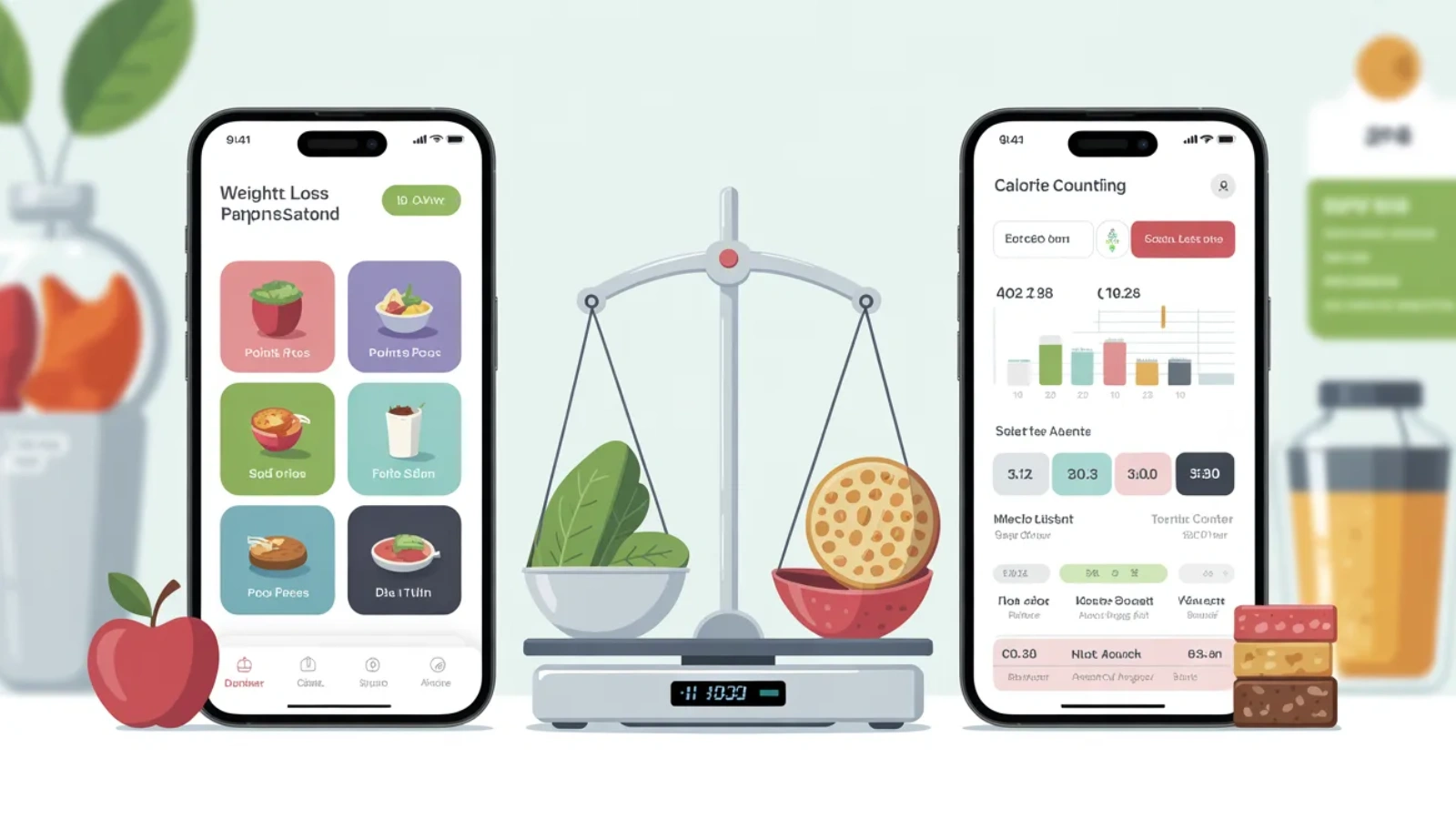
When it comes to weight loss results, both calorie counting and Weight Watchers can be effective because they are built on the same foundation, creating a calorie deficit. If you consistently eat fewer calories than your body burns, you will lose weight regardless of the method you choose. However, the speed, accuracy, and type of results you get can differ between the two.
Calorie often leads to more precise weight loss because you are tracking the exact number of calories you consume. This accuracy makes it easier to adjust your intake if progress slows down. It also allows you to manage macronutrients like protein, which plays an important role in preserving muscle while losing fat. For people focused on body composition, not just the number on the scale, calorie and macro tracking usually provide better control.
Weight Watchers, on the other hand, focuses more on overall lifestyle change and habit building. Many people find it easier to stick to because the points system feels less restrictive and less technical. The inclusion of ZeroPoint foods can help reduce hunger and make the plan feel more sustainable long-term. However, since points are an estimate rather than an exact calorie measurement, progress may feel slower or less predictable for some individuals.
Sustainability is another important factor. A method only works if you can follow it consistently. Some people prefer the structure and community support of Weight Watchers, while others prefer the flexibility and independence of calorie counting.

Cost Comparison: WW vs. Calorie Counting
One of the biggest practical differences between these two methods is cost. Calorie counting can be done completely free. You can track your intake using notebooks, spreadsheets, or free mobile apps. Even premium calorie-tracking apps are usually low-cost compared to structured diet programs.
Weight Watchers, however, requires a paid membership. The cost can vary depending on the plan you choose, such as digital-only access, coaching support, or workshops. While many people find value in the guidance and accountability, the monthly expense can add up over time. For someone on a budget, Calorie is usually the more accessible option.
Calorie Counting Too
A calorie-counting tool makes weight loss tracking faster, simpler, and more accurate. Instead of manually calculating calories for every meal, the tool helps you log food, monitor intake, and stay within your daily target. It removes guesswork and gives you a clear picture of how your eating habits affect your progress.
Key Features
- Daily Calorie Target
The tool calculates your personalized calories for weight loss based on your age, weight, height, and activity level.
- Food Logging
Easily log meals and snacks to track your total calorie intake throughout the day.
- Macro Breakdown
See how much protein, carbs, and fats you’re consuming alongside calories.
- Barcode Scanner
Quickly add packaged foods by scanning labels instead of manual entry.
- Progress Tracking
Monitor weight changes, calorie trends, and consistency over time.
- Meal Insights
Understand which foods keep you full and which ones consume more of your calorie budget.
Using a calorie-counting app or tool makes calorie counting for weight loss more practical, especially for beginners trying to stay consistent.
Ease of Use: Which Is Simpler to Follow?
Ease of use often determines whether someone sticks to a plan. Calorie counting requires measuring portions, logging ingredients, and checking nutrition labels. This can feel time-consuming at the beginning, especially when cooking homemade meals or dining out.
Weight Watchers simplifies daily tracking because you only log points instead of full nutrition data. The system is designed to reduce decision fatigue. Many users find it easier to follow in social situations, restaurants, or travel settings because they don’t need exact calorie numbers. However, simplicity sometimes comes at the cost of precision.
Hunger, Satiety & Diet Adherence
Managing hunger is crucial for long-term weight loss. Calorie does not automatically guide food quality; someone could technically eat low-volume, high-calorie foods and feel hungry despite staying within their calorie limit.
Weight Watchers addresses this by assigning lower points to high-protein, high-fiber foods that promote fullness. The ZeroPoint food list also allows people to eat certain foods freely, which can psychologically reduce restriction. This structure can make adherence easier for individuals who struggle with hunger while dieting.
Nutrition Quality: Do Macros Matter More Than Points?
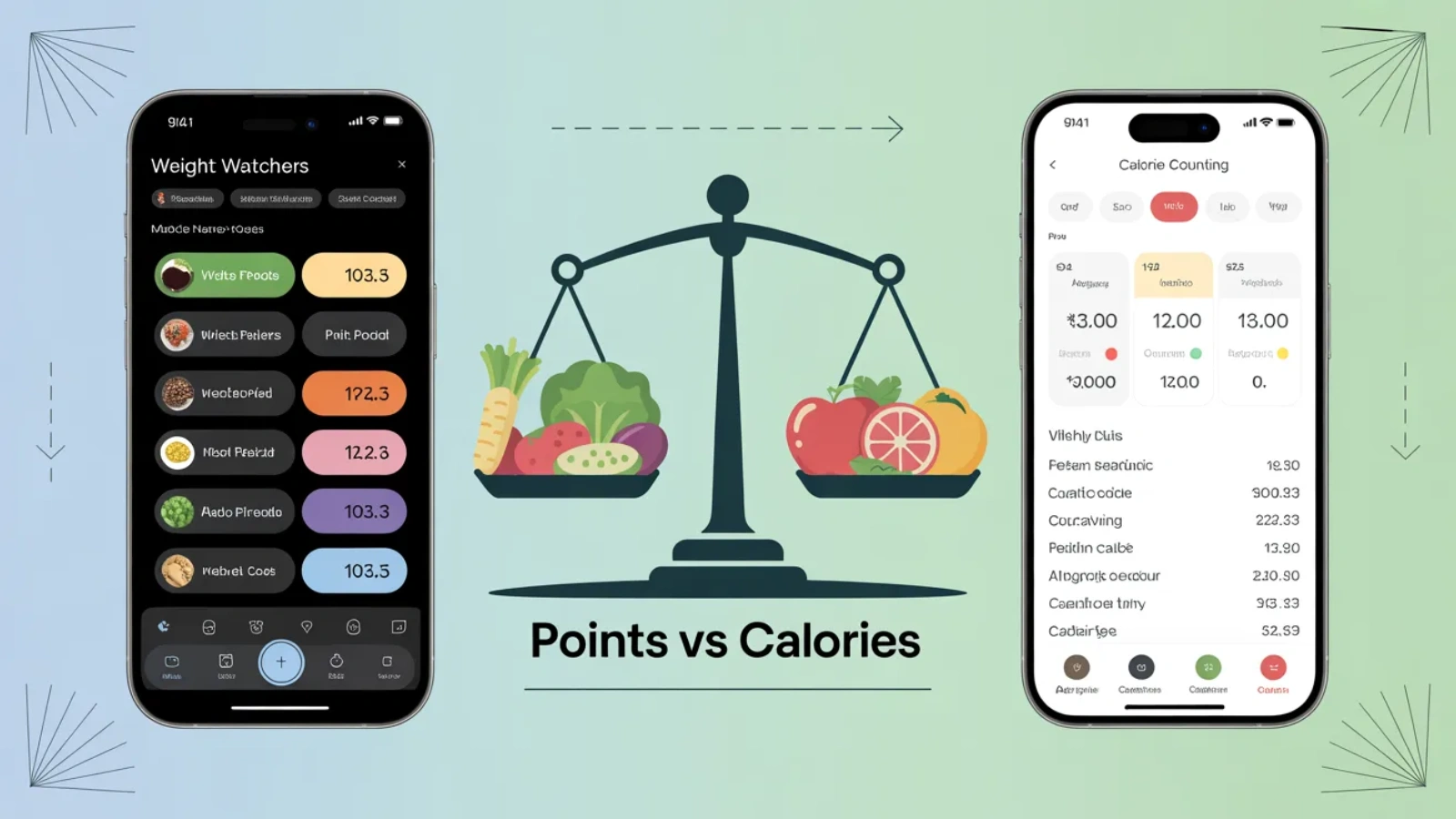
While both systems can lead to weight loss, nutrition quality can differ. Calorie counting combined with macro tracking allows you to optimize protein intake, balance carbs and fats, and support muscle retention. This approach is often preferred by fitness-focused individuals.
The points system indirectly promotes healthier eating, but does not always show macro breakdowns. Someone may stay within points yet still have suboptimal protein intake. For people focused on strength, performance, or body recomposition, macro-based calorie usually provides more control.
Real-Life Example: Same Diet Tracked Two Ways
To understand the difference practically, imagine eating grilled chicken, rice, vegetables, yogurt, and snacks in a day. With calorie counting, you would log each item’s weight, calories, and macros to reach your daily target.
With Weight Watchers, the same meals would be converted into points. Some foods, like lean protein or vegetables, might count as zero or very low points, while processed snacks would cost more points. The total daily score determines whether you stayed within your plan. Both methods track intake, just through different measurement systems.
Pros and Cons of Calorie Counting
Calorie offers precision and flexibility. You can eat any food as long as it fits your calorie target, making it adaptable to different diets and cultures. It also helps users understand nutrition labels and portion sizes more deeply.
However, it requires consistency and effort. Logging every meal can feel repetitive, and some people may develop obsessive tracking habits. Without guidance on food quality, beginners may also struggle with hunger or poor macro balance.
Pros and Cons of Weight Watchers
Weight Watchers stands out for its structured approach. The points system simplifies decisions, and coaching or community features provide accountability. Many users appreciate the lifestyle focus rather than strict number tracking.
The downsides include ongoing cost and less tracking precision. Since points are calculated formulas rather than exact calories, fine-tuning intake for faster progress can be harder. It may also feel restrictive for people who want full dietary flexibility.
Who Should Choose Calorie Counting?
Calorie counting works best for individuals who like data and control. It suits people with specific physique goals, such as fat loss while maintaining muscle. It’s also ideal for those who prefer flexible dieting without labeled “good” or “bad” foods.
Budget-conscious users often prefer this method because it can be done without subscriptions. Over time, many people also develop stronger nutrition awareness through calorie tracking.

Who Should Choose Weight Watchers?
Weight Watchers is often better suited for beginners or those who feel overwhelmed by numbers. The structured system, food guidance, and support network make it easier to build consistent habits.
It can also benefit individuals who value accountability, coaching, or community motivation. For people focused on gradual lifestyle change rather than detailed nutrition tracking, the points system can feel more manageable.
Can You Combine Weight Watchers and Calorie Counting?
Some people use a hybrid approach. They follow Weight Watchers for structure but occasionally check calories or macros to ensure adequate protein intake or maintain a deficit.
Others transition from WW to calorie counting after learning portion control and food habits. Combining methods can work, but it requires extra tracking effort and may not be necessary for most users.
Best Calorie Counting Apps for Weight Loss
Modern calorie-counting apps simplify the entire tracking process. Many include large food databases, barcode scanners, restaurant meal entries, macro breakdowns, and progress charts.
Some apps also integrate with fitness trackers and smartwatches to adjust calorie targets based on activity levels. This tech-driven approach makes calorie intake more efficient and personalized than ever before.
Expert Verdict: Which Method Works Best?
There is no universal winner because success depends on consistency. Calorie counting provides precision, flexibility, and detailed nutrition insights. Weight Watchers provides structure, simplicity, and behavioral support.
People who enjoy tracking data and optimizing nutrition often see better control with calorie counting. Those who prefer guided systems and community accountability may achieve better adherence with Weight Watchers.
Conclusion
Both methods can support weight loss if they help you stay in a calorie deficit consistently. Calorie counting gives you more accuracy, flexibility, and deeper control over your daily intake, especially if you focus on macros and body composition. Weight Watchers, on the other hand, makes tracking simpler through its points system and built-in guidance.
If you prefer data, numbers, and app tracking, calorie for weight loss may feel more effective. If you want structure without detailed logging, the points approach can be easier to follow. The best choice is the one you can stick to long term, because consistency matters more than the method itself.
FAQ: Weight Watchers vs. Calorie Counting
Is calorie counting more accurate than Weight Watchers points?
Yes, calorie is generally more accurate because it tracks the exact energy value of food. The points system is a calculated estimate based on nutritional factors, so it may not reflect precise calorie intake, especially for processed or mixed meals.
How many calories should I cut for safe weight loss?
A safe starting point is reducing 300–500 calories per day from your maintenance level. This usually supports steady fat loss vs weight loss without extreme hunger or energy loss. The exact number depends on age, activity level, and metabolism.
Do you need to track macros when calorie counting?
No, macro tracking is optional. You can lose weight by focusing only on calories. However, tracking protein, carbs, and fats can improve energy levels, muscle retention, and overall nutrition quality during weight loss.
Are calorie-counting apps accurate?
Most calorie-counting apps are fairly accurate if you log food portions correctly. Errors usually happen from incorrect serving sizes, unlogged snacks, or restaurant meals without verified nutrition data.