


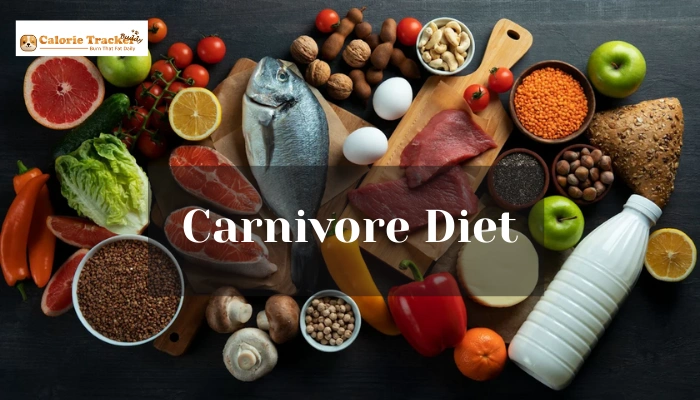
The carnivore diet has sparked curiosity for its all-meat approach and promise of rapid weight loss. By focusing solely on animal-based foods such as beef, chicken, fish, eggs, and limited dairy, this diet simplifies eating and may reduce cravings for carbs and sweets. Advocates report increased energy, improved satiety, and straightforward meal planning. However, critics caution against nutrient deficiencies, digestive issues, and potential long-term health risks, including impacts on heart and kidney function. From a calorie perspective, the carnivore diet can naturally reduce intake due to high protein and fat content, but overeating calorie-dense meats can offset results.
Comparing the carnivore diet to keto diet principles, weight loss balanced diet strategies, and healthy diet and weight loss approaches reveals its limitations and potential benefits. Understanding the science, nutrient requirements, and calorie considerations helps you make informed choices and adopt safe strategies for sustainable weight management.
🎧 Listen to the blog:
What Is The Carnivore Diet?
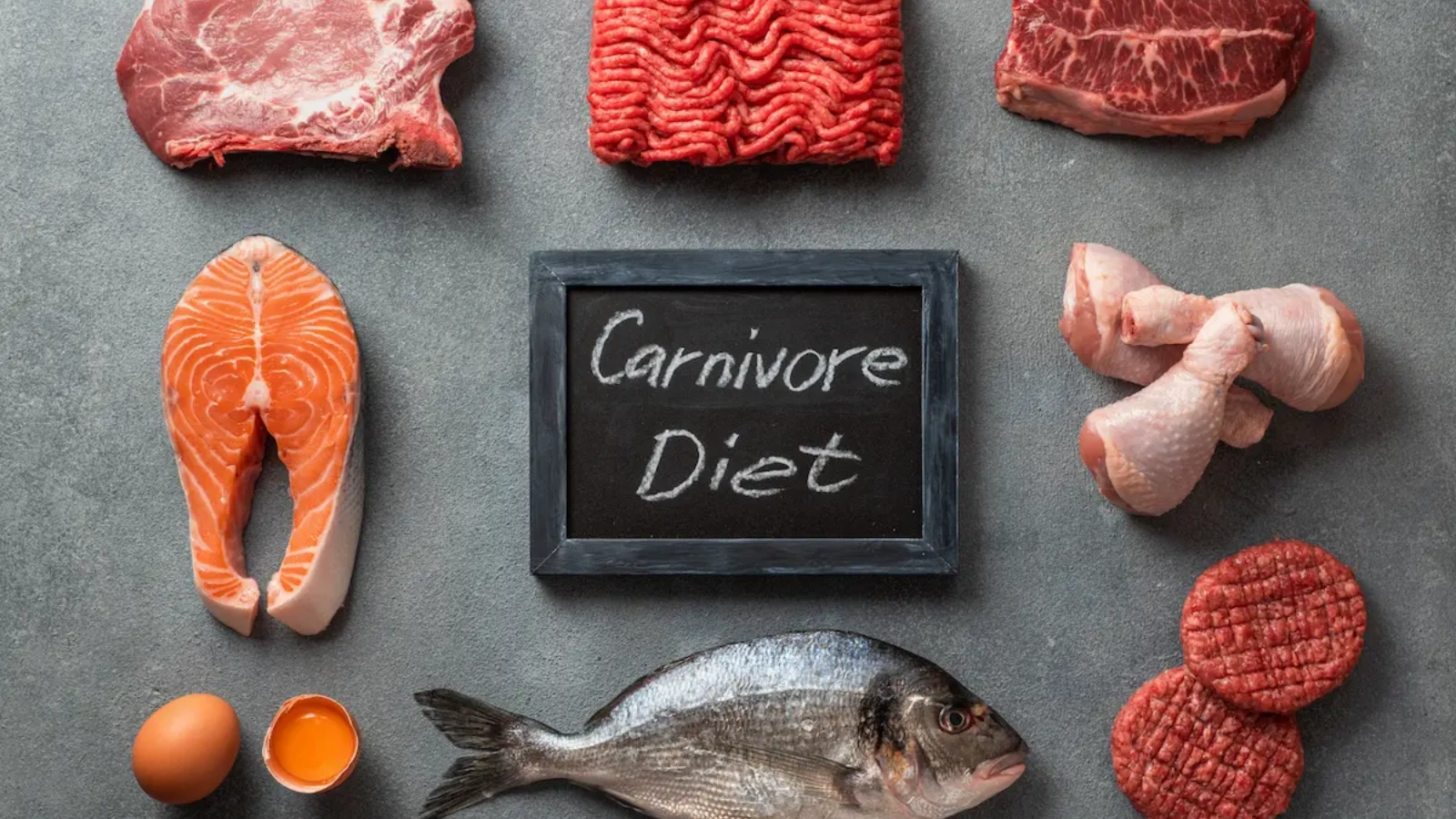
The carnivore diet focuses entirely on animal-based foods. Followers eliminate vegetables, fruits, legumes, and grains. Typical meals include beef, chicken, fish, eggs, and occasional dairy. Some incorporate organ meats for additional nutrients. People choose the carnivore diet for simplicity, high protein intake, and potential fat loss benefits. While it can reduce calorie intake naturally, it limits essential vitamins, minerals, and fiber.
Typical Foods Included
Common carnivore diet foods include:
- Red meat such as beef and lamb
- Poultry like chicken and turkey
- Fish, especially fatty types like salmon
- Eggs and cheese for added protein
- Optional animal fats such as butter or tallow
These foods are calorie-dense and high in protein, which helps with satiety. However, a strict carnivore diet excludes plant foods, raising questions about nutrient balance.

Weight Loss And Healthy Eating: Can Carnivore Help?
High protein intake in a carnivore diet reduces hunger and can lower total calorie consumption. Many notice short-term weight loss due to a natural calorie deficit. A weight-loss balanced diet provides more variety and long-term sustainability. While the carnivore diet can help reduce carbs and trigger fat loss, it may not support healthy diet and weight loss goals over months or years.
Understanding Calorie Deficit On A Carnivore Diet
Weight loss depends on calories consumed versus calories burned. Even on a carnivore diet, overeating high-fat meats can offset benefits. A structured calorie deficit aligns with weight loss balanced diet principles. Tracking intake ensures meals support your energy needs without excess.
Energy expenditure includes basal metabolism, physical activity, and thermogenesis. Calculating intake relative to these factors helps avoid weight gain while following the carnivore diet.
Health Implications Of A Meat-Only Diet
Following a carnivore diet comes with several potential health concerns due to its restrictive nature:
- Nutrient Deficiencies: Meat-only diets lack fiber and several essential vitamins and minerals. Common gaps include vitamin C, magnesium, potassium, and folate, which are crucial for immune function, bone health, and energy metabolism.
- Heart Health Risks: Consuming large amounts of red meat and saturated fat may increase cholesterol and LDL levels, potentially raising the risk of cardiovascular issues over time.
- Kidney Strain: High protein intake increases the kidney’s workload, which can be a concern for individuals with pre-existing kidney conditions. Staying hydrated is essential to reduce strain.
- Digestive Challenges: The absence of fiber can lead to constipation or irregular bowel movements, impacting gut health and overall well-being.
- Long-Term Sustainability: A strict meat-only approach may be difficult to maintain, leading to potential imbalances in weight loss and healthy eating habits.
In short, while the carnivore diet may offer short-term benefits like weight loss, its long-term effects on nutrient balance, heart, kidney, and digestive health require careful monitoring.
Read more:
Keto Diet vs Carnivore Diet: Key Differences
Understanding the differences helps you choose the right approach:
Carb Reduction: Both diets limit carbohydrates, but keto allows some vegetables, nuts, and dairy, while the carnivore diet removes them completely and focuses only on animal-based foods.
Fiber & Nutrients: Keto provides fiber and essential vitamins; the carnivore diet risks micronutrient deficiencies.
Macronutrient Balance: Keto balances protein, fats, and carbs for easier calorie tracking; the carnivore diet focuses only on protein and fats.
Digestive Health: Keto supports gut health through fiber; the carnivore diet may cause constipation or digestive discomfort.
Sustainability: Keto is generally easier to follow long-term due to variety; carnivore may challenge adherence and nutrient sufficiency.
Choosing between these diets depends on your goals, health, and ability to maintain a weight loss diet practice.
Benefits People Report On Carnivore Diet
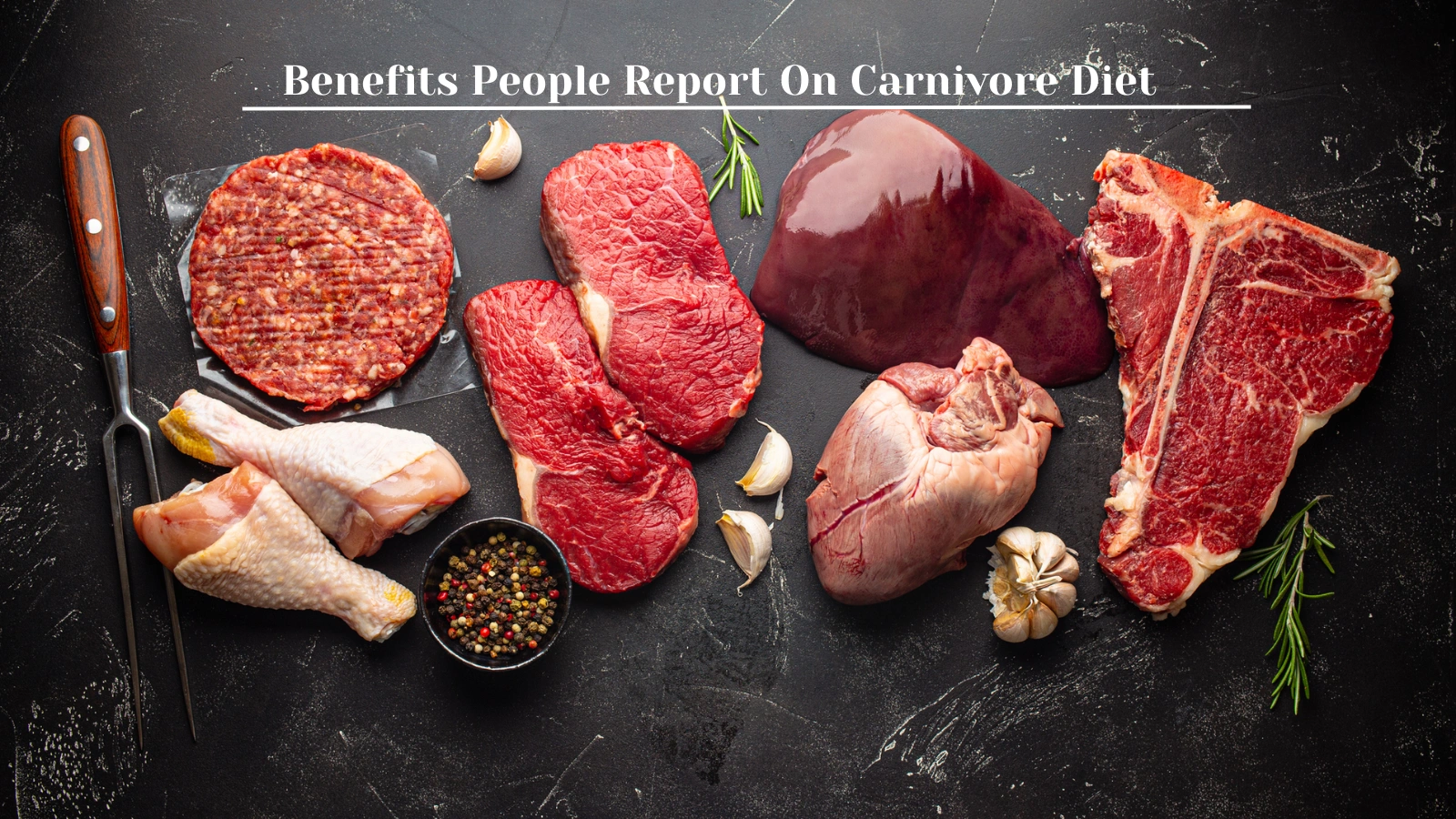
Many who follow a carnivore diet notice several positive effects:
- Increased Satiety: High-protein meals keep hunger at bay and reduce snacking.
- Reduced Cravings: Limiting carbs and processed foods helps control sugar and junk-food urges.
- Simpler Meal Planning: Meat-focused meals are easy to prepare and track.
- Short-Term Weight Loss: Reduced calorie intake and carb restriction often lead to early fat loss.
- Improved Mental Clarity: Many report sharper focus and better energy throughout the day.
- Blood Sugar Stabilization: Protein-rich meals support a weight-loss balanced diet and steady energy levels.
These benefits make the carnivore diet appealing, though long-term adherence and nutrient tracking remain important.
Risks and Concerns
Digestive issues are common due to a lack of fiber. Micronutrient deficiencies may lead to fatigue, weak immunity, and long-term health risks. Sustainability is challenging because a carnivore diet limits social eating and variety. People may overconsume calorie-dense meats, leading to weight gain despite high protein.
Healthy Diet And Weight Loss Alternatives
For sustainable results, consider these healthy diet and weight loss options instead of a strict carnivore diet:
- Balanced Diet for Weight Loss: Combine lean protein foods, vegetables, and whole grains to control calories effectively.
- Keto Diet: Focuses on fat reduction while including nutrient-dense vegetables for vitamins and minerals.
- Varied Diet Approach: Rotating foods ensures all essential nutrients, reduces deficiencies, and supports weight loss and healthy eating.
- Calorie Control: Choosing diverse foods allows tracking energy intake without compromising nutrition.
- Sustainable Habits: Long-term adherence improves overall health and maintains results beyond short-term diets.
These alternatives provide a safer, more flexible path to weight management while supporting overall health.
How Calorie Tracker Buddy Helps You Monitor a Carnivore Diet?
Following a carnivore diet requires careful attention to calories, protein, and essential nutrients. Calorie Tracker Buddy acts as a structured companion, helping you stay on track with a weight-loss balanced diet. By logging meals, monitoring macronutrients, and highlighting nutrient gaps, the app ensures your meat-focused diet supports safe weight loss while minimizing health risks. Smart reminders and real-time insights make consistency simple, so you maintain your healthy diet and weight loss goals without guesswork.
Key Features:
- Track Daily Weight Loss Balanced Diet Goals: Log daily meals, track calories, protein, and fat to align with your weight loss objectives.
- Monitor Keto or High-Protein Meal Calories: Keep tabs on all high-protein meals, including keto options, alongside your carnivore diet intake.
- Identify Nutrient Gaps and Adjust Intake: Get alerts for missing vitamins or minerals, and adjust your meals or supplements accordingly.
- Set Reminders and Track Consistency: Use smart notifications to maintain consistent meal tracking and support long-term weight loss success.
Practical Tips For Safe Carnivore Diet Implementation
Following a carnivore diet can be effective, but safety and balance are key. Keep these tips in mind to protect your health and support weight loss, balanced diet goals:
- Control Portions: Even high-protein meats can add up. Keep servings moderate to prevent excess calorie intake.
- Add Nutrient Support: Include supplements or small servings of vegetables to cover essential vitamins and minerals.
- Stay Hydrated: High-protein diets increase water needs. Drink plenty of water to support digestion and kidney function.
- Monitor Health Markers: Regular blood tests help track cholesterol, kidney function, and overall well-being.
- Balance Calories: Track intake to ensure your weight loss balanced diet goals stay on track without overconsumption.
By following these practical tips, you can enjoy the benefits of a carnivore diet safely, reduce risks, and maintain a sustainable, healthy approach to weight loss and healthy eating.
Real Results People Notice
Following a carnivore diet can lead to noticeable changes. People often report the following results:
- Short-Term Weight Loss: Many experience rapid fat loss in the first few weeks.
- Reduced Appetite: High-protein meals increase satiety and curb unnecessary snacking.
- Energy Changes: Some feel higher energy and mental clarity, while others may notice temporary fatigue.
- Mood and Satiety Observations: Monitoring how you feel helps gauge the diet’s effectiveness.
- Sustainable Alternatives: A weight-loss balanced diet can provide similar benefits with long-term adherence and fewer nutrient risks.
Tracking these outcomes helps understand how the carnivore diet affects your body and whether it aligns with your weight loss and healthy eating goals.
Common Mistakes On The Carnivore Diet
Even on a carnivore diet, mistakes can reduce results and impact health. Avoid these common pitfalls:
- Overeating High-Calorie Meats: Portions can add up quickly, exceeding calorie goals and slowing weight loss.
- Ignoring Electrolyte Balance: Sodium, potassium, and magnesium are essential to prevent cramps and fatigue.
- Skipping Essential Nutrients: Meat-only diets may lack vitamins and fiber, leading to deficiencies over time.
- Neglecting Tracking: Without monitoring, hidden calories and nutrient gaps may go unnoticed, affecting progress.
Using tools like Calorie Tracker Buddy helps track meals, monitor nutrients, and stay consistent, ensuring a safe and effective carnivore diet.
Final Thoughts
The carnivore diet can lead to short-term weight loss and high satiety due to a protein focus. However, risks include nutrient deficiencies, digestive issues, and long-term sustainability challenges. Monitoring calories, integrating supplements, and using a weight loss balanced diet framework ensures safer results. Tools like Calorie Tracker Buddy help track intake, adjust meals, and maintain healthy diet and weight loss goals efficiently.
A carnivore diet works for some short-term goals, but a balanced diet for weight loss provides sustainable results, better health, and safer long-term weight management.