


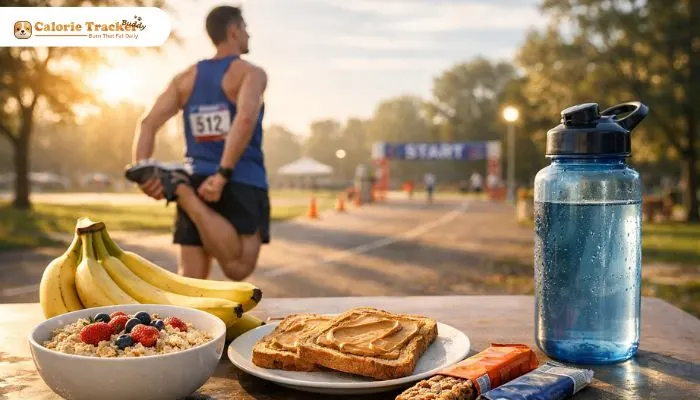
A 5K might be short, but it’s intense. Whether you’re racing for a personal best or running your very first event, your performance depends heavily on one thing: fuel. Knowing what to eat before a 5k can be the difference between feeling strong at the finish line and running out of energy halfway through.
Many runners overthink race-day meals. Some eat too much and feel heavy. Others eat too little and crash early. The goal isn’t to stuff yourself, it’s to give your body the right balance of carbohydrates, a little protein, and proper hydration at the right time.
If you’ve ever wondered what to eat before running, what to eat the night before a 5k, or what to eat before running a 5k on race morning, this guide breaks it down in a simple, practical way. No complicated science, just smart fueling strategies that help you run your best.
You can listen to this Podcast here.
Why Pre-Run Nutrition Matters
Understanding what to eat before a 5k starts with knowing how your body produces energy. A 5K may only last 20–40 minutes, but it relies heavily on glycogen, the stored form of carbohydrates in your muscles. If those stores are low, your pace, stamina, and focus can suffer.
When you fuel properly, your body has quick-access energy ready to go. That means stronger strides, better endurance, and less chance of hitting that sudden mid-race fatigue.
Skipping pre-run fuel or eating the wrong foods can lead to:
- Low energy
- Side stitches
- Stomach discomfort
- Slower recovery
Even though a 5K isn’t a marathon, it’s still intense enough to require preparation. The right fuel helps you feel light, powerful, and steady from the starting line to the final sprint.
What to Eat the Night Before a 5K
Planning what to eat before a 5k actually starts the evening prior. Your dinner helps top off glycogen stores so your body wakes up ready to perform.
If you’re wondering what to eat the night before a 5k, keep it simple: focus on carbohydrates, include moderate protein, and keep fats low to avoid digestive issues.
✅ What Your Plate Should Look Like
- Carbs (50–60%) – rice, pasta, potatoes, quinoa
- Lean protein – grilled chicken, tofu, eggs, fish
- Light vegetables – cooked, not heavy raw salads
- Hydration – water throughout the evening
🍽 Simple Dinner Ideas
- Grilled chicken with rice and steamed vegetables
- Pasta with marinara sauce and a side of roasted veggies
- Baked potato with beans and a small salad
- Stir-fried tofu with white rice
Avoid heavy cream sauces, fried food, excess cheese, or very spicy meals. Now is not the time to experiment with something new.
The goal isn’t to “carb load” excessively. For a 5K, you just need steady, balanced fuel, not a giant plate of pasta.
By planning, you make it much easier to decide what to eat before a 5k on race morning without stressing about energy levels.
What to Eat Before Running a 5K (Race Morning Guide)
Knowing what to eat before a 5k run on race morning is crucial. You want energy that’s quick to digest without feeling heavy in your stomach.
2–3 Hours Before the Race
Eat a small, balanced meal with easily digestible carbs and some protein:
- Oatmeal with a banana and a teaspoon of peanut butter
- Toast with almond butter and honey
- Yogurt with a few berries and a small handful of granola
Tips:
- Keep fiber intake moderate to avoid stomach discomfort
- Drink 200–300 ml of water, but don’t overdo it
30–60 Minutes Before the Race
If you need a light snack closer to start time, choose something very easy to digest:
- Half a banana
- A small energy gel or sports chew
- A few crackers
Avoid heavy proteins, fats, or large portions right before running.
With these strategies, your body has fast-acting fuel ready to go, helping you maintain pace and stamina throughout the 5K. Proper pre-run nutrition can make a noticeable difference in both comfort and performance.
Also Read,
What to Eat Before Running (General Guidelines)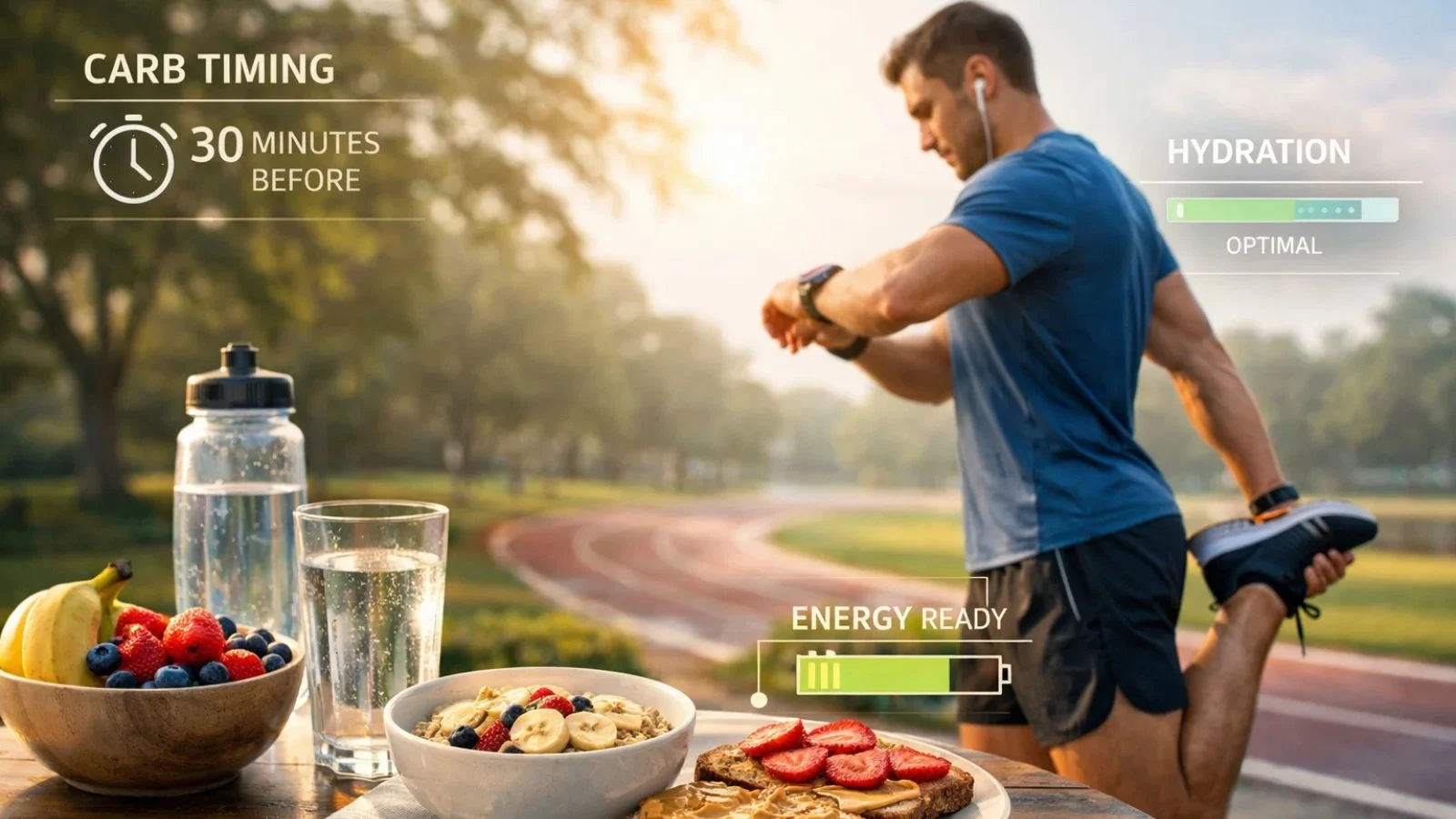
When planning what to eat before a 5k, it helps to understand general pre-run nutrition principles. Even if your race or training varies in timing, these guidelines keep energy levels steady and prevent stomach discomfort.
Fasted vs. Fueled Running
- Fasted running: Some runners prefer running on an empty stomach, usually for early morning short runs. Fine for experienced runners, but may reduce performance during a 5K if glycogen stores are low.
- Fueled running: Eating a light carb-based snack 30–120 minutes before your 5K helps maintain energy and focus.
Carbohydrate Timing
Carbs are the primary fuel for short, intense runs like a 5K. A small, easily digestible carb snack before running prevents energy crashes and supports speed.
Hydration Strategy
- Drink 200–300 ml of water 30–60 minutes before your run
- Avoid overhydration to prevent sloshing or discomfort
- Electrolytes are optional for very hot or humid conditions
Caffeine
A small cup of coffee or tea can improve alertness and performance for some runners. Avoid experimenting with caffeine for the first time on race day.
These general tips help answer what to eat before running beyond specific race meals, creating consistency and reducing surprises on the course.
Foods to Avoid Before a 5K
Even the right foods can backfire if chosen poorly. Knowing what not to eat before a 5K helps prevent stomach issues, sluggishness, or mid-run fatigue.
1. High-Fat Meals
Fried foods, heavy sauces, and fatty meats take longer to digest, leaving you feeling heavy and uncomfortable during your run.
2. Excess Fiber
While fiber is essential in your daily diet, too much before a 5K can cause bloating, cramping, or urgent bathroom trips. Avoid beans, large salads, or bran-heavy cereals race morning.
3. Dairy (If Sensitive)
Milk, cheese, or yogurt can trigger digestive issues for those with lactose sensitivity, especially under running stress.
4. New or Unfamiliar Foods
Race day is not the time to experiment. Stick to foods you’ve tried in training; your stomach will thank you.
By avoiding these foods, you’ll reduce the risk of discomfort and ensure your energy stays steady from start to finish.
Sample Pre-5K Meal Plans
Planning takes the stress out of race day. Here are practical examples of what to eat before a 5K, depending on your race time and preferences.
Early Morning Race (6–8 AM)
Night Before:
- Pasta with tomato sauce and grilled chicken
- Steamed vegetables
- Water or herbal tea
Race Morning (2–3 hours before):
- Half a banana with a teaspoon of peanut butter
- Small bowl of oatmeal with berries
- Water (200–300 ml)
Optional 30–60 min snack:
- Energy gel or a few crackers
Mid-Morning Race (9–11 AM)
Night Before:
- Quinoa or rice with baked salmon and vegetables
Race Morning:
- Toast with honey and a small amount of almond butter
- Yogurt with a few berries
- Water or diluted sports drink
Evening Race (5–7 PM)
Lunch (~3–4 hours before race):
- Lean protein with complex carbs (chicken with rice or pasta)
- Cooked vegetables
Snack (~1–2 hours before race):
- Banana or small granola bar
- Hydration as needed
Vegetarian Options
- Oatmeal with fruit and nuts
- Peanut butter toast with banana
- Rice with beans and lightly cooked veggies
Pre-planning ensures you never have to guess what to eat before a 5k and gives your body the fuel it needs to perform its best.
Using a Calorie Tracker to Optimize Performance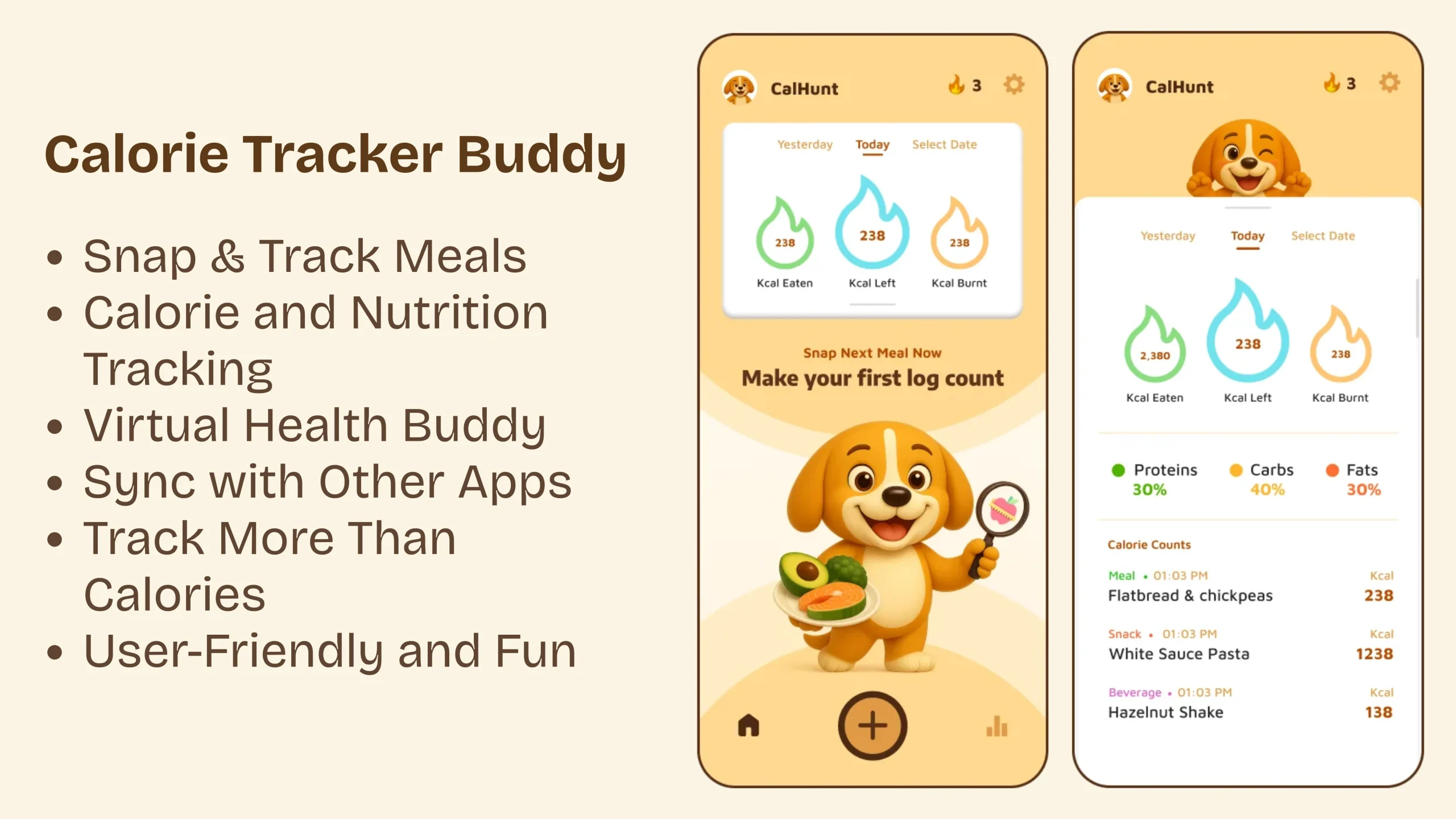
Fueling your run isn’t just about what you eat; it’s also about how much. Tracking your intake ensures your body has enough energy without feeling heavy, and it helps you fine-tune pre-run meals for peak performance.
This is where Calorie Tracker Buddy comes in.
Why Track Calories Before a 5K?
- Estimate your carbohydrate and protein intake
- Avoid underfueling or overeating
- Maintain consistent energy for race day
How It Helps
- Log meals and snacks before training or races
- Monitor hydration and macronutrients
- Plan race-day meals using past data
- Adjust portion sizes to your body’s needs
Benefits for Runners
Using a tool like Calorie Tracker Buddy helps you confidently answer what to eat before a 5k run. You’ll know exactly how much fuel you’re giving your body, preventing energy crashes and optimizing performance.
Smart tracking transforms guessing into strategy, giving you an edge, especially on race day.
Common Mistakes Runners Make
Even with the right knowledge, small errors can sabotage a 5K. Here’s what to avoid when planning what to eat before a 5k:
- Overeating
Eating too much too close to race time can cause bloating, cramping, or sluggishness. Stick to light, digestible portions that give energy without weighing you down.
2. Undereating
Running on empty leads to fatigue and poor performance. Even for a short 5K, skipping pre-run fuel can cause your muscles to burn out quickly.
3. Trying New Foods on Race Day
Your stomach may not tolerate unfamiliar foods, no matter how healthy. Stick to meals and snacks you’ve tested during training.
4. Ignoring Hydration
Dehydration, even mild, can affect pace and endurance. Plan your water intake before and during the run, especially in warm conditions.
5. Poor Timing
Eating too close or too far from the race start can reduce energy availability. Follow the 2–3 hours + 30–60 minutes snack guideline for optimal results.
Avoiding these common mistakes ensures that your pre-run nutrition actually supports performance instead of hindering it.
Conclusion
Proper nutrition can make a noticeable difference in your 5K performance. Knowing what to eat before a 5k ensures your body has the fuel it needs for energy, endurance, and focus, without the discomfort of overeating or underfueling.
From the night before to race morning, planning balanced meals and snacks helps top off glycogen stores, maintain hydration, and prepare your body for optimal performance. Using tools like Calorie Tracker Buddy can simplify this process by tracking calories, macronutrients, and hydration, taking the guesswork out of pre-run fueling.
With smart pre-run nutrition, you can run stronger, feel lighter, and cross the finish line with confidence. Proper planning isn’t just about food — it’s about setting yourself up to succeed.
Also read,
FAQ’s
1. What should I eat 2–3 hours before a 5K?
Choose easily digestible carbs with a little protein. Oatmeal with fruit, toast with almond butter, or yogurt with berries are ideal options.
2. Can I eat right before the race?
If needed, a small snack 30–60 minutes before running is fine, such as a banana, a few crackers, or an energy gel. Avoid heavy proteins, fats, or new foods.
3. How can I track my pre-run nutrition?
Using a tool like Calorie Tracker Buddy, you can log meals, monitor carb and protein intake, track hydration, and plan race-day meals for optimal performance.