


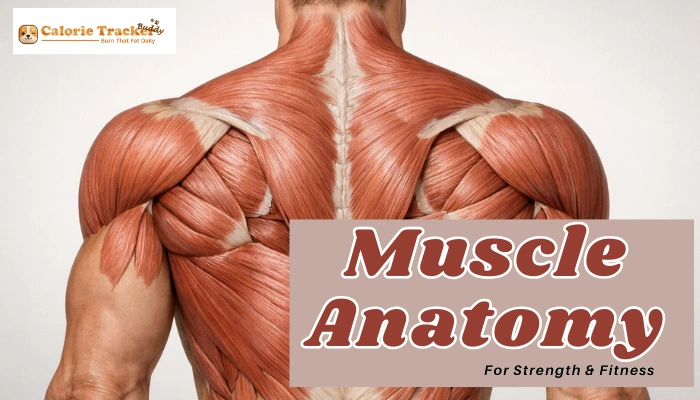
Muscles are remarkable structures in the human body, responsible not only for movement but also for stability, posture, and overall physical performance. Understanding muscle anatomy is essential for anyone interested in fitness, strength training, sports, healthcare, or physiology.
By learning what muscles do, where they are in the body, and how they work with bone and joint structures, you will be able to workout more efficiently, recover from injury quicker, and improve your ability to perform daily activities. Muscles use different mechanisms to produce power, balance, and stability.
For example, your leg muscles are used for running and jumping, and your shoulder muscles are used for lifting and rotating. Each muscle group has different functions to provide stability and strength to your body. When you know how muscles work, you can design effective workouts, target specific muscle groups, and know how muscles adapt with training and recovery.
With the information in this guide, you will learn about all of the main groups of muscles, their functions, and how all of the muscle groups work together, which will provide you with a foundation for improving your health and fitness and functional strength.
In a hurry? Listen to the blog instead!
What Is Muscle Anatomy?
It refers to the study of muscles, their structure, location, and function. Muscles are soft tissues composed of fibers capable of contracting and generating force. They work in tandem with bones, tendons, and ligaments to facilitate movement and maintain body posture.
Muscles are categorized into three main types:
- Skeletal Muscles: These are voluntary muscles attached to bones. They are responsible for body movements and are the most studied in muscle anatomy.
- Cardiac Muscles: Found only in the heart, these muscles work involuntarily to pump blood.
- Smooth Muscles: Located in organs and blood vessels, smooth muscles also function involuntarily.
Understanding the structure and function of muscles is vital for athletes, medical professionals, and anyone seeking better body awareness.
What Are The Major Muscle Groups In The Human Body?
The human body contains over 600 muscles. To simplify understanding, muscles are often grouped based on their location and function. The main categories include the back, legs, arms, chest, shoulders, and core.
Back Muscle Anatomy:
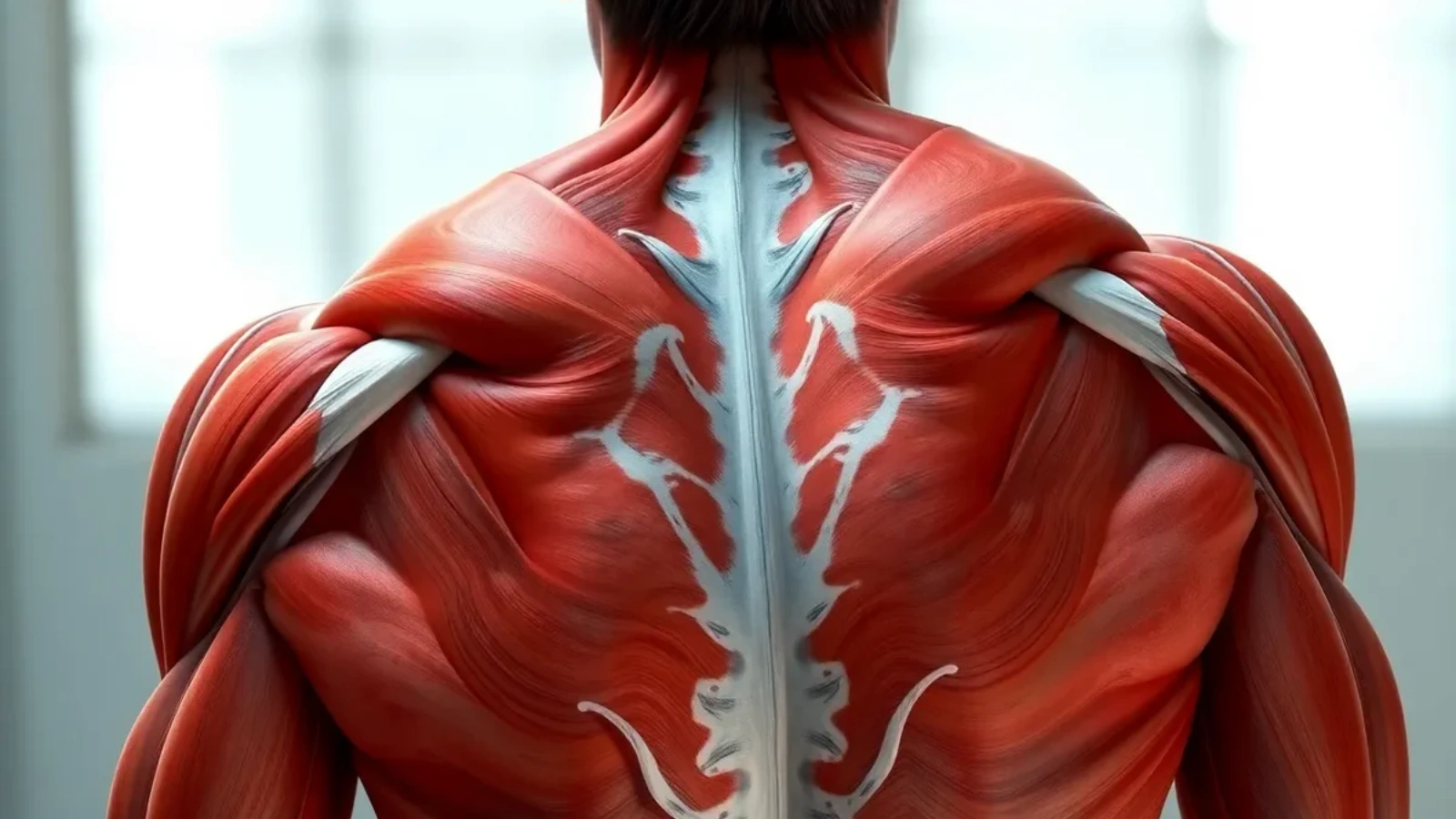
The muscles of the back are crucial for posture, spinal support, and movement. Key muscles include:
- Trapezius: Supports the neck and upper back.
- Latissimus Dorsi: Aids in shoulder movement and pulling actions.
- Rhomboids: Stabilize the shoulder blades.
- Erector Spinae: Supports the spine and assists in bending and twisting.
A proper understanding of the muscles in the back is essential for preventing injuries and designing effective workouts that improve strength and posture.
Leg Muscle Anatomy:
Leg muscles provide stability, mobility, and power for walking, running, and jumping. They are divided into anterior, posterior, and lateral compartments:
- Quadriceps: Front thigh muscles responsible for knee extension.
- Hamstrings: Back thigh muscles involved in knee flexion and hip extension.
- Gluteus Maximus: The largest buttock muscle, essential for hip movement.
- Calves (Gastrocnemius and Soleus): Enable ankle movement and jumping.
Exploring the muscles of the legs helps athletes optimize performance and reduce the risk of injury during sports or exercise routines.
Arm Muscle Anatomy:
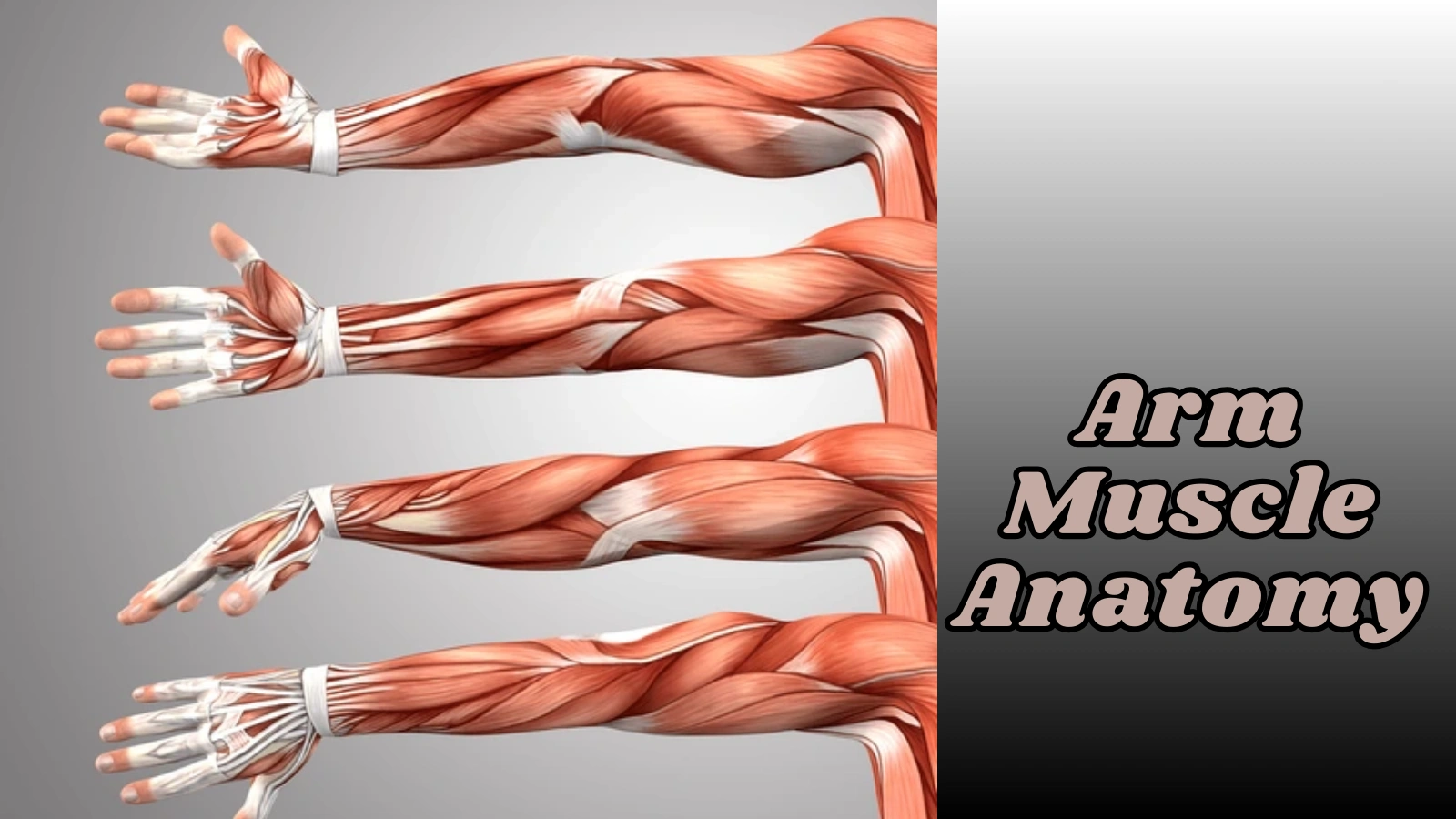
Arm muscles facilitate lifting, pushing, pulling, and fine motor skills. Key muscles include:
- Biceps Brachii: Flexes the elbow and rotates the forearm.
- Triceps Brachii: Extends the elbow.
- Brachialis and Brachioradialis: Support elbow flexion.
- Forearm Muscles: Control wrist and finger movements.
Knowledge of the muscles in the arms is particularly important for strength training, rehabilitation, and improving functional movements.
Shoulder Muscle Anatomy:
The shoulder is one of the most complex joints in the body, allowing a wide range of motion. Primary muscles include:
- Deltoids: Responsible for arm rotation and lifting.
- Rotator Cuff Muscles (Supraspinatus, Infraspinatus, Teres Minor, Subscapularis): Stabilize the shoulder joint.
- Trapezius and Serratus Anterior: Support shoulder movement and scapular stability.
Understanding the muscles in the shoulders is vital for preventing injuries and enhancing athletic performance, especially in overhead activities like throwing or swimming.
Chest and Core Muscles:
The chest and core muscles play a pivotal role in posture, balance, and overall strength:
- Pectoralis Major and Minor: Control arm movements and stabilize the shoulder.
- Rectus Abdominis: The “six-pack” muscle, important for spinal flexion.
- Obliques: Assist in twisting and bending motions.
- Transverse Abdominis: Provides core stability and supports internal organs.
A strong chest and core improve overall body mechanics and reduce the risk of lower back pain.
Also Read:
How Muscles Work: The Physiology Of Muscle Anatomy
Understanding muscle anatomy goes beyond identifying muscle names. Muscles function through contraction and relaxation, a process fueled by energy in the form of ATP (adenosine triphosphate). The sliding filament theory explains how actin and myosin filaments within muscle fibers slide past each other to create movement.
Muscles work in pairs or groups. For example, when the biceps contract, the triceps relax, allowing smooth elbow flexion. This coordinated action is crucial for proper movement and efficiency.
Muscle Types And Fiber Composition
Muscles consist of different fiber types, which influence strength, endurance, and speed:
- Slow-Twitch Fibers (Type I): Fatigue-resistant, ideal for endurance activities like running and cycling.
- Fast-Twitch Fibers (Type II): Generate quick, powerful movements but fatigue faster, making them perfect for sprinting or weightlifting.
- Intermediate Fibers: Combine features of both for versatile performance.
Knowing your muscle fiber composition can help design personalized workout programs, improve athletic performance, and enhance recovery strategies.
The Role Of Muscles In Posture And Stability
Muscles do more than produce movement; they maintain posture and stabilize joints. Proper muscle function ensures:
- Alignment of the spine
- Balance during walking or running
- Joint protection and injury prevention
- Efficient movement and energy use
Weak or imbalanced muscles can lead to poor posture, back pain, and joint problems. Incorporating strength and flexibility training targeting various muscle groups is essential for overall health.
How Exercise Impacts Muscle Anatomy?
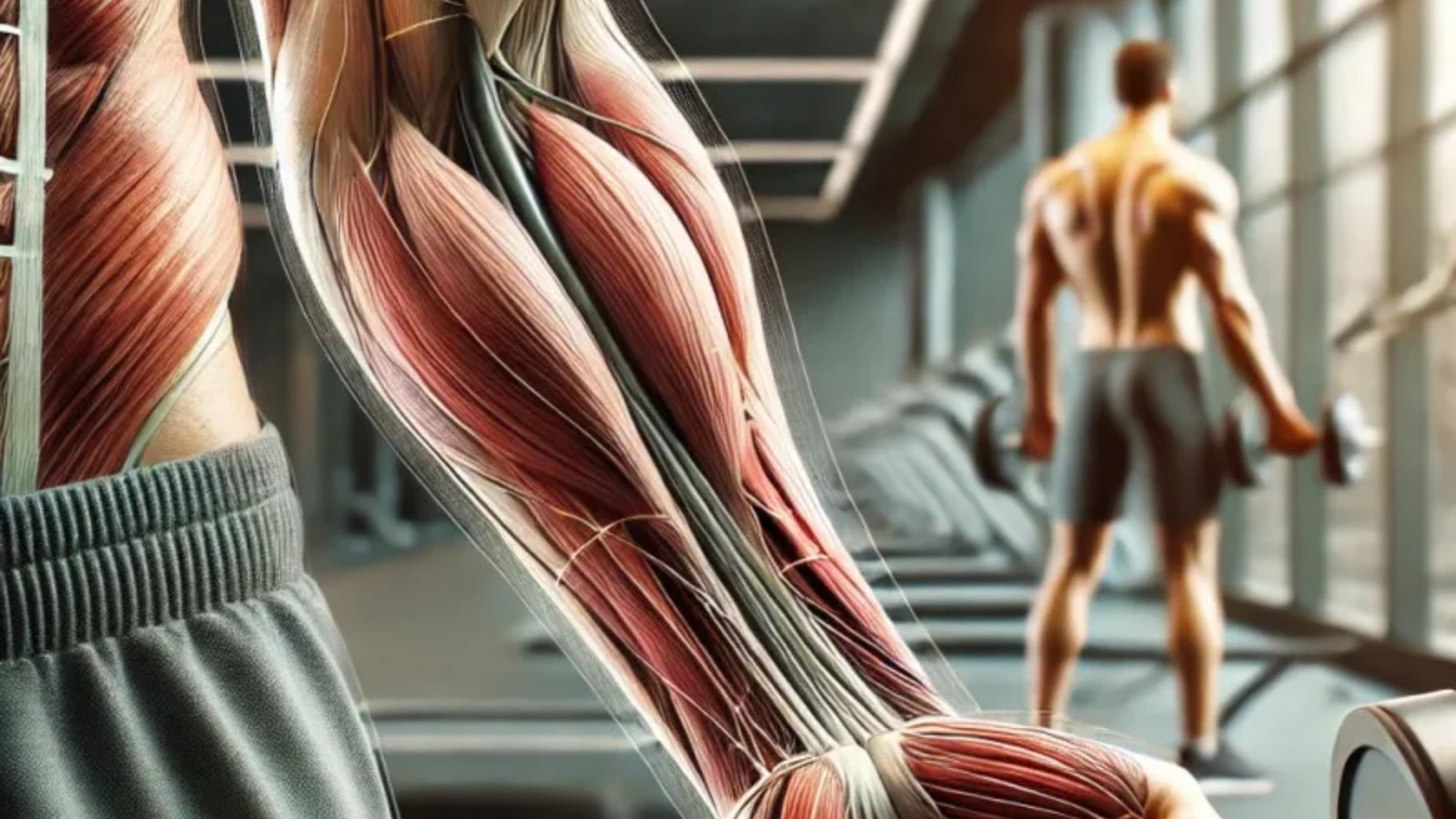
Exercise directly influences the muscles by promoting growth, endurance, and coordination. Following a structured workout routine ensures muscles are consistently challenged for optimal development. Resistance training increases muscle fiber size (hypertrophy), while aerobic exercise improves endurance and cardiovascular efficiency.
Different types of exercise target specific muscle groups:
- Strength Training: Builds skeletal muscle mass and improves bone density.
- Cardiovascular Exercise: Enhances endurance and promotes oxygen delivery to muscles.
- Flexibility and Mobility Training: Prevents injuries and maintains joint health.
Integrating tools like Calorie Tracker Buddy can further enhance your exercise results. By tracking your daily calorie burn and intake, this software ensures your muscles receive the proper fuel to grow and recover.
Whether it’s planning meals to support hypertrophy or monitoring your activity levels, Calorie Tracker Buddy helps align your nutrition and training for optimal muscle performance.
Nutritional Support For Muscles
Nutrition plays a key role in muscle health. Proteins provide building blocks for muscle repair, while carbohydrates supply energy for contraction. Healthy fats support hormone production, and vitamins and minerals aid muscle function and recovery.
Key nutrients for muscles include:
- Protein: Lean meats, eggs, dairy, and legumes
- Carbohydrates: Whole grains, fruits, and vegetables
- Fats: Nuts, seeds, and healthy oils
- Micronutrients: Magnesium, potassium, and vitamin D
Tracking your nutrition accurately can dramatically improve results. Calorie Tracker Buddy simplifies this process by letting you scan meals, log calories, and get instant feedback on how your choices affect your muscle growth and overall fitness goals.
How Can Calorie Tracker Buddy Help You Build Muscle Effectively?

When focusing on muscle anatomy, proper nutrition and tracking your daily activity are crucial. Calorie Tracker Buddy is designed to be your personal health sidekick, making it easier than ever to monitor both calorie intake and calorie burn. Here’s how it supports your fitness journey:
- Snap the Meal: Simply point your camera at your food, tap once, and get instant calories, nutrients, and balance. Perfect for planning meals that support muscle growth.
- Calorie Burn Tracker: Every movement counts! From workouts to everyday activities like walking or dishwashing, the app tracks your calories burned, helping you understand how active you truly are.
- Calorie Intake Tracker: Quickly log what’s on your plate and receive instant feedback on how it aligns with your goals.
- Goal Predictions: Know exactly how each meal, snack, or drink impacts your progress. Stay on track with personalized guidance.
- Buddy Motivation: Your virtual buddy grows with each healthy choice you make, keeping you motivated and consistent.
- Social Sharing: Celebrate your wins! Share meals, streaks, and progress with friends to keep your accountability strong.
By integrating Calorie Tracker Buddy into your routine, you can optimize nutrition to complement your workouts, ensuring your muscles get what they need to perform and recover at their best. It’s more than a tracker, it’s a companion for anyone serious about muscle anatomy and fitness goals.
What Are Common Muscle Injuries And How Can You Prevent Them?
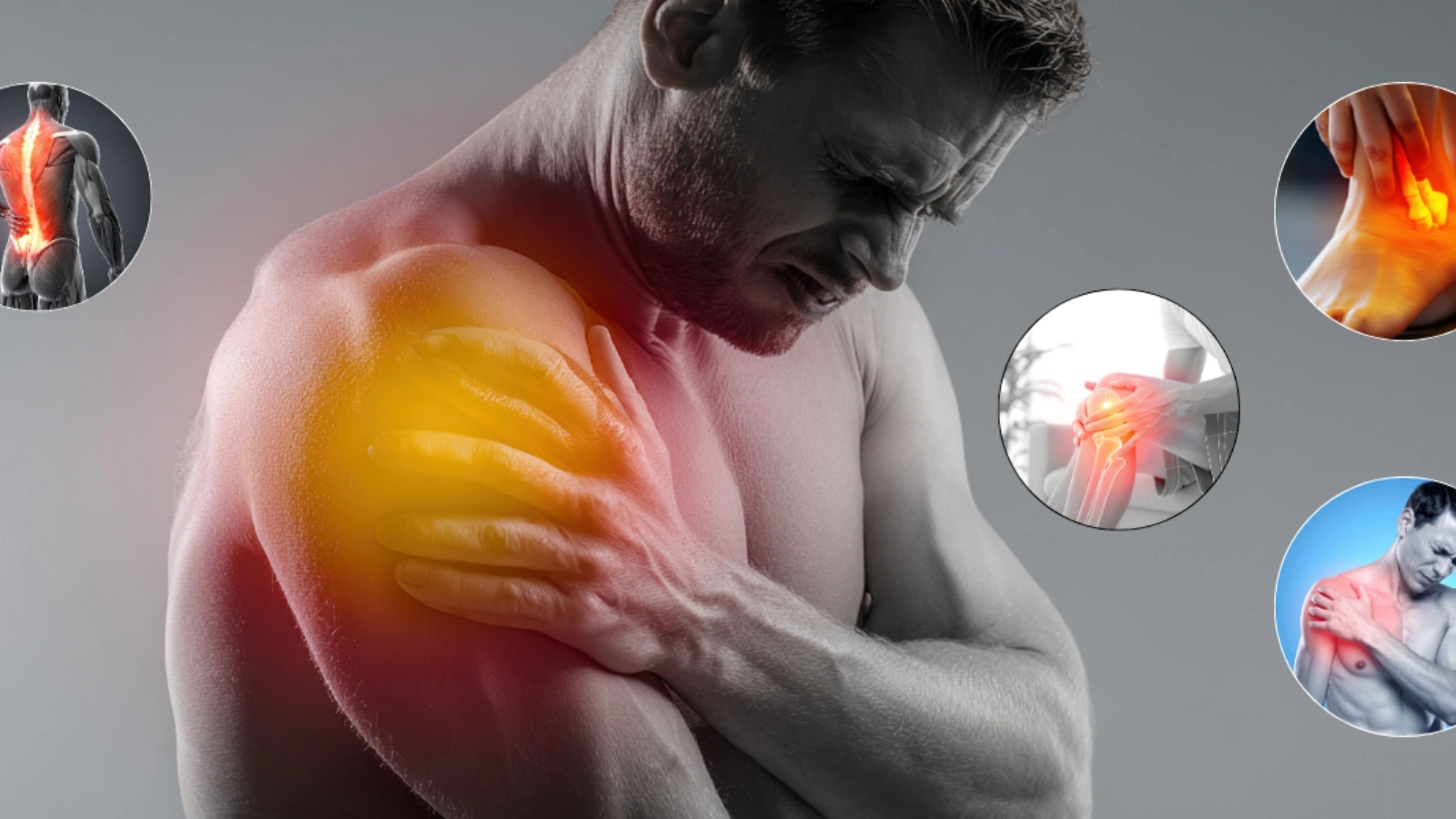
Understanding how muscles work is crucial for preventing and treating injuries. Common injuries include:
- Strains: Overstretching or tearing of muscle fibers.
- Tears: Severe strains involving significant fiber damage.
- Tendinitis: Inflammation of tendons connecting muscles to bones.
- Cramps: Sudden, involuntary muscle contractions.
Preventive measures include proper warm-ups, stretching, progressive overload in training, and adequate rest. Knowledge of muscle anatomy helps in identifying weak areas and correcting imbalances to reduce injury risk.
Also Read:
Advancements In Muscle Anatomy Studies
Modern technology has revolutionized the study of muscle anatomy. Imaging techniques like MRI and ultrasound allow detailed visualization of muscles in motion, aiding medical diagnosis and research. Biomechanics and computational modeling further improve our understanding of how muscles work in coordination with bones and joints.
These advancements have practical applications in sports science, rehabilitation, surgery, and physical therapy.
In addition, wearable technology and motion-capture systems are providing real-time data on muscle activity, strength, and fatigue during exercise. These tools allow researchers, athletes, and clinicians to analyze movement patterns, optimize training programs, and prevent injuries more effectively.
By combining advanced imaging, computational modeling, and real-time tracking, modern studies of muscle anatomy are enabling a deeper understanding of how muscles adapt, recover, and respond to different forms of stress, ultimately improving both performance and rehabilitation outcomes.
Why Muscle Anatomy Knowledge Is Essential?
Understanding muscle anatomy is valuable for various reasons:
- Fitness and Performance: Knowing how muscles work allows for targeted training.
- Injury Prevention: Awareness of weak or imbalanced muscles helps reduce injury risk.
- Medical and Rehabilitation: Healthcare professionals rely on muscle knowledge for diagnosis and therapy.
- Posture and Functionality: Strong, balanced muscles maintain proper posture and efficient movement.
For athletes, trainers, physiotherapists, and health enthusiasts, understanding how muscles function is indispensable.
Tips For Maintaining Healthy Muscles
Maintaining healthy muscles requires a combination of exercise, nutrition, and lifestyle choices:
- Perform strength training regularly to maintain muscle mass.
- Include flexibility exercises to prevent stiffness.
- Stay hydrated to support muscle function.
- Get adequate sleep for muscle recovery.
- Avoid prolonged inactivity, which leads to muscle atrophy.
Consistent attention to muscle health improves quality of life, functional ability, and overall wellness.
Conclusion
The study of muscles is both fascinating and practical. From understanding the muscles of the back to the intricacies of the legs, arms, and shoulders, knowing how they function enhances fitness, injury prevention, and overall health. Muscle anatomy helps explain how muscles not only move our bodies but also stabilize joints, maintain posture, and support vital functions..
By combining exercise, proper nutrition, and tools like Calorie Tracker Buddy, anyone can optimize performance, improve physical appearance, and maintain long-term health. Whether you are an athlete, a healthcare professional, or a fitness enthusiast, a deep understanding of muscle anatomy is a powerful tool for body awareness and personal growth.

FAQs
1. How does understanding muscle structure affect metabolism?
Muscle tissue burns more calories than fat, even at rest. Targeting key areas can help boost metabolism effectively.
2. Can knowing where muscles attach improve flexibility?
Yes! Understanding muscle connections helps design stretches and mobility exercises for better range of motion and injury prevention.
3.How long does it take to strengthen specific muscle groups?
Strength gains depend on intensity, frequency, and recovery. Targeted programs help activate muscles efficiently.