


To make a comparison between eating five apricots vs an apple. What would be your answer? For the majority of people, it would be simple, but when you track calories, carbs, and how the body responds to sugar, things get more complex.
Apricots are extremely small, but nutritionally, they have more than most people realize. If you have problems managing weight, keeping your blood sugar at an even level, or simply improving your overall diet, you should pay close attention to apricots.
The goal of this article is to explain what apricots are, their nutritional value, the differences between fresh and dried, how to properly use dried apricots, and what the average person should consume on a daily basis.
Let’s get started.
Listen To The Podcast Now!
What Are Apricots?
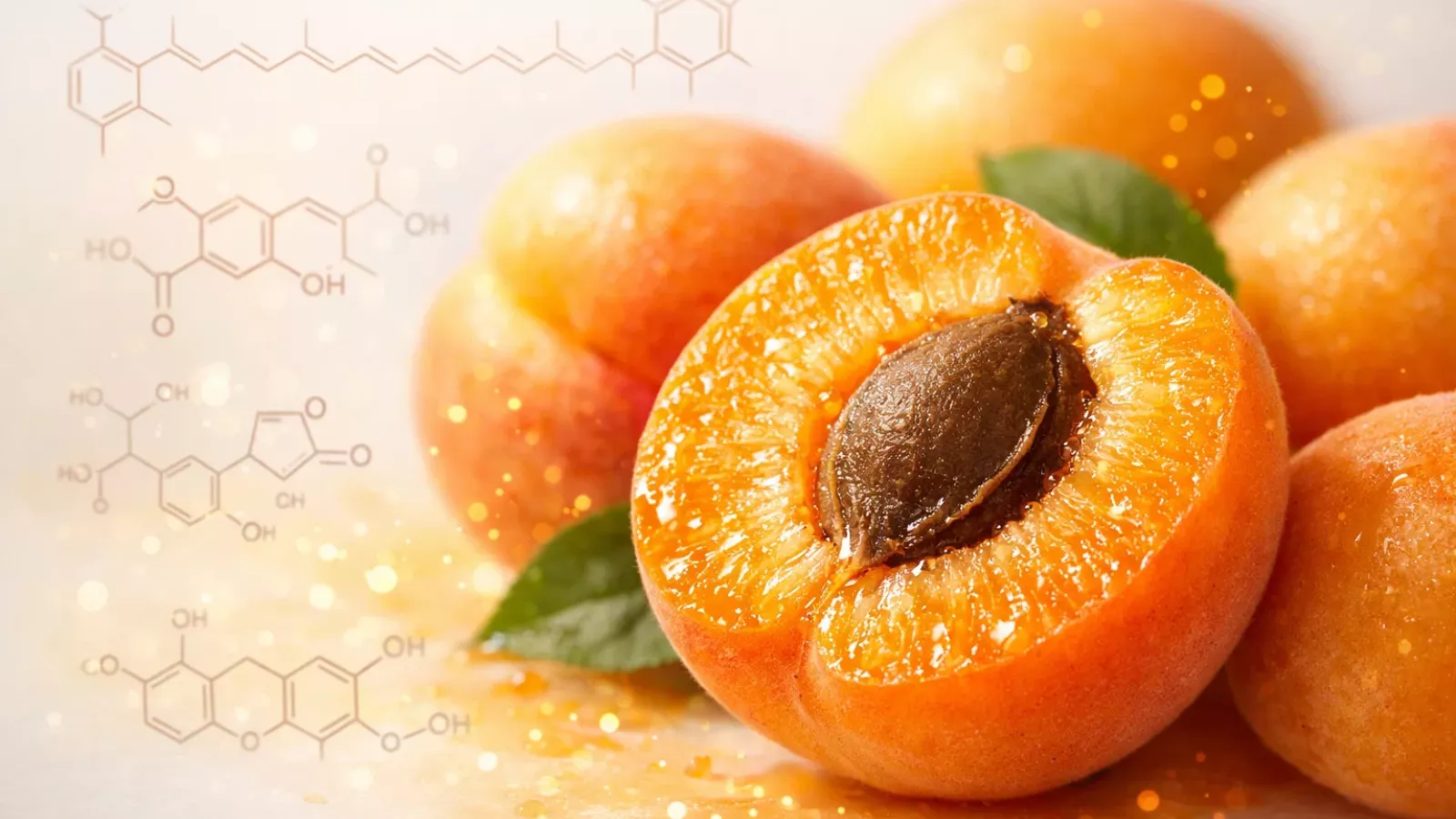
Apricots (Prunus armeniaca) are small, round stone fruits with a golden-orange color and soft flesh. They belong to the same family as peaches and plums.
Originally cultivated in China over 4,000 years ago, Prunus armeniaca traveled through Central Asia and the Middle East before becoming popular in Mediterranean regions. Today, countries like Turkey are major producers, especially of dried apricots.
Fresh apricots have:
- Thin, velvety skin
- Juicy, mildly sweet flesh
- A single hard pit in the center
But beyond their appearance, apricots are packed with bioactive compounds that researchers have been studying for years.
Nutritional Profile of Apricots
Let us begin with numbers. One apricot has (approximately) the following values:
Calories = 17kcal
Carbohydrates = 3.9g
Fiber = 1g
Protein = < 1g
Fat = 0g
Water = 86% (low in Calories)
Eating several apricots will not drastically add to your total caloric consumption.
But the calorie number does not tell the entire story! – Apricots contain an abundance of vitamins and minerals, including:
(A) Vitamin A (beta-carotene)
(B) Vitamin C (ascorbic acid)
(C) Vitamin E
(D) Potassium
(E) Iron
(F) Magnesium
(G) Zinc
(H) Polyphenols
(I) Carotenoids
The research on apricots (the “research”) indicates that Prunus armeniaca has a high content of polyphenols and carotenoids, both of which are known for their antioxidant and anti-inflammatory characteristics.
What does this mean? It means that they do not give you only energy; they also help provide protection from all types of bad things.

Apricots and Antioxidants: What Science Says
The bright orange color of apricots isn’t just for show. It comes from carotenoids, particularly beta-carotene, which your body converts into vitamin A.
Research indicates that it contains:
- Significant levels of beta-carotene
- Polyphenols like catechin and quercetin
- Ascorbic acid (Vitamin C)
These compounds help neutralize oxidative stress in the body. Oxidative stress is linked with aging, inflammation, and various chronic conditions.
Now, let me be clear: apricots are not medicine. But including antioxidant-rich fruits like apricots in your diet can support overall cellular health.
That’s a smarter way to think about it.
Apricots and Blood Sugar: Are They Diabetes-Friendly?
This is where things get interesting.
Prunus armeniaca has a glycemic index (GI) of around 34, which falls in the low range (anything under 50 is considered low).
Even more important is glycemic load (GL), which considers portion size. A cup of fresh apricots has a glycemic load of around 4 — which is very low.
What does that mean?
It means that when eaten in moderate portions, they are less likely to cause sharp blood sugar spikes compared to high-GI fruits.
Fiber plays a big role here. Each Prunus armeniaca provides both soluble and insoluble fiber. Soluble fiber slows digestion and helps regulate blood sugar levels.
For someone managing carbohydrate intake, five apricots have roughly similar calories and carbs as one medium apple. So the choice becomes preference — but nutritionally, apricots hold their own.
Fresh Apricots vs Dried Apricots
 Now let’s talk about dried apricots — because this is where people often get confused.
When apricots are dried, the water content is removed. That means:
- The sugar becomes concentrated
- The calories increase per gram
- The portion size shrinks
100 grams of fresh apricots may have around 48 calories.
100 grams of dried apricots can have around 240 calories.
See the difference?
Dried apricots are not unhealthy — they’re just more calorie-dense.
They are still rich in:
- Potassium
- Iron
- Fiber
- Antioxidants
In fact, dried Prunus armeniaca may contain even higher concentrations of certain minerals due to dehydration.
But portion control becomes critical.
Also Read
How Many Apricots Per Day Is Ideal?
This is one of the most common questions: how many apricots per day should you eat?
Here’s a practical approach.
For fresh Prunus armeniaca:
- 3–5 apricots per day is reasonable for most people.
- That’s roughly 50–85 calories.
- Provides fiber, vitamins, and antioxidants without excess sugar.
For dried apricots:
- 3–4 dried apricots per day is typically sufficient.
- That’s around 60–80 calories, depending on size.
- Best eaten with protein or nuts to balance blood sugar response.
If you’re tracking calories, always weigh dried apricots rather than estimating by handful.
Remember, fruit sugar is still sugar. Natural doesn’t mean unlimited.
How To Eat Dried Apricots the Right Way
Many people ask, “How to eat dried apricots properly?”
Here are smarter ways:
- Pair with nuts (like almonds or walnuts) to slow glucose absorption.
- Chop into oatmeal for controlled sweetness.
- Add to Greek yogurt for protein balance.
- Blend into homemade energy balls.
- Soak them in warm water before eating if they feel too dense.
One important tip: Check labels.
Commercial dried Prunus armeniaca often contains sulfur dioxide as a preservative to maintain bright color. While generally safe for most people, some individuals — especially those with asthma — may be sensitive.
If possible, choose unsulfured dried Prunus armeniaca. They’re darker in color but more natural.
Apricots and Digestive Health
It contains about 1.5 grams of fiber per 100 grams of fresh fruit.
The fiber breakdown includes:
- Soluble fiber (supports gut bacteria and cholesterol regulation)
- Insoluble fiber (supports bowel movement regularity)
Some people even notice a mild natural laxative effect when eating dried apricots.
That’s not a side effect — it’s fiber doing its job.
If you struggle with occasional constipation, adding a few apricots daily may support digestion.
Apricots and Heart Health
Potassium is one of the standout minerals in apricots.
Potassium:
- Supports muscle contraction
- Maintains fluid balance
- Helps regulate blood pressure
- Supports heart rhythm
Fresh apricots contain moderate potassium levels. Dried apricots contain significantly more per serving due to concentration.
Research suggests adequate potassium intake is associated with reduced risk of high blood pressure and stroke.
Again, Prunus armeniaca alone won’t fix heart health. But as part of a balanced diet, they contribute meaningfully.
Apricots and Skin & Eye Health
Because these are rich in beta-carotene and vitamin A, they support:
- Vision health
- Retina protection
- Skin cell regeneration
Carotenoids like lutein and zeaxanthin help protect the eyes from oxidative damage.
Vitamin C and E support collagen production and skin elasticity.
Think of it as internal skin support — not a replacement for sunscreen, but a helpful nutritional addition.
Are Apricot Kernels Safe?
You may have heard about apricot kernels being used in traditional medicine.
Here’s the balanced perspective:
Apricot kernels contain compounds like amygdalin, which can release cyanide when metabolized. Because of this, they are not recommended for regular consumption without medical supervision.
Stick to the fruit itself.
Apricots for Weight Management
Here’s why Prunus armeniaca work well in calorie-controlled diets:
- Low calorie density (fresh fruit)
- High water content
- Good fiber content
- Naturally sweet
They satisfy sweet cravings without excessive calories.
If you’re using a calorie tracking app, you’ll notice that five fresh apricots cost you less than 100 calories.
That’s a smart trade-off compared to processed snacks.
Practical Ways to Add Apricots to Your Diet
Fresh apricots:
- Eat as a mid-morning snack
- Slice into salads
- Add to smoothies
- Top oatmeal or chia pudding
Dried apricots:
- Mix into trail mix
- Add to couscous or rice dishes
- Blend into protein balls
- Use in homemade granola
The key is intentional portioning.
This is exactly where mindful tracking makes a difference. Using the Calorie Tracker tool helps you log fresh or dried Prunus armeniaca accurately, understand portion sizes, and see how they fit into your daily calorie and carb goals without guesswork.
Meet Calorie Tracker Buddy
Eating healthy shouldn’t feel complicated. Counting calories shouldn’t feel like homework.
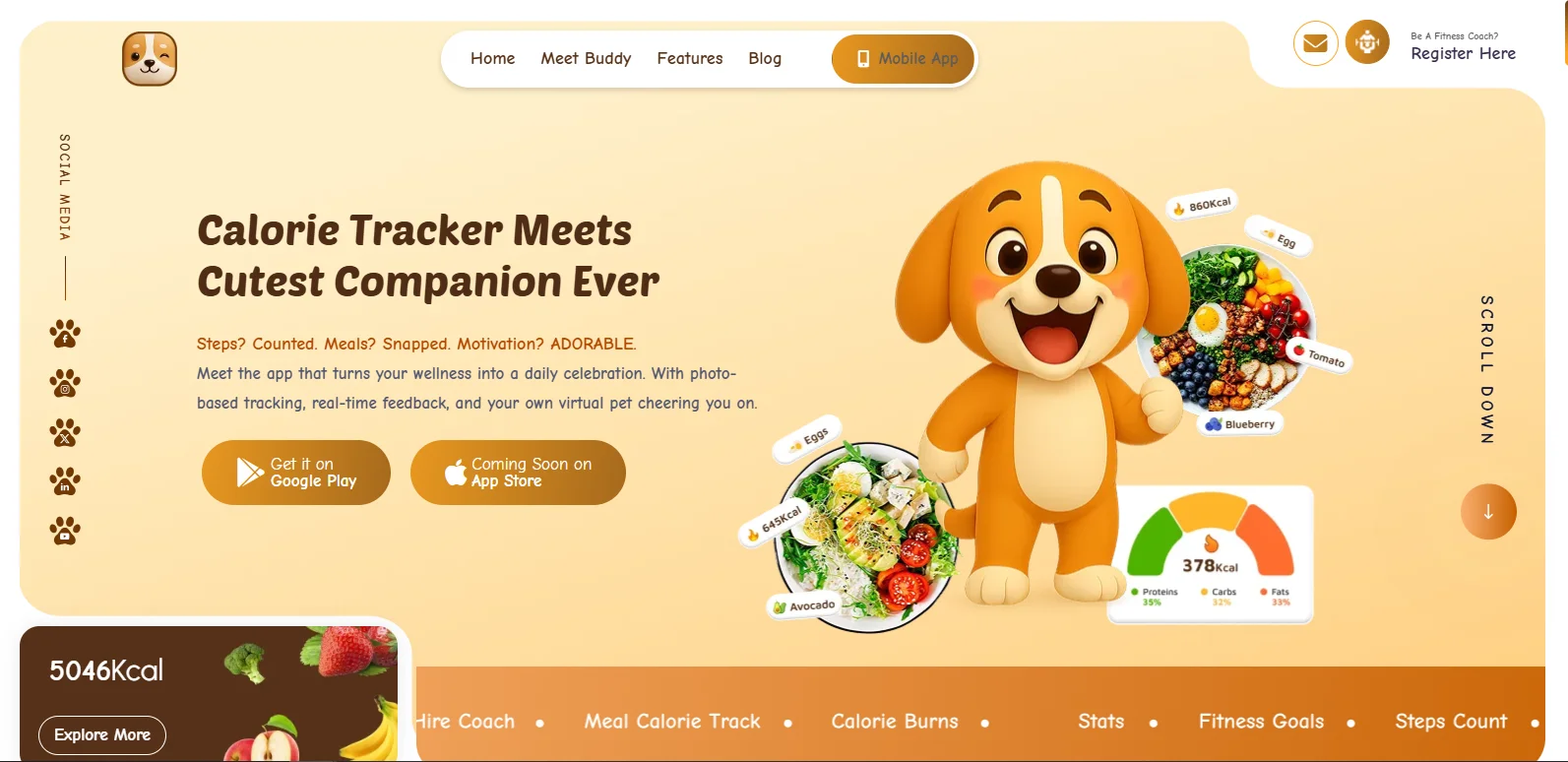
That’s exactly why I built Calorie Tracker Buddy — to make nutrition tracking simple, visual, motivating, and actually enjoyable. Whether you’re trying to lose weight, maintain your progress, or just understand what’s on your plate, it works like a smart companion that keeps things clear without overwhelming you.
Here’s what makes it different:
📸 Snap the Meal
Just point your camera at your food, tap once, and let CTB do the work. Instantly, your meal is analyzed for calories, key nutrients, and overall balance. You’ll know within seconds whether your plate supports your goals — and what adjustments you might need.
Fast, simple, and made for real life.
🔥 Calorie Burn Tracker
Every movement counts — not just gym workouts.
From intense workouts to dancing in your room, from walking the dog to doing household chores, CTB tracks your daily calorie burn and turns your effort into measurable progress. Watch your activity add up and see how your consistency builds momentum over time.
Because progress isn’t just about eating — it’s about moving too.
🍽️ Calorie Intake Tracker
You eat. We calculate.
Log your meals quickly and get instant insights into how they fit your daily calorie and macro goals. No complicated charts — just clear feedback that helps you stay aware and in control.
It’s not about restriction. It’s about clarity.
🎯 Goal Predictions
Ever wonder, “If I keep eating like this, where will I be in a month?”
CTB shows you how each meal, snack, and drink affects your bigger picture. You’ll see how close you are to your targets and what small adjustments can accelerate your results.
Smart tracking leads to smarter decisions.
🐾 Buddy Motivation
Consistency is easier when you’re not doing it alone.
With every healthy choice you make, your virtual pet buddy grows and thrives. It celebrates your wins, encourages your streaks, and keeps you motivated on the days you need it most.
Healthy habits should feel rewarding — not robotic.
📲 Social Sharing
Proud of your progress? Show it off.
Share your meals, streaks, and transformations with friends and your community. Get support, celebrate milestones, and inspire others while staying accountable yourself.
Because progress is more powerful when it’s shared.
Final Thoughts on Apricots
Prunus armeniaca may be small, but nutritionally, they punch above their weight.
They offer:
- Low calories
- Fiber support
- Antioxidants
- Potassium
- Beta-carotene
- Hydration benefits
Whether fresh or dried, they can fit into most eating styles — including weight loss plans and blood sugar–conscious diets — when eaten mindfully.
If you’re wondering how many apricots per day is ideal, stick to moderate portions and track them just like any other food.
Healthy eating isn’t about avoiding fruit. It’s about understanding it.
And Prunus armeniaca, when understood properly, are a smart addition to your plate.