


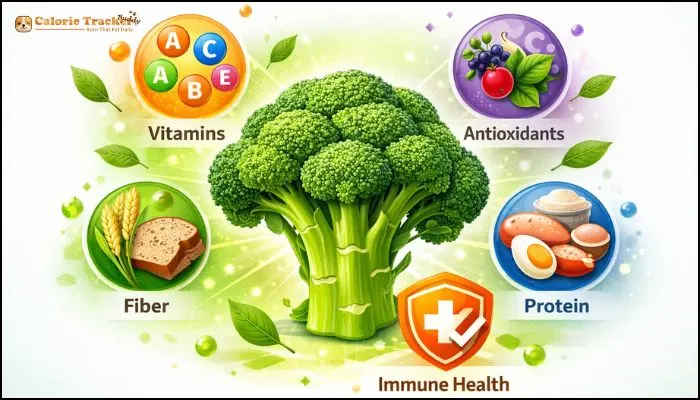
When it comes to nutrient-dense vegetables, broccoli often tops the list. This bright green cruciferous vegetable has earned its reputation as a superfood thanks to its impressive vitamin content, fiber, and antioxidant properties.
For years, health experts have recommended adding it to regular meals—not just because it’s low in calories, but because it delivers serious nutritional value in every serving. Whether you’re focused on weight management, muscle recovery, or simply improving overall wellness, this vegetable fits easily into almost any diet.
Another reason for its popularity is versatility. It can be steamed, roasted, stir-fried, blended into soups, or even added raw to salads. Plus, many people are curious about its protein content and whether it can support plant-based diets.
You can listen to this Blog here.
Broccoli Nutrition Facts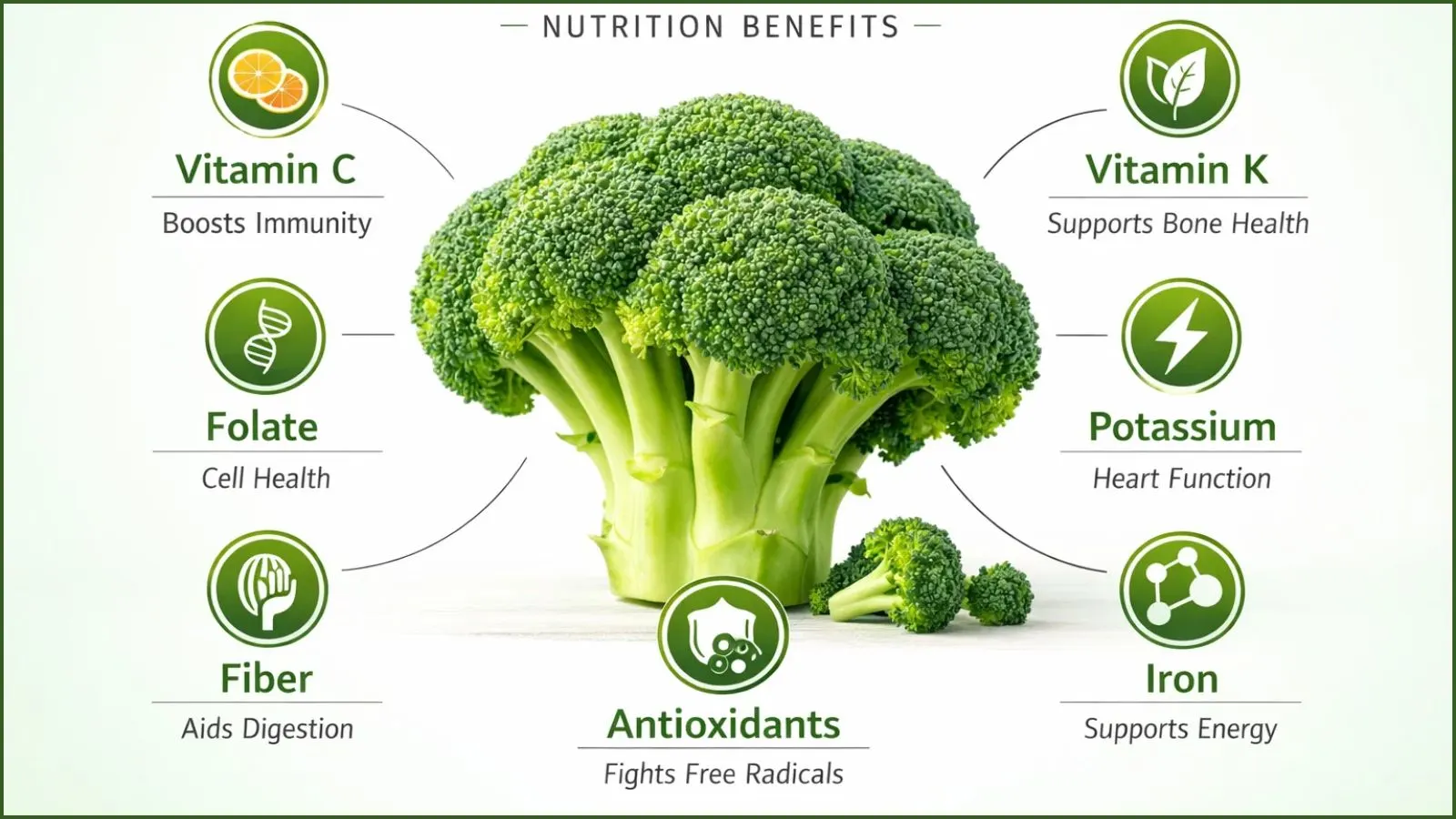
To understand why broccoli is considered a superfood, we need to look at its nutritional profile. It’s low in calories but packed with essential nutrients that support overall health.
Let’s start with the basics. When reviewing common broccoli nutrition facts, you’ll notice it’s rich in vitamin C, vitamin K, and folate. Vitamin C supports immune health, while vitamin K plays a key role in bone strength and blood clotting. Folate is essential for cell growth and repair.
Looking at broccoli nutrition facts 100g, a 100-gram serving typically provides around 34–35 calories, about 2.5–3 grams of fiber, and a solid amount of antioxidants. It also contains potassium, iron, and small amounts of magnesium.
The fiber content supports digestion and helps maintain steady blood sugar levels. Meanwhile, antioxidants such as sulforaphane help fight oxidative stress in the body.
Broccoli Benefits for Your Health
The real reason broccoli is labeled a superfood lies in its wide range of health advantages. From immunity to heart health, it supports multiple systems in the body.
One of the most talked-about broccoli benefits is immune support. Thanks to its high vitamin C content, it helps strengthen the body’s natural defenses and may reduce the duration of common illnesses.
It’s also great for heart health. The fiber and antioxidants found in this vegetable help manage cholesterol levels and reduce inflammation, both of which are important for cardiovascular function.
Digestive health is another major advantage. The fiber content promotes regular bowel movements and supports healthy gut bacteria.
Additionally, its anti-inflammatory compounds may help protect cells from long-term damage caused by oxidative stress.
For those managing weight, this vegetable is low in calories yet filling, making it easier to maintain portion control without feeling deprived.
Is There Protein in Broccoli?
A common question people ask is: “Is there protein in broccoli?” The answer is yes—though it’s not as high as legumes or animal sources, it still contributes to your daily intake.
In a 100-gram serving, this vegetable contains roughly 2.5 to 3 grams of protein. While that may seem modest, it’s relatively high compared to many other vegetables. So if you’re looking for veggies with significant protein, broccoli could be your choice—especially for those following plant-based diets.
The protein found here contains several essential amino acids, making it a valuable addition to vegetarian or vegan meal plans. When combined with other protein-rich foods like beans, lentils, tofu, or whole grains, it helps create a more complete amino acid profile.
While it shouldn’t be your primary protein source, it supports overall intake when included regularly in balanced meals.
How to Cook Broccoli the Right Way?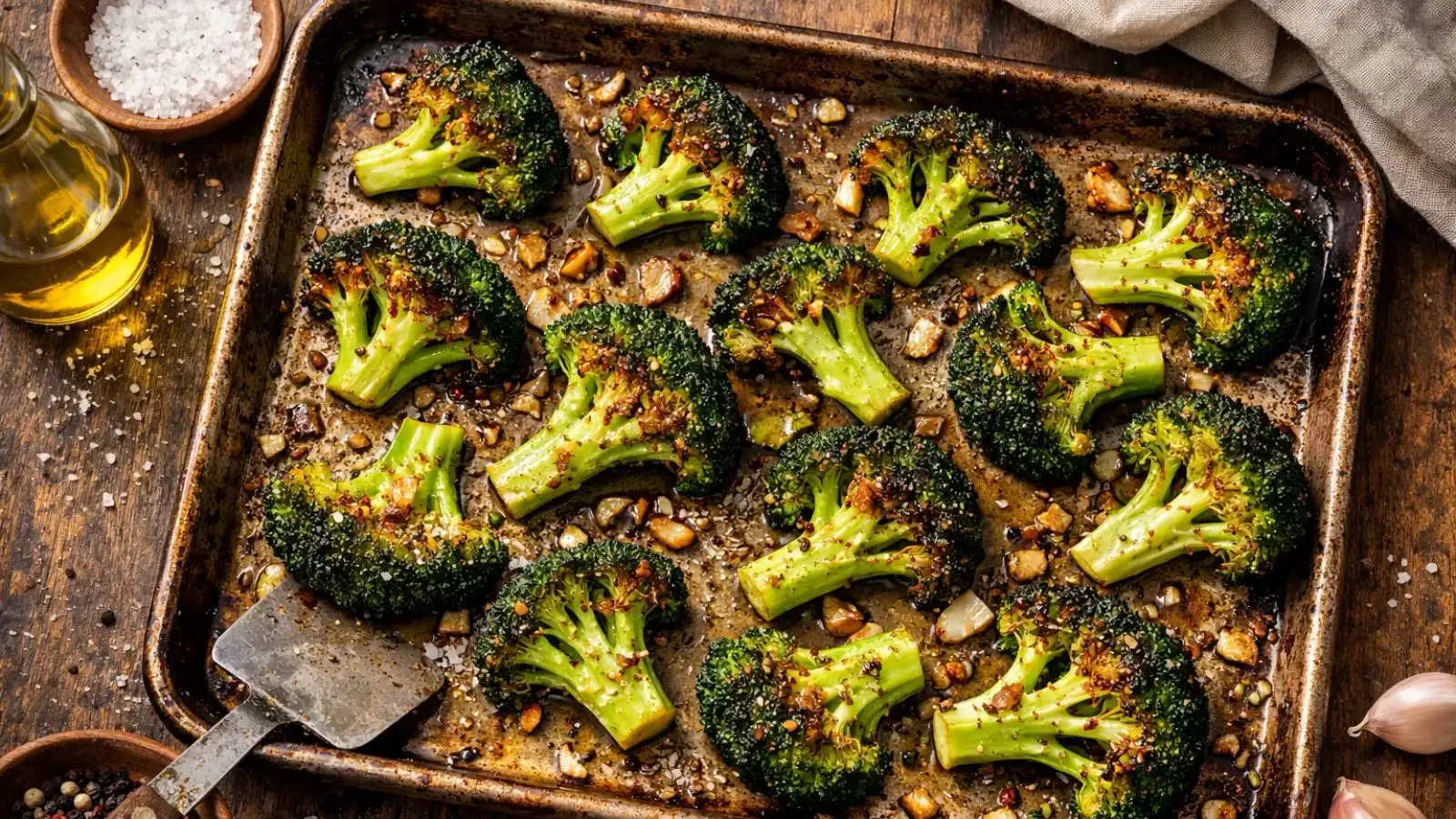
If you’re wondering how to cook broccoli while preserving its nutrients, the method matters more than you think.
Steaming is one of the healthiest options. It helps retain vitamins and antioxidants better than boiling, which can cause water-soluble nutrients like vitamin C to leach out. Light steaming for 4–5 minutes keeps the texture firm and the color vibrant.
Roasting is another popular method. Toss the florets with olive oil, garlic, salt, and pepper, then bake at 400°F (200°C) for about 20 minutes. Roasting enhances flavor through caramelization while still maintaining most nutrients.
Stir-frying works well too, especially when combined with lean proteins and other vegetables. Keep the cooking time short to preserve crunch and nutritional value.
Avoid overcooking. When it turns mushy and dull green, nutrient loss has likely occurred.
Now that you know how to cook broccoli properly, let’s explore some easy and delicious recipe ideas you can try at home.
Easy Broccoli Recipe Ideas
Adding broccoli to your meals doesn’t have to be boring. With the right flavors and combinations, it can become the highlight of your plate. Here’s a simple broccoli recipe you can try, along with a few easy variations.
🥦 Garlic Roasted Version
Toss florets with olive oil, minced garlic, salt, and black pepper. Roast at 400°F (200°C) for 18–20 minutes until slightly crispy at the edges. Finish with a squeeze of lemon juice for extra freshness.
🥦 Quick Stir-Fry
Heat a pan with sesame oil, add chopped vegetables, soy sauce, and a protein source like tofu or chicken. Cook for 5–7 minutes on medium heat for a fast, balanced meal.
🥦 Creamy Soup
Blend lightly steamed pieces with vegetable broth, onions, and a splash of milk or plant-based cream. Simmer and season to taste.
These simple ideas make it easy to include this nutrient-rich vegetable in your weekly rotation.
Broccoli for Weight Loss and Calorie Tracking
If you’re trying to manage your weight, broccoli can be a powerful addition to your meals. It’s low in calories but high in fiber, which helps you feel full for longer. That combination makes it easier to control portions without feeling hungry.
A 100-gram serving contains only around 35 calories, making it ideal for calorie-conscious diets. The fiber content slows digestion and supports stable blood sugar levels, reducing sudden cravings.
Because it’s nutrient-dense, you get essential vitamins and minerals without consuming excess calories. This makes it perfect for people focusing on balanced eating rather than restrictive dieting.
However, portion awareness still matters—especially when adding sauces, cheese, or oils during cooking. Tracking your meals helps you understand how different ingredients impact your daily intake.
That’s where smart calorie tracking can support your goals.
Track Your Nutrition Smarter with Calorie Tracker Buddy
Eating healthy foods like broccoli is a great start—but tracking your overall intake is what truly drives results. Many people underestimate calories from cooking oils, dressings, or added ingredients. That’s where Calorie Tracker Buddy becomes useful.
Calorie Tracker Buddy helps you log daily meals quickly and accurately. Its built-in food database allows you to search foods, check calorie values, and monitor portion sizes with ease. Whether you’re tracking vegetables, proteins, or snacks, everything is organized in one place.
One standout feature is macro tracking. You can monitor carbohydrates, fats, and protein intake to maintain balance in your diet. If you’re focused on weight loss, muscle gain, or simply healthier eating, this clarity makes decision-making easier.
The app also supports goal setting and progress tracking. You can set calorie targets, monitor trends over time, and adjust habits based on real data.
Healthy eating becomes more effective when you combine smart food choices with smart tracking.
Common Mistakes When Eating Broccoli
Even though broccoli is highly nutritious, the way it’s prepared and consumed can reduce its benefits.
One common mistake is overcooking. Boiling for too long can destroy water-soluble vitamins like vitamin C and reduce overall nutrient value. Light steaming or quick roasting helps preserve its nutritional profile.
Another issue is drowning it in heavy sauces. Cheese-based toppings or creamy dressings can significantly increase calories, which defeats the purpose if you’re aiming for weight control.
Improper storage is also overlooked. Keeping it in a sealed plastic bag without airflow can cause it to spoil faster. Store it in the refrigerator’s crisper drawer and use it within a few days for maximum freshness.
Lastly, some people eat it occasionally rather than consistently. Like most healthy foods, the benefits come from regular inclusion in a balanced diet—not from a single serving.
Conclusion
There’s a reason broccoli has earned its reputation as a superfood. It’s nutrient-dense, low in calories, rich in fiber, and packed with vitamins and antioxidants that support overall health. From immune function and heart health to digestive support and weight management, it offers a wide range of benefits in a simple, affordable package.
It also fits easily into different diets—whether you prefer steaming, roasting, stir-frying, or blending it into soups. And while it does contain protein, its real strength lies in its overall nutrient balance and versatility.
The key is consistency. Including this vegetable regularly in your meals, cooking it properly, and tracking your intake can help you make the most of its health potential.
When combined with smart nutrition habits and tools that support mindful eating, small choices—like adding more greens to your plate—can lead to meaningful long-term results.
Also read,
FAQs
1. Is broccoli good for weight loss?
Yes. It’s low in calories and high in fiber, which helps you feel full longer and supports portion control.
2. Is there protein in broccoli?
Yes, it contains about 2.5–3 grams of protein per 100g, making it a helpful addition to plant-based diets.
3. What are broccoli nutrition facts 100g?
A 100g serving contains roughly 34–35 calories, 2.5–3g fiber, around 2–3g protein, plus vitamin C, vitamin K, and antioxidants.