



An apple a day keeps the doctor away, but do you know what a kiwi a day keeps away?
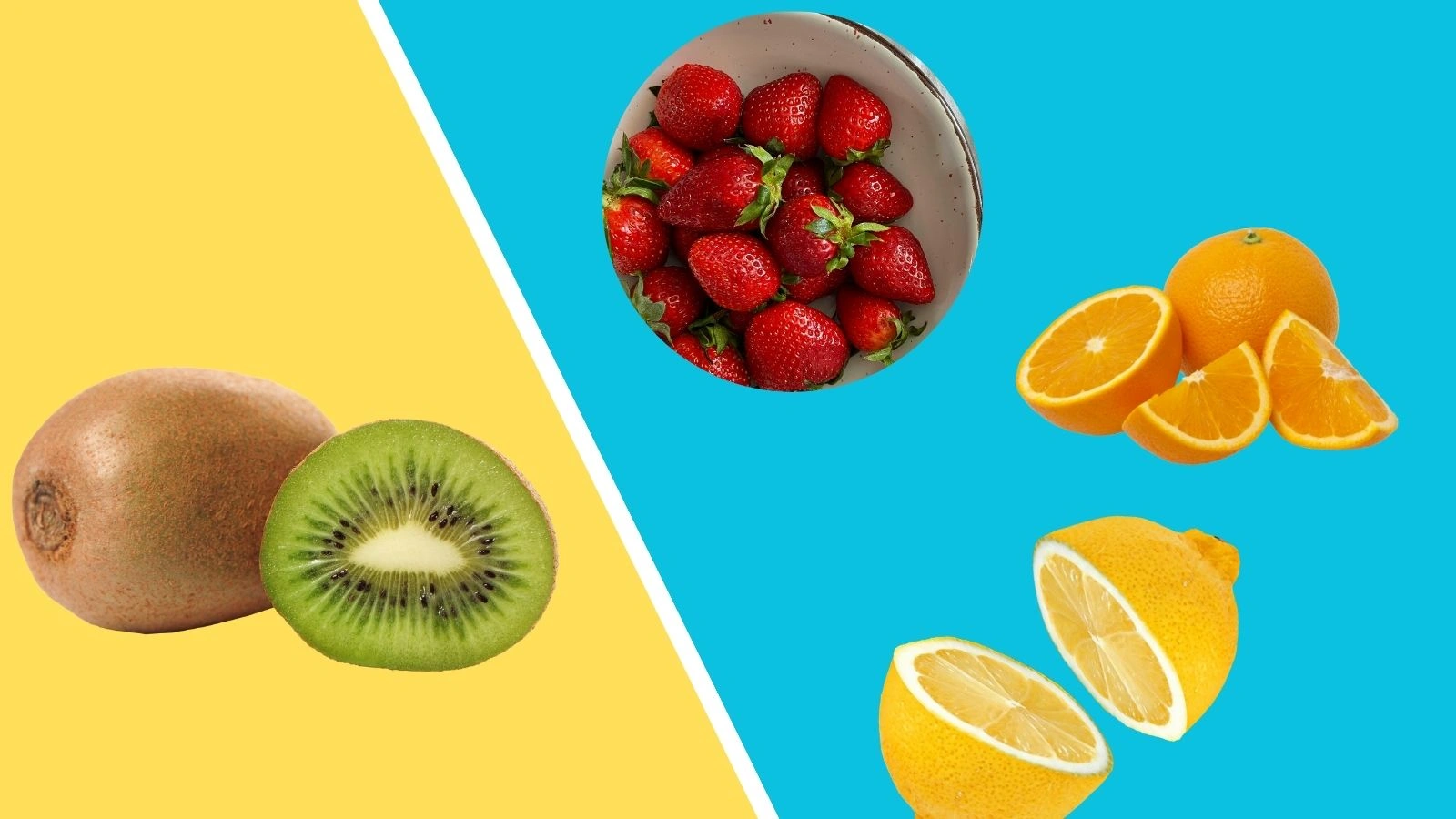
Two kiwis a day may support multiple aspects of health. Two kiwis contain more Vitamin C than two oranges, a whole lemon, or even a cup of strawberries.
Kiwi, also known as Chinese gooseberry, is a nutrient-rich fruit with a unique flavour and numerous health benefits. This fruit benefits stand out among other fruits for its tremendous nutritional qualities. Kiwi is a fruit that is rich in vitamin C, potassium, vitamin E, and dietary fiber.
Listen To Blog Podcast!
What Nutrients Make Kiwi A Superfood?
Green kiwi is not just delicious; it’s a nutrient powerhouse packed with vitamins, minerals, and enzymes that support your overall health. However, if you have been found deficient in any vitamins, you may also take vitamins supplement along with kiwi fruit. Here we explore kiwi fruit benefits that make it a super fruit for your daily health. According to research, here’s what 100 grams of green kiwi (about one large fruit) contains :
- Calories: 61 kcal, low in calories, making it perfect for a healthy snack.
- Vitamin C: 92.7 mg (103% of your daily value!) boosts immunity, aids collagen production, and provides a glow to the face.
- Dietary Fiber: 3.0 g (11% DV) supports the digestive system and helps you to feel fuller.
- Potassium: 312 mg (7% DV) helps in maintaining healthy blood pressure and improves heart functioning.
- Vitamin K: 40.3 mcg (34% DV), a very essential vitamin for blood clotting and improving bone health.
- Vitamin E: 1.46 mg (10% DV) protects the cell from damage
- Folate (B9): 25 mcg (6% DV) is important for cell growth and especially helpful during pregnancy.
- Actinidin: A unique digestive enzyme that helps break down proteins and improves gut health.
The kiwi fruit’s benefits come from its high vitamin C, fiber, potassium, and digestive enzymes.
Tracking nutrients matters just as much as choosing the right foods. Calorie Tracker Buddy, a smart calorie and nutrient tracker, helps you log foods like kiwi and instantly see how they contribute to your daily goals without guesswork.

Kiwifruit Benefits

Kiwis are superfruits with high nutritional density. Research shows that just by adding two kiwis a day to your diet, you can improve your health. How kiwi benefits the following areas of your health:
How Kiwi Fruit Benefits Digestive Health?
One of the key kiwi fruit benefits is improved digestive health. Kiwi has actinidin, a unique natural enzyme that helps in breaking down protein and improving digestion.
The excellent combination of soluble and insoluble fiber in kiwi benefits the gut, where fiber acts as a prebiotic, feeding beneficial gut bacteria to support a healthy microbiome.
Note: While actinidin helps with protein digestion, it is also a major allergen for some people. Adding a small disclaimer for those with fruit allergies would improve safety.
How Kiwi Boosts The Immune System?
Another important kiwi fruit benefit is boosting immunity, as a single kiwi provides more vitamin C than two oranges, which fulfills 100% of the daily need. The high vitamin content in kiwi fruit benefits the immune system of the body by stimulating white blood cell production and improving the functioning of neutrophils. Regular consumption of kiwi may help support respiratory health and reduce wheezing symptoms in children.
How Kiwi Fruit Benefits Heart And Metabolic Health?
Among the many kiwi fruit benefits, heart and metabolic health are the most important. Eating three kiwis a day can lower blood pressure, as they contain high potassium and antioxidants. The fiber helps in lowering the LDL bad cholesterol and boosting HDL (good cholesterol). Kiwi fruit benefits diabetic patients, as it has a low glycemic index (GI) of approximately 39–50, which is safe for diabetics, as it causes a gradual rise in blood sugar rather than sharp spikes. It may help support healthy circulation by reducing platelet aggregation.
How Kiwi Fruit Benefits Eyes And Helps With Sleep?
One surprising kiwifruit benefit is improving sleep quality and supporting eye health.
Kiwi is a rare fruit source of serotonin. Two kiwis before bed help you fall asleep 35% faster and stay asleep longer. Kiwi fruit benefits eye vision, as it contains lutein and zeaxanthin, which protect the eyes from age-related macular degeneration and cataracts.
How Kiwifruit Benefits Your Skin?
The high levels of vitamins C and E in kiwi fruit benefit the skin by:
- Protect it from UV damage.
- Promotes collagen production, which maintains skin elasticity
- Promotes natural glow
- Control acne and breakouts
- Fight signs of aging.
- Deep hydration
- Fades dark spots and hyperpigmentation
How Kiwi Fruit Benefits The Health Of A Health Enthusiast?
Fitness enthusiasts can enjoy kiwi fruit benefits, as kiwis have low energy density, providing 61 calories in 100 g. You can eat a large volume of fruit and get very few calories. This fruit has a low glycemic index, so it can help you prevent insulin spikes. Moreover, if you consume 100 g of kiwi, you can get 1.14 gram of protein along with other nutrients like 0.52 g of fat, 14.7g carbs, and 3g fiber.
How To Choose The Right Kiwi?

To maximize kiwi fruit benefits, it’s important to choose the right kiwi based on firmness, appearance, and aroma, depending on whether one wants to eat it immediately or after a few days. Here is how you can check the perfect kiwi:
The Squeeze Test
Hold a kiwi in the palm, gently press it with your thumb, and it should yield pressure similar to a ripe avocado or peach; buy it for immediate use. If it is rock hard, buy it to ripen at home.
If the kiwi feels mushy or very soft, it is likely overripe and may start to ferment.
Physical Appearance
A high-quality kiwi should look plump and healthy. Look for skin that is uniformly brown and fuzzy (for green varieties) or smooth (for gold varieties). Avoid buying a kiwi with wrinkled or shriveled skin, as it shows that the fruit has lost moisture. Don’t buy a kiwi with deep indentations, large blemishes, dark spots, or mold.
Aroma
A perfectly ripe kiwi has a light, sweet, and fragrant tone. If the kiwi has no scent, the fruit may need more time to ripen. If the kiwi smells pungent, sour, or fermented, it could be overripe.
Pro tip: If you want to eat the kiwi sooner, place them in a paper bag with an apple and a banana at room temperature, which helps the kiwi to ripen within 24 – 48 hours
Move the kiwis to the refrigerator to stop the ripening process and keep them fresh for up to a week.
Also Read
Seasonal Fruits By Month: Nutrition, Benefits, & How To Include Them In Your Diet
Best Way To Eat A Kiwi
- Cut the kiwi in half and scoop the flesh with the help of a spoon.
- For a faster method, wash it and eat it like an apple, as the skin of the kiwi is edible, fiber-rich, and nutritious
Note: skin is indeed nutritious and edible; you should wash it thoroughly to remove the fuzzy texture and any potential pesticide residue. - Peel the skin with a knife or peeler and eat it like a salad or snacks.
Kiwi Fruit Delights: Recipes for Every Palate

These recipes let you enjoy kiwi fruit benefits daily, from gut-friendly bowls to sleep-boosting nightcaps.
The “Gut-Reset” Probiotic Bowl
- Take two kiwis, scrub the outer skin with a towel, and slice them without removing the skin.
- Add 150 grams of Greek yogurt and add it to the bowl
- Add 1 tsp of flaxseeds (for omega-3 and lignans).
- Top it with a pinch of ginger powder
The actinidin in kiwi helps to break down dense casein and whey proteins in the yogurt. By keeping the skin on, you increase your fiber intake by 50% and your antioxidant intake by 30% compared to peeled fruit.
Note: don’t leave the kiwi in the yogurt for too long (more than 10-15 minutes), the actinidin will start to break down the milk proteins, making the yogurt unpleasantly bitter and watery. It should be eaten immediately.
Post-Workout Recovery “Electrolyte” Smoothie
Take 5-6 mint leaves and 1 cup of coconut water, blend them, and then add two peeled golden kiwis. Add 1 scoop of collagen peptide blend for 15 sec.
High-intensity exercise creates oxidative stress. Vitamin C in golden kiwi acts as an antioxidant, neutralizing free radicals, while the potassium helps prevent muscle cramping
The “Serotonin-Boost” Nightcap
Dice two kiwis, add them to a small bowl, pour the tart cherry juice over them, and sprinkle pumpkin seeds on them.
Eat this exactly one hour before bed.
A study from Taipei Medical University found that the serotonin in kiwi helps initiate sleep, while the magnesium in the seeds relaxes the central nervous system.
Tips for maximum potency
- Avoid heat. Vitamin C is heat-sensitive. Never cook your kiwi if you want the immune benefit; always eat it raw or lightly blanched.
- Store correctly: keep kiwis away from sunlight once ripe and store them in the fridge to preserve enzymes.
- Don’t pulverize the seeds in high-speed blenders. They contain healthy fats but can taste bitter if crushed. Blend on low or “pulse” settings.
Types of Kiwi and Which Type of Kiwi You Should Eat
Understanding the different types helps you to select the best for your needs and maximize kiwi fruit benefits. There are over 50 species of kiwifruit in the world; the most common types are green, gold, and red, each offering distinct nutritional profiles suited for different health needs.
Green kiwi
Green kiwis have fuzzy brown skin, bright green flesh, and black seeds inside. The green kiwi is beneficial for people with constipation, diabetics, and meat consumers, as kiwi is high in insoluble fiber and the enzyme actinidin, which is the gold standard for bowel regularity. Its high fiber slows the sugar absorption, and the enzymes help in breaking down heavy protein (beef, dairy) after a meal.
Gold Kiwi
Golden kiwis have smooth, hairless skin with vibrant yellow flesh. They contain double the vitamin C of the green variety and are higher in folate (vitamin B9). Golden kiwi is suitable for people with weak immune systems, pregnant women, and people with sensitive stomachs, as kiwi contains a high concentration of antioxidants (like polyphenols) and vitamin E. The skin of golden kiwis contains concentrated nutrients.
Red Kiwi
Red kiwi has smooth, hairless, very lightly fuzzy skin with a bronze to olive-green hue. generally smaller than both green and golden kiwis. Its red color comes from anthocyanins, natural pigments with powerful anti-inflammatory and antioxidant properties not found in green or gold varieties. It is for people seeking anti-aging & skin health. Those with a “sweet tooth” will like it, as it is the sweetest of the three main types; it advocates heart health, provides mood support, and is best for picky eaters like kids.
Who Should Not Eat Kiwi?
- People with severe kidney disease
If your kidneys cannot filter potassium, don’t eat kiwi, as it can lead to hyperkalemia, which can lead to dangerous heart rhythm problems (arrhythmias) or a sudden heart attack.
- An individual with oral allergy syndrome
If you got an itchy throat from latex, pineapples, or papayas, you may have a cross-reactive allergy to kiwi.
- Chronic kidney stone formers
Kiwis contain oxalates. So if you are prone to calcium-oxalate stones, eating too many kiwis could trigger a flare-up.
When Is the Best Time to Eat Kiwi for Maximum Health Benefits?
The timing of consumption plays a very important role in the body, as it significantly changes how your body processes its nutrients.
In Morning Time
It is highly recommended for supporting natural elimination and metabolic function.
Consuming kiwi as the first thing in the morning allows maximum absorption of vitamin C and antioxidants before other foods interfere. It flushes toxins, boosts immunity, and hydrates the gut early, but if you have a sensitive stomach or suffer from gastric issues, the natural acid in kiwi might cause slight irritation on an empty stomach.
30 min before a meal
It is best for weight loss, as the high fiber content expands the stomach, helping you to feel full so you eat less during the day.
The actinidin enzyme prepares your digestive tract to break down the proteins (meat, eggs, dairy) you are about to eat.
It is best for people looking to lose weight or those who experience post-meal bloating.
At Night (1-2 Hours Before Bed)
Kiwi is also best for improving sleep quality.
Kiwi is a rare fruit source of serotonin, which the brain uses to produce melatonin (the sleep hormone). Clinical studies from Taipei Medical University show it helps people fall asleep faster and improves sleep duration.
but people with acid reflux, overactive bladders, or severe diabetes
Conclusion
You may track big items but can forget the small additions in the process, like whether to drizzle honey or kiwi or the oil used to sauté your veggies or not, so instead of guessing, use an app that allows for quick add or recipe building. Calorie Tracker Buddy simplifies this by letting you save your signature ‘Immune-Boost Kiwi Bowls’ so you can log your full nutritional profile in one tap.
FAQ
Can kiwis cause allergies?
Yes. Some people may be allergic to kiwi, especially those with latex, pollen, pineapple, or papaya allergies. Symptoms can include itching or tingling in the mouth, throat swelling, rashes, or digestive discomfort. People with oral allergy syndrome should be cautious.
Is kiwi safe for pets?
Kiwi is safe for small dogs in small amounts after peeling the skin and removing the seeds, but it should be given occasionally.
Kiwi is not recommended for cats. Always consult a veterinarian before introducing any new foods to pets.
Where does the kiwifruit come from?
The kiwifruit originated in China, where it was originally called the Chinese gooseberry. Later, it was cultivated and popularized in New Zealand, which is how it got the name “kiwi.”
How many calories are in a kiwi?
One large kiwi (about 100 g) contains around 61 calories, making it a low-calorie and high-volume fruit.
Is kiwi a superfood?
Yes. The kiwi fruit’s benefits make it a superfood, as it is rich in vitamin C, fiber, potassium, vitamin E, folate, and a unique digestive enzyme called actinidin.
How many kiwis should I eat per day?
Eating 1-2 kiwis a day is ideal; research suggests that eating 2 kiwis daily can support digestion, immunity, heart health, and sleep quality.