


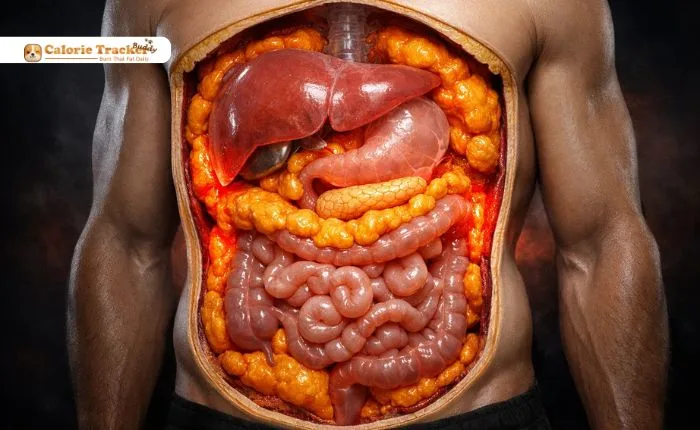
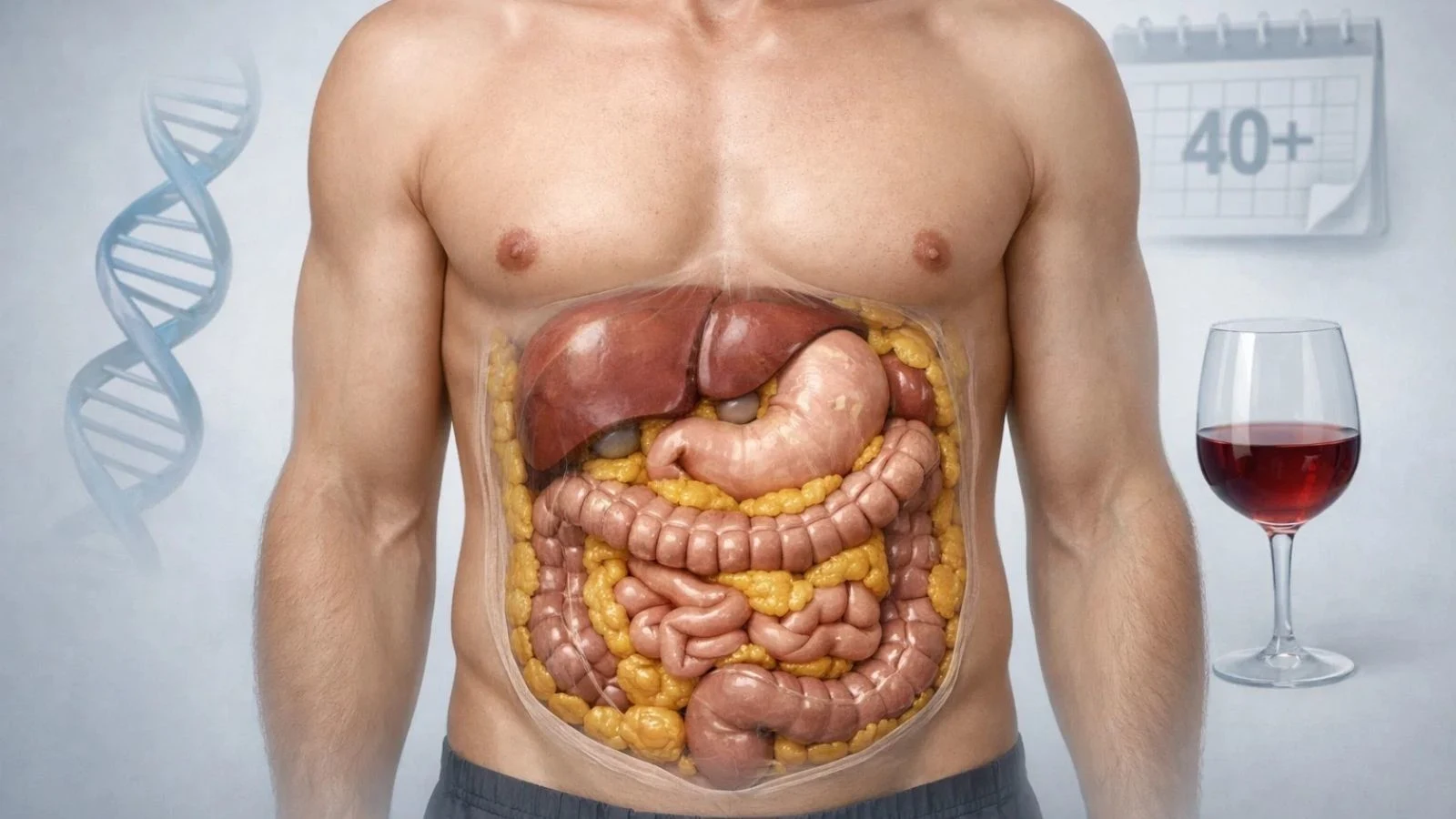
When looking at yourself in a mirror, what you see may not accurately display all your body fat. Substantial quantities of body fat exist beneath the skin on various parts of your body; however, those parts reside inside your abdominal cavity (the part of your body that contains most of your internal organs) and surround your vital organs. This can’t be pinched or seen, nor can the vast majority of individuals even know if they have any.
This invisible fat source is known as visceral fat, which could affect your health in more ways than you think. Understanding this type of fat may be one of the biggest secrets to living a healthier life.
In A Hurry? Listen To The Podcast Instead!
What Is Visceral Fat?
Unlike superficial fat (subcutaneous) that sits just beneath your skin, visceral fat, the type that Burns The Most Belly Fat when targeted correctly, forms around vital organs such as the liver, pancreas, and intestines. This fat is located deeper inside the abdominal cavity and is commonly referred to as “belly fat.” Externally, you may appear lean, yet still carry a significant amount of deep visceral fat, a condition often described as being “skinny fat.”
The key difference between subcutaneous and visceral fat is that visceral fat is metabolically active, meaning it produces substances that influence how other systems in the body function. As a result, visceral fat increases inflammation and disrupts normal metabolic processes.
Beyond inflammation, visceral fat releases hormones and chemicals similar to those produced by endocrine organs, significantly increasing the risk of serious health conditions such as type 2 diabetes, heart disease, certain cancers, and stroke.
Why Visceral Fat Is More Dangerous Than You Think:
The location of visceral fat makes it particularly problematic. Because it’s positioned so close to your portal vein, which carries blood from your intestines to your liver, the fatty acids and inflammatory substances it produces have direct access to your bloodstream. This proximity allows visceral fat to significantly impact your metabolic health.
Research shows that excess visceral fat can lead to insulin resistance, where your cells stop responding effectively to insulin. This forces your pancreas to produce more insulin, eventually leading to elevated blood sugar levels and potentially type 2 diabetes. Additionally, the inflammatory compounds released by visceral fat can damage blood vessel walls, contributing to high blood pressure and increasing the risk of cardiovascular disease.
Women are particularly vulnerable to visceral fat accumulation after menopause, when hormonal changes shift fat storage patterns from the hips and thighs to the abdomen. Men, on the other hand, are naturally more prone to storing visceral fat throughout their adult lives.
How To Lose Visceral Fat: Evidence-Based Strategies:
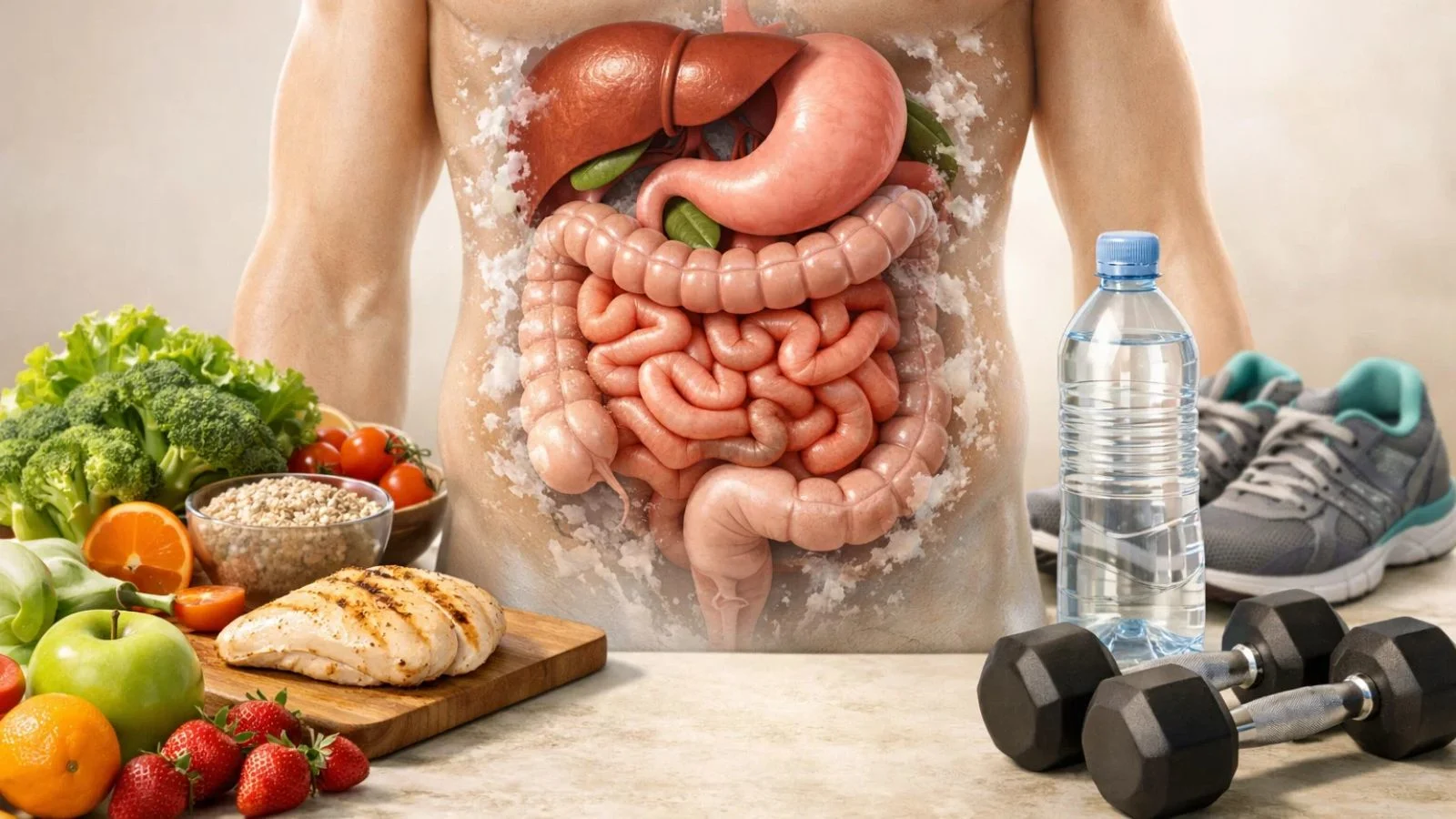
The good news is that there are several ways to change your lifestyle, which will help you burn off visceral fat. Actually, visceral fat is typically the first fat to be utilized by your body when you begin eating healthy foods and exercising more. Below you’ll find proven methods for getting rid of visceral fat easily.
1. Prioritize Whole Foods and Cut Added Sugars:
Your diet plays a crucial role in managing visceral fat levels. Focus on eating plenty of vegetables, fruits, lean proteins, and whole grains while minimizing processed foods, refined carbohydrates, and added sugars. Sugar-sweetened beverages are particularly problematic; studies show they’re strongly linked to increased visceral fat accumulation.
Instead of restrictive dieting, aim for a balanced approach that creates a moderate calorie deficit. Crash diets might show quick results on the scale, but they’re often unsustainable and can lead to muscle loss rather than fat loss.
2. Incorporate Regular Exercise:
Both aerobic exercise and strength training are effective at reducing visceral fat. Moderate-intensity activities like brisk walking, cycling, or swimming for at least 30 minutes most days of the week can make a significant difference. High-intensity interval training (HIIT) has also shown particular promise in targeting visceral fat.
Don’t neglect resistance training either. Building lean muscle mass boosts your metabolism and helps your body burn more calories even at rest, making it easier to maintain a healthy weight and keep visceral fat in check.
3. Manage Stress and Prioritize Sleep:
Chronic stress triggers the release of cortisol, a hormone that promotes fat storage in the abdominal area. Finding healthy ways to manage stress, whether through meditation, yoga, deep breathing, or hobbies you enjoy, can help prevent visceral fat accumulation.
Quality sleep is equally important. Adults who consistently get less than six hours of sleep per night tend to have more visceral fat than those who sleep seven to eight hours. Poor sleep disrupts hormones that regulate hunger and metabolism, making it harder to maintain healthy eating habits.
Signs You Are Losing Visceral Fat:
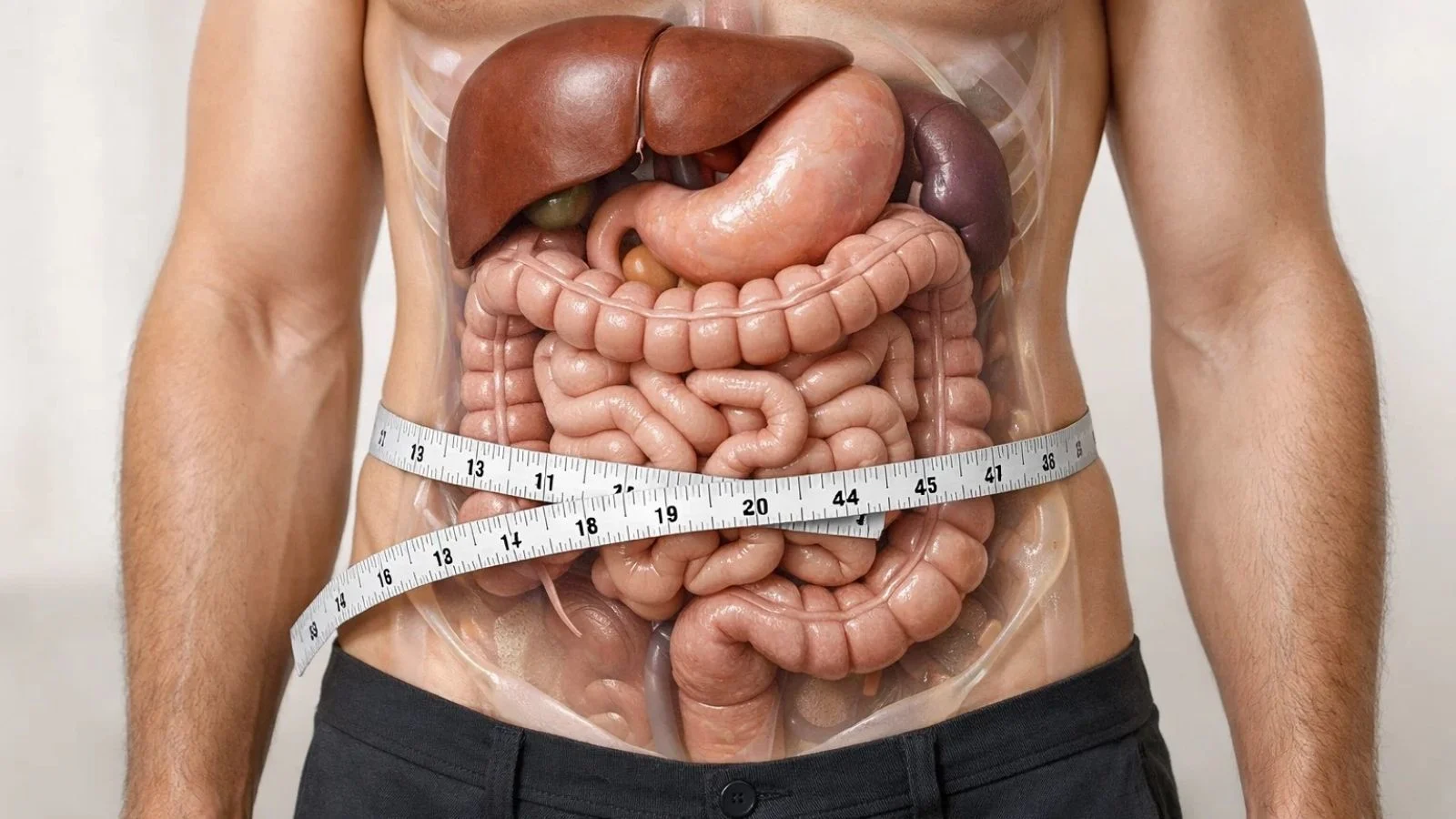
For maintaining your motivation and tracking your progress, it’s crucial to track your progress. The simple bathroom scale is not an effective way to assess visceral fats, but some indicators show that progress is being made, including: Waist circumference decreasing over time (Men ≥ 40 inches, women ≥ 35 inches).
The waist should be measured at the narrowest part of your mid-section(usually just above the belly button) to monitor progress over a period of time. Your energy levels are improving. As visceral fat decreases, many people report feeling more energetic throughout the day. You might also notice better sleep quality and improved mood. Your clothes are fitting differently around the midsection. Even if the number on the scale isn’t dropping dramatically, losing inches around your waist is a strong sign that you’re reducing dangerous visceral fat.
Also Read:
Track Your Progress With Calorie Tracker Buddy:
Managing visceral fat requires consistent effort and accurate tracking of your nutrition and activity. Calorie Tracker Buddy makes this process simple and enjoyable with its innovative photo-based meal tracking system. Just snap a picture of your food, and the app instantly calculates calories and provides nutritional insights.
What sets Calorie Tracker Buddy apart is your personalized virtual buddy who grows healthier as you make better choices. The app tracks your daily calorie intake and burn and monitors your steps.
How to Monitor and Track Calories with Calorie Tracker Buddy:
1. Snap Your Meal: Take a quick photo of your food using the in-app camera. The photo-based tracking system automatically identifies the meal.
2. Get Instant Calorie & Macro Breakdown: The app instantly calculates total calories and breaks down key macros, proteins, carbohydrates, and fats, along with essential nutritional insights.
3. Review & Adjust if Needed: Check portion sizes or ingredients and make quick edits to ensure accurate tracking.
4. Track Daily Intake Automatically: All logged meals are added to your daily calorie and macro count, giving you a clear picture of your consumption throughout the day.
5. Monitor Activity & Calorie Burn: The app tracks your steps and physical activity to calculate calories burned, helping you maintain a healthy balance.
6. Follow Your Virtual Buddy’s Progress: As you make healthier food and activity choices, your personalized virtual buddy grows healthier, keeping you motivated and consistent.
7. Analyze Trends & Stay Consistent: View daily and weekly insights to understand eating patterns, macro distribution, and progress toward your health goals.
How To Get Rid Of Visceral Fat: Long-Term Lifestyle Changes:
Sustainable results require permanent lifestyle adjustments rather than temporary fixes. Here’s how to create lasting change: Make gradual, realistic changes to your eating habits. Instead of eliminating entire food groups, focus on portion control and choosing nutrient-dense options most of the time. Allow yourself occasional treats to prevent feelings of deprivation that often lead to binge eating.
Build physical activity into your daily routine. Take the stairs instead of the elevator, park farther from building entrances, or schedule walking meetings. These small changes add up over time and help maintain the calorie deficit needed to reduce visceral fat. Stay consistent even when progress seems slow. Reducing visceral fat takes time, and you might not see dramatic changes immediately.
Trust the process and remember that internal improvements are happening even before they become visible externally. Consider working with a registered dietitian or certified personal trainer who can provide personalized guidance based on your specific situation, health conditions, and goals.
Understanding Your Risk Factors:
Visceral fat levels can be influenced by certain aspects other than just diet and exercise. One such aspect that may contribute to the amount of visceral fat one has is genetics. Depending on where one’s body stores fat and how one’s body stores fat, it is genetically determined. However, it is important to note that even if you are genetically predisposed to storing fat in your midsection, modifying your lifestyle will still have a critical impact on reducing the levels of visceral fat you have.
Age is also a factor. Generally, as men and women get older (age 40+), they tend to accumulate visceral fat; therefore, developing healthy habits is important from your younger years, and sustaining those habits throughout your life is equally important.
Alcohol has been adversely associated with visceral fat accumulation. Therefore, when consumed excessively, alcohol contributes to the level of visceral fat. If you do consume alcohol, remember to practice moderation; therefore, women should limit themselves to one drink per day, and men should limit themselves to two drinks per day.
Conclusion:
Even though visceral fat is not visible from the outside, it impacts your health in very real ways. If you understand what visceral fat is and implement an evidence-based approach to reducing it, you can improve your metabolic health and decrease your chances of developing significant diseases. The process of losing visceral fat will take patience and consistency; however, better energy levels, improved health markers, and decreased risk of disease will be well worth making the effort in your journey toward reducing visceral fat.
FAQ’s:
Q1: Can you lose visceral fat without losing weight overall?
Ans: Yes, it’s possible through body recomposition, building muscle while losing fat. Strength training combined with adequate protein intake can help you reduce visceral fat while maintaining or even increasing lean muscle mass.
Q2: How long does it take to reduce visceral fat?
Ans: With consistent diet and exercise changes, most people begin seeing reductions in visceral fat within 6-12 weeks. However, individual results vary based on starting levels, adherence to healthy habits, and other factors.
Q3: Is spot reduction of belly fat possible?
Ans: No, you cannot target visceral fat specifically through abdominal exercises alone. A comprehensive approach combining diet, cardio, and strength training throughout your entire body is most effective for reducing visceral fat levels.