


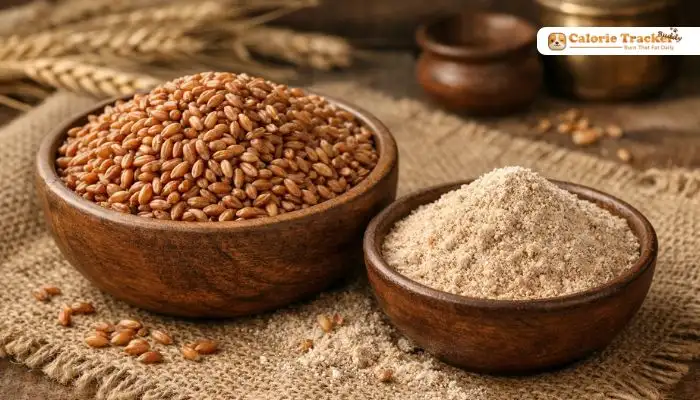
Khapli wheat is creating waves in the health and wellness community, and for good reason. This ancient grain, revered for centuries in India, is making a powerful comeback as people search for healthier alternatives to modern wheat varieties. If you’re wondering what makes this grain so special and whether it deserves a spot in your kitchen, you’re in the right place. In a world where processed foods dominate our diets, this wholesome, nutrient-dense option stands out as something our ancestors relied on for optimal health.
Listen To The Podcast Now!
What Is This Ancient Grain?
Khapli wheat, also known as emmer wheat, is one of the oldest cultivated grains in human history. Dating back over 10,000 years, this heritage grain has been a staple in Indian diets, particularly in the Karnataka and Maharashtra regions. Unlike modern wheat varieties that have been heavily hybridized, it remains pure and unadulterated, making it easier to digest and nutritionally intact.
The grain features a distinctive reddish-brown hue and comes in the form of emmer wheat berries, which are slightly longer than regular wheat grains. What is emmer wheat, exactly? It’s a hulled wheat species scientifically known as Triticum dicoccum, which means it retains its protective outer layer during harvest, preserving more nutrients, fibre, and naturally occurring Wheat Protein compared to refined wheat.
The Nutritional Powerhouse:
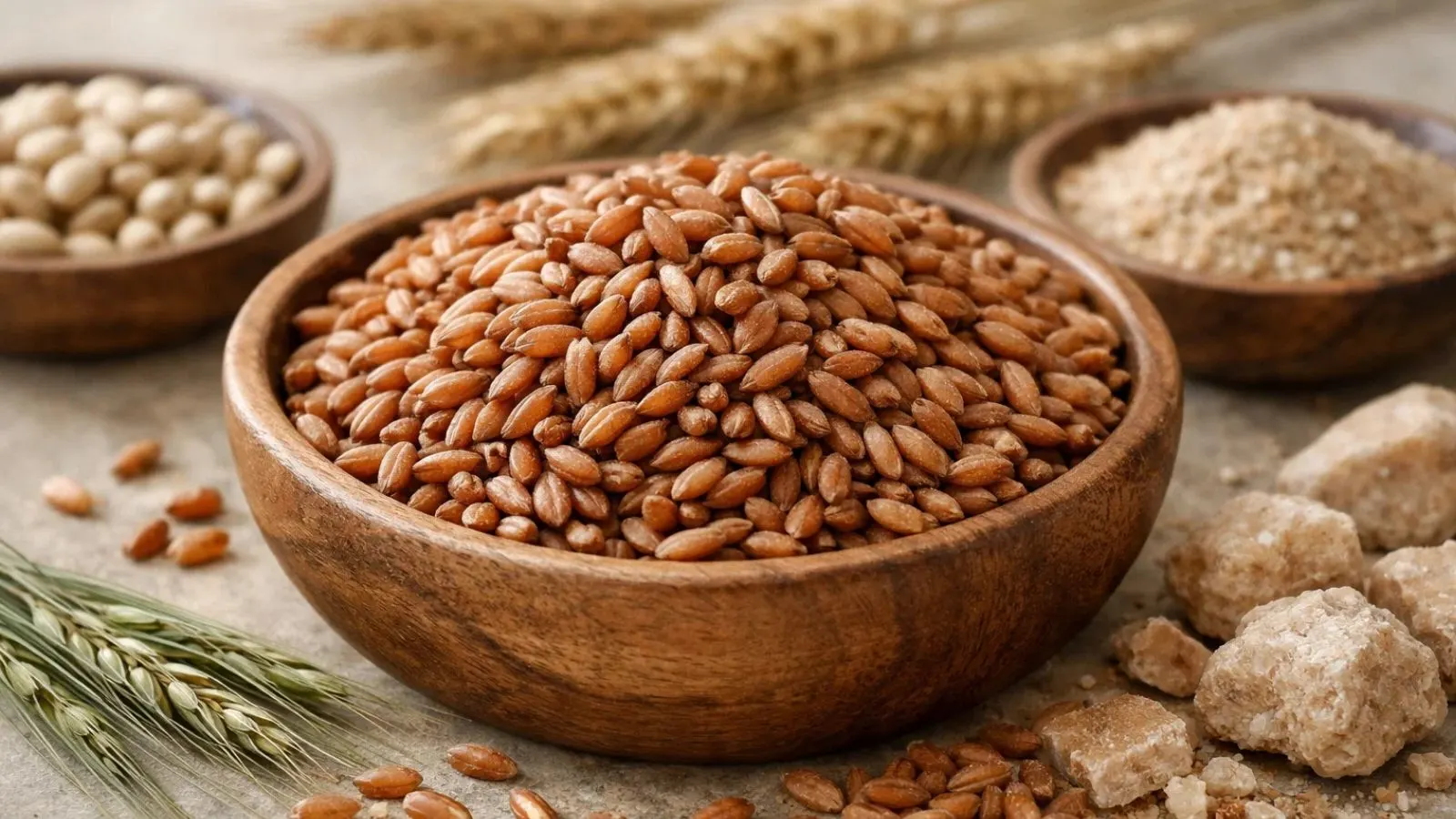
One of the primary reasons khapli wheat has earned its superfood status is its impressive nutritional profile. This ancient grain is packed with essential vitamins, minerals, and fiber that support overall health. The grain contains higher levels of protein compared to regular wheat, making it an excellent choice for vegetarians seeking plant-based protein sources. It’s also rich in B vitamins, particularly B1, B2, and B3, which play crucial roles in energy metabolism and nervous system function.
It boasts significant amounts of minerals, including iron, magnesium, zinc, and phosphorus. What sets this superfood apart is its low glycemic index, which releases sugar slowly into the bloodstream. The fiber content is substantially higher than that of modern wheat varieties, promoting digestive health and supporting weight management.
Health Benefits That Make This Superfood Worth Trying:
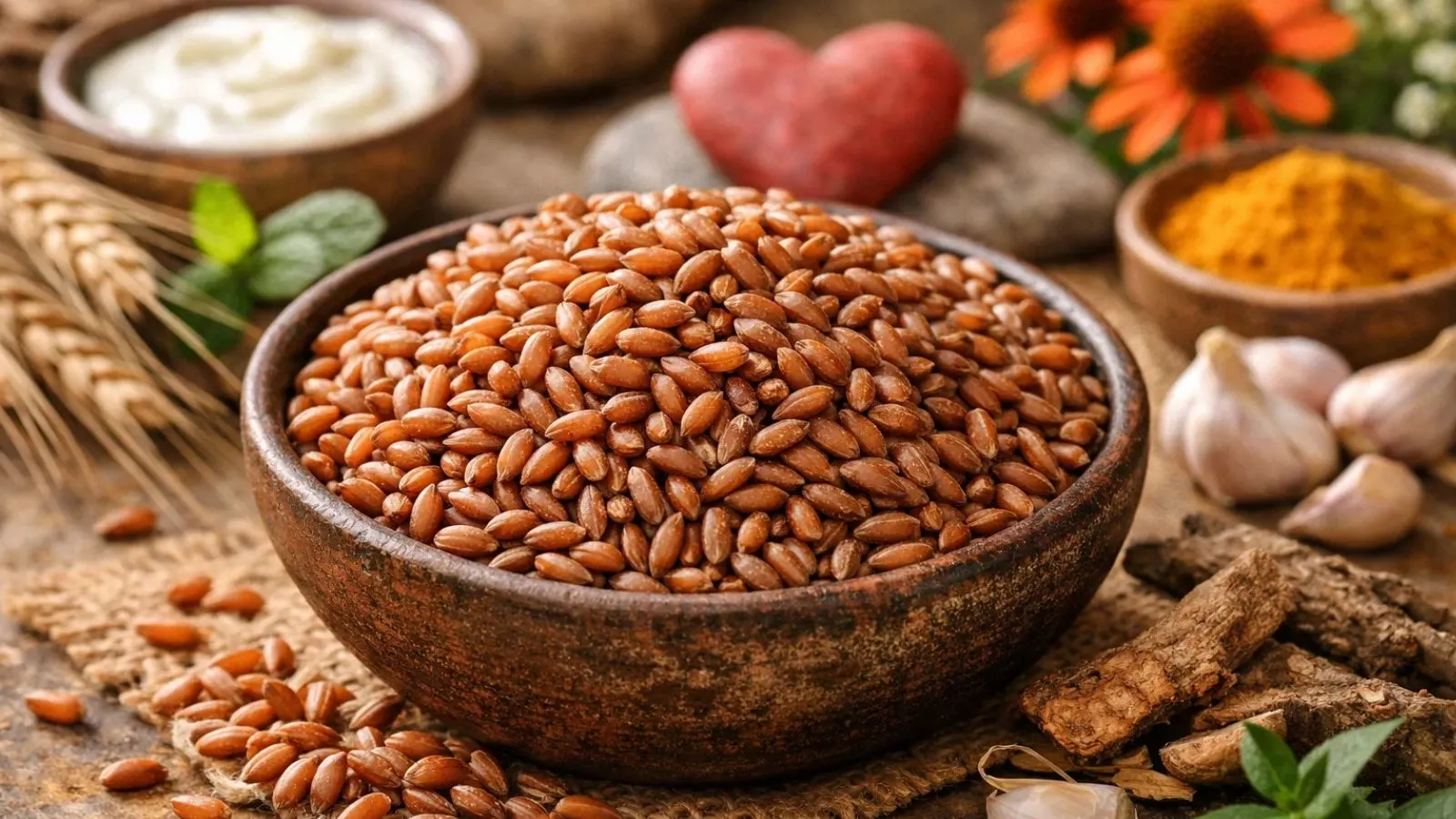
1. Better Digestion and Gut Health:
The high fiber content promotes healthy digestion and regular bowel movements. Unlike refined wheat, which can cause digestive discomfort in some people, khapli wheat is easier to digest due to its unique gluten structure. Many individuals who experience mild wheat sensitivity find that they can tolerate this ancient grain better than conventional wheat varieties.
2. Blood Sugar Management:
For those managing diabetes or watching their blood sugar levels, this grain is a game-changer. Its low glycemic index means it doesn’t cause rapid spikes in blood glucose levels. This makes it an excellent choice for diabetics and anyone looking to maintain steady energy throughout the day.
3. Heart Health and Weight Management:
The presence of magnesium and antioxidants contributes to cardiovascular health. Regular consumption may help reduce bad cholesterol and support healthy blood pressure. Its high fiber and protein content keep you full longer, supporting weight management goals.
4. Enhanced Immunity:
The vitamins, minerals, and antioxidants work together to strengthen the immune system, providing your body with nutrients to fight infections.
Khapli Wheat Flour: Your Everyday Healthy Alternative:
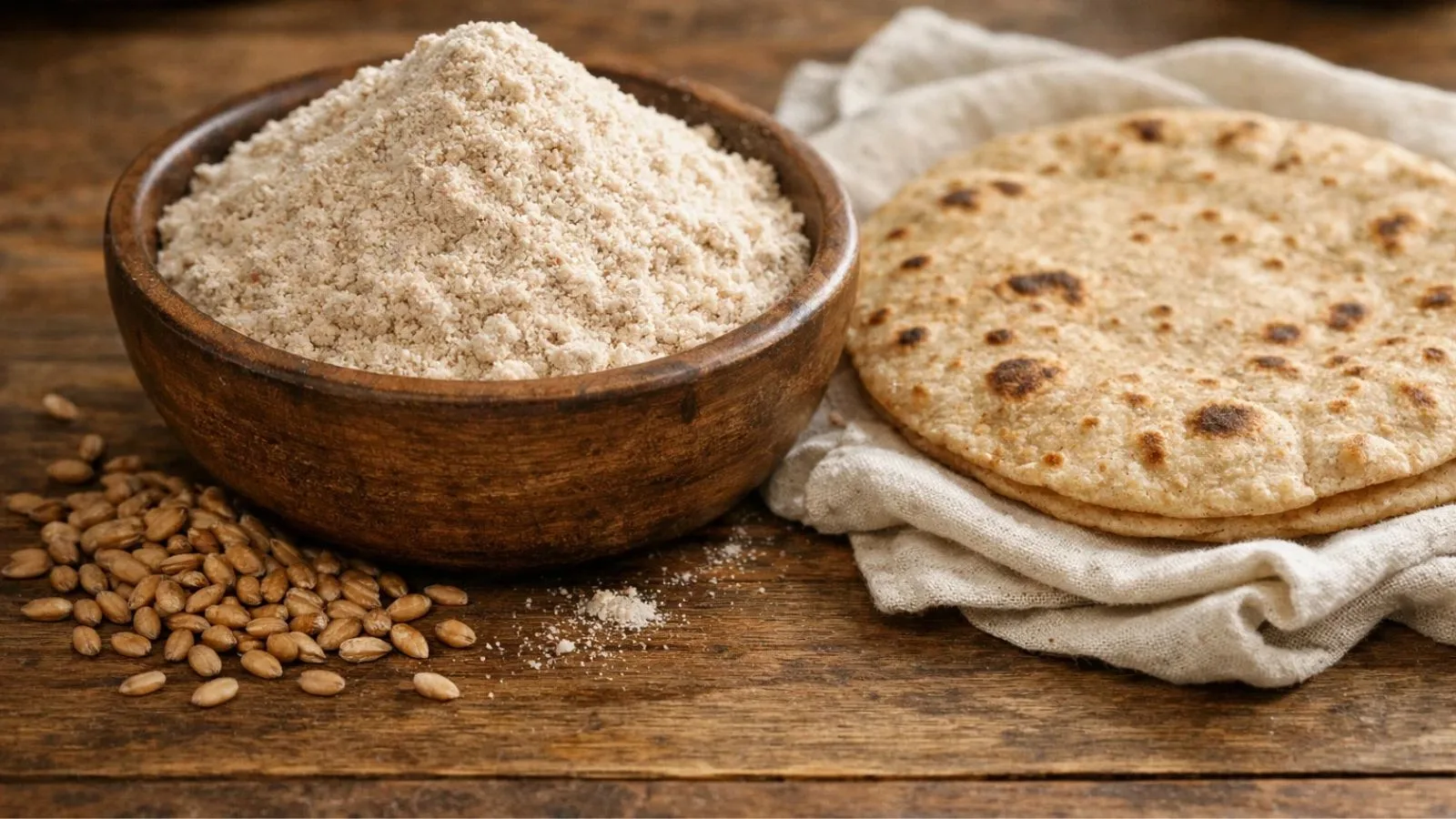
Khapli wheat flour has become increasingly popular among health-conscious home cooks and bakers. This whole grain flour retains all the nutritional benefits of the original grain, making it a superior alternative to refined all-purpose flour.
When you use this flour in your cooking, you’re getting all the fiber, vitamins, and minerals that are stripped away during the refining process of regular wheat. The flour has a slightly nutty flavor and a darker color compared to white flour, which adds depth and character to your baked goods and traditional dishes.
Many people use khapli wheat flour to make rotis, chapatis, bread, and cookies. While it may take some getting used to, the health benefits make the adjustment worthwhile. The flour tends to absorb more water than regular wheat flour, so you may need to adjust your recipes slightly.
Also Read:
Is Seitan Healthy? Everything You Need To Know About This Wheat Protein
Calorie Dense Food On A Budget: Affordable Options For Every Meal
Track Your Nutrition Journey with Calorie Tracker Buddy:

Speaking of making healthier food choices, maintaining a balanced diet requires awareness of what you’re eating. That’s where Calorie Tracker Buddy comes in handy. This innovative app makes nutrition tracking fun and effortless with its photo-based meal logging system.
Simply snap a picture of your meals made with emmer wheat flour, or any other food, and the app instantly calculates calories, macros, and nutritional information.
Your adorable virtual pet buddy keeps you motivated throughout your health journey, growing stronger as you make better food choices. This app also tracks your daily steps, water intake, and calorie burn, giving you a complete picture of your wellness efforts. With real-time feedback and personalized tips, Calorie Tracker Buddy transforms healthy eating from a chore into an engaging experience.
How to Use This Ancient Grain in Your Kitchen:
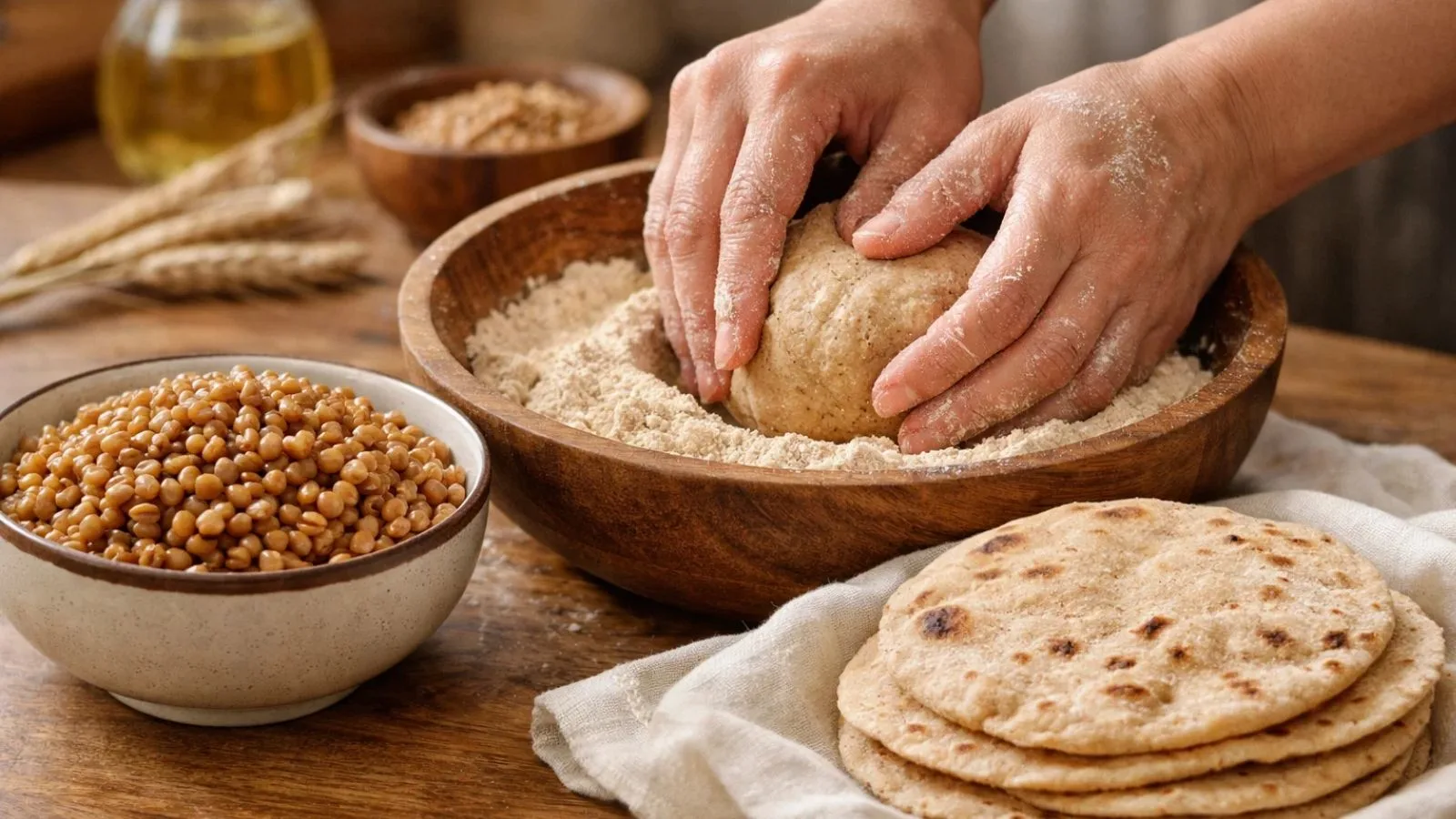
Incorporating this nutritious grain into your daily diet is easier than you might think. Here are some practical ways to enjoy it.
1. Whole Grain Preparations:
Emmer wheat berries can be cooked whole and used in salads, soups, or as a side dish. Simply rinse the berries thoroughly, soak them overnight, and cook them in water or broth until tender. They have a chewy texture and a nutty flavor.
2. Baking and Cooking with Flour:
Substitute khapli wheat flour for regular wheat flour in most recipes. Start by replacing 25-50% of the flour in your favorite recipes, gradually increasing the proportion as you adjust to the taste and texture. The flour works particularly well in Indian flatbreads like rotis and parathas. You can also use it to make healthier versions of cookies, muffins, and quick breads.
3. Traditional Indian Dishes:
In traditional Indian cooking, this flour shines in preparations like dosas, idlis, and upma. The flour can be fermented to create nutritious breakfast dishes that are both delicious and gut-friendly.
Comparing With Regular Wheat:
While both are wheat varieties, khapli wheat and modern wheat differ significantly. Modern wheat has been extensively bred for higher yields and easier processing, often at the cost of nutritional value. This ancient variety remains close to its original form.
The protein structure is different from that of modern wheat, which explains why some people with mild gluten sensitivity find it easier to digest. However, it’s not gluten-free and should be avoided by those with celiac disease. The mineral and vitamin content is notably higher than that of regular wheat, partly because it’s typically consumed in its whole grain form.
Where to Buy and How to Store:
Finding quality products has become easier with the growing awareness about ancient grains. Many health food stores, organic markets, and online retailers now stock this superfood and its flour. When shopping, look for certified organic options to ensure you’re getting the purest form without pesticides or chemicals.
Khapli wheat flour should be stored in an airtight container in a cool, dry place. Because it contains the nutrient-rich germ and bran, it has a shorter shelf life than refined flour. For the best quality, use within three to four months. Whole emmer wheat berries have a longer shelf life when stored properly in airtight containers away from moisture and heat. They can last up to a year or more under ideal conditions.
Making the Switch: Tips for Beginners:
If you’re new to this ancient grain, start slowly to allow your palate to adjust. Begin by mixing the flour with regular wheat flour in a 1:1 ratio. As you grow accustomed to the taste, gradually increase the proportion. Experiment with different recipes to find what works best for your family. Remember that because this grain is more nutrient-dense than refined flour, you might need slightly smaller portions to feel satisfied.
Conclusion:
Khapli wheat truly deserves its reputation as a superfood. This ancient grain offers a wealth of nutritional benefits, from better blood sugar control to improved digestion and heart health. Whether you choose the flour for your daily rotis or experiment with whole emmer wheat berries in salads and soups, you’re making a smart choice for your health and well-being. As more people rediscover the wisdom of traditional foods, this grain stands as a testament to the fact that sometimes the old ways really are the best ways.
FAQ’s:
Q1: Is khapli wheat gluten-free?
Ans: No, it contains gluten and is not suitable for people with celiac disease. However, some people with mild wheat sensitivity may tolerate it better than modern wheat varieties.
Q2: Can diabetics eat khapli wheat?
Ans: Yes, it has a low glycemic index, making it a better choice for diabetics compared to regular wheat. Always consult your healthcare provider before making dietary changes.
Q3: How does it taste?
Ans: It has a slightly nutty, earthy flavor that’s more pronounced than regular wheat. Most people find it pleasant once they adjust to the difference.
Q4: Where can I buy khapli wheat flour?Ans: It’s available at health food stores, organic markets, and online retailers. Look for certified organic options for the best quality.