


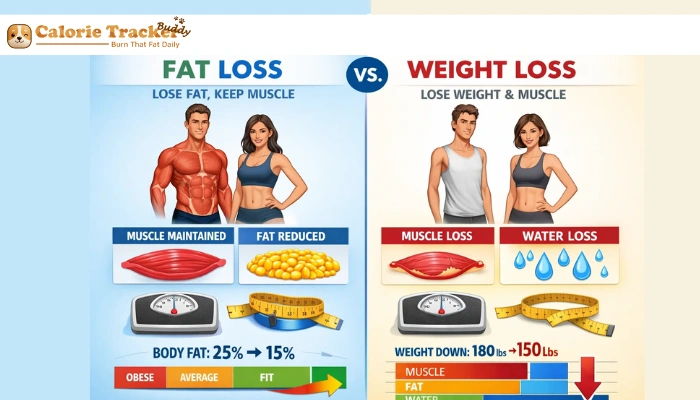
Most people step on a scale, see a lower number, and feel successful. The problem starts when that number becomes the only measure of progress. Many fitness journeys stall or fail because people chase weight loss without understanding what actually changes inside the body. The confusion between fat loss vs weight loss leads to frustration, plateaus, and rebound weight. Clothes still feel tight. Energy drops. Strength disappears. Yet the scale claims success.
This gap exists because weight loss does not always mean fat loss. Real transformation depends on body composition, not just body weight. When goals focus on fat loss vs weight loss, results become visible, sustainable, and healthier. This guide clears the confusion, breaks common myths, and shows how to track real progress without obsession.
In a hurry? Listen to the blog instead!
Weight Loss Vs Fat Loss: Understanding The Core Difference
Many people treat weight loss and fat loss as the same goal, but they lead to very different results. Weight loss simply means the number on the scale goes down. That drop can come from water, muscle, or fat, and not all of it improves health or appearance.
Fat loss focuses on reducing stored body fat while protecting muscle. This approach improves body shape, strength, energy, and long-term health. When you understand this difference, you stop chasing quick scale changes and start building habits that support real progress, better performance, and lasting results.
What Is Weight Loss And What Does It Include?
Weight loss refers to a drop in total body weight. That number includes several components:
- Body fat.
- Muscle mass.
- Water weight.
- Glycogen is stored in muscles.
- Digestive contents.
A fast drop on the scale often comes from water loss or muscle loss. Low-carb diets, dehydration, stress, and sodium shifts cause sudden changes. None of these guarantees fat reduction.
This explains why weight returns quickly after strict diets. The body restores water and muscle before fat changes appear.
What Is Fat Loss And Why Does It Matter More?
Fat loss refers to a reduction in stored body fat while muscle stays protected. This process reshapes the body, improves metabolic health, and supports long-term results.
Fat loss vs weight loss matters because fat loss delivers:
- Better body composition
- Improved insulin response
- Stronger metabolism
- Higher energy levels
- Long-term weight control
Muscle burns more calories at rest. Protecting muscle supports future fat loss. This makes fat loss the smarter goal for lasting health.
Weight Loss vs Fat Loss: Which Is Better For Long-Term Health?
People often ask, weight loss vs fat loss which is better for lasting health. The answer stays clear every time. Fat loss improves heart health, supports stable blood sugar levels, balances hormones, and protects joint strength. Weight loss alone does not guarantee any of these outcomes.
When weight loss strips away muscle, metabolism slows down. The body then burns fewer calories at rest, which makes fat regain easier. This pattern explains why many strict diets fail over time.
Between fat loss vs weight loss, fat loss always delivers better long-term results, stronger health markers, and sustainable progress.
Short-Term Results Vs Sustainable Progress
Quick results feel exciting. Seeing the scale drop rapidly can be motivating, but these numbers often reflect water loss or muscle breakdown, not real fat loss.
Sustainable progress focuses on consistent habits and long-term trends rather than daily fluctuations. Fat loss takes time, but it produces lasting results, a healthier body composition, and improved performance.
When deciding between fat loss vs weight loss, choosing fat loss ensures your efforts lead to meaningful, permanent change.
Key Points to Remember:
- Rapid weight drops usually include water and muscle, not just fat.
- Fat loss requires time—slow and steady wins the race.
- Track weekly trends instead of obsessing over daily scale numbers.
- Focus on strength, energy, and body measurements, not just weight.
- Consistent nutrition and exercise habits lead to lasting results.
By prioritizing fat loss over sheer weight loss, you build a healthier body and avoid the frustrating cycle of losing and regaining weight.
How Body Composition Affects Your Results?
Two people can weigh the same but look completely different. Muscle density, fat distribution, and hydration levels create visible differences.
The scale cannot show this. Mirrors, clothes, strength levels, and measurements reveal the truth.
Fat loss vs weight loss becomes obvious once body composition takes priority.
Fat Loss vs Weight Loss Before and After: What Changes You Actually See
Photos often tell a stronger story than numbers. Fat loss vs weight loss before and after comparisons show dramatic changes even when the scale barely moves.
Waistlines shrink. Shoulders appear broader. Posture improves. These changes reflect fat reduction and muscle preservation.
Weight loss photos without fat loss often show a smaller body with less tone and lower energy.
Why The Scale Can Be Misleading?
Daily scale changes reflect hydration, sodium intake, sleep, and hormones. These factors hide real fat loss progress.
A single salty meal can mask weeks of fat loss. Panic follows. Motivation drops.
Tracking fat loss vs weight loss requires patience and perspective.
Real Signs You’re Losing Fat, Not Just Weight
Real fat loss shows clear signals:
- Clothes fit better
- Waist measurement drops
- Strength improves
- Energy feels stable
- Photos show definition
These signs matter more than a number.
Also Read:
Is a Balanced Diet for Weight Loss the Secret to Lasting Fat Loss?
Weight Loss Supplements: Are They Worth Adding to Your Routine?
Water Weight vs Fat Loss: Why the Scale Drops Fast at First
When people start a new diet or exercise routine, the scale often shows rapid drops in the first week. This can feel motivating, but it’s usually water weight, not fat. Understanding the difference between water weight vs fat loss is crucial to avoid misconceptions and stay focused on real results.
Several factors influence water weight:
- Carbohydrate Stores: Every gram of carbohydrate your body stores binds with water. Reducing carbs quickly releases water, causing a fast weight drop.
- Sodium Intake: High salt levels make your body retain water. Cutting processed foods or salty meals can lead to a sudden decrease in water weight.
- Stress Hormones: Cortisol and other stress hormones affect fluid balance, temporarily increasing water retention.
While these changes can make the scale fall dramatically, fat loss occurs gradually. True fat loss requires consistent calorie management, exercise, and habit-building. By focusing on fat loss vs weight loss, you can avoid frustration from temporary fluctuations and celebrate progress that truly improves body composition.
What Causes Water Weight Fluctuations?
Several factors affect water levels:
- Sodium intake
- Carbohydrate changes
- Hormonal cycles
- Sleep quality
- Stress levels
None of these reflects fat gain or fat loss.
How To Tell Water Weight Loss From Real Fat Loss?
Real fat loss appears through consistency. Measurements trend downward over weeks. Strength stays stable or improves. Clothes feel looser.
Water weight loss vs fat loss becomes clear with time and data.
Water Weight Loss vs Fat Loss: Which One Should You Track?
Focusing on daily water fluctuations can lead to frustration and disappointment when the weight rebounds. Instead, track fat loss trends through weekly averages, progress photos, and body measurements. This approach provides clarity, builds confidence, and ensures you’re making sustainable progress toward real, lasting results.
Why Chasing Water Weight Backfires
Extreme restriction causes water loss, muscle loss, and burnout. Once normal eating returns, water follows. Weight spikes.
This cycle damages trust in the process.
Smart Tracking Habits That Focus On Fat Loss
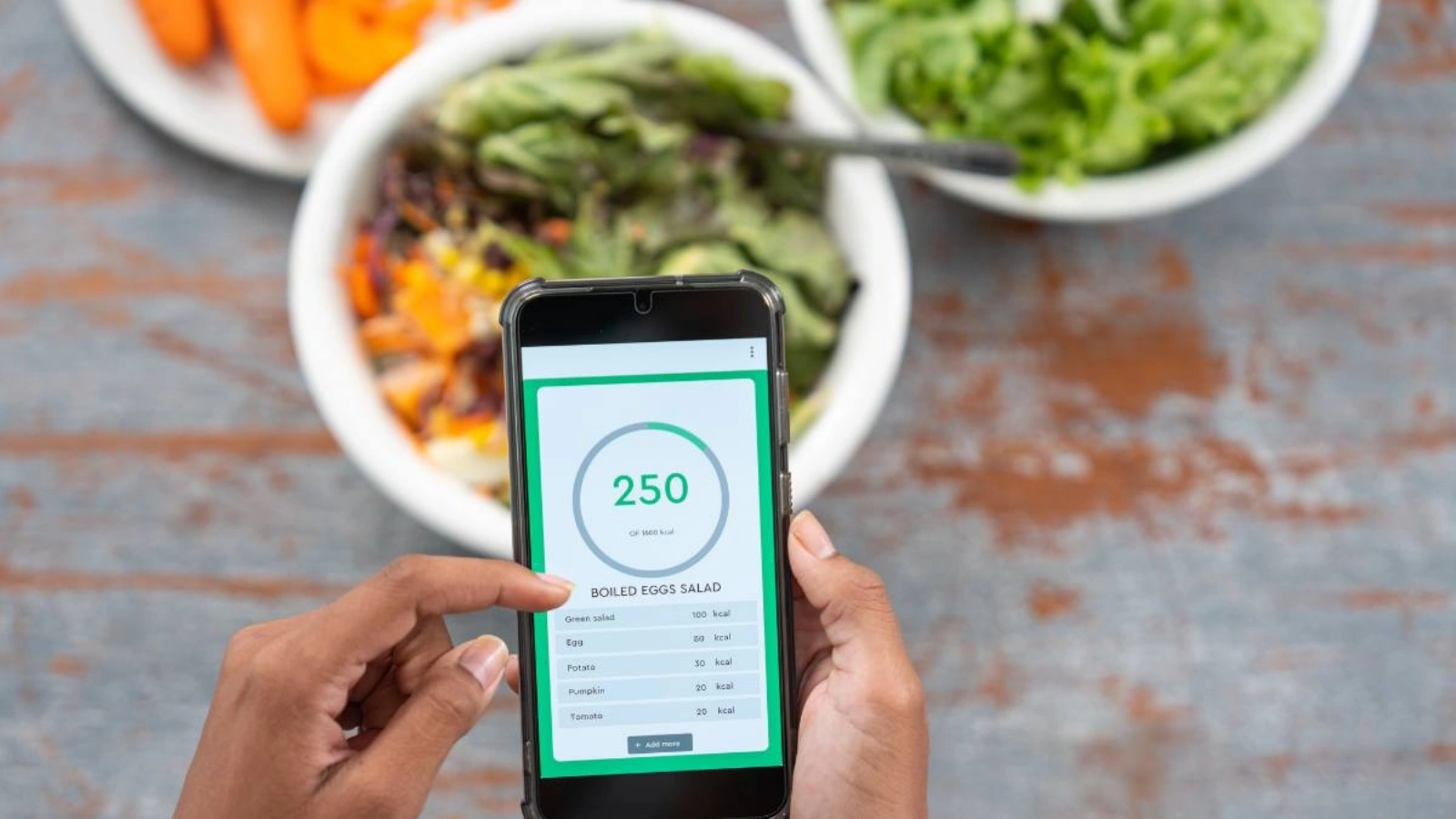
Effective tracking habits include:
- Weekly weight averages
- Progress photos
- Waist and hip measurements
- Strength records
- Consistent calorie awareness
These habits support fat loss vs weight loss goals.
How Tracking Calories Helps You Focus on Fat Loss?
Fat loss requires a calorie deficit. Awareness creates control. Guesswork leads to stalls.
Tracking intake helps balance nutrition without extreme cuts. Protein stays high. Energy stays stable. Muscle stays protected.
This creates the ideal environment for fat loss vs weight loss success.
How Calorie Tracker Buddy Makes Fat Loss Easier?
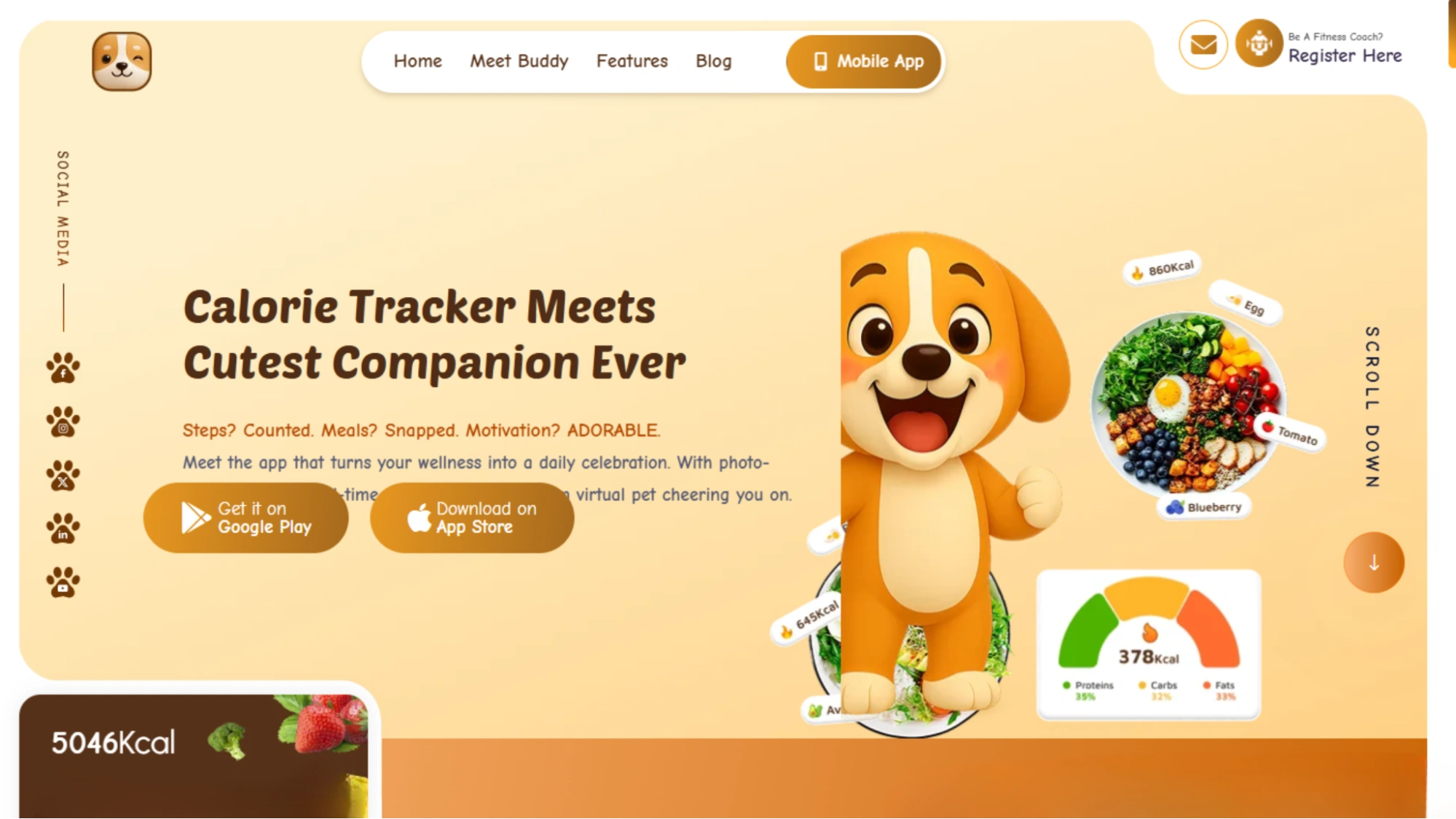
Consistency matters more than perfection when it comes to fat loss. This is where Calorie Tracker Buddy becomes a game-changer. Instead of obsessing over numbers on the scale, the app helps users focus on fat loss vs weight loss through smarter, stress-free tracking.
Key Features That Simplify Fat Loss:
- AI Meal Snap Tracking: Take a photo of your meals, and the app automatically logs calories, nutrients, and portion sizes, no manual entry needed.
- Burn vs Intake Clarity: Instantly see your calorie balance to ensure you maintain a healthy deficit for fat loss.
- Visual Progress Tracker: Track fat trends over time, not just scale numbers. Compare before-and-after stats and body composition changes.
- Daily Streaks & Habit Builder: Small daily wins reinforce consistency and create sustainable routines.
- Buddy Support & Motivation: Connect with friends or community members for encouragement, accountability, and shared progress.
- Nutrition Insights & Suggestions: Personalized tips on macros, protein intake, and portion control to support fat loss goals.
- Customizable Goals: Set realistic fat loss targets and adjust based on progress for smarter tracking.
With these tools, Calorie Tracker Buddy shifts focus from temporary weight drops to meaningful fat loss. Users can track trends, celebrate non-scale victories, and stay motivated, making the fat loss journey manageable and effective.
Common Myths About Fat Loss vs Weight Loss You Should Stop Believing
Many myths still dominate fitness advice:
- Crash diets burn fat fast
- Extreme cardio guarantees results
- Scale drops equal success
- Muscle loss helps fat loss
None of these supports long-term health. Fat loss vs weight loss requires balance, not extremes.
How To Shift From Weight Loss To Sustainable Fat Loss?
Shifting goals requires a strategy:
- Prioritize protein at each meal
- Strength train regularly
- Maintain a moderate calorie deficit
- Track trends, not days
- Focus on habits, not shortcuts
These steps protect muscle and support fat reduction.

Final Verdict
Numbers do not define progress. Bodies change through composition, not obsession. Fat loss vs weight loss determines whether results last or disappear. Fat loss builds strength, confidence, and health. Weight loss alone often creates frustration.
Choose tracking methods that reflect real change. Focus on consistency. Use tools that simplify the process. When fat loss becomes the goal, results finally make sense.
FAQs
- What is the main difference between fat loss and weight loss?
Weight loss reduces total body weight, including water and muscle, while fat loss specifically targets stored body fat for healthier results. - Can the scale be trusted to track fat loss?
Not entirely. Daily weight fluctuates due to water, sodium, and hormones. Use measurements, photos, and body composition instead. - How does Calorie Tracker Buddy help with fat loss?
It tracks meals with AI, monitors calorie balance, provides visual progress, and motivates through streaks and buddy support for smarter fat loss.