


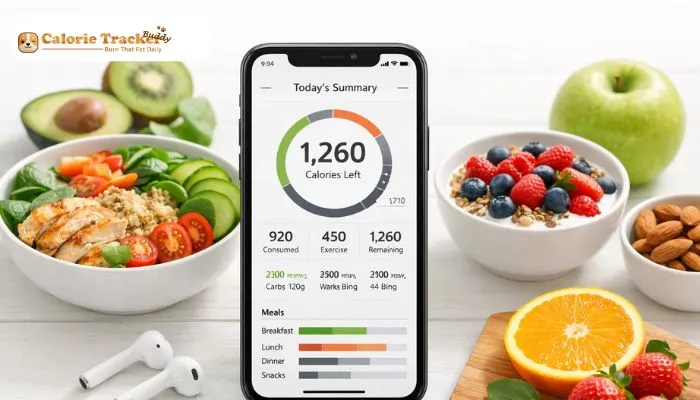
Understanding calorie intake is essential for anyone looking to manage their weight, improve energy, or maintain a healthy lifestyle. Many people struggle with weight loss because they underestimate how many calories they consume or burn each day. Tracking calories provides clarity, helping you make informed choices about food and portion sizes.
Counting calories isn’t about strict dieting or deprivation; it’s about awareness. By knowing how much energy your body needs and how much it receives from food, you can create a balance that supports your goals. For example, counting calories to lose weight becomes easier when you have a clear target, and you can adjust your meals accordingly.
Here, we’ll explore how to calculate your daily calorie needs, practical tips for tracking calories, and common mistakes to avoid.
You can listen to this blog here.
Why Paying Attention to Calorie Intake Is Key?
Calorie intake refers to the total number of calories you consume through food and beverages each day. Your body uses these calories for energy to perform daily activities, from walking and working to digesting food and maintaining basic bodily functions.
Managing your calories is essential because it directly affects your weight. Consuming more calories than your body burns leads to weight gain, while consuming fewer calories than you expend can promote weight loss. However, it’s not just about quantity—quality matters too. Nutrient-dense foods provide essential vitamins, minerals, and macronutrients that support overall health, whereas empty calories may lead to weight gain without proper nutrition.
Understanding how many calories to eat to lose weight depends on your goals, activity level, and metabolism. Tracking intake gives you control, helps prevent overconsumption, and allows you to make smarter choices without feeling deprived.
How to Figure Out Your Daily Calorie Needs
To manage your weight, it helps to know how many calories your body needs each day. Your calorie needs depend on things like your age, gender, weight, height, and how active you are.
A good place to start is your Basal Metabolic Rate (BMR)—this is the number of calories your body needs just to keep you alive and functioning while resting.
Next, you adjust for activity:
- Not very active: BMR × 1.2 (little or no exercise)
- Lightly active: BMR × 1.375 (light exercise 1–3 times a week)
- Moderately active: BMR × 1.55 (exercise 3–5 times a week)
- Very active: BMR × 1.725 (hard exercise most days)

After this, you get your total daily calorie needs:
- To maintain weight: eat around this amount.
- To lose weight: eat fewer calories than this (usually 500 fewer per day is safe).
- To gain weight: eat more calories, focusing on healthy foods.
Knowing your daily calorie needs makes it easier to plan meals and figure out how many calories to eat to lose weight without guessing.
Counting Calories to Lose Weight: Tips and Techniques
Counting calories is one of the most effective ways to manage weight. It helps you see exactly how much you’re eating and ensures you stay within your daily calorie goal.
Here are some practical tips for counting calories to lose weight:
- Track Everything You Eat: Include meals, snacks, and even drinks—small items can add up quickly.
- Read Nutrition Labels: Check the calories and serving sizes on packaged foods.
- Use Portion Control: Measuring food or using smaller plates can prevent overeating.
- Plan Your Meals: Preparing meals in advance helps you stay within your calorie target.
- Avoid Mindless Snacking: Be aware of when and why you eat between meals.
By consistently tracking your calories, you’ll better understand how your food choices affect your body and weight. It’s not about strict dieting—it’s about creating awareness and building healthy habits that last.
Apps and Tools to Track Calorie Intake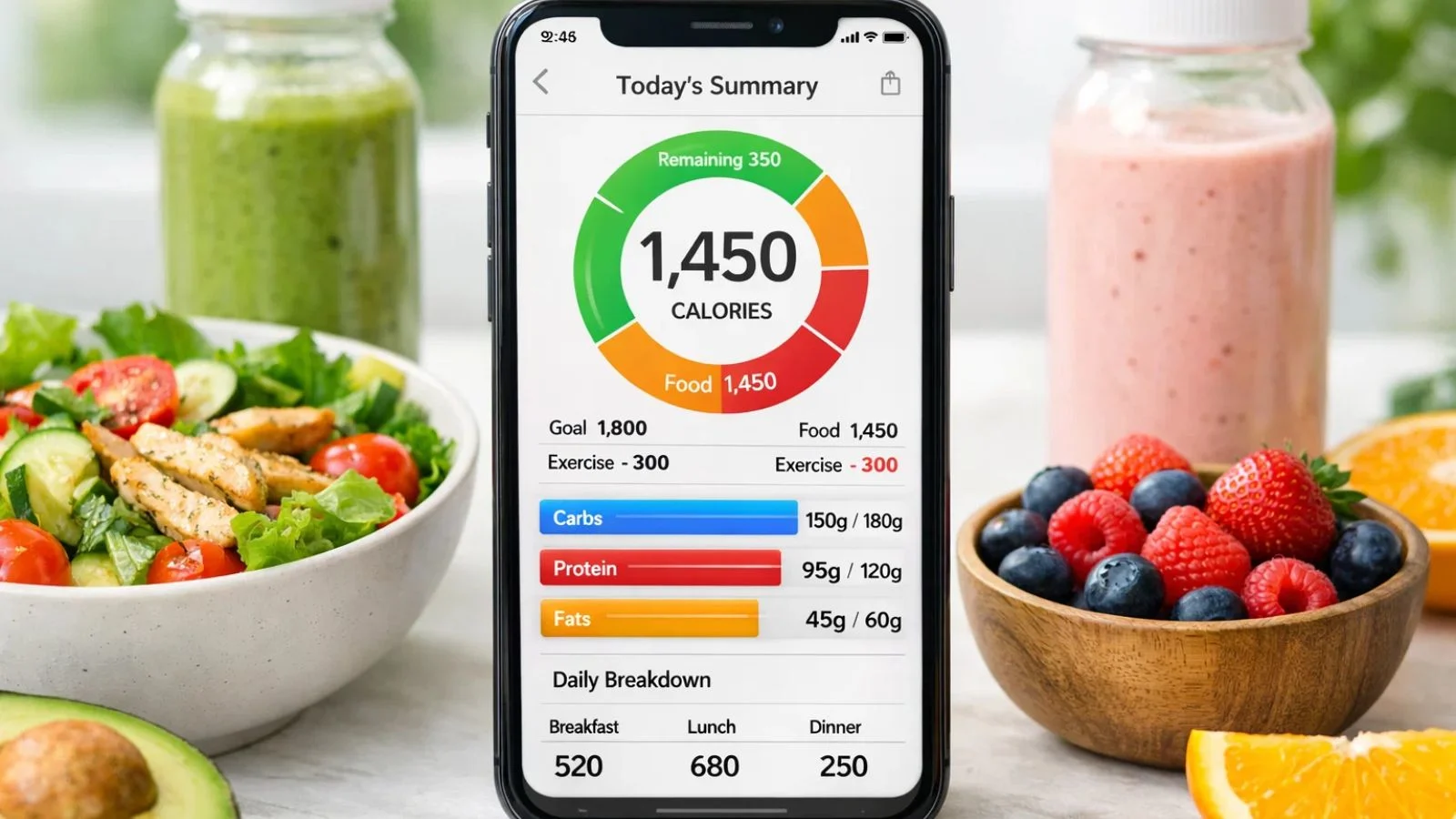
Tracking your calorie intake can be much easier with the help of technology. Using an app for tracking calories allows you to log meals, monitor progress, and make adjustments without guessing.
Benefits of using a calorie tracking app include:
- Quick Logging: Easily record meals, snacks, and drinks on the go.
- Track Macronutrients: Monitor protein, carbs, and fats to ensure balanced nutrition.
- Progress Monitoring: See daily, weekly, or monthly trends to stay on track with weight goals.
- Reminders and Notifications: Get alerts to log meals or stay within your calorie target.
- Data-Driven Insights: Identify patterns in eating habits to make smarter choices.
Apps make counting calories to lose weight simpler, more accurate, and sustainable. They remove the stress of manual tracking and help you stay consistent, which is key to achieving long-term results.
Calorie Tracker Buddy: Your Smart Calorie Tracking Companion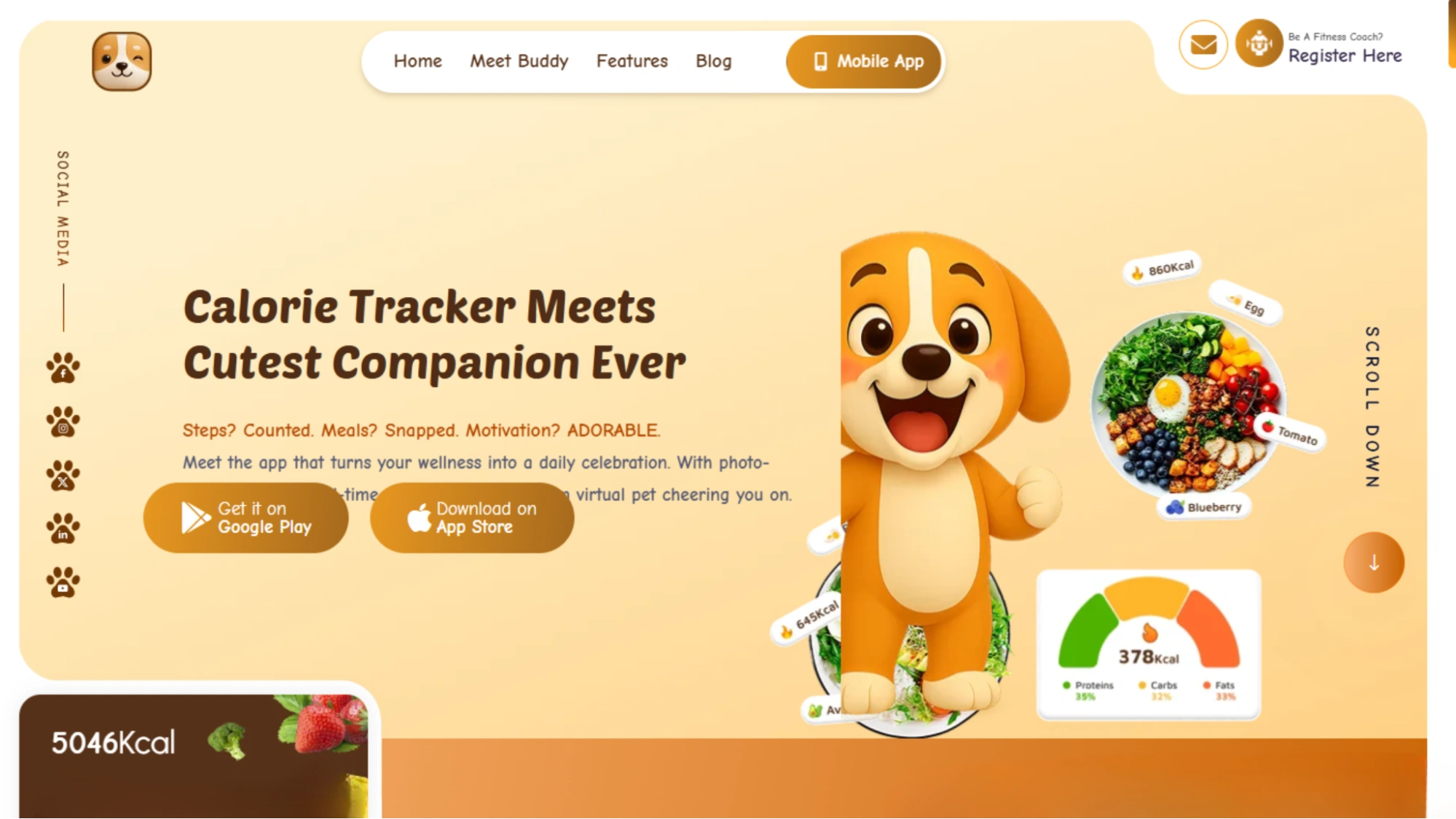
For anyone serious about managing their calories, Calorie Tracker Buddy makes tracking simple, accurate, and motivating.
🔹 Key Features of Calorie Tracker Buddy
- Easy Meal Logging
Quickly record meals, snacks, and drinks in just a few taps. - Personalized Daily Calorie Goals
Set goals based on your weight, activity level, and target outcomes. - Real-Time Tracking
Monitor calories consumed versus burned throughout the day. - Progress Reports and Analytics
Visualize trends and see how your calories impact weight over time.
Using Calorie Tracker Buddy takes the guesswork out of how many calories to eat to lose weight, helping you stay consistent, informed, and motivated on your health journey.
Balancing Calories With Nutrition
Managing your calorie intake isn’t just about the number of calories—it’s also about what you eat. Choosing nutrient-dense foods ensures your body gets the energy, vitamins, and minerals it needs while staying within your calorie goals.
Tips for balancing calories with nutrition:
- Prioritize Protein: Helps you feel full and supports muscle maintenance.
- Include Healthy Fats: Sources like nuts, seeds, and olive oil provide energy and essential fatty acids.
- Choose Complex Carbs: Whole grains, fruits, and vegetables provide steady energy and fiber.
- Limit Empty Calories: Reduce sugary drinks, desserts, and highly processed foods that add calories without nutrients.
- Stay Hydrated: Water is essential for metabolism and can reduce unnecessary snacking.
By focusing on quality calories, you not only support weight loss but also improve energy levels, satiety, and overall health. Combining calorie tracking with nutritious choices makes results more sustainable and enjoyable.
Mistakes When Tracking Calorie Intake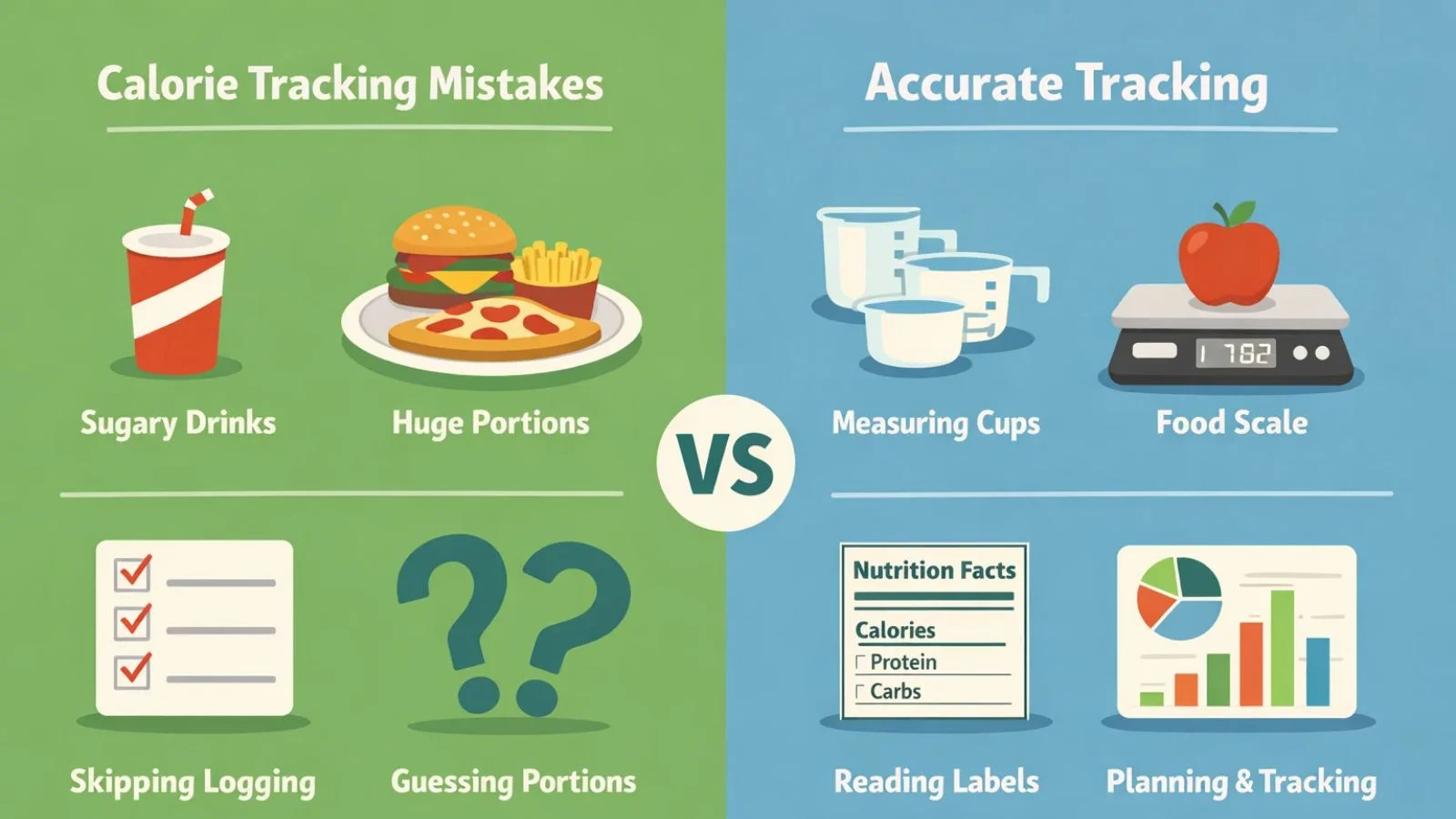
Even with the best intentions, many people make mistakes when tracking their calorie intake. Being aware of these pitfalls can help you stay on track and reach your goals faster.
mistakes to avoid:
- Ignoring Liquid Calories: Drinks like soda, juice, or alcohol can add significant calories that are easy to overlook.
- Underestimating Portions: Eyeballing servings often leads to consuming more calories than you think.
- Skipping Tracking Occasionally: Inconsistency can throw off your total calorie count and affect results.
- Focusing Only on Calories: Not all calories are equal—nutritional value matters for energy and health.
- Relying on Guesswork: Estimating calories instead of measuring or using reliable data can be inaccurate.
Avoiding these mistakes ensures that counting calories to lose weight is both accurate and sustainable. Remember, consistency and mindfulness are key to successful calorie management.
Practical Tips for Sustaining a Healthy Calorie Intake
Tracking your calorie intake is most effective when it becomes a consistent habit rather than a short-term effort. Here are some practical tips to make it sustainable:
- Plan Your Meals: Preparing meals ahead of time helps you stay within your calorie goals.
- Be Mindful of Portions: Use measuring cups or smaller plates to avoid overeating.
- Combine Tracking With Exercise: Activity boosts calorie burn and supports overall health.
- Stay Flexible: Allow yourself occasional treats without guilt, keeping the focus on long-term consistency.
- Review Your Progress Regularly: Tracking trends over time helps identify patterns and adjust strategies as needed.
By applying these habits, you can manage your calories effectively, maintain a healthy weight, and make tracking a stress-free part of your daily routine.
Take Control of Your Calorie Intake
Managing your calorie intake is a key step toward achieving weight loss, maintaining a healthy weight, and improving overall well-being. Understanding how many calories your body needs, tracking your meals, and making mindful food choices can make the process simple and effective.
Tracking calories isn’t about restriction—it’s about awareness and balance. By combining consistent monitoring with nutrient-rich foods, you can create sustainable habits that lead to long-term results. Tools like Calorie Tracker Buddy can make tracking easier, but the foundation is understanding your body’s needs and making conscious choices.
With patience, consistency, and mindful habits, managing your calorie intake can empower you to reach your health and fitness goals confidently.
Also read,
FAQs
Q1: How many calories should I eat to lose weight?
It depends on your age, gender, weight, activity level, and goals. Creating a safe calorie deficit of 500–750 calories per day is often recommended for sustainable weight loss.
Q2: Is counting calories necessary for weight loss?
While not mandatory, counting calories to lose weight can provide clarity, help you stay within your target, and prevent unintentional overeating.
Q3: Can tracking calories help with muscle gain?
Yes. By monitoring your calories intake, you can ensure you consume enough energy and protein to support muscle growth while balancing fat intake.