



We frequently neglect balanced nutrition because it’s simple to grab whatever food is convenient in our hectic lives. It can be difficult to determine what is actually healthy for you because there are so many contradictory trends and advice regarding what is “healthy.” Dietary guidelines can help you make better food choices and promote general well-being by providing clear, scientifically supported advice.
In a hurry? Listen to the blog instead!
What Are Dietary Guidelines?
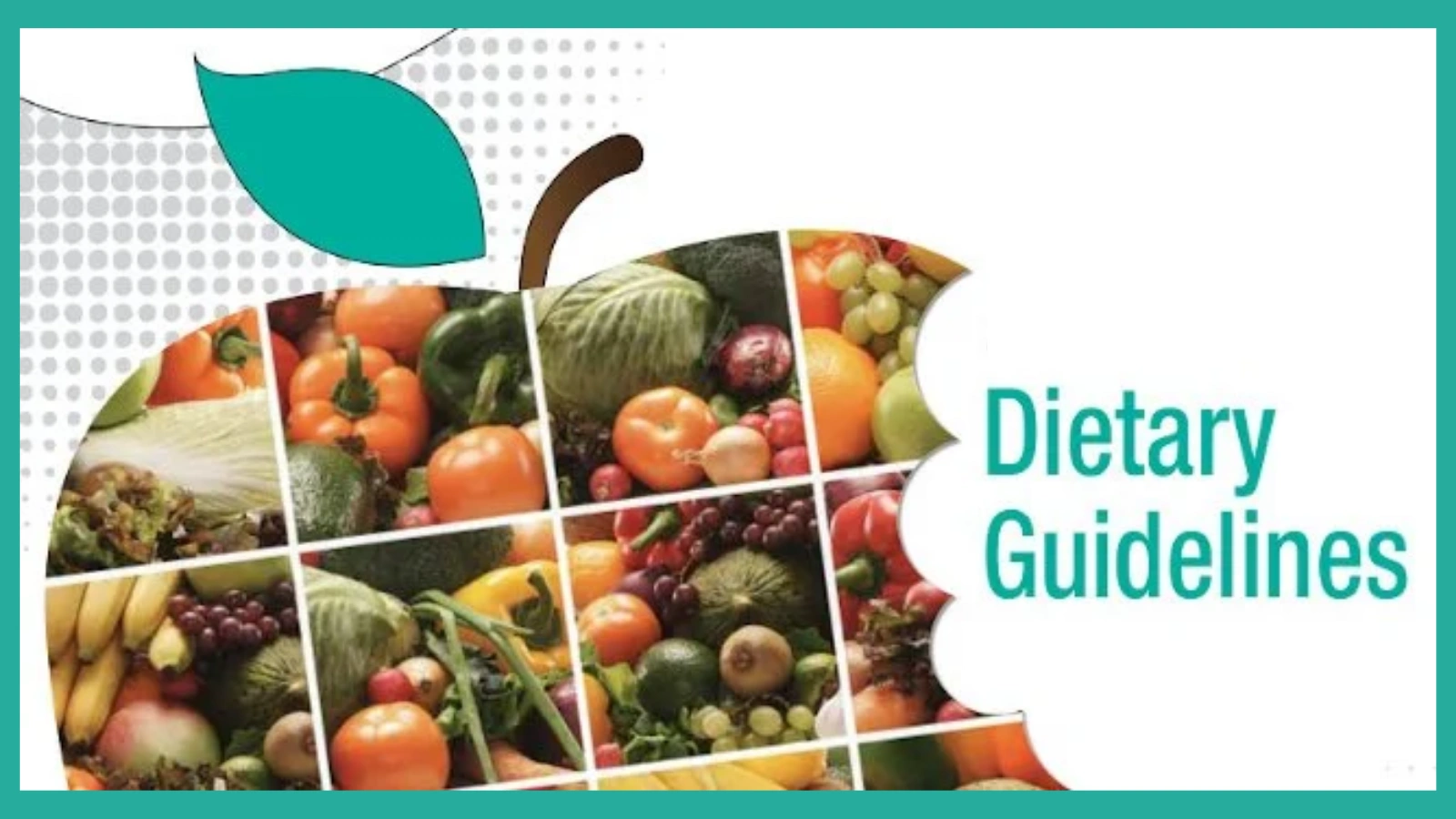
They are scientifically backed recommendations developed by nutrition experts and health organizations. They are designed to inform people about what types and amounts of foods they should consume for maintaining good health and preventing chronic diseases. These guidelines are not rigid rules but serve as a framework for planning nutritious meals.
The importance of following dietary guidelines cannot be overstated. By adhering to them, individuals can reduce the risk of heart disease, diabetes, obesity, and other diet-related health problems. Additionally, they encourage a lifestyle that balances physical activity with healthy eating habits.
The Purpose Of Dietary Guidelines
The primary goal of these recommendations is to provide clear, actionable advice that helps people meet their nutritional needs. They aim to:
- Promote overall health and wellness
- Prevent nutrition-related diseases
- Support healthy growth and development in children and adolescents
- Encourage sustainable eating practices
By following these guidelines, individuals can make informed choices about their meals, leading to a healthier and more active lifestyle.
What Are The Core Components Of Dietary Guidelines?

Modern nutrition recommendations are built around key principles rooted in nutrition science and universally advised by health experts. These guidelines focus on supporting overall well-being, preventing chronic disease, and promoting long-term healthy habits. The core components include:
1. Balanced Macronutrient Intake:
A healthy diet includes the right balance of carbohydrates, proteins, and fats. Nutrition recommendations highlight the importance of whole grains, lean proteins, and healthy fats.
Carbohydrates should primarily come from fiber-rich sources such as vegetables, fruits, and whole grains, while fats should be mostly unsaturated.
2. Adequate Fruit and Vegetable Consumption:
Fruits and vegetables are packed with essential vitamins, minerals, and antioxidants. Experts recommend filling half of your plate with these nutrient-rich foods at every meal. This helps ensure you get enough nutrients while lowering the risk of chronic diseases.
3. Limiting Added Sugars and Sodium:
Consuming too much sugar and salt can cause serious health issues. Experts suggest limiting sugary drinks, processed snacks, and high-sodium foods. Instead, focus on natural sources of sweetness, like fruits, and choose low-sodium alternatives whenever possible.
4. Hydration:
Water is essential for overall health, helping with digestion, circulation, and maintaining body temperature. Ensuring you stay properly hydrated every day is a simple but powerful step toward a healthier lifestyle. Choosing water over sugary drinks makes a big difference.
5. Moderation and Portion Control:
Overeating, even with nutritious foods, can lead to weight gain and related health issues. Experts recommend practicing portion control and mindful eating. Listening to your hunger cues and avoiding oversized servings can help maintain a healthy weight.
Also Read:
How Dietary Guidelines Are Developed?
Creating dietary guidelines is a careful, evidence-based process led by nutrition experts and public health professionals. These guidelines are designed to help people eat healthier and reduce the risk of diet-related diseases. Key steps include:
- Reviewing Research: Experts analyze hundreds of studies on nutrition, diet patterns, and health outcomes.
- Studying Eating Habits: They examine what different populations eat, identify nutrient gaps, and observe common deficiencies.
- Connecting Diet to Health: The team evaluates how food choices impact conditions like heart disease, diabetes, and obesity.
- Using Nutrient Benchmarks: Tools like dietary reference intakes help define the recommended amounts of vitamins, minerals, protein, and other essential nutrients for various age groups.
- Seeking Public Input: Draft guidelines are often shared for feedback from healthcare professionals and the community to ensure practicality and cultural relevance.
- Regular Updates: Guidelines are updated every few years to reflect new research, trends, and health data.
This structured approach ensures the recommendations are reliable, practical, and designed to support overall health and well-being.
Also Read:
How Do Dietary Guidelines Help Prevent Diseases?

Eating a balanced diet is a proactive way to lower the risk of chronic illnesses. For instance, including plenty of fruits, vegetables, and whole grains can support heart health. Reducing processed foods and added sugars can also help prevent type 2 diabetes and obesity.
By adhering to these principles, individuals can maintain long-term health and vitality.
Heart Disease Prevention:
Cardiovascular health is greatly affected by what you eat. Including foods rich in omega-3 fatty acids, fiber, and antioxidants can help lower cholesterol, reduce inflammation, and support overall heart function.
Diabetes Management:
Eating balanced meals and controlling portion sizes can help regulate blood sugar levels. Reducing refined carbs and sugary foods while adding more fiber-rich options can prevent spikes and support long-term metabolic health.
Weight Management:
Obesity is a growing concern worldwide. Focusing on nutrient-dense foods instead of calorie-heavy, low-nutrient options supports healthy weight management. Practicing mindful eating and controlling portion sizes also play an important role in preventing weight gain.
How Can You Effectively Implement Dietary Guidelines In Daily Life?
Understanding healthy eating principles is only the first step; consistently putting them into practice is key to long-term health. Here are some practical strategies to help you get started:
1. Meal Planning:
Planning meals ahead of time helps ensure each plate is balanced and nutritious. Include a variety of food groups and aim for colorful, nutrient-rich meals. Meal prepping also makes it easier to avoid fast food and processed snacks.
2. Reading Nutrition Labels:
Nutrition labels offer important information about calories, macronutrients, and added sugars. Paying attention to them can help you make healthier choices, especially when buying packaged or processed foods.
3. Mindful Eating:
Pay attention to your hunger and fullness signals, eat slowly, and savor each bite. Practicing mindful eating can prevent overeating and help you develop healthier, more balanced eating habits.
4. Cooking at Home:
Cooking meals at home gives you full control over ingredients, portion sizes, and cooking methods. Homemade meals are often healthier and more balanced compared to restaurant or fast-food options.
5. Incorporating Technology for Support:
In today’s digital age, following dietary guidelines has become even more convenient with apps like Calorie Tracker Buddy. This innovative software combines meal tracking with a built-in calorie calculator, helping users monitor food intake, calories, and physical activity in real time. It makes staying aligned with nutrition goals easier while turning healthy habits into a fun, engaging experience.
How Can Calorie Tracker Buddy Make Following A Healthy Diet Easier And Fun?
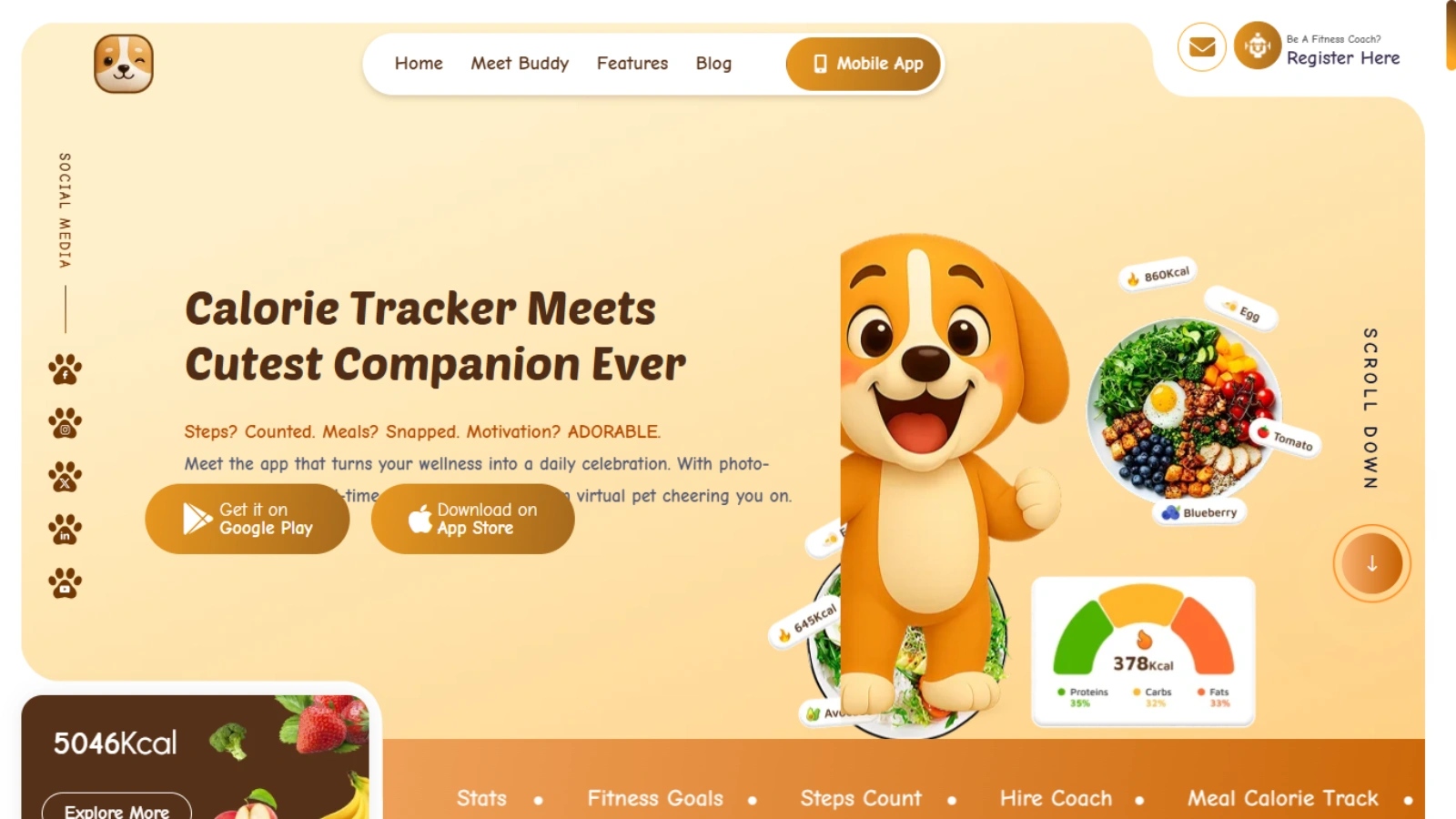
For anyone striving to follow dietary guidelines, keeping track of calories, nutrients, and activity can sometimes feel tedious. That’s where Calorie Tracker Buddy comes in. Designed to make wellness both effective and enjoyable, this app turns everyday nutrition tracking into a delightful experience.
Key Features of Calorie Tracker Buddy:
- Snap the Meal – Simply point your camera at your plate and tap. The app scans your meal, calculates calories, nutrients, and balance, and instantly shows how it fits your dietary goals.
- Calorie Burn Tracker – Every movement counts! From workouts to daily chores, the app tracks calories burned and shows your progress over time.
- Calorie Intake Tracker – Quickly log what you eat and get instant feedback on your meal’s alignment with your nutrition goals.
- Buddy Motivation – Your virtual pet grows as you make healthier choices, giving you daily encouragement and making the process fun.
- Social Sharing – Celebrate victories by sharing your meals and progress with friends, creating a supportive and motivating community.
By using Calorie Tracker Buddy, following dietary guidelines becomes simpler, more interactive, and tailored to your personal goals. It combines nutrition tracking with gamification, helping you stay on track while keeping the journey enjoyable.
The Connection Between Dietary Guidelines And Dietary Recommendations
Dietary recommendations are specific suggestions derived from broader dietary guidelines. While guidelines provide general principles for healthy eating, recommendations often address particular nutrients, meal patterns, or lifestyle adjustments. Together, they create a comprehensive framework for nutrition management.
For example, a guideline may suggest consuming more vegetables, while a recommendation specifies the exact portion or type of vegetables to include daily. By following both, individuals can achieve optimal nutrition without confusion.
How Can Dietary Reference Intakes Help You Monitor Nutrient Intake?

Dietary reference intakes (DRIs) are scientific benchmarks that guide nutrient consumption and support a balanced diet. Here’s how they help:
- Set Precise Nutrient Targets: DRIs define recommended amounts of vitamins, minerals, protein, and other nutrients for different age groups and lifestyles.
- Prevent Deficiencies: By following DRIs, you can avoid nutrient gaps that may impact overall health.
- Avoid Overconsumption: DRIs also help prevent taking too much of certain nutrients, reducing the risk of toxicity.
- Support Personalized Diets: Healthcare professionals use DRIs to create tailored meal plans that meet individual nutritional needs.
- Complement Dietary Guidelines: Combining DRIs with broader guidelines ensures a nutrient-rich, balanced diet that supports long-term health.
Tips For Adhering To Dietary Guidelines
To successfully follow dietary guidelines, consider these tips:
- Start gradually by incorporating small changes, such as adding an extra serving of vegetables daily.
- Experiment with new foods and recipes to keep meals interesting.
- Use meal prepping techniques to save time during busy weeks.
- Choose seasonal and locally sourced foods to reduce costs and improve freshness.
- Educate yourself using reputable sources to avoid misinformation and fad diets.
By applying these tips and using tools like Calorie Tracker Buddy, individuals can build lasting habits that support healthier and more balanced eating.
Conclusion
Dietary guidelines serve as a roadmap to better nutrition and overall health. By understanding their core principles, implementing practical strategies, and considering personal dietary requirements, individuals can enjoy long-term wellness.
Whether it’s lowering the risk of chronic diseases, managing weight, or supporting growth and development, making healthy eating choices is an investment in your future.
Incorporating these guidelines doesn’t require perfection but rather consistency and mindfulness. Small, informed choices each day can lead to profound improvements in health. With the support of dietary recommendations, dietary reference intakes, and tools like Calorie Tracker Buddy, anyone can navigate the complexities of modern nutrition and create a sustainable, balanced diet.
Remember, healthy eating is not a temporary fix but a lifelong commitment. By embracing dietary guidelines, you empower yourself to live a more energetic, vibrant, and disease-free life.
FAQs
1. Are dietary guidelines the same for everyone?
No, dietary guidelines provide general advice for healthy eating, but individual needs can vary based on age, gender, activity level, and health conditions. Personalized plans may be needed for optimal nutrition.
2. How often are dietary guidelines updated?
Most countries revise their nutrition advice every three to five years to reflect new scientific research and discoveries. Staying informed helps ensure your eating habits align with the latest health recommendations.
3. Can children follow the same dietary guidelines as adults?
Children have unique nutritional needs. While general healthy eating principles still apply—such as including fruits, vegetables, and whole grains—portion sizes and nutrient requirements differ. Guidance from pediatric professionals should always be considered.