



Seitan has been making waves in the plant-based food world, and if you’ve wandered down the vegan aisle lately, you’ve probably spotted it on the shelves. But what exactly is this chewy, protein-packed food, and more importantly, is it actually good for you? Whether you’re a committed vegan, a flexitarian exploring new options, or simply curious about plant-based eating, understanding the nutritional profile and health implications of this popular meat alternative can help you make informed dietary choices. Let’s dive deep into everything you need to know about this versatile wheat protein.
Listen To The Podcast Now!
What Exactly Is Seitan?
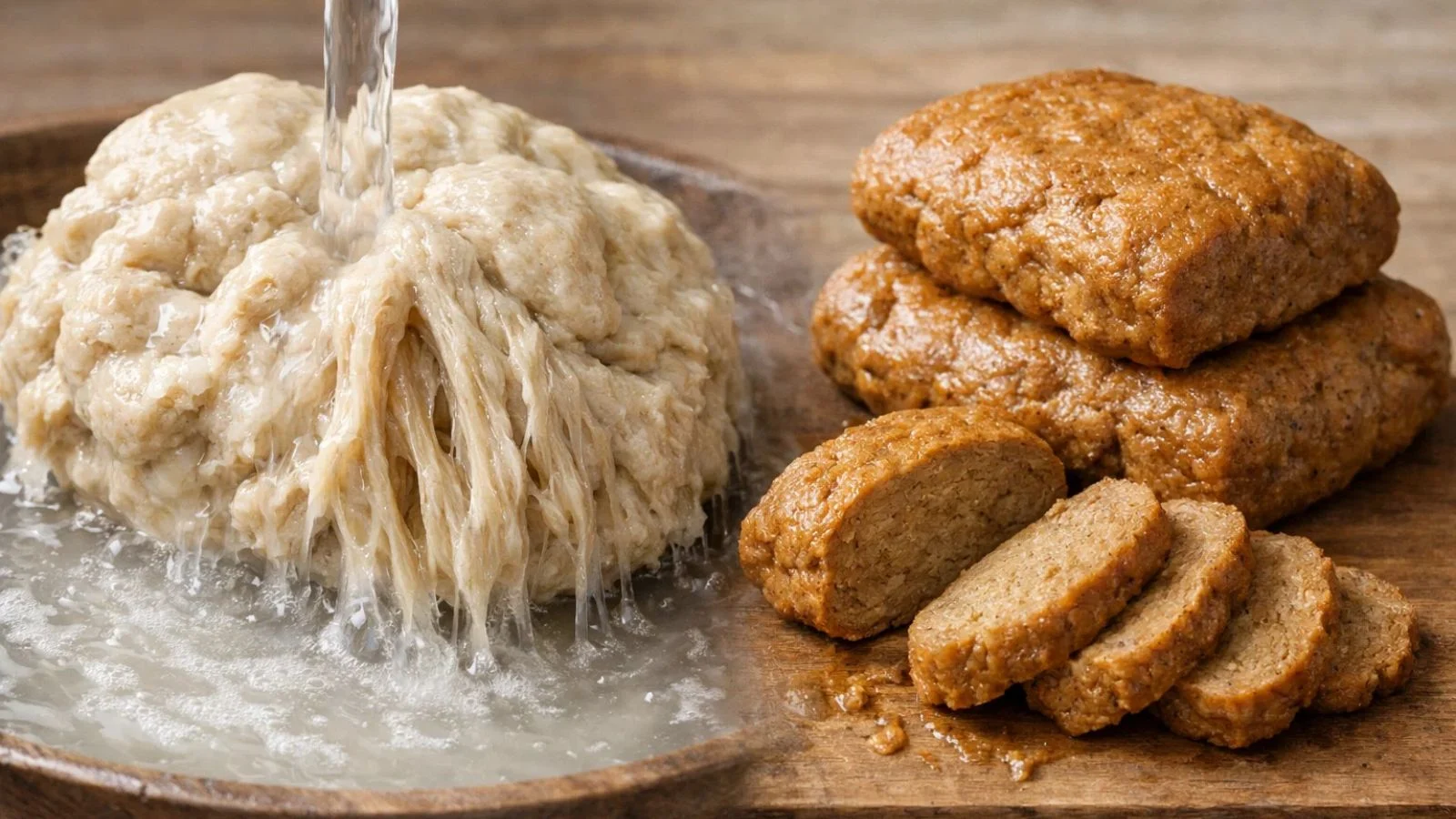
Seitan, unlike soy-based proteins like tofu or tempeh, has a unique origin story. It’s made from gluten, the main protein found in wheat. The process involves washing wheat flour dough with water until all the starch dissolves, leaving behind a high-protein, chewy substance that surprisingly mimics the texture of meat. This plant-based protein has been used in Asian cuisines for centuries, particularly in Chinese and Japanese Buddhist cooking, where it’s known as “miàn jīn” and “fu” respectively. Seitan has gained global popularity as people seek sustainable and ethical protein sources, and it’s now commonly featured in a Chart Protein Sources For Easy Meal Planning to help compare plant-based options efficiently.
Nutritional Breakdown: The Numbers Don’t Lie:
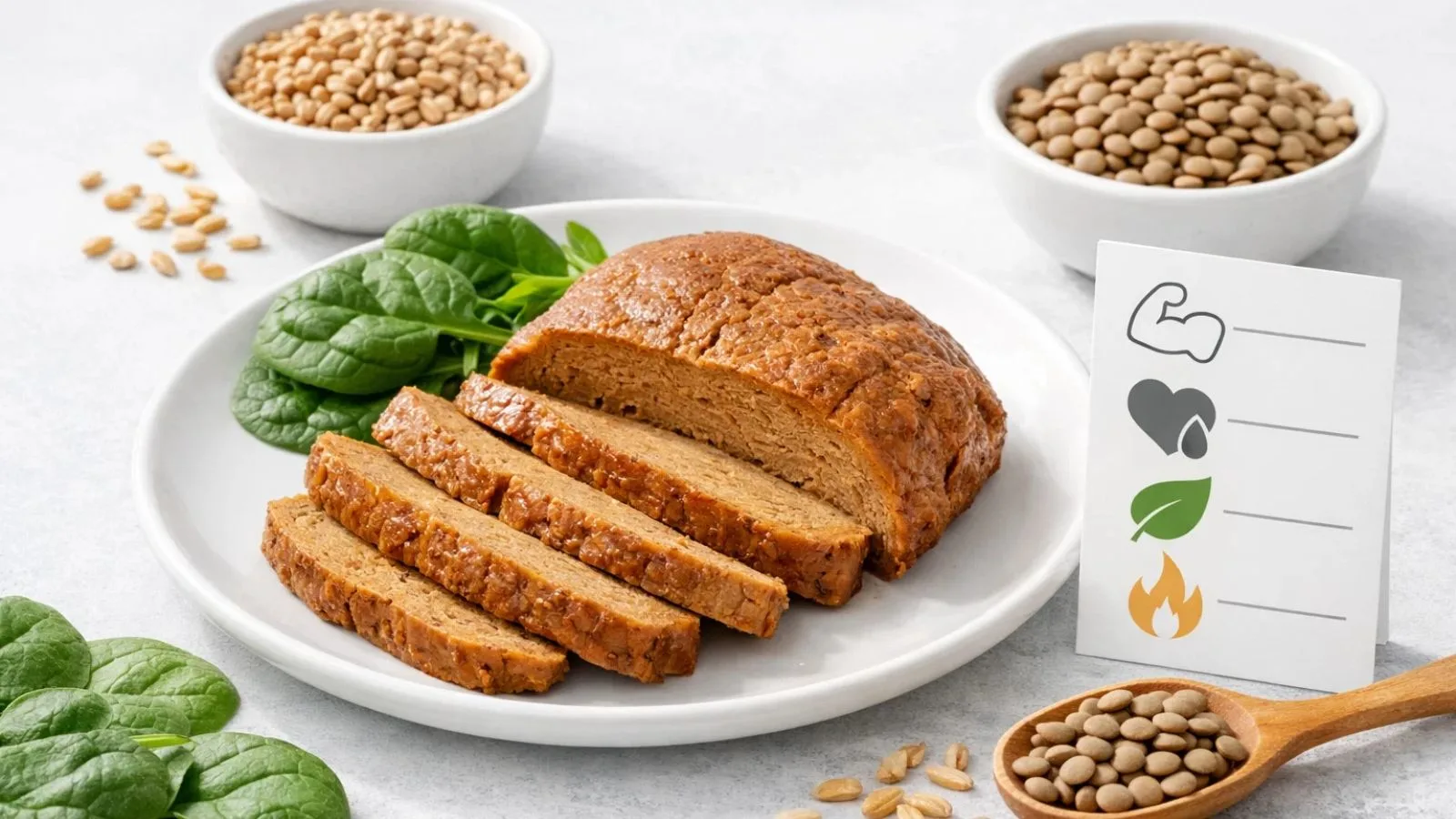
When evaluating whether this wheat protein deserves a spot in your diet, the nutritional facts are impressive. The seitan protein per 100g is approximately 25 grams, making it one of the most protein-dense plant-based foods available. To put this in perspective, that’s comparable to chicken or beef.
Here’s what a typical 100-gram serving contains:
- Protein: 25g
- Calories: 120-140
- Fat: 2g
- Carbohydrates: 14g
- Fiber: 1g
- Iron: 20% of the daily value
- Selenium: 22% of the daily value
The low-fat content and high protein density make it an attractive option for those watching their calorie intake while still meeting protein requirements. However, it’s worth noting that the nutritional content can vary based on preparation methods and added ingredients.
Health Benefits That Make It Stand Out:
1. Excellent Protein Source for Plant-Based Diets:
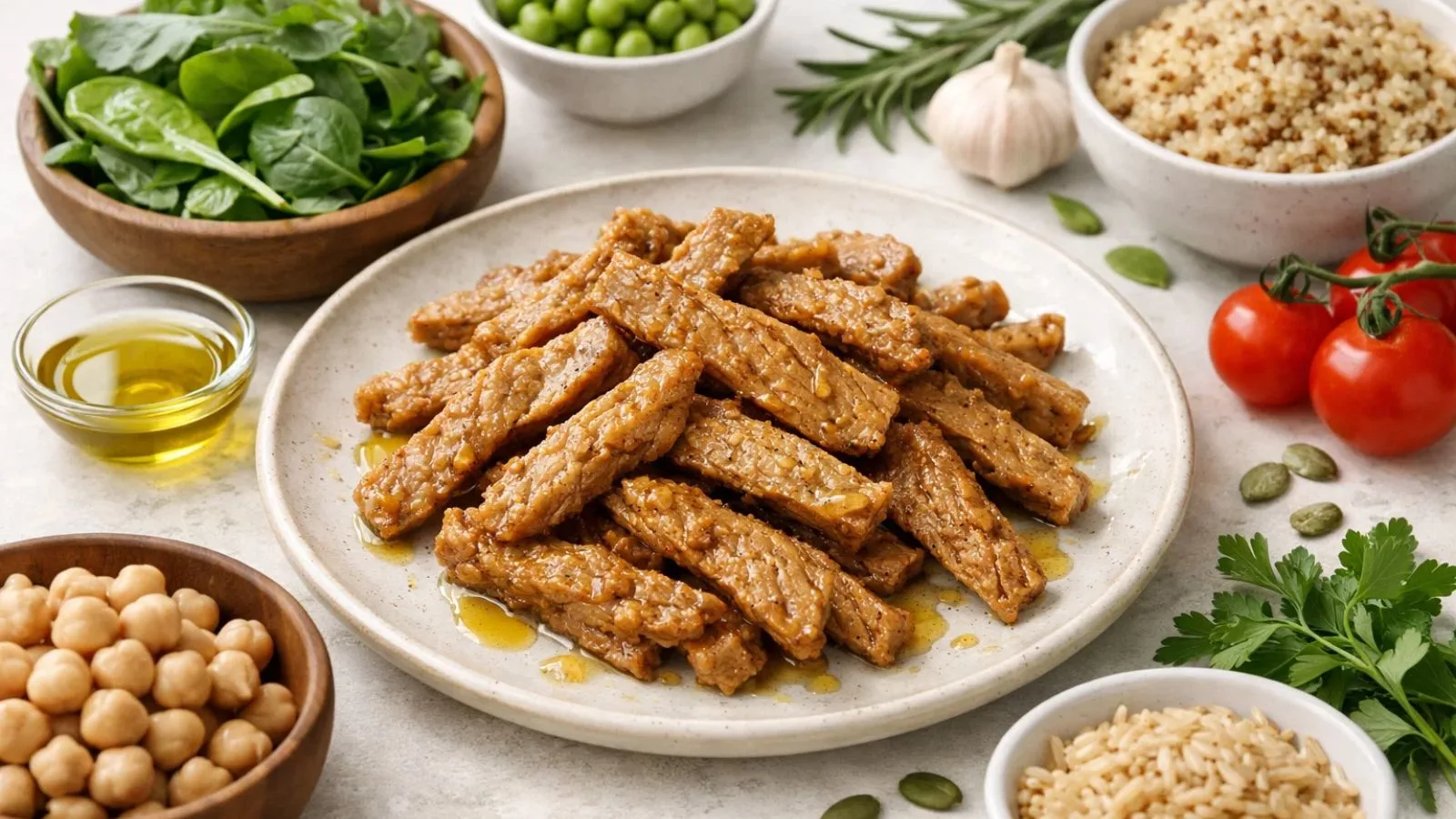
For vegans and vegetarians, getting adequate protein can sometimes be challenging. Seitan provides all the essential amino acids your body needs when combined with a varied diet, including legumes and grains. The high protein content supports muscle building, repair, and overall body function.
2. Low in Fat and Calories:
Unlike many animal proteins that come with saturated fat, seitan is naturally low in fat. This makes it heart-friendly and suitable for those managing their weight or cholesterol levels.
3. Rich in Minerals:
The selenium content supports thyroid function and acts as an antioxidant, while the iron content helps prevent anemia, particularly important for those following plant-based diets who need to pay extra attention to iron intake.
4. Versatile and Satisfying:
The meat-like texture makes it an excellent vegan meat substitute that can satisfy cravings for heartier dishes. Its ability to absorb flavors makes it incredibly versatile in the kitchen, from stir-fries to sandwiches.
Also Read:
Tracking Your Nutrition with Calorie Tracker Buddy:
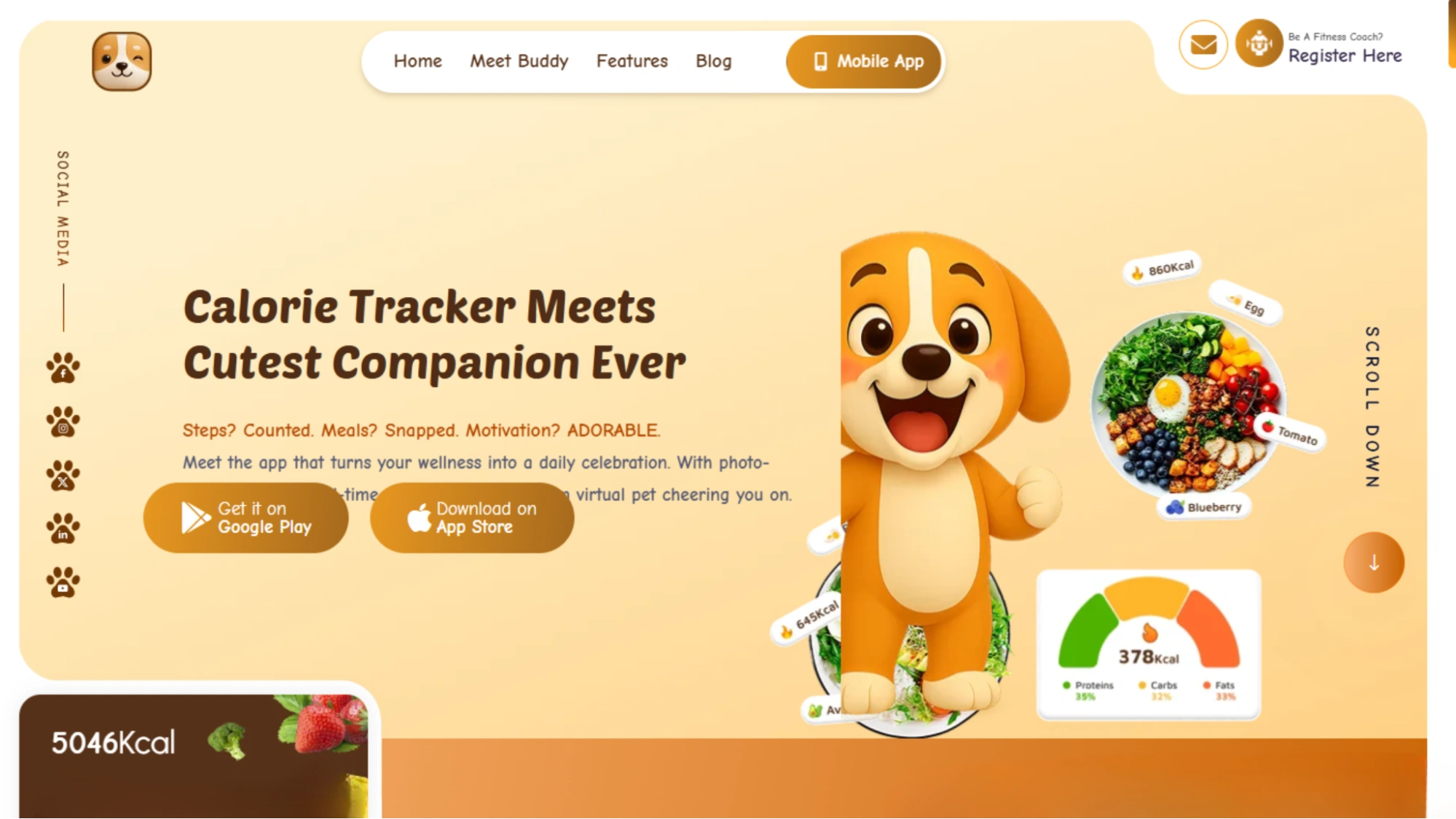
While understanding individual food nutritional values is important, seeing how they fit into your overall daily intake is crucial for achieving your health goals. This is where Calorie Tracker Buddy becomes invaluable.
Whether you’re incorporating this wheat protein into your meals or exploring other plant-based options, Calorie Tracker Buddy helps you:
- Monitor your protein intake to ensure you’re meeting your daily requirements, especially important when transitioning to plant-based eating
- Track micronutrients like iron and selenium that are abundant in wheat-based proteins
- Set personalized goals based on your fitness objectives, whether that’s muscle building, weight loss, or maintenance
- Log meals easily with a comprehensive food database that includes various preparations and brands
- Visualize your progress with intuitive charts and reports that show your nutritional patterns over time
For those experimenting with plant-based proteins, having a reliable tracking tool ensures you’re not just eating healthy foods, but actually meeting your nutritional needs. The app takes the guesswork out of meal planning and helps you understand exactly how foods like this wheat protein contribute to your daily targets.
Potential Downsides to Consider:
1. Not Suitable for Everyone:
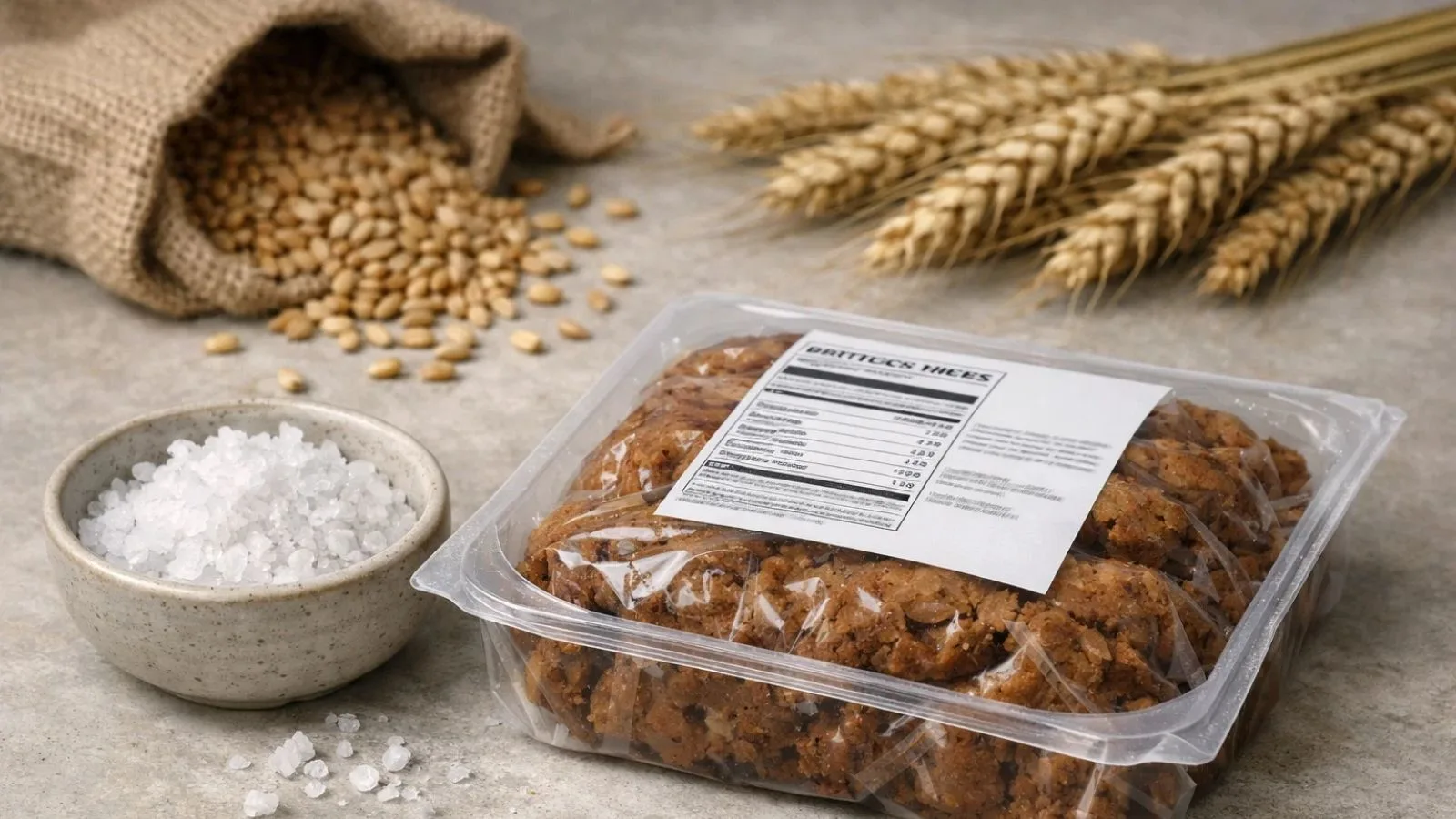
The most significant limitation is that it’s made entirely from wheat gluten. This means it’s absolutely off-limits for anyone with:
- Celiac disease
- Non-celiac gluten sensitivity
- Wheat allergies
For these individuals, consuming even small amounts can trigger serious health issues ranging from digestive distress to autoimmune reactions.
2. Sodium Content Can Be High:
Store-bought versions often contain significant amounts of sodium as a preservative and flavor enhancer. If you’re watching your salt intake due to high blood pressure or other health concerns, check labels carefully or consider making your own at home.
3. Not a Complete Nutritional Package:
While high in protein, this option lacks some nutrients found in other protein sources. It’s low in lysine, an essential amino acid, and doesn’t provide vitamin B12, omega-3 fatty acids, or significant amounts of zinc. This underscores the importance of maintaining a varied diet.
4. Highly Processed:
Commercial versions undergo significant processing, which some nutrition experts caution against. The debate around processed foods continues, but moderation is generally a safe approach.
How to Incorporate It Into Your Diet:

If you’ve decided this wheat protein fits your nutritional needs, here are practical ways to enjoy it:
- Stir-fries and Curries: Its chewy texture holds up beautifully in high-heat cooking and absorbs sauce flavors wonderfully.
- Sandwiches and Wraps: Thinly sliced and seasoned, it makes an excellent sandwich filling that rivals deli meats.
- Grilling and BBQ: Marinated and grilled, it develops a delicious charred exterior while staying tender inside.
- Stews and Soups: Cut into chunks, it adds heartiness and protein to liquid-based dishes.
For those interested in trying a seitan recipe at home, the basic process involves mixing vital wheat gluten with water and seasonings, kneading it into a dough, then simmering or steaming until firm. Homemade versions allow you to control sodium levels and customize flavors.
Seitan vs. Other Plant-Based Proteins:
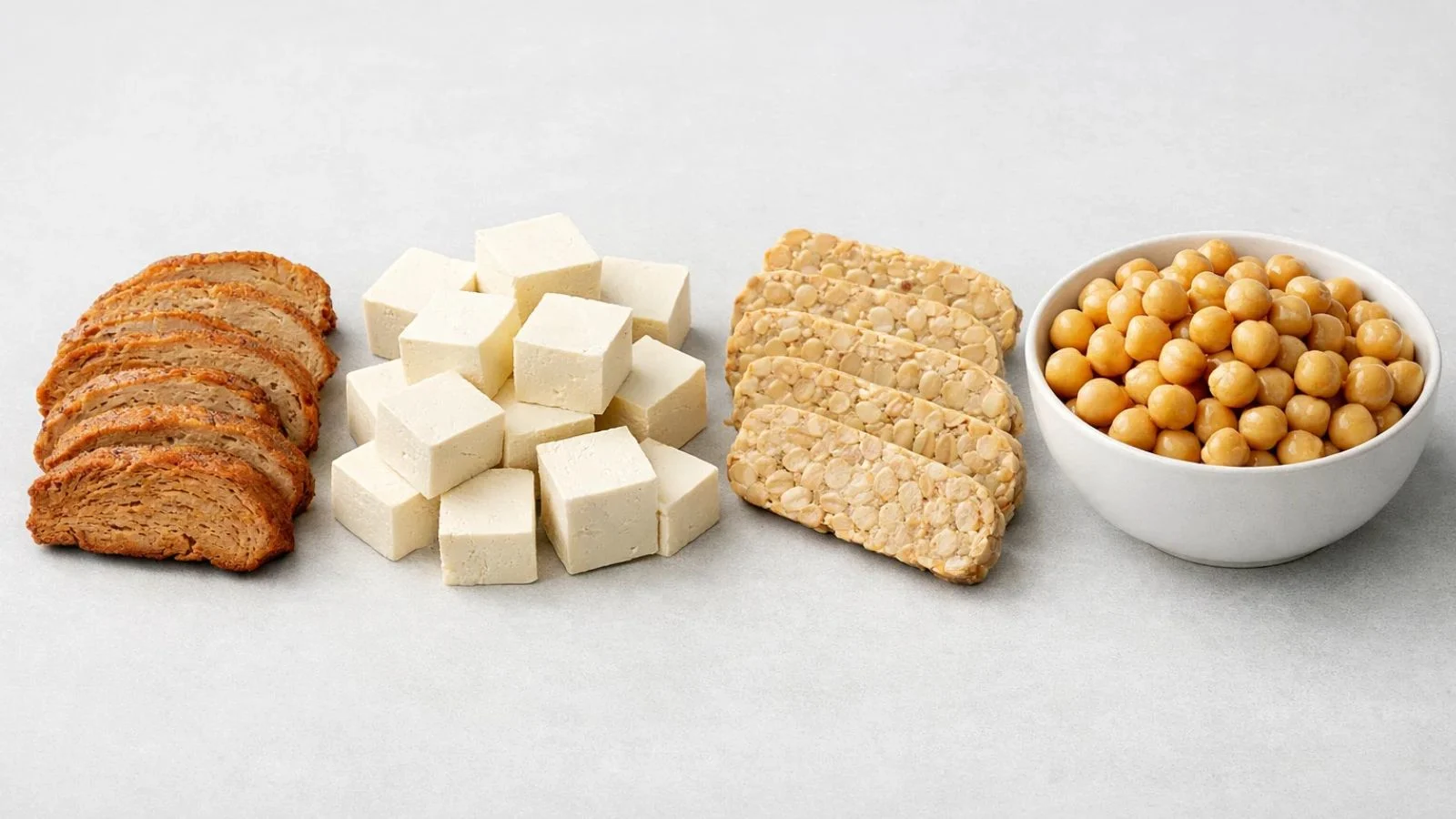
Understanding where seitan fits among other plant-based choices helps you diversify your protein sources:
* Compared to Tofu: Seitan is higher in protein and lower in fat, with a chewier, more meat-like texture. However, tofu provides more calcium and is suitable for gluten-free diets.
* Compared to Tempeh: Both are high in protein, but tempeh offers probiotics and more fiber due to its fermented nature and whole soybean base.
* Compared to Legumes: More concentrated protein source with a different texture, but legumes provide more fiber, vitamins, and minerals.
The best approach is to incorporate various plant proteins throughout your week rather than relying on just one source.
Conclusion:
So, is this wheat-based protein healthy? The answer depends on your individual circumstances. For most people without gluten sensitivities, it’s a nutritious, high-protein, low-fat option that can absolutely be part of a balanced diet. Its impressive protein content, versatility in cooking, and satisfying texture make it a valuable addition to plant-based eating patterns. However, it shouldn’t be your only protein source, and those with celiac disease or gluten sensitivity must avoid it entirely. As with any food, quality matters. Choose low-sodium options when possible, or better yet, try making it yourself to control exactly what goes into your meals.
FAQ’s:
Q1: Is seitan healthier than meat?
Ans: It’s lower in fat and calories than most meats while providing comparable protein. However, it lacks certain nutrients like B12 and omega-3s found in animal proteins. Neither is inherently “healthier”, it depends on your overall diet and health goals.
Q2: Can I eat seitan every day?
Ans: If you don’t have gluten issues, eating it regularly is generally safe. However, varying your protein sources ensures you get a broader range of nutrients.
Q3: How much protein do I really get?
Ans: A 100-gram serving typically provides about 25 grams of protein, which is roughly 50% of the daily requirement for an average adult.
Q4: Does it cause bloating?
Ans: Some people experience digestive discomfort, especially if they’re sensitive to gluten or not accustomed to high-gluten foods. Start with small portions to see how your body responds.