


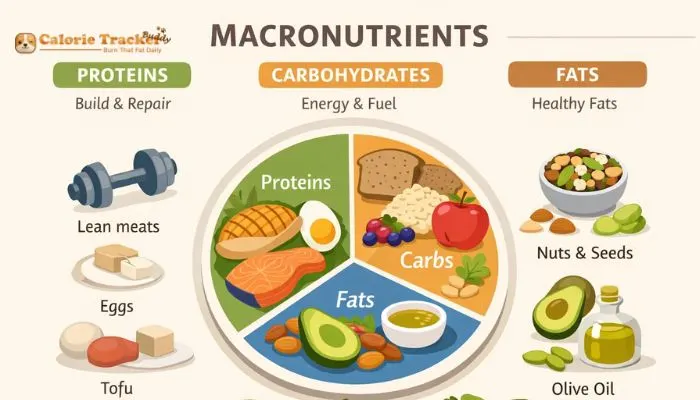
Macronutrients are the nutrients your body needs in large amounts to function properly. They include proteins, carbohydrates, and fats, each playing a vital role in providing energy, supporting growth, and maintaining overall health. Understanding how to balance these nutrients can help you achieve your fitness goals, manage weight, and boost overall well-being.
Tracking macronutrients is more than just counting calories; it’s about ensuring your body gets the right proportion of nutrients to perform at its best. Whether you are looking to build muscle, lose weight, or maintain a healthy lifestyle, knowing what are macronutrients are and how they impact your diet is essential.
In this guide, we’ll break down each macronutrient, explain how to calculate your daily needs, and provide practical tips on tracking and balancing your diet for optimal results.
You can listen to this Podcast here.
What Are Macronutrients?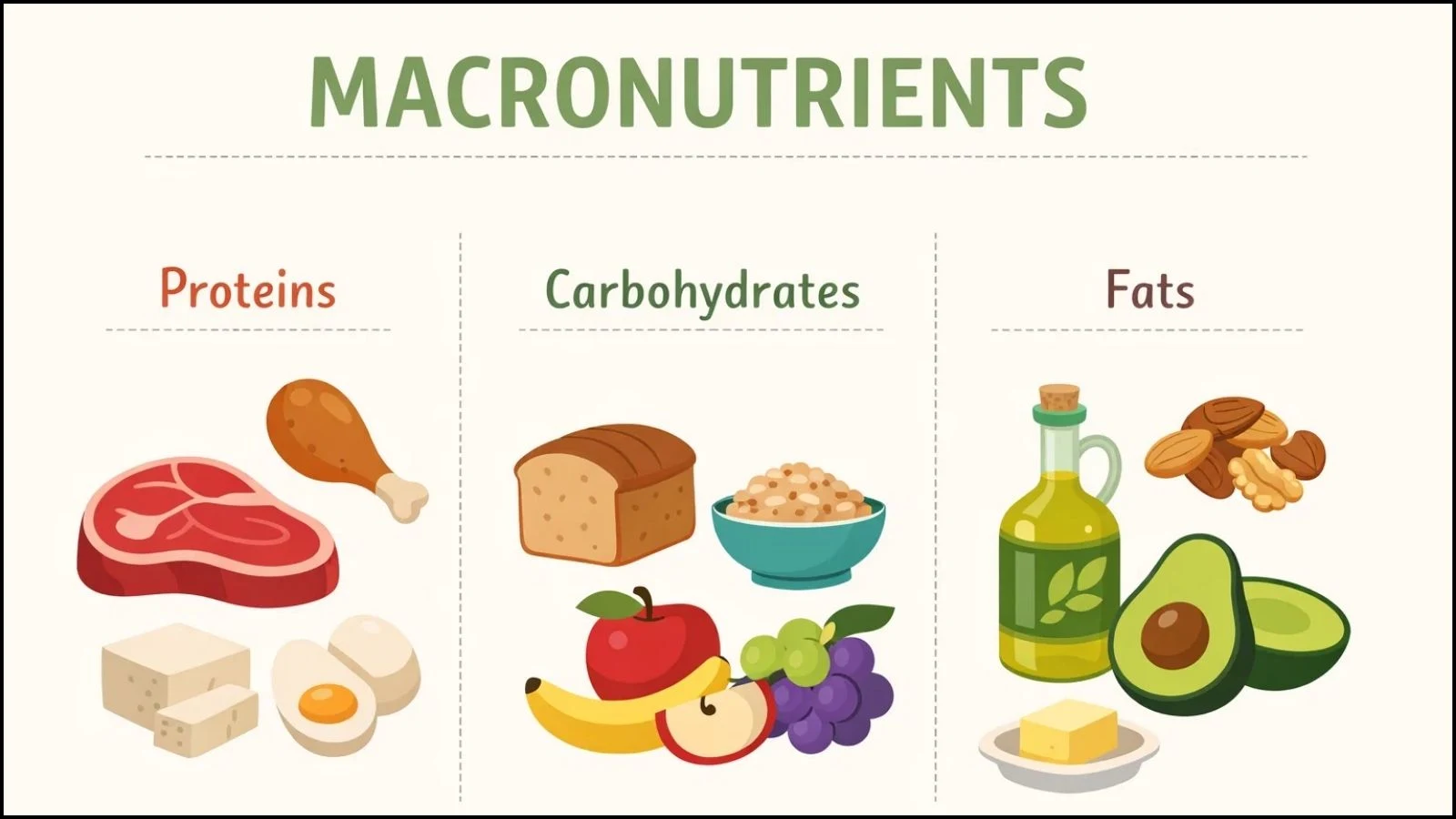
Macronutrients are nutrients that the body requires in large amounts to function properly. Unlike vitamins and minerals, which are needed in small quantities, macronutrients provide the energy necessary for daily activities, growth, and bodily functions.
The three primary macronutrients are:
- Proteins – Essential for building and repairing tissues, producing enzymes and hormones, and supporting immune function.
- Carbohydrates – The body’s main energy source, fueling muscles and the brain.
- Fats – Important for energy storage, cell structure, hormone production, and absorbing fat-soluble vitamins.
Understanding what are macronutrients is the first step toward a balanced diet. Each macronutrient has a unique function, and consuming them in the right proportions ensures your body performs optimally.
Some people also consider water and fiber as essential components, though they don’t provide energy, they support digestion and overall health.
Macronutrients and Their Functions
Each macronutrient plays a unique role in the body, and understanding these functions is key to balancing your diet effectively.
Proteins
Proteins are the building blocks of the body. They help repair tissues, support muscle growth, produce hormones and enzymes, and strengthen the immune system. Good sources include lean meats, eggs, dairy, legumes, and soy products.
Carbohydrates
Carbs are the primary source of energy for your body. They fuel your brain, muscles, and nervous system. Complex carbohydrates like whole grains, vegetables, and fruits provide sustained energy, while simple carbs like sugar give quick bursts.
Fats
Fats are crucial for energy storage, maintaining healthy cells, and hormone production. Healthy fats, found in nuts, seeds, avocado, and olive oil, also help absorb vitamins A, D, E, and K.
Understanding the functions of each macronutrient makes it easier to plan meals that meet your body’s needs. A balanced intake of proteins, carbs, and fats supports energy, recovery, and overall health.
Macronutrients in Popular Foods
Knowing the macronutrient content of foods helps you plan a balanced diet and track your intake effectively. Here’s a quick overview of how macronutrients appear in everyday foods:
- Proteins: Chicken, turkey, eggs, Greek yogurt, tofu, lentils
- Carbohydrates: Brown rice, oats, quinoa, fruits, vegetables
- Fats: Avocado, nuts, seeds, olive oil, fatty fish
For those eating out, it’s helpful to know the Chipotle macronutrients. For example:
- Burrito Bowl (Chicken, Brown Rice, Beans, Veggies): Approx. 40g protein, 60g carbs, 15g fat
- Soft Taco (Steak, Cheese, Lettuce): Approx. 20g protein, 25g carbs, 10g fat
By understanding macronutrient values in foods, including restaurant meals, you can make informed choices to meet your dietary goals. Tracking these values using a macronutrient calculator or food app ensures you stay on target throughout the day.
How to Calculate Your Macronutrient Needs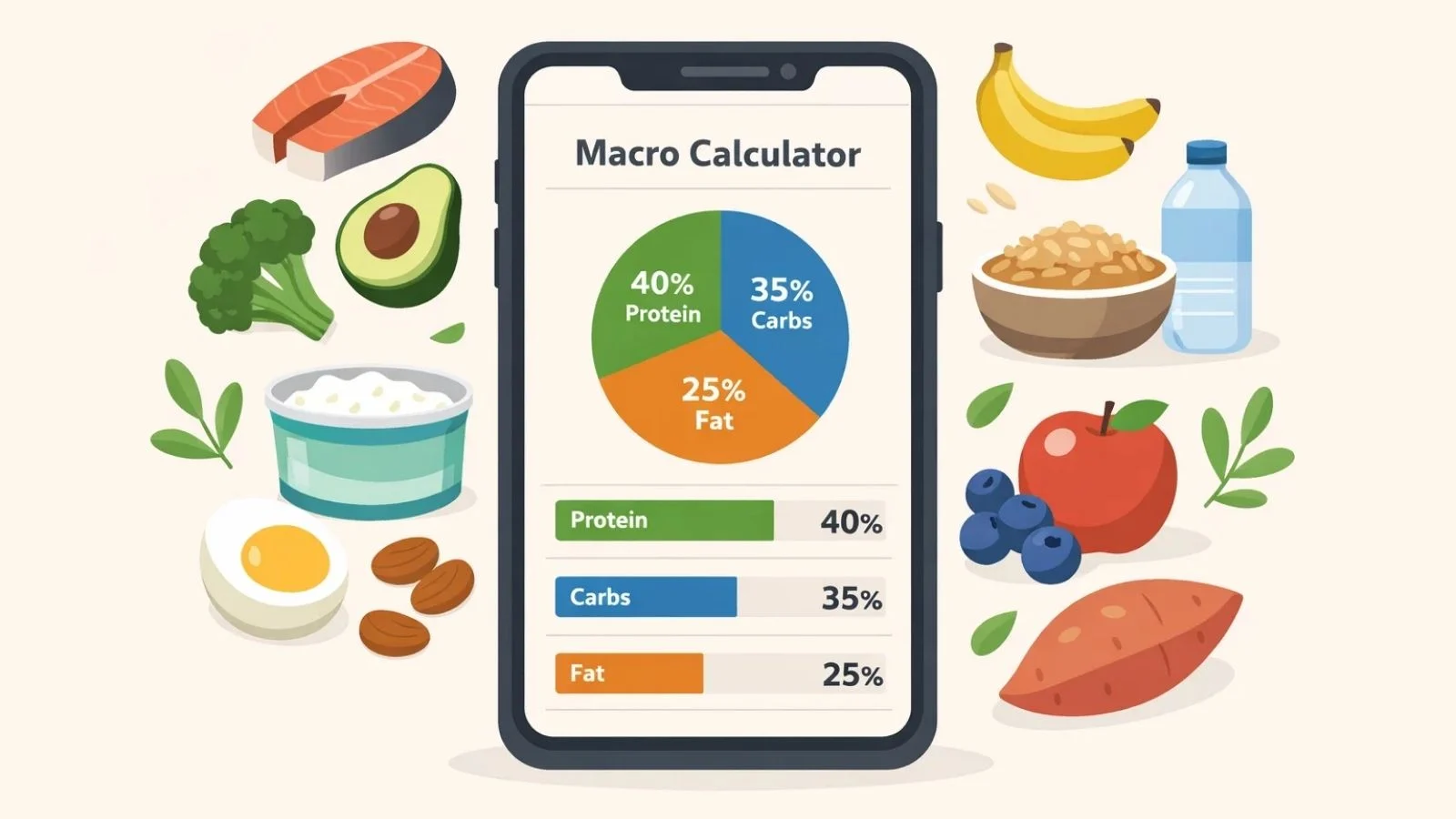
Calculating your macronutrient needs is essential for reaching your health and fitness goals. The amount of protein, carbs, and fats you need depends on your age, weight, activity level, and goals such as weight loss, maintenance, or muscle gain.
1. Using a Macronutrient Calculator
A macronutrient calculator makes it easy to estimate your daily intake. You enter your personal details and goals, and the tool recommends the ideal ratio of proteins, carbs, and fats.
2. Macronutrients for Weight Loss
If your goal is fat loss, a macronutrient calculator for weight loss can help you adjust your intake to promote a calorie deficit while maintaining muscle mass. Typically:
- Higher protein intake to preserve muscle
- Moderate carbs for energy
- Healthy fats for satiety and hormone support
3. Manual Calculation (Optional)
- Proteins: 0.8–1.5 grams per pound of body weight
- Carbs: 30–50% of daily calories (depending on activity level)
- Fats: 20–35% of daily calories
Tracking your macronutrients ensures that every meal contributes to your energy needs and overall health, rather than just counting calories.
Tracking and Balancing Your Macronutrients
Once you know your macronutrient needs, the next step is to track and balance them throughout the day. Proper tracking ensures you hit your goals for energy, performance, and body composition.
1. Meal Planning
Plan your meals around your macronutrient targets. Include a balance of proteins, carbs, and fats in every meal to maintain energy and prevent nutrient deficiencies.
2. Using Apps and Tools
Apps and online tools, including macronutrient calculators, make tracking easy. You can log foods, meals, and snacks to see your daily intake versus your goals.
3. Adjusting Ratios
Your macronutrient ratios may need adjustment based on activity level, goals, or lifestyle changes. For example:
- Active individuals may need more carbs for energy
- Those aiming for weight loss may increase protein for satiety
4. Consistency Over Perfection
It’s better to track consistently rather than aim for perfection. Over time, understanding the balance of macronutrients in your diet becomes second nature.
Try Calorie Tracker Buddy
Tracking macronutrients and calories can feel overwhelming, but tools like Calorie Tracker Buddy make it simple and effective.
With Calorie Tracker Buddy, you can:
- Log meals and track proteins, carbs, and fats automatically
- Calculate daily intake with a built-in macronutrient calculator
- Adjust your targets for weight loss, maintenance, or muscle gain
- Access insights and reports to stay on track
Whether you’re trying to balance your diet, monitor Chipotle macronutrients, or use a macronutrient calculator for weight loss, Calorie Tracker Buddy simplifies the process and helps you make smarter nutrition decisions every day.
Benefits of Monitoring Macronutrients
Tracking and balancing macronutrients offers a range of benefits for your health, fitness, and overall well-being:
1. Supports Weight Management
Monitoring your intake helps create a calorie balance that aligns with your goals—whether it’s weight loss, maintenance, or muscle gain.
2. Improves Energy and Performance
Eating the right balance of proteins, carbs, and fats ensures your body has the fuel it needs for workouts, daily activities, and mental focus.
3. Prevents Nutrient Deficiencies
Balancing macronutrients ensures you get essential nutrients for growth, repair, and overall health.
4. Helps Achieve Fitness Goals
From building muscle to reducing body fat, understanding macronutrients allows for more precise nutrition strategies that support your fitness objectives.
By consistently monitoring macronutrients, you can take control of your diet and make informed choices that benefit your health and lifestyle.
Common Mistakes to Avoid
Even with the best intentions, people often make mistakes when tracking macronutrients. Avoiding these pitfalls ensures you get the most out of your nutrition plan:
1. Ignoring Portion Sizes
Even healthy foods can lead to excess calories if portion sizes aren’t considered.
2. Overemphasizing One Macronutrient
Focusing too much on protein or carbs while neglecting fats can disrupt energy balance and hormone function.
3. Not Adjusting for Activity Level
Your macronutrient needs change based on exercise intensity and daily activity. Failing to adjust can hinder progress.
4. Relying Only on Calories
Calories alone don’t reflect nutrient quality. Tracking macros ensures you get the right balance of proteins, carbs, and fats.
5. Inconsistent Tracking
Inconsistent monitoring can make it hard to identify trends or improvements. Consistency is key.
By avoiding these common mistakes, you can make tracking macronutrients more effective and sustainable.
Conclusion
Understanding macronutrients is essential for anyone looking to improve their health, manage weight, or optimize fitness performance. Proteins, carbohydrates, and fats each play unique roles in providing energy, supporting bodily functions, and maintaining overall well-being.
Tracking and balancing macronutrients, whether through meal planning, apps, or a macronutrient calculator for weight loss, allows you to make informed dietary choices. Tools like Calorie Tracker Buddy simplify this process, making it easier to monitor intake, adjust goals, and stay consistent.
By incorporating macronutrient awareness into your daily routine, you can achieve better energy levels, improved performance, and long-term health—while still enjoying the foods you love, including checking Chipotle macronutrients when eating out.
Start tracking, stay balanced, and let macronutrients guide you toward a healthier lifestyle.
Also Read,
FAQ’s
- Can tracking macronutrients help with weight loss?
Yes. Monitoring protein, carbs, and fats ensures you maintain a calorie balance while preserving muscle and energy. - How do I track macronutrients in restaurants like Chipotle?
Many restaurants provide nutrition information. You can check Chipotle macronutrients online or use apps like Calorie Tracker Buddy to log meals accurately. - Is it necessary to track every meal?
Consistency is more important than perfection. Tracking regularly helps you understand patterns and make informed choices.