



If you’ve been scrolling through health articles looking for the next vegetable to add to your plate, you’ve probably stumbled upon Brussels sprouts’ benefits more times than you can count. These mini cabbages might look unassuming, but they’re packed with nutrients that can transform your health from the inside out.
Whether you’ve loved them since childhood or you’re still on the fence about their unique flavor, this guide will show you exactly why Brussels sprouts deserve a permanent spot on your dinner table, while also helping you understand when they may or may not fit into specific eating plans like a Low Residue Diet.
Listen To The Podcast Now!
What Makes Brussels Sprouts a Nutritional Powerhouse?
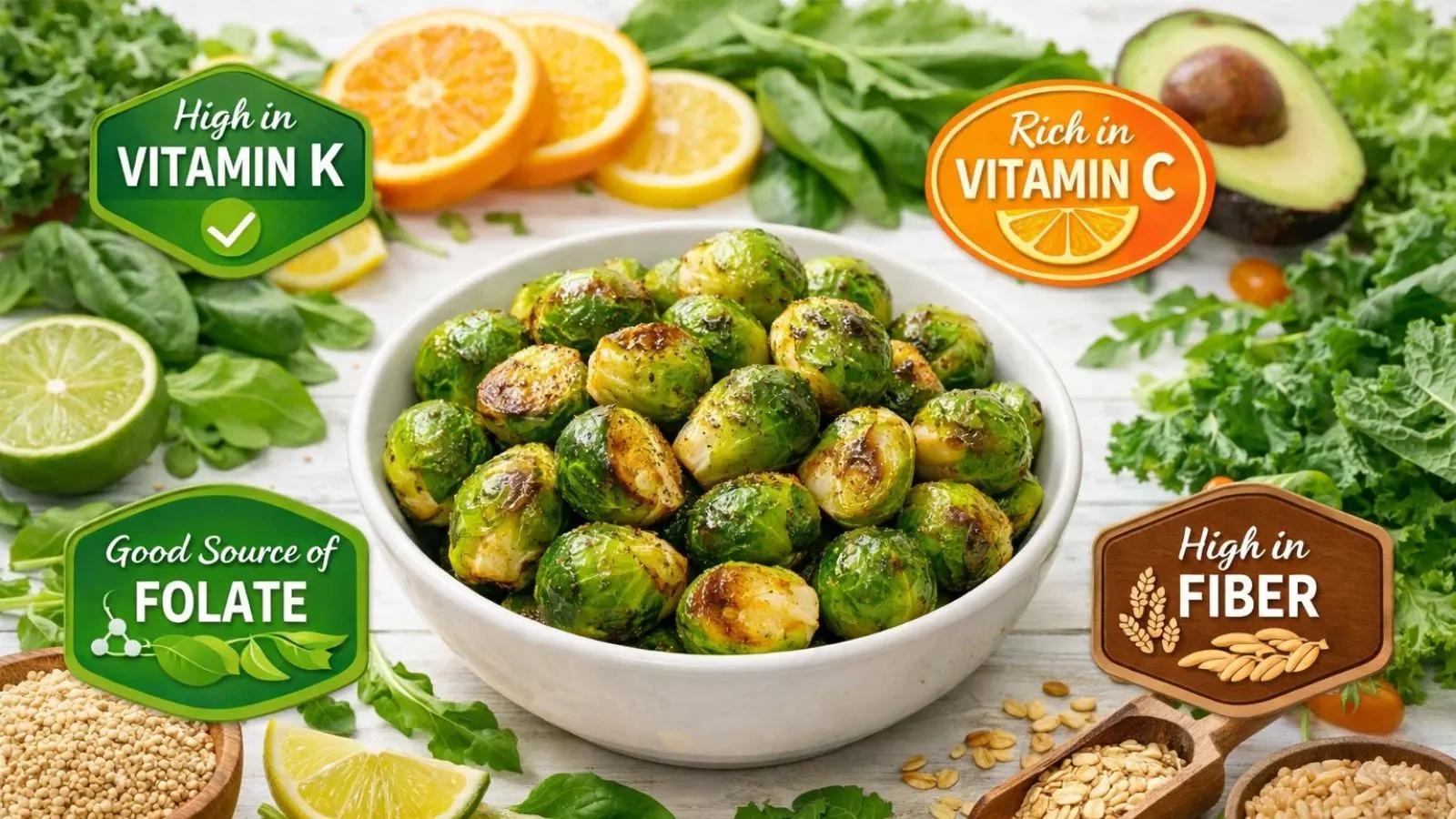
Before we dive into the specific Brussels sprouts benefits, let’s talk about what’s actually inside these little green vegetables. Brussels sprouts are incredibly nutrient-dense, meaning they pack a serious nutritional punch without adding many calories to your daily intake. A single cup of cooked Brussels sprouts contains just 56 calories but delivers over 240% of your daily vitamin K needs, 130% of your vitamin C requirement, and significant amounts of folate, manganese, and fiber.
The Brussels sprouts nutrition benefits extend far beyond just vitamins and minerals. These vegetables contain powerful antioxidants, anti-inflammatory compounds, and phytonutrients that work together to support your overall health.
1. Exceptional Antioxidant Protection:
One of the most impressive Brussels sprouts benefits is their antioxidant content. These vegetables are loaded with kaempferol, an antioxidant that has been studied for its potential to reduce chronic inflammation and protect cells from oxidative damage. They also contain vitamin C, which acts as a powerful antioxidant in your body, neutralizing harmful free radicals that can contribute to aging and disease.
2. Heart Health Support:
Your cardiovascular system will thank you for adding Brussels sprouts to your diet. The health benefits of Brussels sprouts for heart health are substantial. These vegetables contain omega-3 fatty acids in the form of alpha-linolenic acid (ALA), which helps reduce inflammation in your blood vessels and supports healthy cholesterol levels. Additionally, the fiber content in Brussels sprouts helps lower LDL cholesterol by binding to bile acids in your digestive system. Studies have shown that regular consumption of cruciferous vegetables like Brussels sprouts is associated with a reduced risk of heart disease.
3. Blood Sugar Regulation:
If you’re watching your blood sugar levels, Brussels sprouts benefits include impressive glucose control properties. The alpha-lipoic acid found in these vegetables has been shown to lower blood sugar levels and increase insulin sensitivity. This makes them an excellent choice for people with diabetes or those looking to prevent blood sugar spikes after meals. The high fiber content also slows down the absorption of sugar into your bloodstream, preventing those energy crashes that often follow high-carb meals.
4. Digestive Health Enhancement:
Your gut will love Brussels sprouts. With about 4 grams of fiber per cup, these vegetables support healthy digestion by feeding beneficial gut bacteria and promoting regular bowel movements. The fiber acts as a prebiotic, nourishing the good bacteria in your intestines that are essential for immune function, nutrient absorption, and even mental health.
5. Cancer-Fighting Properties:
Among the most researched Brussels sprouts’ benefits are their potential cancer-fighting properties. Brussels sprouts contain glucosinolates, sulfur-containing compounds that your body converts into isothiocyanates during digestion. These compounds have been studied extensively for their ability to help protect against certain types of cancer by reducing inflammation and neutralizing carcinogens. While Brussels sprouts aren’t a cure or guaranteed prevention for cancer, incorporating them into a balanced diet may contribute to reduced cancer risk over time.
6. Bone Strength and Density:
Brussels sprouts are one of the best vegetable sources of vitamin K, a nutrient that’s crucial for bone health. Vitamin K helps your body use calcium effectively, directing it to your bones rather than allowing it to accumulate in soft tissues. One cup provides more than enough vitamin K for your daily needs, supporting strong, healthy bones as you age.
7. Immune System Boost:
The Brussels sprouts’ benefits extend to your immune system as well. With high levels of vitamin C, these vegetables help stimulate the production and function of white blood cells, which are your body’s first line of defense against infections. Just one serving provides more vitamin C than an orange, making Brussels sprouts a surprisingly powerful immune-boosting food.
8. Weight Management Support:
If you’re trying to maintain or lose weight, the Brussels sprouts’ benefits for weight management are significant. They’re low in calories but high in fiber, which means they help you feel full and satisfied without contributing many calories to your daily intake. The protein content (about 4 grams per cup) also helps with satiety and muscle maintenance during weight loss.
Also Read:
Track Your Nutrition with Calorie Tracker Buddy:

Speaking of weight management and nutrition, keeping track of what you eat can make a huge difference in reaching your health goals. This is where Calorie Tracker Buddy comes in handy. When you’re trying to incorporate more nutrient-dense foods like Brussels sprouts into your diet, having a reliable way to monitor your intake helps you stay on track.
Calorie Tracker Buddy makes it simple to log your meals, track your macronutrients, and ensure you’re getting enough of the vitamins and minerals that Brussels sprouts provide. You can set personalized goals, whether you’re aiming to lose weight, build muscle, or simply eat more vegetables. The app’s database includes detailed nutritional information for thousands of foods, including various preparations of Brussels sprouts.
What makes Calorie Tracker Buddy particularly useful is its ability to show you patterns in your eating habits over time. You might discover that on days when you eat Brussels sprouts and other fiber-rich vegetables, you feel fuller and consume fewer total calories.
9. Skin Health and Anti-Aging:
The Brussels sprouts’ benefits aren’t just internal; they show up on your skin, too. The high vitamin C content supports collagen production, which keeps your skin firm, smooth, and youthful-looking. Antioxidants protect your skin cells from damage caused by UV rays and pollution, potentially reducing the appearance of fine lines and wrinkles over time.
10. Brain Health and Cognitive Function:
Last but certainly not least, Brussels sprouts support your brain health. They’re rich in vitamin K, which has been linked to improved cognitive function and may help protect against age-related cognitive decline. The anti-inflammatory properties also benefit your brain by reducing neuroinflammation.
Making Brussels Sprouts Taste Amazing:

Many people grew up eating overcooked, mushy brussels sprouts that were bitter and unpleasant. The good news is that when prepared correctly, Brussels sprouts can be absolutely delicious.
The key is not to overcook them. Roasting Brussels sprouts at high heat (around 400°F) brings out their natural sweetness and creates crispy, caramelized edges that are irresistible. Try tossing halved Brussels sprouts with olive oil, salt, pepper, and a bit of garlic, then roasting until golden brown.
You can also shave them thinly and use them raw in salads, sauté them with bacon and balsamic vinegar, or air-fry them for a crispy snack. If you’re looking for a simple Brussels sprouts recipe to start with, try this: halve your Brussels sprouts, toss them with olive oil, minced garlic, salt, and pepper, then roast at 425°F for 20-25 minutes, stirring halfway through.
Finish with a drizzle of honey and a squeeze of lemon juice. The combination of sweet, savory, and tangy flavors will change your mind about these vegetables.
Conclusion:
The Brussels sprouts’ benefits are truly remarkable, from supporting heart health and blood sugar control to potentially reducing cancer risk and boosting your immune system. These little vegetables prove that good things really do come in small packages. By incorporating Brussels sprouts into your regular meal rotation, you’re giving your body a wealth of nutrients that support health from head to toe.
Don’t let past experiences with bland or bitter Brussels sprouts hold you back. With the right cooking methods, these vegetables can become a favorite part of your meals. Start small, experiment with different recipes, and give your taste buds time to adjust.
FAQ’s:
Q1: How often should I eat Brussels sprouts to see health benefits?
Ans: Aim for 2-3 servings per week as part of a varied vegetable intake. This frequency allows you to reap the benefits without overloading on cruciferous vegetables.
Q2: Can I eat Brussels sprouts raw?
Ans: Yes! Raw brussels sprouts are perfectly safe and nutritious. Shave them thinly for salads or slaws. However, cooking them may make certain nutrients more bioavailable.
Q3: Why do Brussels sprouts sometimes cause gas?
Ans: Brussels sprouts contain raffinose, a complex sugar that humans can’t digest. Gut bacteria ferment it, producing gas. This usually decreases as your body adapts to eating them regularly.
Q4: Are frozen Brussels sprouts as healthy as fresh?
Ans: Frozen Brussels sprouts retain most of their nutrients and can be just as healthy as fresh ones. They’re often frozen at peak ripeness, which can preserve nutrient content effectively.