


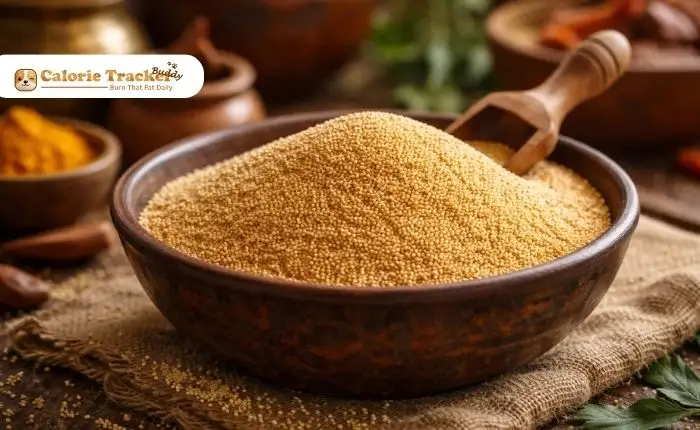
Amaranth is an ancient grain known for its high nutritional value and versatility in cooking. Often referred to as the royal grain, it has been cultivated for thousands of years in various parts of the world, including Central and South America, and has become a staple in many traditional diets in India under names like Rajgira and Ramdana.
This tiny, gluten-free grain is rich in protein, fibre, vitamins, and minerals, making it a popular choice among health-conscious individuals. Its nutty flavour and soft texture when cooked allow it to be used in porridge, flatbreads, snacks, and desserts. Beyond taste, Amaranth is highly regarded for its medicinal and wellness benefits, supporting heart health, digestion, and weight management.
With the rise of superfoods, Rajgira is gaining attention not only for its rich nutrient profile but also for its adaptability in modern diets. It’s suitable for gluten-free cooking, vegetarian and vegan diets, and even fitness-focused meal plans. Further tracking consumption with tools like Calorie Tracker Buddy can help you optimize portion sizes and nutritional intake, making it easier to incorporate this ancient grain into your daily routine.
You can listen to this Blog here.
What Is Amaranth?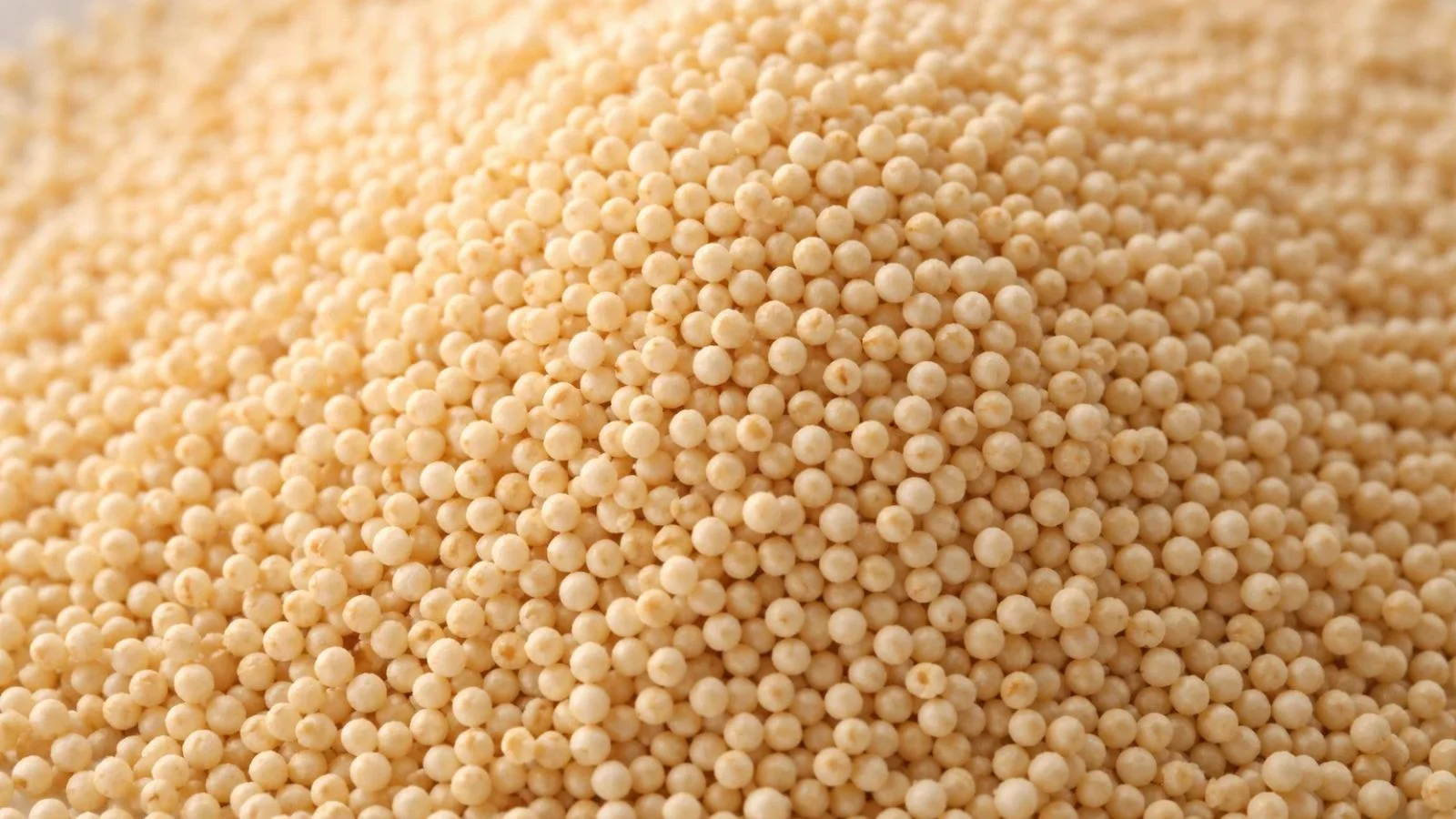
Amaranth grain is a tiny, nutrient-dense pseudocereal that has been cultivated for thousands of years. Unlike traditional grains like wheat or rice, amaranth belongs to the Amaranthaceae family and is prized for its high protein content, essential amino acids, and rich mineral profile. This is one reason it earned the title “royal grain.”
Nutritionally, amaranth is rich in protein, fiber, iron, magnesium, and calcium, making it an excellent choice for vegetarians and anyone looking to boost their nutrient intake. Its gluten-free nature also makes it suitable for people with celiac disease or gluten intolerance. In India, it is popularly known as Rajgira or Ramdana and is often used in fasting recipes, snacks, and traditional sweets.
Amaranth is versatile in cooking; it can be boiled as a cereal, popped like popcorn, or ground into flour for baking. Its high nutrient density means even small portions contribute significantly to daily protein and mineral requirements. Incorporating Rajgira grain into meals not only adds variety but also supports overall health, making it a key ingredient in modern superfood diets.
Health Benefits of Amaranth
Amaranth offers numerous health benefits, making it a powerful addition to any diet:
- Supports Heart Health:
Rich in fiber and phytochemicals, amaranth helps lower cholesterol levels and maintain healthy blood pressure. Its antioxidants also protect blood vessels and reduce the risk of cardiovascular issues. - Improves Digestion and Gut Health:
High in dietary fiber, amaranth promotes regular bowel movements and a healthy digestive system. It helps prevent constipation and supports gut microbiota balance. - Aids in Weight Management:
The combination of protein and fiber in amaranth increases satiety, keeping you fuller for longer and reducing unnecessary snacking. This makes it ideal for those following calorie-conscious diets. - Rich in Essential Nutrients:
Amaranth contains calcium, magnesium, iron, and phosphorus, supporting bone health, energy production, and overall wellness. It is also a source of essential amino acids, including lysine, which is rare in grains. - Antioxidant Properties:
Amaranth is packed with compounds that combat oxidative stress and inflammation, which may help reduce the risk of chronic diseases and boost immunity.
Incorporating Rajgira or Ramdana into meals ensures you get these health benefits. Using tools like Calorie Tracker Buddy can help track portion sizes and nutrient intake, making it easier to enjoy amaranth while maintaining a balanced diet.
Types of Amaranth
Amaranth comes in several varieties, each with unique uses and nutritional profiles. Understanding these can help you choose the right type for your diet:
- Rajgira:
Popular in India, Rajgira is used in traditional dishes, especially during fasting. It has a mild, nutty flavor and is commonly made into porridge, laddoos, or flatbreads. - Ramdana:
Another Indian variety, Ramdana is often popped like popcorn and used in snacks or cereals. It is highly digestible and rich in protein and minerals. - Other Global Varieties:
Amaranth is cultivated worldwide, with types like Amaranthus caudatus, Amaranthus cruentus, and Amaranthus hypochondriacus. These are used in both culinary and ornamental contexts and vary slightly in taste and nutrient content. - Whole Grain vs Flour:
Amaranth can be consumed as whole grains or ground into flour for baking. Whole grains are great for porridges or snacks, while flour can be used in pancakes, breads, and desserts.
All these types maintain the core benefits of amaranth, offering high protein, fiber, and essential nutrients. Choosing the right form depends on your recipe, dietary goals, and cooking preferences.
How to Include Amaranth in Your Diet?
Incorporating amaranth into your meals is easy due to its versatility and mild flavor. Here are some practical ways to enjoy this royal grain:
- Porridge or Breakfast Cereal:
Boil whole amaranth grains with water or milk to make a creamy porridge. Add fruits, nuts, or honey for extra flavor and nutrients. - Baking with Rajgira Flour:
Use amaranth flour in pancakes, muffins, or flatbreads. It blends well with other gluten-free flours and adds a nutty taste. - Snacks and Laddoos:
Popped amaranth (Ramdana) can be mixed with jaggery or honey to make energy bars, laddoos, or granola clusters—perfect for a healthy snack. - Salads and Savory Dishes:
Cooked amaranth grains can be tossed into salads, soups, or stir-fries to add texture, protein, and fiber. - Smoothies:
Add a tablespoon of amaranth flour or cooked grains to smoothies for an extra nutrient boost.
Using a Calorie Tracker Buddy can help you monitor how much Rajgira you consume, track its calories, and balance it with other foods, making it easier to stay on track with your nutrition goals.
Amaranth vs Other Grains
Amaranth stands out among grains due to its unique nutritional profile and health benefits. Here’s how it compares to common grains:
- Protein Content:
Rajgira is higher in protein than rice or wheat and contains lysine, an essential amino acid that is rare in most grains. This makes it ideal for vegetarians and vegans. - Gluten-Free:
Unlike wheat or barley, amaranth is naturally gluten-free, making it suitable for people with celiac disease or gluten intolerance. - Fiber and Digestive Benefits:
Amaranth is rich in dietary fiber, aiding digestion and promoting satiety. It helps regulate blood sugar and supports gut health. - Mineral and Antioxidant Rich:
It contains calcium, magnesium, iron, and antioxidants, offering better bone support and protection against oxidative stress compared to refined grains like white rice. - Versatility:
Amaranth can be used in porridge, baked goods, snacks, or even smoothies, making it more versatile than many traditional grains.
Incorporating amaranth grain into your diet provides both nutritional and functional advantages, positioning it as a superior choice for a healthy, balanced diet.
Track Your Amaranth Intake with Calorie Tracker Buddy
Keeping track of your nutrition is easier with Calorie Tracker Buddy, especially when including nutrient-dense foods like amaranth. The app helps you log meals, track calories, and monitor macros to ensure balanced nutrition.
Key benefits for Rajgira users:
- Portion Tracking: Know exactly how much amaranth grain or flour you consume.
- Nutritional Insights: Get data on protein, fiber, and micronutrients in Rajgira or Ramdana dishes.
- Meal Planning: Plan breakfasts, snacks, or desserts with amaranth while staying within calorie goals.
- Progress Monitoring: Track your diet trends over time to optimize health and fitness outcomes.
By using Calorie Tracker Buddy, you can enjoy the benefits of the royal grain while maintaining control over your daily nutrition, ensuring your meals are both healthy and satisfying.
Also Read,
Conclusion
Amaranth, also known as Rajgira, Ramdana, or the royal grain, is a nutrient-dense superfood with numerous health benefits. Packed with protein, fiber, essential minerals, and antioxidants, it supports heart health, digestion, weight management, and overall wellness.
Its versatility makes it easy to include in daily meals, whether as porridge, baked goods, snacks, or smoothies. Compared to traditional grains, amaranth offers higher protein, is naturally gluten-free, and provides superior nutritional value, making it an ideal choice for health-conscious individuals.
Tools like Calorie Tracker Buddy can help monitor your amaranth intake, track calories, and ensure balanced nutrition while enjoying this ancient superfood. By adding amaranth to your diet, you can experience its full benefits while maintaining healthy eating habits.
Incorporate this royal grain into your meals today and enjoy a delicious way to support your health and wellness journey.
FAQs
- Is amaranth grain gluten-free?
Yes, it is naturally gluten-free, making it suitable for people with celiac disease or gluten intolerance. - Can I eat it daily?
Absolutely. Including Rajgira or Ramdana regularly can boost protein, fiber, and essential minerals in your diet. - What’s the difference between Rajgira and Ramdana?
Both are Indian varieties of amaranth. Rajgira is often used in porridge and flatbreads, while Ramdana is typically popped and used in snacks or cereals. - How should I store it?
Store grains or flour in an airtight container in a cool, dry place to maintain freshness and prevent spoilage. - Can it help with weight management?
Yes, its high fiber and protein content promote satiety, helping control appetite and support weight management goals.