


Most people pass this green pod on a menu without realizing how unusual it really is. Edamame may look simple, but behind its mild taste is a set of facts that surprise even nutrition experts. Why does one cup contain protein equal to a small meal? How did it become a staple in countries with some of the longest life expectancies? And why do athletes and dietitians recommend it?
These questions rarely get asked, yet the answers are worth knowing. From its early harvest process to its unexpected role in modern diets, edamame challenges many assumptions about plant foods. Its benefits are backed by clear numbers and real studies.
In this blog, we will walk you through seven surprising facts about this that most people overlook, but everyone should understand.
So, let’s get started with it.
In A Hurry? Listen To The Blog Now
Is Edamame Good For You?

Well, you might be wondering what exactly edamame is and why it shows up so often on menus and food lists. Edamame refers to young soybeans that are harvested before they fully mature. Because they are picked early, they stay soft, green, and slightly sweet in taste. You will usually see them served in the pod, lightly boiled or steamed. Edamame
At its core, edamame is a whole, minimally processed food. Unlike tofu or soy milk, it keeps its natural shape and texture. This makes it easy to recognize and easy to prepare at home for your complete protein meal planning. In many Asian countries, edamame is treated more like a simple snack than a main dish. Understanding this basic definition helps set the stage for the bigger question people often ask next. Is edamame worth adding to your diet?
In simple terms, yes, it is. Edamame is a clean, whole food that has been eaten for generations, not a trend that appeared overnight.
What makes it worth considering is how naturally it fits into modern eating habits. It does not need heavy processing or complex recipes to be included in meals. You can eat it as it is, add it to dishes, or pair it with other foods without much effort. When something is easy to use, easy to understand, and already part of traditional diets, it usually earns its place.
If you like keeping an eye on what you eat using tools like Calorie Tracker Buddy, edamame is straightforward to log and plan around. There is no confusion about serving size or form. When a food is familiar, flexible, and simple to manage, it earns its place without effort.

7 Surprising Facts About Edamame That Everyone Should Know
Edamame are young soybeans harvested before they fully mature. Unlike dry soybeans, edamame stays soft and green, and people eat it fresh or lightly processed. Traditionally, Japanese cuisine served edamame as a simple side dish. Over time, researchers began studying how processing methods affect its composition. This helped people better understand why edamame stands apart from other legumes.
-
Roasting significantly changes protein concentration-
Fresh, boiled edamame contains close to 11 grams of protein per 100 grams. When the beans are roasted, moisture is removed, and nutrients become more concentrated. As a result, protein levels can rise to around 46 grams per 100 grams. This happens through heat alone, without additives or fortification.
-
It delivers all essential amino acids on its own-
Many plant foods lack one or more essential amino acids, which is why food combinations are often recommended. Edamame naturally contains all nine essential amino acids. This allows it to function as a standalone plant protein diet source. This aspect is often highlighted in edamame nutrition breakdowns.
-
Its name comes from traditional selling methods-
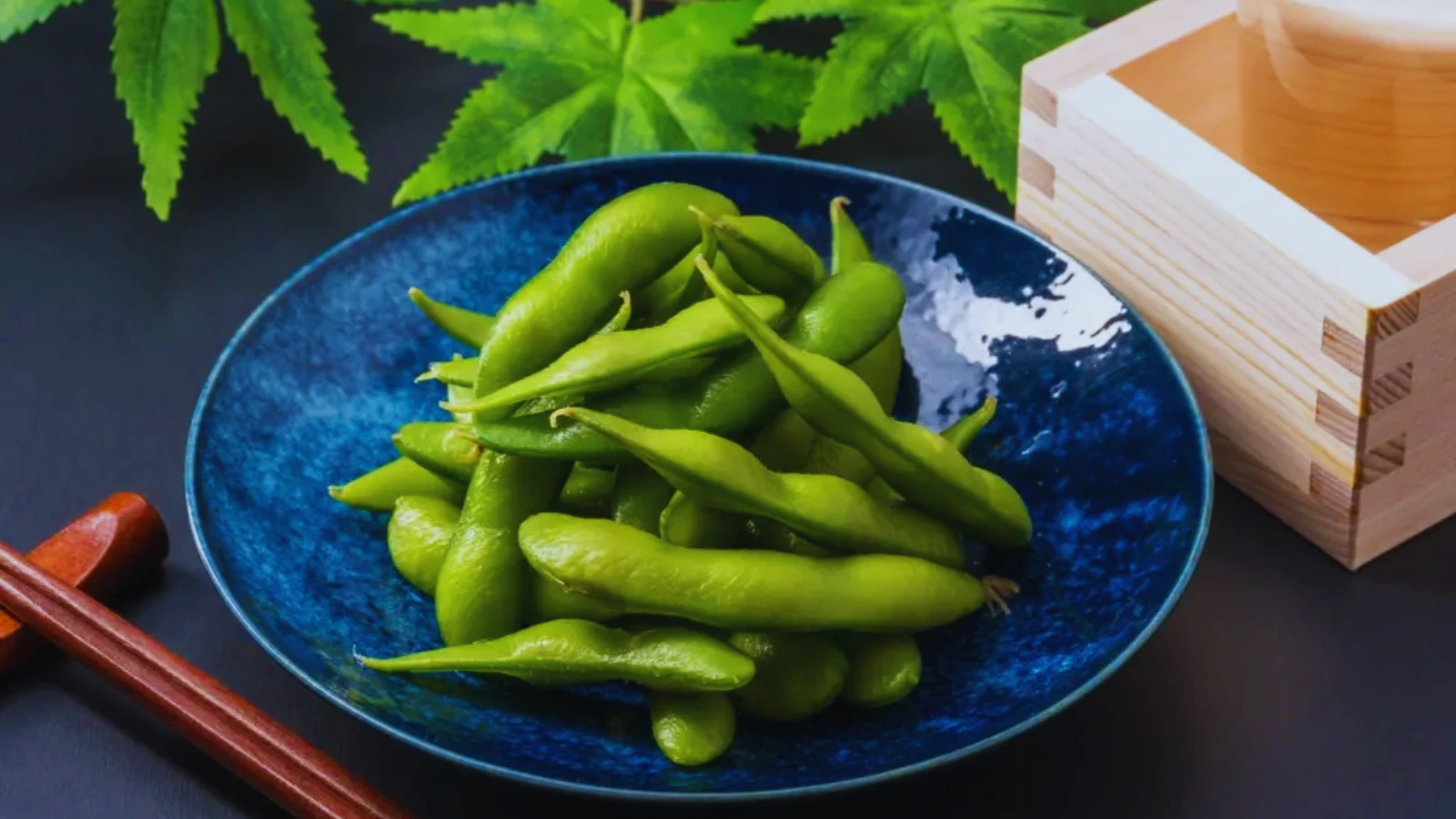
The word “edamame” originates from Japanese words meaning “branch” and “bean.” Historically, the beans were sold still attached to their stems. In Japan, steaming entire branches remains a common practice. This detail reflects how closely edamame is tied to seasonal and fresh food traditions. -
Edamame uses different soybean varieties than processed soy-
This type of soybean, grown for edamame, is not the same as those used in industrial soy products. When sourced carefully, edamame is often non-GMO. This distinction is essential for consumers concerned about sourcing and farming methods.
-
Suitable growing conditions limit its availability in India-
Edamame thrives in cooler climates and requires specific soil conditions. These requirements are not common across most of India. Small farming trials exist in regions like Himachal Pradesh and Uttarakhand, but imports still dominate supply. This is why edamame remains unfamiliar to many consumers.
-
Dry heat preparation retains nutrients while increasing density-
Traditional preparation relies on boiling, but roasting removes water without washing away nutrients. This leads to a denser concentration of protein, fiber, and minerals. Because of this, roasted edamame is now used in snack formats. Many people observe these differences while logging foods in Calorie Tracker Buddy.

-
Edamame appears in more varieties than most people realize-
Green soybeans are the most common form, but black and brown edamame varieties also exist. Black edamame contains higher anthocyanin levels, similar to those found in berries. These variations show how color can signal different nutritional profiles and characteristics.
These facts show that edamame is far more than a simple snack or side dish. From how it is grown to how it is prepared and consumed today, each detail adds context to why it has gained so much attention worldwide.
Understanding these basics helps separate assumptions from reality. As you move forward, this foundation will make it easier to understand the health benefits of edamame and why nutrition experts continue to study it closely.
Also Read
Healthy Snacks That Taste Great and Help You Stay on Track
Best Protein Sources For A High Protein Plant Based Diet
How To Include Complete Protein In Your Daily Diet?
How To Keep Track of Edamame In Your Daily Meals?
Edamame is simple to eat, but its calories and protein can vary depending on how it’s prepared. Boiled edamame has about 120 calories per cup, while roasted edamame can pack almost four times the protein in the same amount. That’s why keeping track can make a big difference in your daily nutrition.
Calorie Tracker Buddy makes this easy and practical. Let’s see how it makes it.
How Calorie Tracker Buddy Helps You Manage Your Meals?

Calorie Tracker Buddy is a simple tool that helps you track what you eat without confusion. It lets you log foods and see calories, protein, fiber, and other nutrients clearly. This makes it easier to understand portions and plan meals better. It focuses on awareness, not restriction.
1. Log Any Food Quickly
You can track any food you eat, from boiled edamame to roasted snacks. The app calculates calories, protein, fiber, and other nutrients automatically, so you don’t have to guess.
2. Track Macronutrients and Micros
It breaks down your intake into protein, carbs, fat, fiber, vitamins, and minerals. This helps you understand the full nutritional value of foods like green soybeans.
3. Set Daily Goals
You can set daily calorie or macro targets based on your personal goals. This makes it easier to see how foods like edamame fit into your overall diet.
4. Compare Foods Side by Side
Ever wondered if roasted edamame is better than boiled? Calorie Tracker Buddy lets you compare foods and servings to make smarter meal decisions.
5. Monitor Progress Over Time
The app keeps a history of your logged meals, so you can see patterns and adjust portions, preparation methods, or meal timing for better results.
6. Simple and Easy to Use
The interface is intuitive, so even beginners can start tracking their nutrition without feeling overwhelmed. It’s a practical way to turn healthy snacks habits into long-term routines.
The Bottom Line
Edamame proves that even the simplest foods can have the most interesting stories. What starts as a small green pod turns out to be a food shaped by culture, science, and changing eating habits.
Once you understand how edamame works, from its origins to how preparation changes its nutrition, you stop seeing it as just a side dish. These facts help you make smarter, more confident food choices. The next time you see edamame on a plate or a shelf, you will know exactly why it deserves a closer look.
Frequently Asked Questions
Q: What is edamame called in India?
In India, people commonly call edamame hara soyabean or soya ki phali, meaning green or immature soybean. In cities, sellers often use the name “edamame” itself.
Q: What is a substitute for edamame in India?
If edamame is not easily available, boiled peanuts are one of the closest and most affordable substitutes in India. People widely consume them as a snack, and they provide a good amount of plant-based protein. Their texture and taste make them a practical alternative in salads, stir-fries, or simple boiled preparations.
Q: What are the health benefits of edamame?
Edamame is rich in plant protein and fiber, which helps keep you full and supports balanced nutrition. It also provides important minerals and antioxidants that support overall health.