


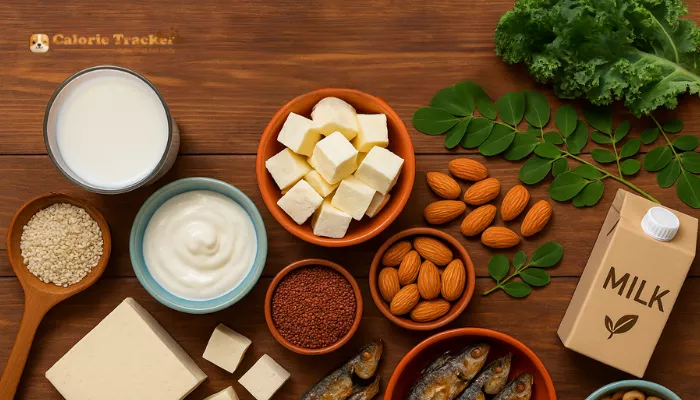
Calcium is often called the “bone mineral,” but its role in the body goes far beyond that. From supporting heart health to helping muscles move and nerves transmit signals, calcium is involved in countless processes we don’t even notice daily. Despite being so important, many people still don’t meet their daily calcium needs — leading to weak bones, fragile teeth, and higher risks of osteoporosis later in life.
The good news? You don’t need to depend on supplements to fill the gap. Plenty of calcium rich foods are available in our kitchens and local markets that can easily help you meet your daily requirements.
In this guide, I’ll share which foods are rich in calcium, why they matter, and how you can include them in your diet naturally.
Listen To The Podcast!
Why Calcium Matters?
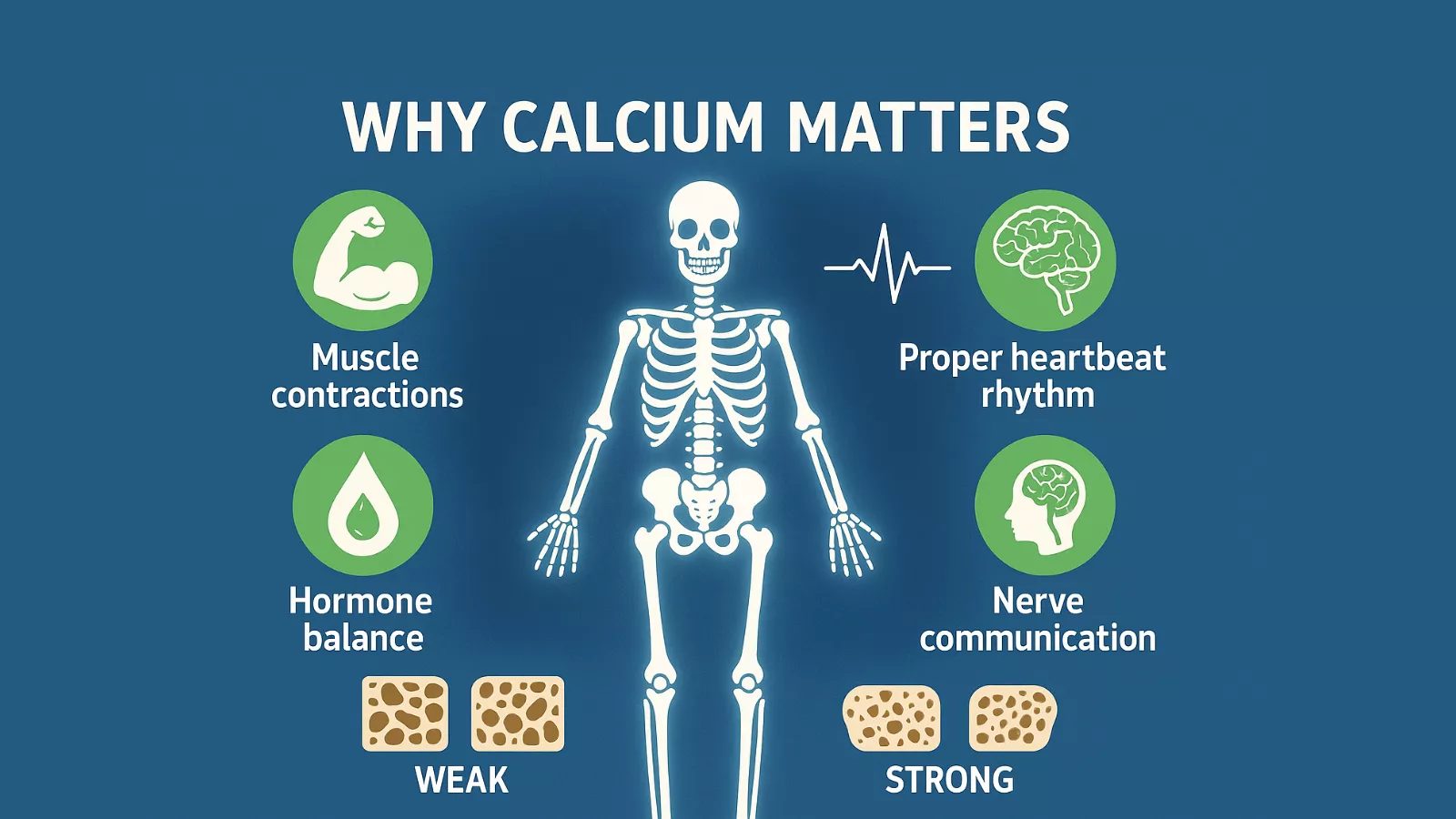
Around 99% of calcium is stored in bones and teeth, while the rest supports essential functions like:
- Muscle contractions (from lifting weights to blinking your eyes)
- Proper heartbeat rhythm
- Communication between nerves
- Hormone release and balance
When your diet doesn’t provide enough, your body pulls calcium from your bones. Over time, this weakens bone density, making fractures and osteoporosis more likely. That’s why foods which are rich in calcium are vital for all age groups — from growing kids to elderly adults.
Top Calcium Rich Foods To Add To Your Diet
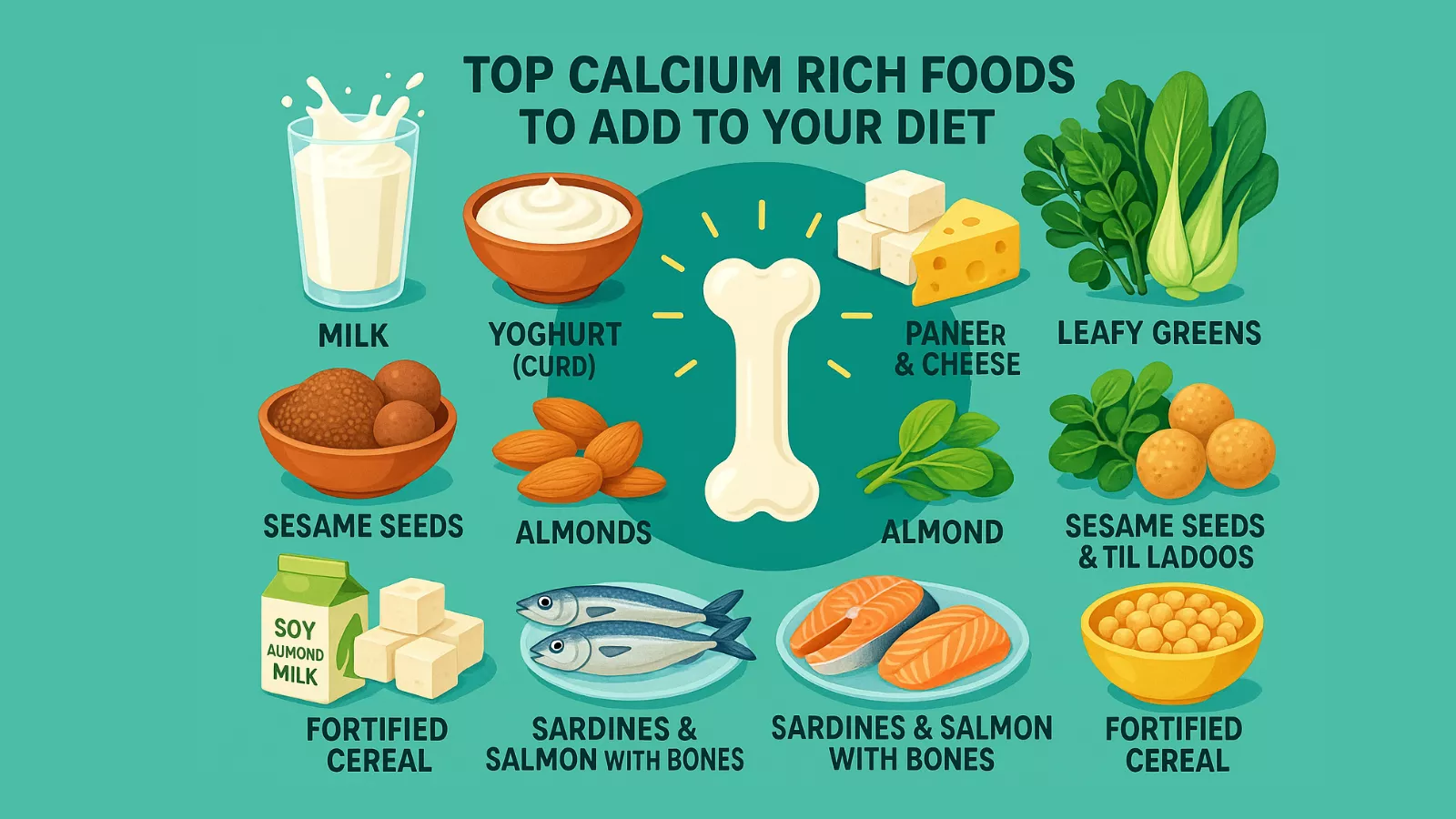
Here are some of the best calcium-packed sources — both dairy and non-dairy — that you can easily add to your meals without overhauling your diet.
-
Milk
Milk continues to be one of the most consistent and widely available calcium sources across the world. A single glass (about 250 ml) can provide nearly 300 mg of calcium, which is around 30% of the daily requirement for most adults. Along with calcium, it also contains vitamin D and protein, both of which are crucial for proper absorption and bone strength.
- Best for: Kids, teenagers, women, and seniors.
- How to include: Drink it plain, add it to smoothies, porridges, or even masala chai.
- Tip: If you’re lactose intolerant, try lactose-free milk or fortified plant-based alternatives.
-
Yoghurt (Curd)
Curd is not just refreshing on a hot day — it’s also a powerhouse of calcium. A standard bowl (200 g) provides roughly the same calcium as a glass of milk. It’s also probiotic, meaning it promotes good gut bacteria and aids digestion.
- Best for: Those who want both calcium and improved gut health.
- How to include: Add to meals as raita, lassi, smoothie base, or simply enjoy plain with fruit.
- Tip: Go for plain yoghurt instead of flavored ones loaded with sugar.
-
Cheese & Paneer
Cheese, especially hard varieties like cheddar, parmesan, or gouda, can provide 200–250 mg of calcium per serving. Paneer, a staple in Indian households, is another excellent source, offering a protein-calcium combo.
- Best for: Vegetarians, kids, and women needing extra calcium.
- How to include: Add paneer to curries, stir-fries, or sandwiches. Sprinkle cheese on salads, parathas, or soups.
- Tip: Stick to moderate portions since cheese can also be high in fat and sodium.
-
Leafy Greens
Leafy vegetables are one of the most underrated calcium rich foods for bones. Options like kale, drumstick leaves (moringa), collard greens, and bok choy are excellent sources. Unlike spinach, which has oxalates that hinder calcium absorption, these greens allow better uptake by the body.
- Best for: Vegetarians and vegans.
- How to include: Toss into dals, sabzis, soups, smoothies, or parathas.
- Tip: Light steaming or sautéing improves calcium absorption from greens.
-
Ragi (Finger Millet)
When talking about calcium rich foods in India, ragi tops the list. One cup of cooked ragi can give nearly 350 mg of calcium, which is higher than many dairy products. Traditionally used in southern India, it’s gaining popularity as a “super grain.”
- Best for: Kids, women, and seniors needing bone-strengthening foods.
- How to include: Prepare ragi roti, dosa, porridge, malt drinks, or even ladoos.
- Tip: Fermented ragi dishes like dosa enhance nutrient absorption.
-
Sesame Seeds (Til)
Tiny but mighty, sesame seeds are calcium-dense. Just one tablespoon offers nearly 90 mg of calcium. In India, sesame is traditionally consumed in winters in the form of til laddoos or chikkis, which are both tasty and nourishing.
- Best for: Everyone, especially during seasonal bone and joint aches.
- How to include: Sprinkle roasted til on salads, dals, chutneys, or rotis. Use tahini in dips like hummus.
- Tip: Soak sesame seeds overnight before using to improve mineral absorption.
Also Read
Which Vitamin D Supplement Is Best? Here’s What You Need to Know
-
Almonds
A handful of almonds (about 30 g or 25 nuts) gives 75–80 mg of calcium, along with healthy fats, protein, and fiber. They are great for snacking and can easily be added to everyday meals.
- Best for: Kids and adults looking for a calcium-rich snack.
- How to include: Eat soaked almonds in the morning, add almond powder to milk, or use almond butter as a spread.
- Tip: Don’t overeat — almonds are calorie-dense, so moderation is key.
-
Tofu
Tofu made with calcium salts (like calcium sulfate) can provide up to 350 mg of calcium per 100 g serving. It’s a versatile option, especially for vegans and those avoiding dairy. Plus, it’s high in protein, making it a double win.
- Best for: Plant-based diets.
- How to include: Stir-fry with vegetables, add to curries, grill it, or blend into smoothies.
- Tip: Always check the label to confirm if the tofu is made with calcium salts.
-
Sardines and Salmon (with bones)
Canned sardines and salmon are excellent non-dairy sources because their soft, edible bones are calcium-rich. A 100 g serving of sardines can provide over 300 mg of calcium, along with omega-3 fatty acids for heart and brain health.
- Best for: Non-vegetarians and seafood lovers.
- How to include: Add to salads, sandwiches, pasta, or grain bowls.
- Tip: Opt for canned versions with edible bones for maximum calcium benefit.
-
Fortified Foods
Fortification means nutrients are added to foods that may not naturally contain them. Many modern products like plant-based milk (soy, almond, oat), breakfast cereals, and orange juice are fortified with calcium to match levels found in dairy.
- Best for: People with lactose intolerance or busy lifestyles.
- How to include: Choose fortified soy milk for the highest calcium and protein content, pour fortified cereal with milk for breakfast, or use fortified juices.
- Tip: Always check labels for “calcium-fortified” and shake plant-based milk before use, as calcium can settle at the bottom.
Eating the right foods is just one part of the journey. The real magic happens when you also track how much you eat and burn. That’s where your Calorie Tracker Buddy steps in — making nutrition smarter and fun.
Your Smart Calorie Tracker Buddy

Eating healthy isn’t just about choosing the right foods — it’s about knowing how they fuel your body. That’s where your Calorie Tracker Buddy comes in. Think of it as your pocket-sized coach that scans, tracks, and motivates you every step of the way.
Snap the Meal
Just point your camera and tap once — your plate is instantly scanned for calories, nutrients, and balance. No manual logging, no fuss.
🔥 Calorie Burn Tracker
From workouts to household chores, every move counts. Track your daily activity and see exactly how many calories you’re burning throughout the day.
🍴 Calorie Intake Tracker
Log meals in seconds and get instant feedback. Whether it’s breakfast, snacks, or dinner, your buddy shows how each choice fits into your daily goals.
🎯 Goal Predictions
Stay on track with clear insights. See how every sip, bite, and snack brings you closer to — or further from — your health targets.
🐾 Buddy Motivation
Your virtual pet grows healthier and happier with every good choice you make, keeping you motivated with fun rewards along the way.
🤝 Social Sharing
Celebrate your wins and share your journey. Post your meals, streaks, and progress so your circle can cheer you on.
Calcium Needs at Different Stages of Life
- Babies & Kids: Growing bones need constant calcium. Foods like milk, ragi porridge, and curd are the best calcium rich foods for babies and children.
- Women: Post-menopause, calcium needs increase because bone density decreases faster. Including calcium-rich foods for ladies like milk, sesame seeds, leafy greens, and fortified products can help prevent osteoporosis.
- Seniors: As absorption declines with age, older adults should spread calcium intake throughout the day and combine it with vitamin D.
How To Improve Calcium Absorption?
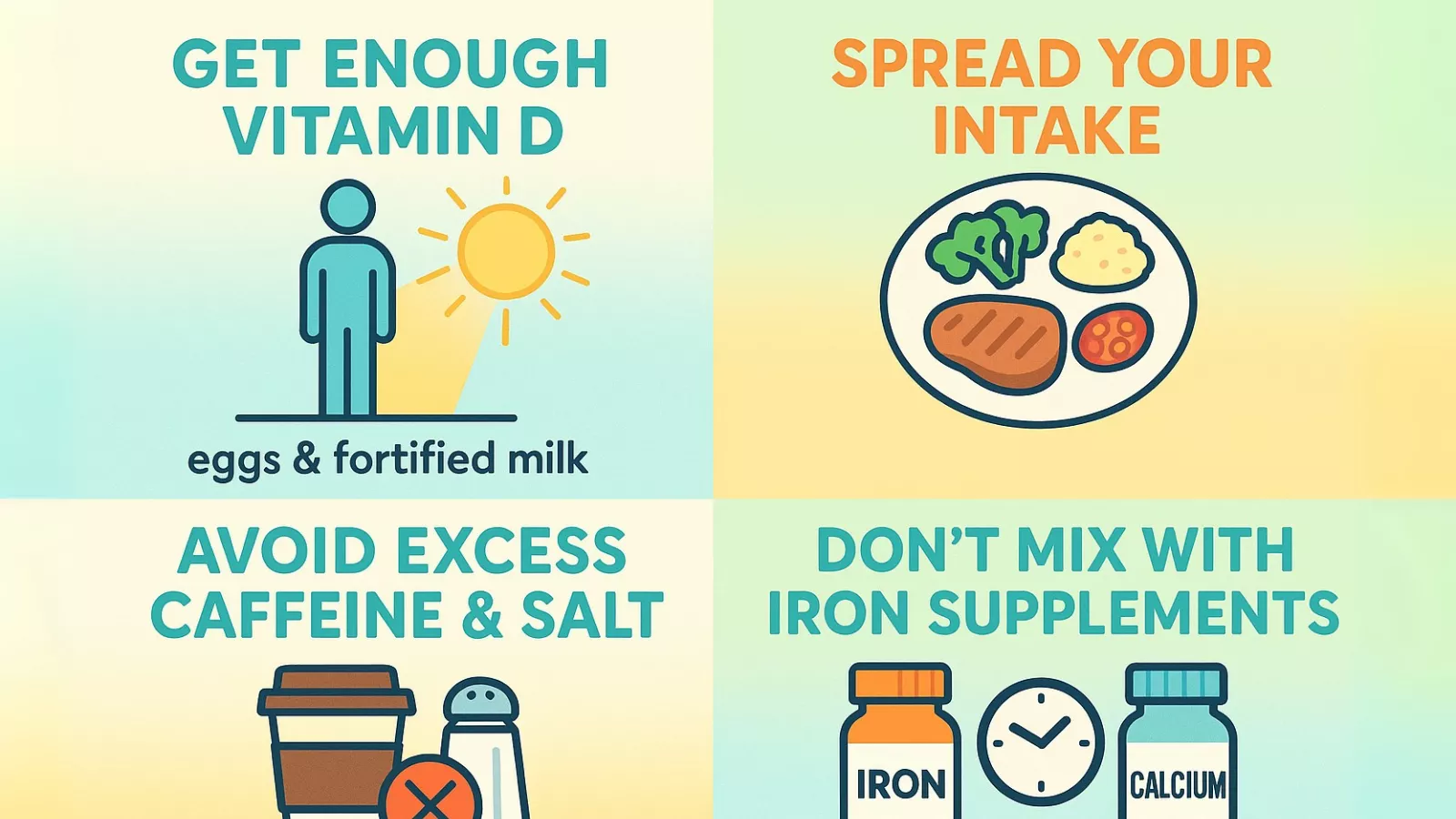
Just eating calcium isn’t enough — your body has to absorb it well. Here’s how:
- Get enough Vitamin D: Spend time in sunlight and eat vitamin D-rich foods like eggs and fortified milk.
- Spread your intake: Your body absorbs smaller amounts better, so include calcium in multiple meals.
- Avoid excess caffeine and salt: Too much tea, coffee, or salty food can reduce calcium retention.
- Don’t mix with iron supplements: Calcium and iron compete for absorption, so space them a few hours apart.
Final Thoughts
Calcium isn’t just about strong bones — it supports almost every major body function. From classic dairy products like milk and yoghurt to traditional Indian staples like ragi and sesame seeds, there are plenty of ways to add calcium rich foods to your diet.
Whether you’re focusing on calcium rich foods for bones, planning meals for children, or looking for calcium-rich foods for ladies, the key is to make small, consistent choices every day.
Remember — a diet balanced with calcium today means stronger bones and a healthier tomorrow.
Quick FAQs
Q1: Which are calcium rich foods for vegetarians?
Milk, yoghurt, paneer, ragi, sesame seeds, almonds, and leafy greens are excellent vegetarian sources.
Q2: Can I get enough calcium without dairy?
Yes. Ragi, tofu, almonds, sesame seeds, leafy greens, and fortified foods provide plenty of calcium.
Q3: Which foods are rich in calcium for kids?
Milk, yoghurt, ragi porridge, cheese, and nuts are simple, kid-friendly options.