



Gut health has become a major focus in modern nutrition, and for good reason. A healthy gut plays a key role in digestion, immunity, metabolism, and even mental well-being. Emerging fields like Nutritional Psychiatry highlight how strongly gut health influences mood, cognition, and emotional balance. One of the most natural ways to support your digestive system is through fermented food, which has been part of traditional diets across cultures for centuries.
From yogurt and kimchi to idli and kombucha, fermented foods are created through a natural process where beneficial bacteria break down sugars and starches. This process not only enhances flavour and shelf life but also improves nutrient absorption and supports a healthier gut environment. Today, science is rediscovering what traditional diets always knew, fermentation supports balance in the digestive system and nourishes beneficial gut bacteria.
In this blog, we’ll explore what fermented foods are, how they work, their benefits, and how they contribute to better gut health. You’ll also learn practical ways to include them in your daily diet safely and effectively.
In A Hurry? Listen To The Podcast Now!
What Are Fermented Foods?
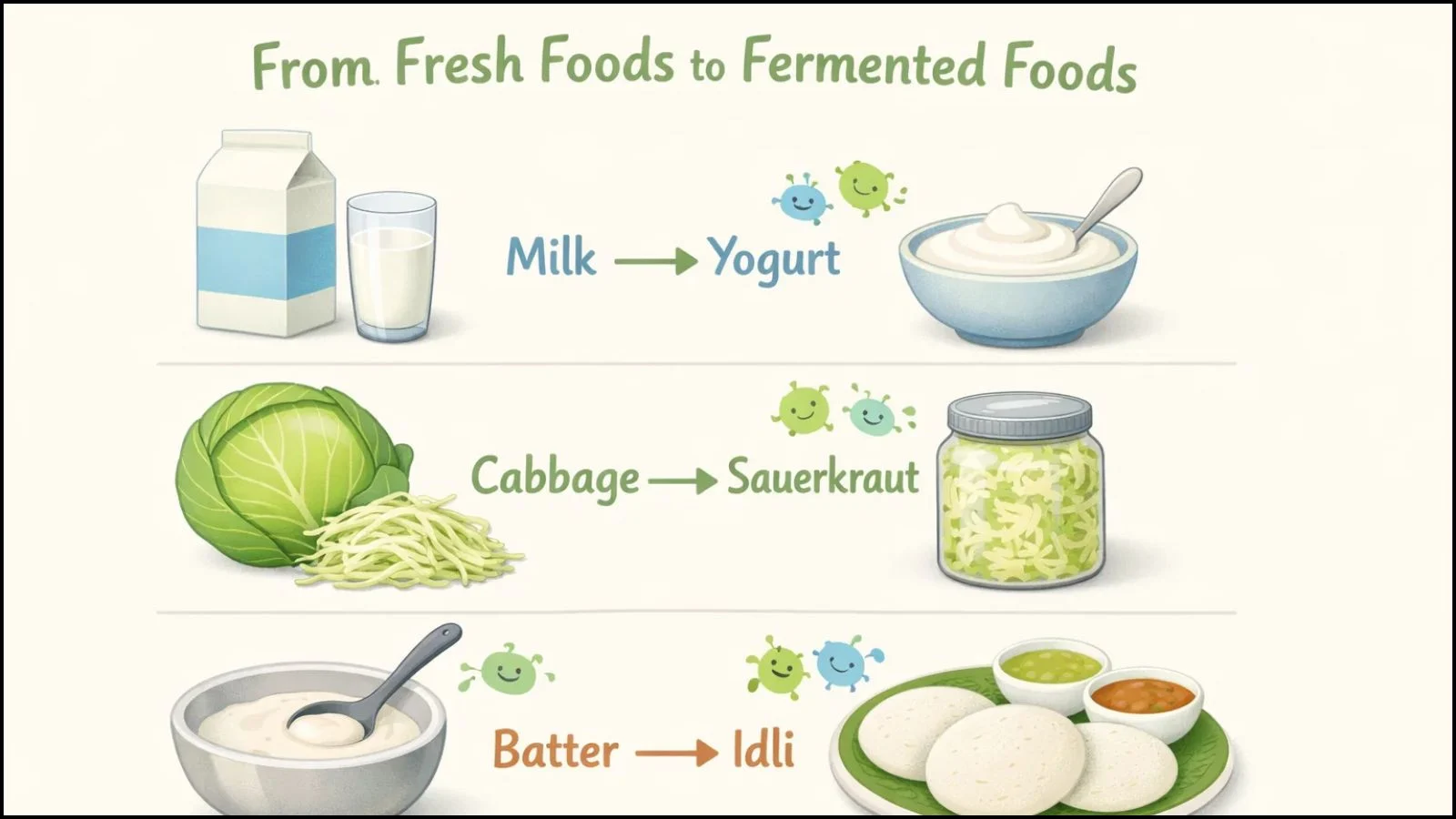
Fermented foods are foods that have undergone a natural process in which microorganisms, such as bacteria or yeasts, convert sugars into acids, gases, or alcohol. This process helps preserve food while enhancing its nutritional value and flavour. When people ask what fermented foods are, the simplest answer is that they are foods transformed by beneficial microbes to support better digestion and overall health.
During fermentation, these good bacteria grow and multiply, creating compounds that help the body absorb nutrients more efficiently. This is why fermented food often contains higher levels of vitamins, enzymes, and probiotics compared to its non-fermented form. The process also breaks down complex nutrients, making food easier to digest.
Fermented foods have been part of traditional diets around the world for centuries. From yogurt in India and the Middle East to sauerkraut in Europe and kimchi in Korea, fermentation has long been used as a natural method of food preservation. Today, fermented foods are valued not only for their taste but also for their powerful impact on gut and digestive health.
How Fermentation Works?
Fermentation is a natural metabolic process in which microorganisms like bacteria or yeast feed on sugars present in food. As they break down these sugars, they produce beneficial compounds such as lactic acid, enzymes, and probiotics. This transformation is what turns regular ingredients into nutrient-rich fermented food that supports digestion and gut balance.
One of the key benefits of fermentation is improved nutrient availability. The process helps reduce anti-nutrients like phytic acid, which can block the absorption of minerals such as iron, calcium, and zinc. As a result, fermented foods allow the body to absorb nutrients more efficiently compared to unfermented versions.
Fermentation also enhances food safety and shelf life. The acids produced during fermentation create an environment that limits the growth of harmful bacteria. This is why fermentation has been used for centuries as a preservation method, long before refrigeration existed.
Overall, fermentation improves taste, texture, and digestibility while enriching food with beneficial bacteria that support gut health.
Fermented Food and Gut Bacteria Health:
The human gut is home to trillions of microorganisms that play a vital role in digestion, immunity, and overall well-being. Maintaining a healthy balance of these microbes is essential, and fermented food plays a key role in supporting this balance naturally.
Fermented foods contain probiotics, live beneficial bacteria that help replenish and strengthen the gut microbiome. When consumed regularly, these probiotics support the growth of good bacteria while limiting the spread of harmful microbes. This balance helps improve digestion, reduce inflammation, and support a stronger immune system.
Research also shows a strong connection between fermented food and gut bacteria health. A diverse gut microbiome is linked to better nutrient absorption, improved metabolism, and reduced digestive discomfort. By introducing naturally fermented foods into your diet, you encourage microbial diversity and create a healthier gut environment.
In addition to digestive benefits, a balanced gut microbiome influences mood and mental clarity through the gut–brain connection. This makes fermented foods an important addition not only for digestion but for overall wellness.
Key Benefits of Fermented Food:
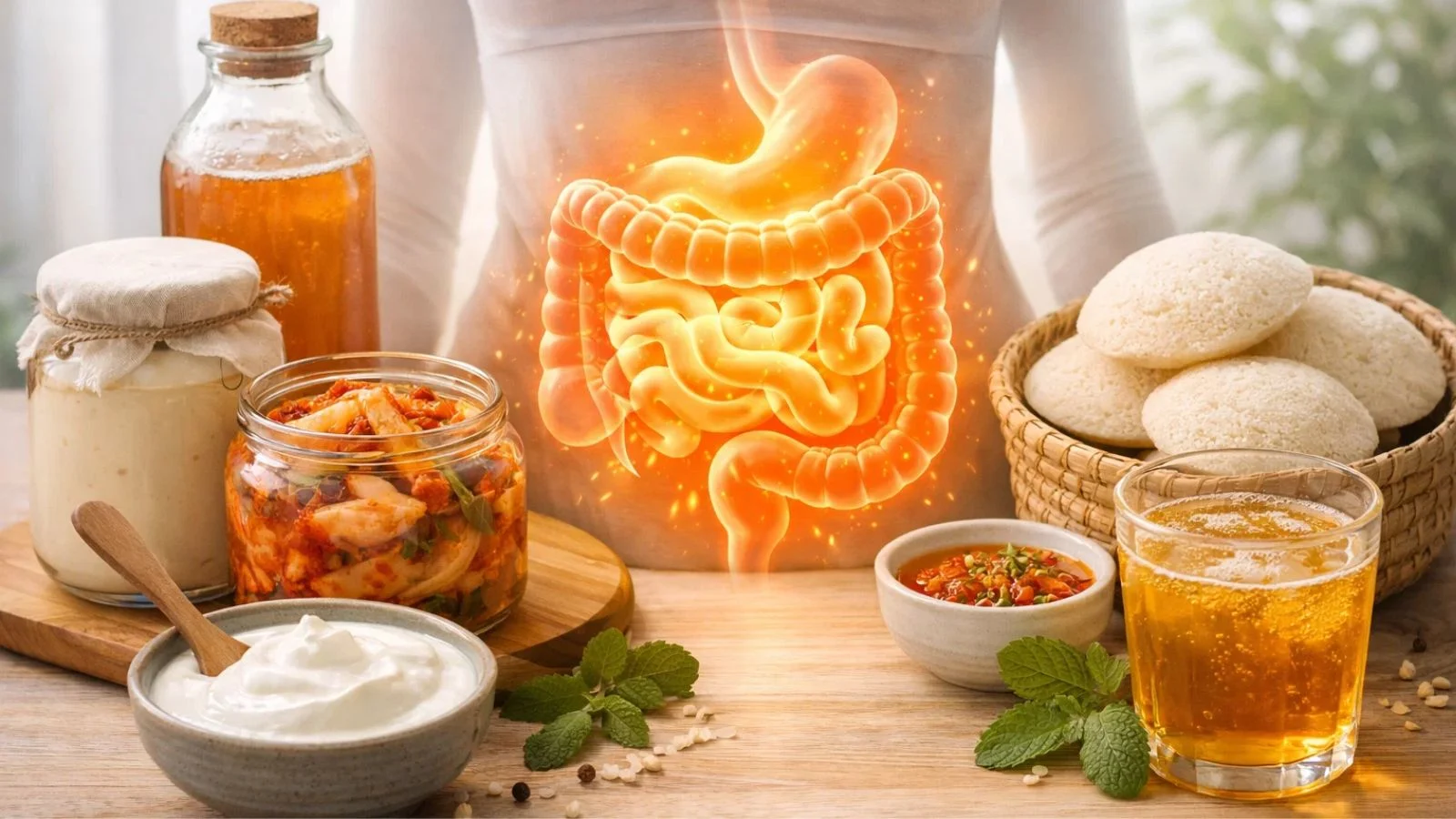
Including fermented food in your daily diet offers a wide range of health benefits that go beyond digestion. Thanks to the presence of probiotics, enzymes, and organic acids, fermented foods inherently support multiple body functions.
Improved Digestion and Nutrient Absorption:
Fermentation breaks down complex carbohydrates, proteins, and lactose, making food easier to digest. This process allows the body to absorb essential nutrients such as B vitamins, iron, and magnesium more effectively.
Supports Immune System Health:
A large portion of the immune system is linked to the gut. By improving gut balance, fermented foods help strengthen immune defenses and reduce the risk of infections.
Reduces Bloating and Digestive Discomfort:
Regular consumption of fermented food can help reduce bloating, gas, and irregular bowel movements by supporting healthy gut bacteria and smoother digestion.
Supports Metabolism and Weight Management:
A balanced gut microbiome plays a role in metabolism and appetite regulation. Fermented foods can help improve metabolic efficiency and support healthier eating patterns.
Gut–Brain Connection Benefits:
Gut health influences mental well-being. A healthier gut environment may contribute to better mood, reduced stress, and improved mental clarity through the gut–brain axis.
Types of Fermented Foods You Should Know:
There are many varieties of fermented foods available worldwide, each offering unique flavours and health benefits. Understanding these types helps you choose the right fermented food for your diet and digestive needs.
Dairy-Based Foods:
Dairy fermentation involves beneficial bacteria breaking down lactose into lactic acid, making these foods easier to digest.
- Yogurt – Rich in probiotics, supports digestion and immunity
- Kefir – A fermented milk drink with diverse strains of good bacteria
- Buttermilk – Common in Indian diets, supports hydration and digestion
These dairy-based fermented foods are especially helpful for people who experience mild lactose intolerance.
Vegetable-Based Foods:
Vegetable fermentation uses natural bacteria to preserve vegetables while enhancing their nutrient profile.
- Kimchi – A Korean staple rich in probiotics and antioxidants
- Sauerkraut – Fermented cabbage known for gut health benefits
- Fermented pickles – Naturally fermented, not vinegar-based
Vegetable fermented foods are excellent for gut health because they contain fiber along with probiotics.
Grain and Legume Foods:
Fermentation improves the digestibility of grains and legumes by breaking down complex starches.
- Idli and Dosa – Popular Indian fermented foods made from rice and lentils
- Sourdough bread – Easier to digest compared to regular bread
- Tempeh – Fermented soy product high in protein
These fermented foods are ideal for those following plant-based or vegetarian diets.
Beverage-Based Foods:
Some fermented foods come in liquid form and are a refreshing way to support gut health.
- Kombucha – Fermented tea with probiotics
- Kanji – Traditional Indian fermented drink made from carrots or beetroot
Fermented Food and Modern Diets:
Modern diets often include processed foods that lack fiber and beneficial bacteria. This can negatively impact gut bacteria diversity. Adding fermented food to daily meals helps counteract this imbalance naturally.
Fermented foods work best when combined with:
- Whole grains
- Fruits and vegetables
- Adequate hydration
Together, these support a healthy digestive ecosystem and long-lasting gut health benefits.
How to Safely Add Fermented Food to Your Daily Diet:
Introducing fermented food gradually is key to avoiding digestive discomfort.
Start Small:
Begin with small portions, such as:
- 2–3 spoonful’s of yogurt
- A small serving of fermented vegetables
This allows your gut bacteria to adjust.
Be Consistent:
Regular intake matters more than large quantities. Eating fermented foods a few times a week can still support gut health.
Choose Natural Fermentation:
Always opt for naturally fermented foods rather than products made with vinegar or artificial preservatives. Check labels for “live cultures” or “naturally fermented.”
Pair with Balanced Meals:
Combining fermented food with fiber-rich meals helps probiotics survive longer in the gut and work more effectively.
Who Should Be Careful With Fermented Foods?

While fermented foods are beneficial, they may not be suitable for everyone in large amounts.
You should be cautious if you:
- Have severe digestive disorders
- Experience histamine sensitivity
- Are immunocompromised
In such cases, consult a healthcare professional before increasing fermented food intake.
Common Myths About Fermented Food:
Myth 1: All pickles are fermented
Not all pickles are fermented. Many are preserved using vinegar and do not contain probiotics.
Myth 2: Fermented food works instantly
Gut health improvement takes time. Consistency is key.
Myth 3: Supplements are better than food
Natural fermented foods offer fiber, enzymes, and nutrients that supplements often lack.
Fermented Food and Long-Term Gut Health:
The relationship between fermented food and gut bacteria health is supported by growing research. A diverse and balanced gut microbiome contributes to long-term wellness, improved immunity, and reduced risk of digestive disorders. Including fermented food as part of a balanced diet is a sustainable, natural way to nurture your gut without relying on artificial solutions.
But good nutrition works best when paired with awareness and consistency. Knowing what you eat, how much you eat, and how it fits into your goals can make the difference between short-term changes and lasting health improvements.
That’s where a smart tracking tool can help you stay on course.
Also Read:
Nutritional Psychiatry: How Food Shapes Your Mood, Mindset, And Brain Health.
Greek Yogurt Vs Regular Yogurt: Everything You Need To Know
Track Your Nutrition with Calorie Tracker Buddy:
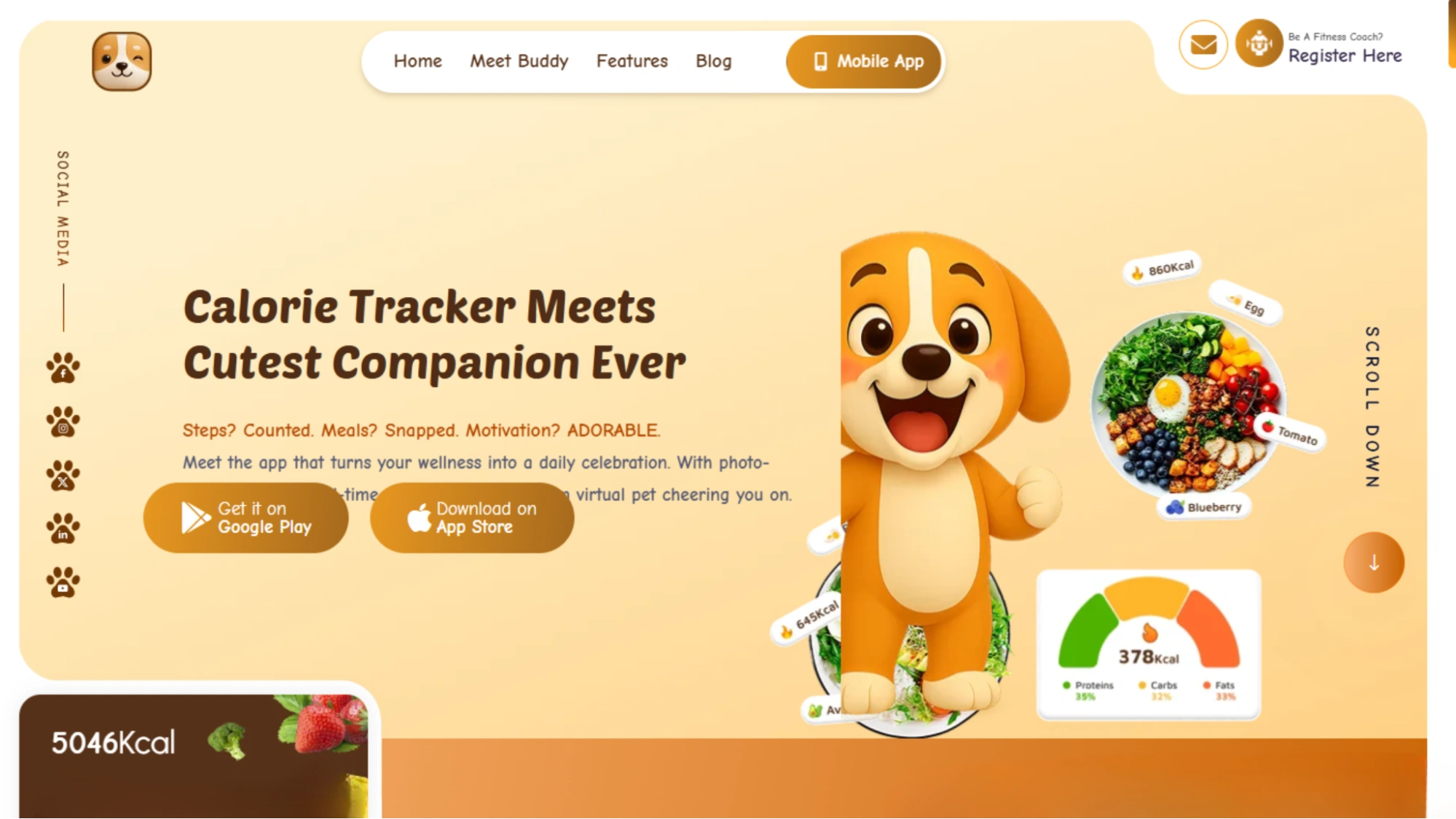
Calorie Tracker Buddy makes mindful eating and nutrition tracking effortless and enjoyable, so you can pair fermented food choices with balanced daily habits for long-term gut health and overall wellness.
Here’s how CTB supports your journey:
📸 Smart Meal Logging
Snap a photo of your meal and get instant calorie, nutrient, and balance feedback, no tedious manual entry needed.
🔥 Comprehensive Calorie & Burn Tracking
Monitor both calories consumed and calories burned through everyday activities like walking or chores, giving you a clearer picture of your energy balance.
🎯 Personalized Goals & Insights
Set goals for weight, nutrition, and hydration, then get real-time insights showing how each meal moves you closer to your targets.
🐾 Motivational “Buddy” Companion
A cute virtual health buddy grows with your healthy choices, making tracking fun and encouraging consistency
📊 Progress Visualization & Social Sharing
Track your progress with clear charts and reports, and share your achievements with friends to stay motivated.
💧 Hydration & Activity Targets
The app also nudges you to stay hydrated and hit daily activity goals, both of which support healthy digestion and metabolism.
By combining fermented food benefits with mindful tracking and personalized insights, Calorie Tracker Buddy helps you build healthier eating habits that stick, supporting digestion, metabolism, and long-term wellness.
Final Thoughts:
Fermented food has stood the test of time as a natural solution for better digestion and gut balance. From improving nutrient absorption to supporting immune and mental health, fermented foods play a powerful role in overall wellness.
By understanding what fermented foods are, how they work, and how to include them safely, you can make informed choices that benefit your gut long term. Combined with tools like Calorie Tracker Buddy, maintaining a healthy, gut-friendly lifestyle becomes simpler and more sustainable.
FAQ’s:
1. Can children eat fermented foods safely?
Ans: Yes, most fermented foods like yogurt, kefir, and mildly fermented vegetables are safe for children in small amounts. Start with small portions to allow their digestive system to adjust. Avoid highly spicy or very sour fermented foods for young children.
2. How long can homemade fermented foods be stored?
Ans: Homemade fermented foods can typically be stored for 1–3 months in the refrigerator, depending on the type and fermentation level. Always check for unusual odors, mold, or discoloration before consumption to ensure safety.
3. Do fermented foods help with lactose intolerance?
Ans: Yes, fermented dairy products like yogurt and kefir contain lower lactose levels because bacteria break down lactose during fermentation. Many people with mild lactose intolerance can digest these foods comfortably.