



When most people think about staying healthy, they focus on their heart, lungs, or weight. However, bone health is often overlooked until something goes wrong. Your bones are the foundation of your body, providing structure, protecting vital organs, and enabling movement.
Without strong bones, everyday activities become challenging, and the risk of fractures increases dramatically as you age. The reality is that your skeletal system is constantly changing. Every day, your body breaks down old bone tissue and builds new bone tissue. This process continues throughout your life. During childhood and adolescence, your body creates new bone faster than it breaks down old bone.
Most people reach their peak bone mass around age 30. After that, you lose slightly more bone mass than you gain. Understanding how to maintain and improve your skeletal strength ensures you can live an active, independent life at any age.
Incorporating nutrient-rich foods like dragon fruit can help support bone health. This exotic fruit is not only delicious but also packed with essential vitamins and minerals, offering 6+ Health Benefits that contribute to stronger bones and overall wellness.
Listen To The Podcast Now!
Why Does Your Skeletal System Deserve More Attention?
1. The Hidden Consequences of Weak Bones:
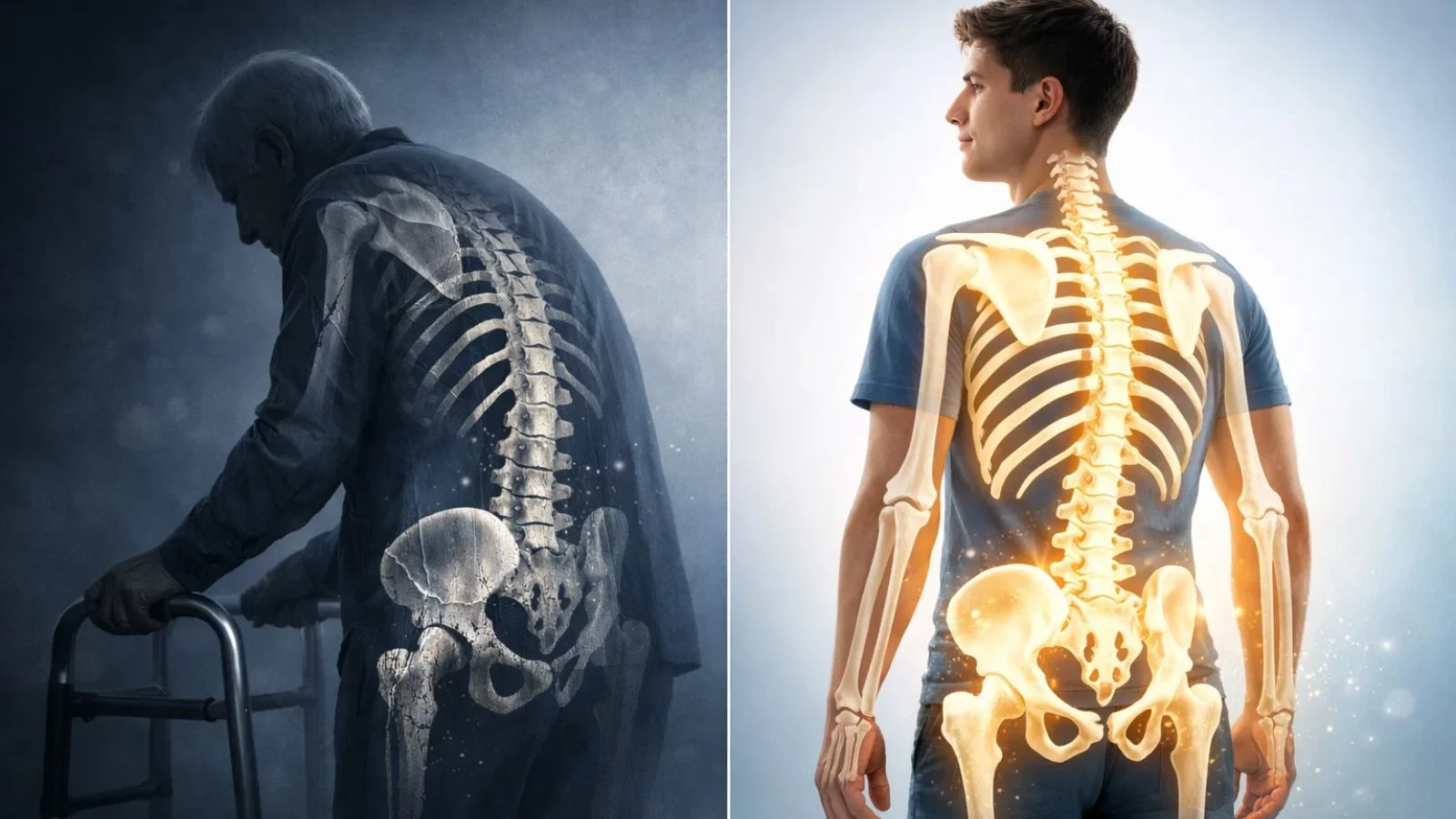
Many people don’t realize the far-reaching impacts of poor bone health until they experience a fracture. Hip fractures, in particular, can be life-altering for older adults. Statistics show that approximately 20% of hip fracture patients die within a year of their injury, and many others never regain their previous independence.
Beyond fractures, weak bones can lead to chronic pain, reduced mobility, and decreased quality of life. When your skeletal structure isn’t strong enough to support your body, you may experience persistent back pain from compression fractures or develop a stooped posture that affects breathing and digestion.
2. It Affects More Than Just Older Adults:
While skeletal strength becomes more critical as we age, the foundation for strong bones is built much earlier. Your teenage years and twenties are crucial for building bone mass. The lifestyle choices you make during these decades significantly impact your skeletal strength for the rest of your life.
Essential Nutrients Your Bones Need:
1. Calcium: The Building Block:
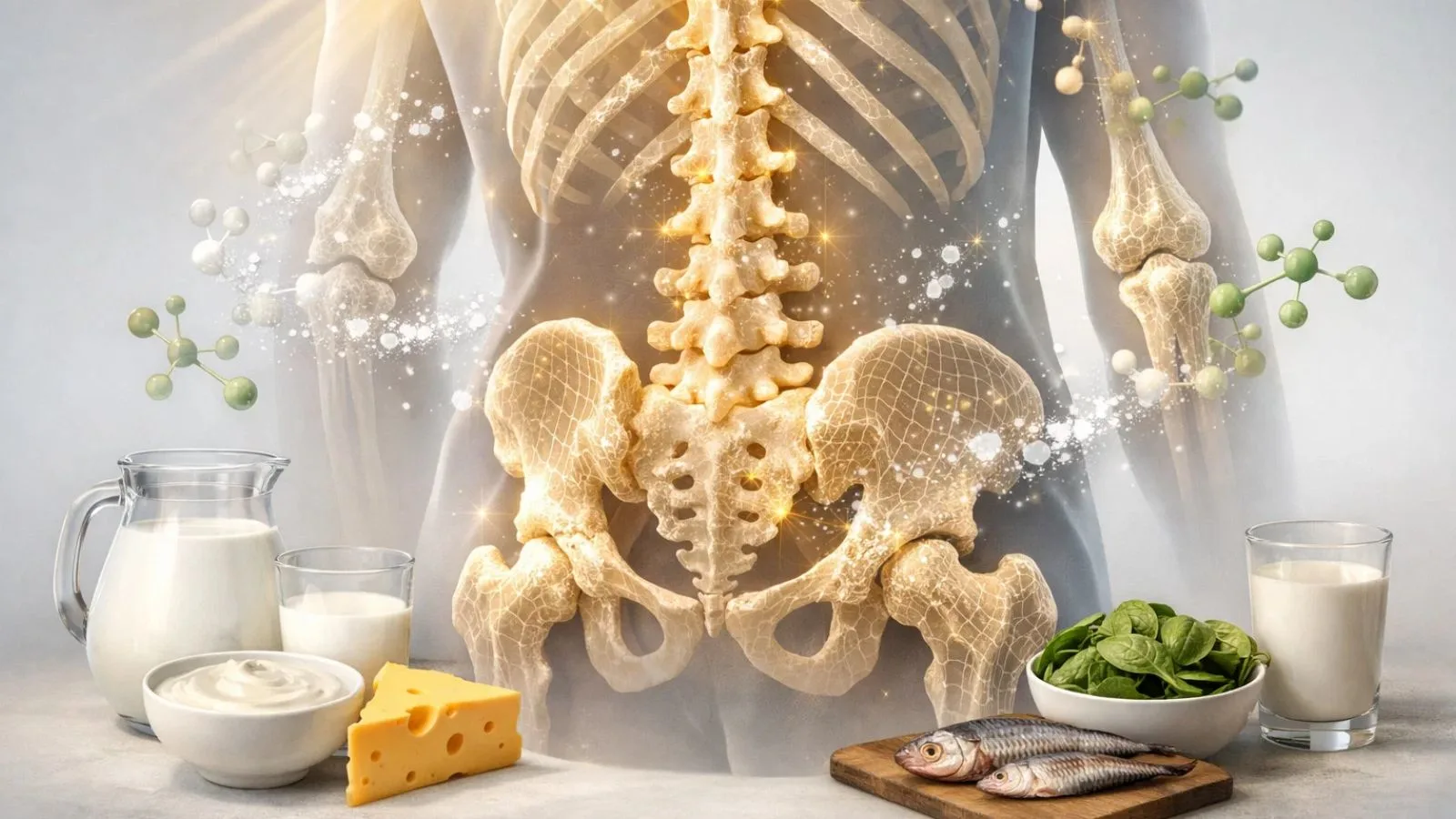
Calcium is the most abundant mineral in your body, and approximately 99% of it is stored in your bones and teeth. When you don’t get enough calcium from your diet, your body takes it from your bones, weakening them over time.
Adults typically need between 1,000 to 1,200 milligrams of calcium daily. Foods good for bone health that are rich in calcium include dairy products like milk, yogurt, and cheese, as well as leafy green vegetables, fortified plant-based milk, and canned fish with bones.
2. Vitamin D: The Absorption Enhancer:
Calcium alone isn’t enough. Your body needs vitamin D to absorb calcium effectively. Without sufficient vitamin D, you could consume plenty of calcium but still develop weak bones because your body can’t use it properly.
Most people get vitamin D from sunlight exposure, but factors like geographic location, season, and skin tone affect production. Many people need to supplement their intake through food or supplements, especially during winter months.
3. Other Critical Nutrients:
Vitamin K helps produce proteins necessary for bone formation. Magnesium is involved in converting vitamin D into its active form and helps regulate calcium levels. Protein provides the structural framework for bones, making it essential for maintenance and repair.
Lifestyle Factors That Strengthen Your Skeleton:

1. Weight-Bearing Exercise:
Your bones respond to stress by becoming stronger. Weight-bearing exercises force your body to work against gravity, stimulating bone formation. Activities like walking, jogging, dancing, hiking, and climbing stairs are excellent for building bone health. Resistance training with weights or bands is also highly beneficial.
The key is consistency. Exercising a few times a week is far more effective than sporadic intense workouts. Even 30 minutes of weight-bearing activity most days can make a significant difference over time.
2. Avoiding Bone-Depleting Habits:
Certain lifestyle choices can accelerate bone loss. Smoking interferes with the body’s ability to absorb calcium and decreases estrogen levels, which protect bones. Excessive alcohol consumption interferes with calcium balance and affects hormone production that protects bones.
A sedentary lifestyle is particularly harmful. When bones aren’t regularly stressed through physical activity, they lose density more rapidly. Even with a calcium-rich diet, lack of exercise will compromise your skeletal strength.
3. Maintaining a Healthy Weight
Both being significantly underweight and overweight can negatively impact your skeletal system. Very low body weight increases the risk of bone loss and fractures. While carrying extra weight puts mechanical stress on bones, obesity is associated with increased fracture risk due to inflammation and increased fall risk.
Building a Bone-Healthy Diet:
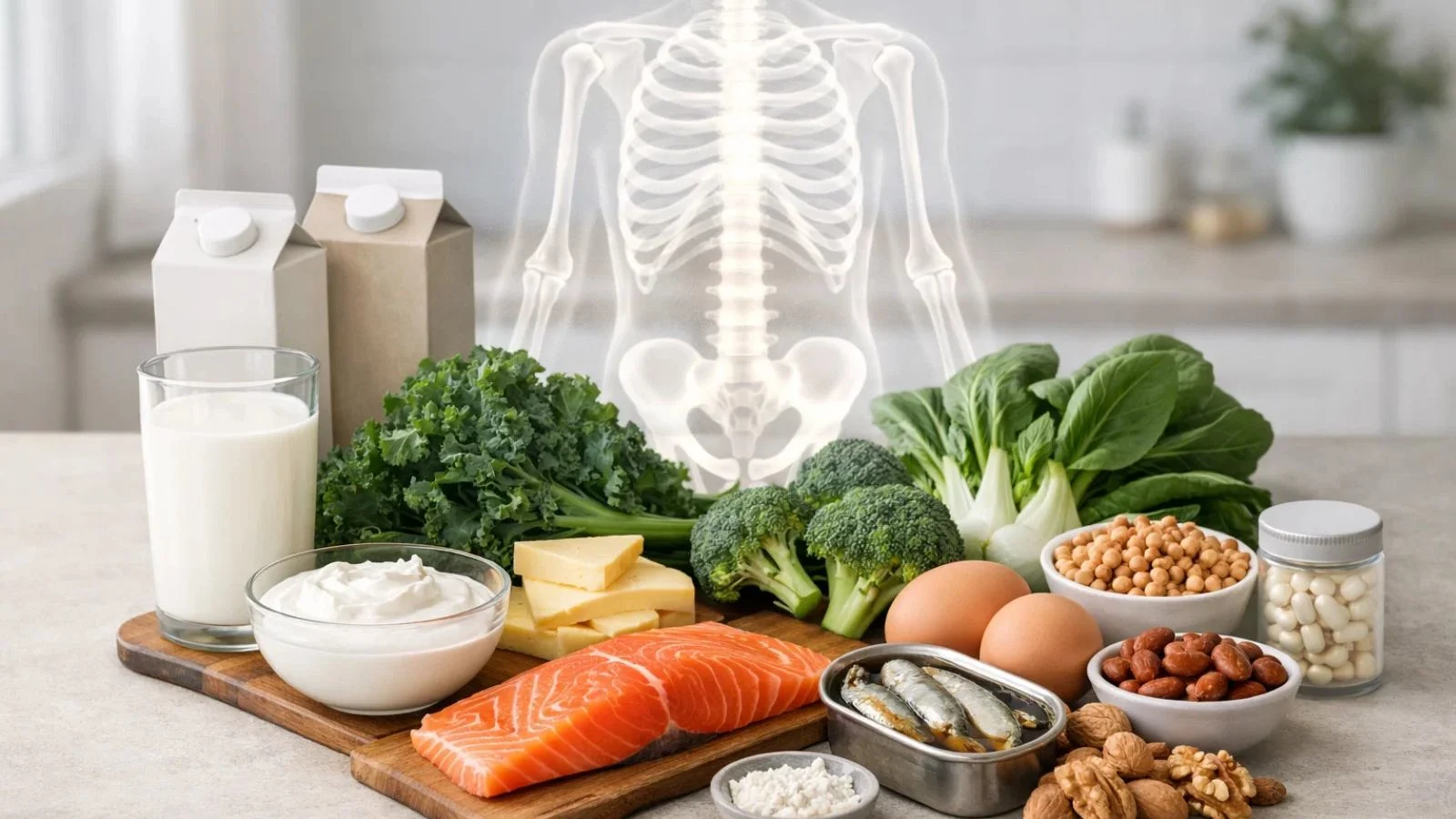
Creating a diet that supports bone health doesn’t require extreme measures or expensive supplements. Focus on incorporating nutrient-dense foods into your daily meals.
1. Dairy and Alternatives:
Dairy products are among the most efficient sources of calcium. A single cup of milk provides about 300 milligrams of calcium. Greek yogurt, regular yogurt, and cheese are excellent options. If you’re lactose intolerant or prefer plant-based options, fortified almond milk, soy milk, and oat milk provide similar calcium amounts.
2. Leafy Greens and Vegetables:
Dark leafy greens like kale, collard greens, and bok choy are excellent sources of calcium and vitamin K. Broccoli provides both calcium and vitamin C, which is important for collagen production in bones. These vegetables are also low in calories but high in fiber.
3. Protein Sources:
Adequate protein intake is crucial for maintaining bone mass. Lean meats, poultry, fish, eggs, legumes, and nuts all contribute to skeletal strength. Fatty fish like salmon and sardines have the added benefit of providing vitamin D and omega-3 fatty acids.
4. The Role of Supplements:
While whole foods should be your primary source of nutrients, bone and joint health supplements can help fill dietary gaps. Calcium and vitamin D supplements are most commonly recommended. Some people also benefit from magnesium, vitamin K2, or collagen supplements.
However, consult with a healthcare provider before starting any supplement regimen. Too much calcium from supplements can increase the risk of kidney stones. Your doctor can help determine if you need supplements and the appropriate dosages.
Also Read:
How Calorie Tracker Buddy Supports Your Skeletal Health Journey?
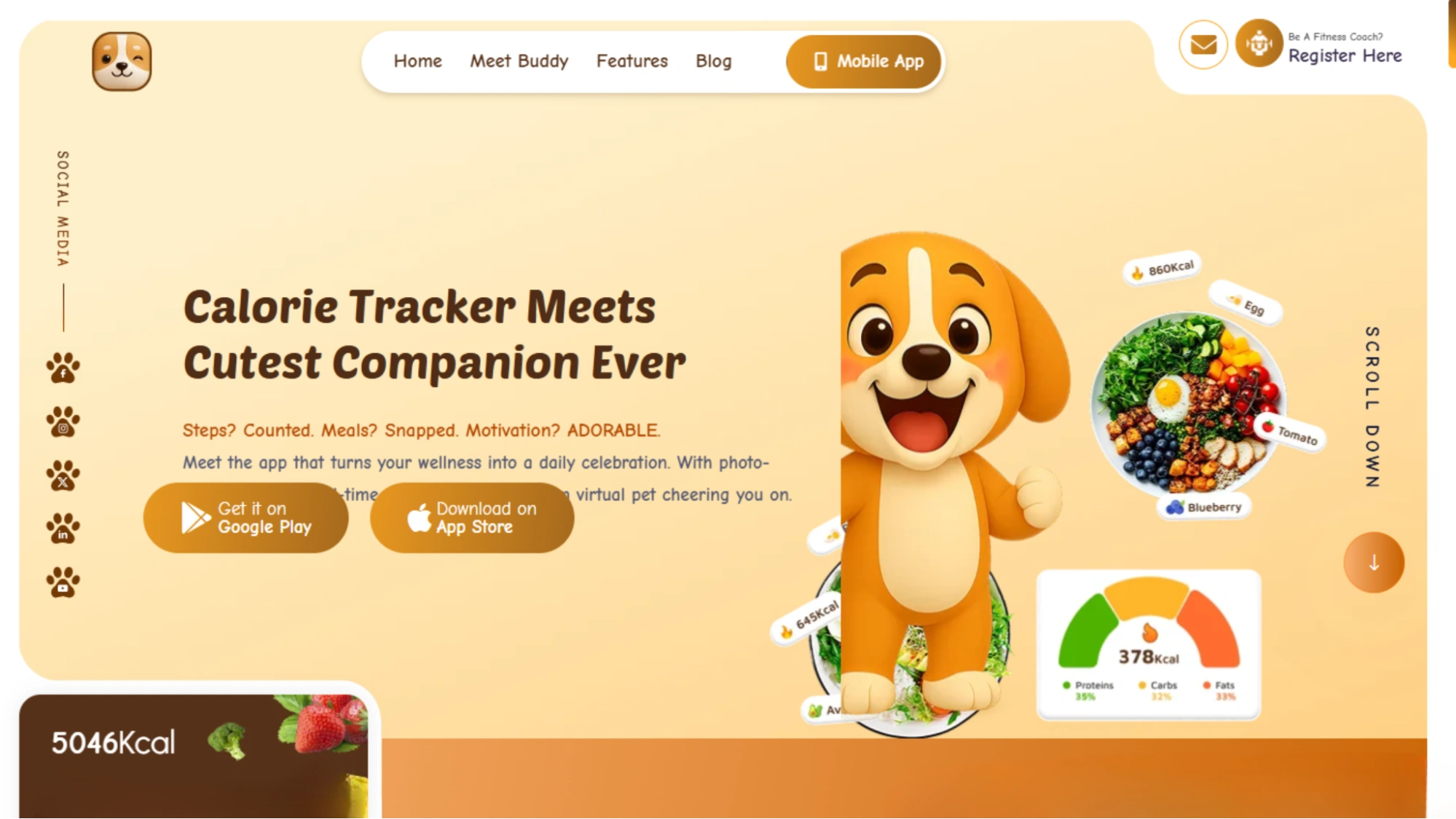
Maintaining strong bones isn’t just about eating calcium-rich foods; it’s about ensuring your overall diet supports skeletal health while meeting your other nutritional needs. This is where Calorie Tracker Buddy becomes an invaluable tool.
Calorie Tracker Buddy helps you monitor not just your calorie intake but also your consumption of essential nutrients that directly impact your skeletal system. Logging your meals shows the amount of calories you have consumed. It also suggests the additives or cuts that you can make to your diet to achieve better nutrition.
The app also helps you maintain a healthy weight, which is crucial for skeletal support. Whether you need to gain weight to reduce fracture risk or lose weight to decrease stress on your joints, Calorie Tracker Buddy provides personalized calorie targets and progress tracking to help you reach your goals safely.
Additionally, the app’s meal planning features make it easier to incorporate nutrient-dense foods into your diet. You can create meal plans that prioritize skeletal-supporting nutrients while ensuring you’re getting adequate fiber, healthy fats, and other essential nutrients your body needs.
Conclusion:
Your skeletal system is the framework that supports everything you do. Investing in bone health today pays dividends for decades to come. By combining a nutrient-rich diet, regular weight-bearing exercise, and healthy lifestyle choices, you can maintain strong bones throughout your life. Remember that it’s never too early or too late to start caring for your bones. The steps you take today will impact your mobility and independence tomorrow.
FAQ’s:
Q1: At what age should I start worrying about my skeletal health?
Ans: You should prioritize skeletal health at every age. Peak bone mass is built during childhood and young adulthood, making these years crucial. However, bone-protective habits benefit people of all ages.
Q2: Can I reverse bone loss?
Ans: While you can’t completely reverse significant bone loss, you can slow or stop further deterioration and even improve bone density through proper nutrition, exercise, and sometimes medication.
Q3: How often should I get a bone density test?
Ans: Most women should have their first bone density scan at age 65, and men at age 70. However, if you have risk factors like family history or previous fractures, your doctor may recommend earlier screening.