


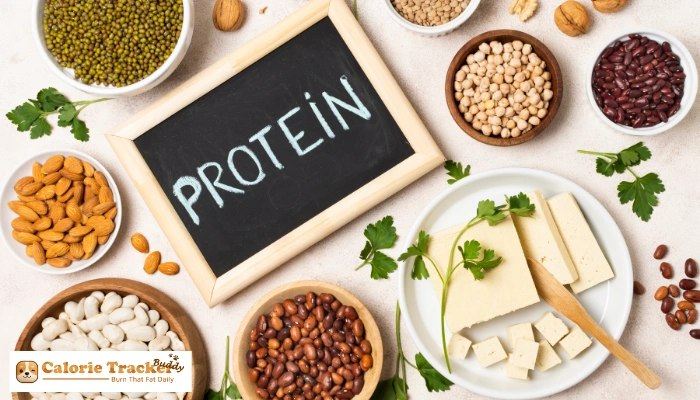
It plays a critical role in building muscles, repairing tissues, and supporting immunity. Not all proteins are equal, however. Complete protein contains all nine essential amino acids that your body cannot produce naturally. Including that in daily meals ensures the body functions efficiently and maintains overall health.
Many people focus on total intake but overlook its quality. Consuming that will helps in muscle recovery, energy production, and maintaining a healthy metabolism. For those aiming to improve body composition or support fitness goals, understanding complete protein foods becomes essential.
With proper knowledge and planning, you can meet daily needs through both animal and plant-based sources. Tracking and monitoring your intake ensures consistency and long-term benefits.
Listen To The Podcast Now!
What Is Complete Protein And Why Your Body Needs It?

It provides all essential amino acids in adequate amounts. Amino acids are the building blocks of proteins, necessary for muscle repair, hormone production, and enzyme function. Without that, the body may experience slower recovery, reduced energy, and compromised immunity.
While many foods contain protein, only certain foods provide all nine essential amino acids in the right ratios. Animal-based proteins like eggs, meat, fish, and dairy naturally contain that. Some plant-based combinations, such as rice and beans or soy products, also qualify as protein sources.
Including that in meals prevents deficiencies, promotes lean muscle mass, and supports satiety, which helps with weight management. It also enhances the efficiency of protein-rich food consumed throughout the day.
Complete Protein Foods: What To Include In Your Meals
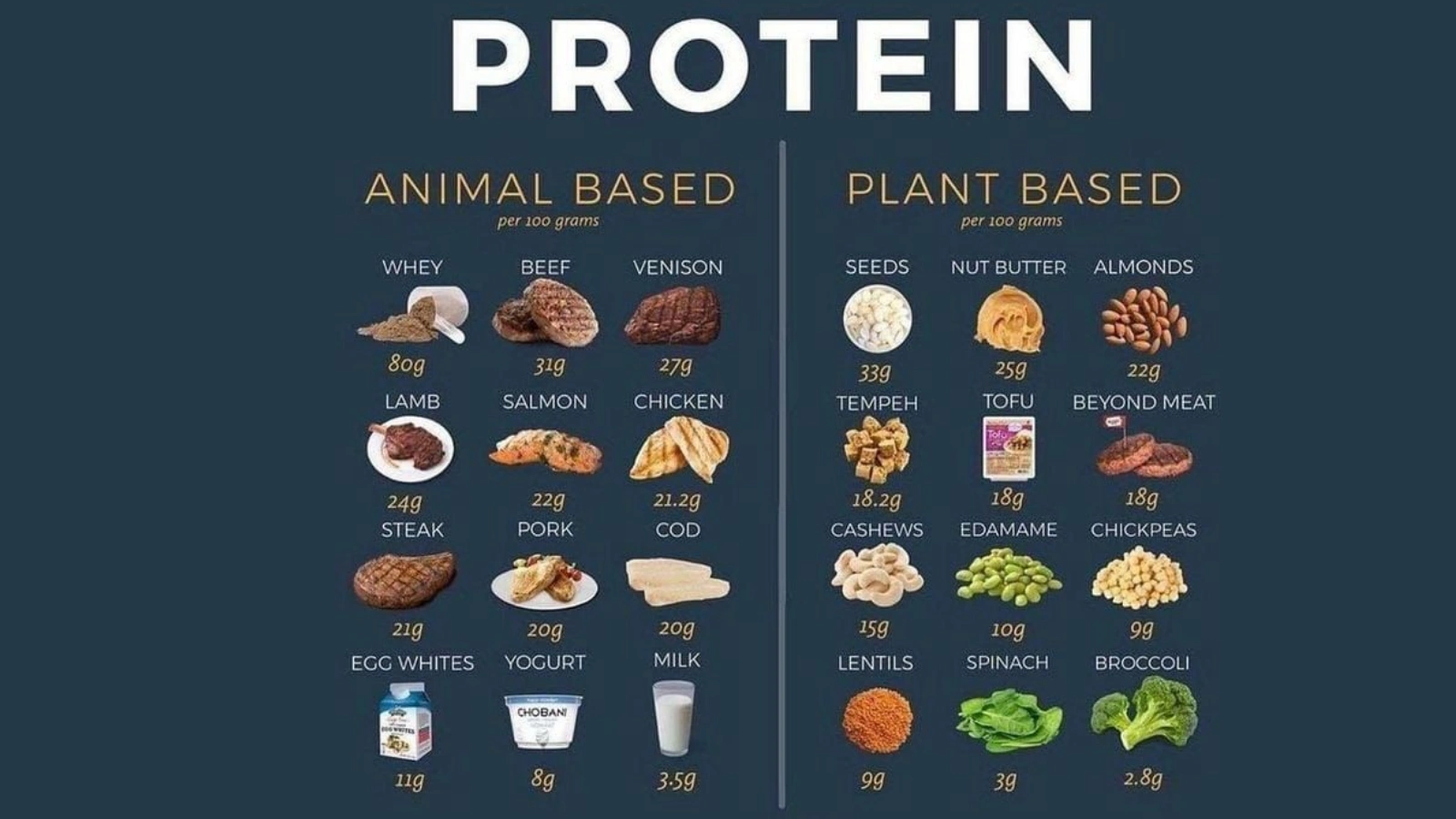
Adding protein foods to daily meals requires variety and awareness. Animal products remain the most straightforward sources.
Animal-Based Complete Protein Foods
- Eggs: Provide high-quality protein with essential amino acids
- Lean meats: Chicken and turkey offer substantial protein per serving
- Seafood: Fish like salmon, tuna, and shrimp deliver protein along with omega-3 fatty acids
- Dairy: Milk, yogurt, and cheese provide protein, calcium, and essential nutrients
Plant-Based Complete Protein Foods
- Soy products: Tofu, tempeh, and edamame supply protein.
- Quinoa: A versatile grain that contains all essential amino acids.
- Chia seeds and hemp seeds: Small additions to meals can improve protein quality.
- Legume combinations: Rice with beans or lentils provides a plant-based protein.
Including these foods regularly ensures balanced nutrition. Even people who follow vegetarian or vegan diets can meet requirements with careful planning.
Complete Protein Examples You Can Easily Add
Here are practical, protein examples for everyday meals:
- Breakfast: Scrambled eggs with milk or tofu scramble with quinoa
- Lunch: Grilled chicken salad or chickpea and rice bowl
- Dinner: Salmon with steamed vegetables or tempeh stir-fry
- Snacks: Greek yogurt and shakes, or a handful of hemp seeds
Adding these examples to meals helps maintain balance and energy throughout the day. Variety in protein sources also prevents dietary monotony and ensures all essential amino acids are consumed consistently.
Also Read:
Protein-Rich Food Options For Every Meal
Meeting needs requires strategic choices across all meals.
Breakfast
- Omelet with vegetables
- Greek yogurt with chia seeds
- Smoothie with soy milk and protein powder
Lunch
- Grilled chicken or fish with quinoa
- Lentil and rice bowl with vegetables
- Tofu salad with mixed greens
Dinner
- Chicken stir-fry with vegetables
- Baked salmon with roasted sweet potatoes
- Tempeh curry with rice
Snacks
- Cottage cheese with fruit
- Hard-boiled eggs
- Protein bars or seeds
These protein-rich food options ensure you maintain energy, recover from workouts, and support long-term health goals.
How Calorie Tracker Buddy Keeps Your Protein Goals On Track?
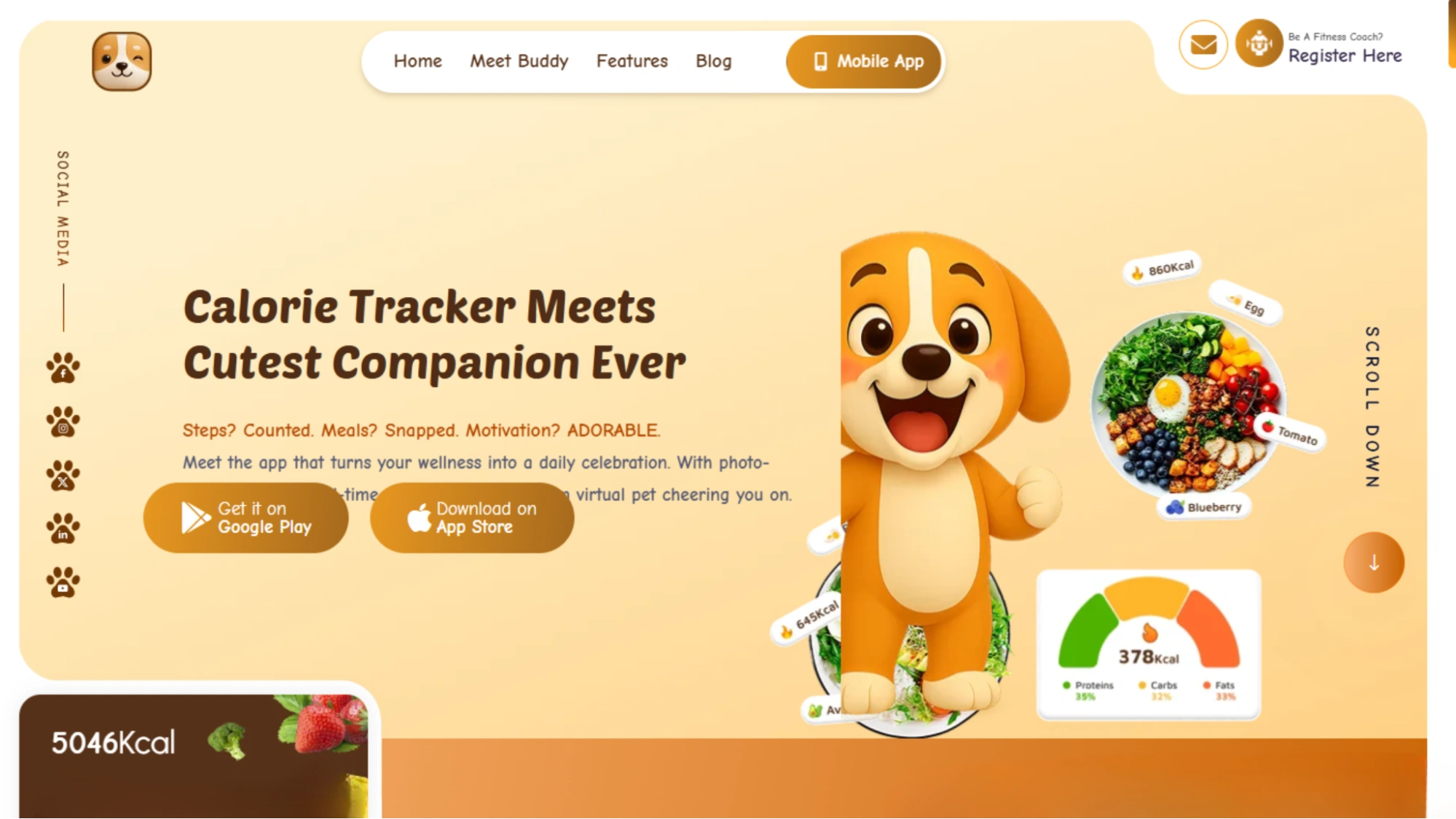
Tracking intake can help achieve consistent nutrition results. Calorie Tracker Buddy supports users by making protein tracking simple, fast, and accurate.
Snap the Meal
Take a picture of your food, and the app identifies calories, nutrients, and protein content instantly.
Protein and Calorie Tracking
The app records from each meal and shows progress toward daily goals. Users can see how protein sources fit their diet.
Goal Predictions
Calorie Tracker Buddy predicts how each meal affects your intake and overall nutrition balance, allowing smarter meal choices.
Motivation and Streaks
A virtual buddy grows with each healthy meal and workout. This encourages users to meet goals consistently.
Social Sharing
Share meal snapshots, streaks, and progress with friends. Social engagement increases accountability and adherence to protein targets.
By integrating this tool, users can monitor their protein intake and ensure every meal contributes to fitness and health objectives.
How To Plan Your Daily Diet Around Complete Protein?

Planning a protein-rich diet requires focus on variety, portion, and balance.
- Assess daily needs: Men, women, and active individuals require different amounts based on activity and goals.
- Distribute that across meals: Include that in every meal to maintain muscle repair and energy.
- Combine plant-based foods: For vegetarians or vegans, pair legumes, grains, or seeds to form protein sources.
- Monitor progress: Track meals using tools like Calorie Tracker Buddy to ensure consistency and identify gaps.
Proper planning ensures the body receives all essential amino acids while supporting satiety and energy.
Benefits Of Including Complete Protein In Your Diet
Incorporating delivers numerous health benefits:
- Supports muscle growth and repair
It provides all essential amino acids needed for muscle recovery, strength improvement, and tissue repair after workouts or daily physical activity. - Improves immunity and hormone balance
Amino acids from that help produce enzymes and hormones that regulate immunity, stress response, and overall body balance. - Enhances energy levels and recovery
Adequate intake supports energy production, reduces muscle fatigue, and helps the body recover faster after exercise or long workdays. - Promotes satiety and weight management
It helps control hunger by increasing fullness, reducing cravings, and supporting calorie balance throughout the day. - Supports metabolism efficiency
Protein-rich meals boost metabolic activity by supporting muscle mass, which helps the body burn calories more efficiently at rest.
These benefits demonstrate why this remains a cornerstone of any balanced diet, fitness plan, or health-focused routine.
Common Myths About Protein And Diet
Many myths discourage proper consumption:
- Too much protein harms the kidneys
Healthy adults can consume that within recommended limits without kidney issues, as kidneys process protein efficiently unless a medical condition already exists. - Plant proteins are incomplete
Plant proteins become complete when people combine foods like legumes, grains, and seeds, which together supply all essential amino acids. - Protein supplements are always necessary
Most people meet their needs through whole foods such as eggs, dairy, legumes, meat, and grains without relying on supplements.
Understanding facts helps people make informed choices about protein sources and intake.
Sample Meal Plan: Complete Protein Every Day
Here’s a practical daily plan:
Breakfast:
- 2 eggs scrambled with spinach
- 1 cup Greek yogurt with chia seeds
Snack:
- shake with soy milk and fruit
- 10 almonds
Lunch:
- Grilled chicken breast with quinoa and broccoli
- Mixed vegetable salad
Snack:
- Cottage cheese with berries
- Hemp seeds
Dinner:
- Baked salmon with roasted sweet potatoes
- Steamed green beans
This sample plan delivers balanced nutrition, protein-rich food, and variety to meet protein requirements daily.
Final Tips
- Include a complete protein source in each meal
Adding that to every meal supports muscle health, improves satiety, balances energy levels, and helps maintain steady nutrition throughout the day. - Mix animal and plant-based proteins for variety
Combining animal and plant proteins adds nutritional diversity, supports gut health, and prevents dietary boredom while ensuring steady amino acid intake. - Track intake with Calorie Tracker Buddy for consistent results
Calorie Tracker Buddy tracks protein intake accurately, analyzes meals, predicts daily needs, and helps users maintain consistency toward nutrition goals. - Adjust portions based on activity levels and goals
Higher activity demands larger protein portions, while lighter routines require moderation to support recovery without excess calorie intake. - Focus on sustainability rather than extremes to maintain long-term health
Sustainable habits support long-term wellness by reducing burnout, improving consistency, and helping users maintain healthy routines over time.

FAQs
- What are some common complete sources?
Common sources include eggs, dairy, meat, fish, soy, quinoa, chia, hemp, and food combinations that supply all essential amino acids. - Can vegetarians get complete protein easily?
Vegetarians can meet their needs by combining grains and legumes or choosing soy-based foods that provide all essential amino acids. - How much protein do I need daily?
Daily protein needs depend on age, gender, and activity, with most adults requiring around one gram per kilogram of body weight. - Can I track protein with Calorie Tracker Buddy?
Calorie Tracker Buddy tracks intake, analyzes meals, predicts goals, and helps users stay consistent with daily nutrition targets.