



Some foods quietly earn their place in a balanced kitchen without asking for attention. Acorn squash is one of them. With its compact size, naturally sweet flesh, and comforting texture, it fits easily into meals that feel both satisfying and sensible. This winter vegetable shows up when hearty food makes sense, yet it still aligns with lighter, calorie-aware choices. Before getting into nutrients or recipes, it helps to understand why this squash continues to appear on plates year after year and why it works so well for people who care about what they eat without overcomplicating meals.
Listen to The Podcast Now!
What Makes This Squash Stand Out?

At first glance, acorn squash is easy to recognize thanks to its ridged skin and rounded shape. It belongs to the winter squash family, which means it has a firmer outer shell and a longer shelf life than summer varieties. Inside, the flesh turns soft and slightly nutty once cooked, making it suitable for both savory dishes and mild, naturally sweet combinations. Some shoppers also notice varieties like acorn pepper squash, which offers a similar structure with subtle flavor differences. Understanding these basics makes it easier to appreciate why this vegetable adapts so well to different cooking styles, which leads naturally into its nutritional value.
Nutrition That Supports Balanced Meals
From a nutritional standpoint, acorn squash provides steady energy without overwhelming a meal with excess calories. A typical serving contains complex carbohydrates, dietary fiber, and small amounts of protein, helping meals feel complete rather than empty. It also delivers vitamin C, potassium, magnesium, and several B vitamins that support everyday body functions. These nutrients work together to support hydration, muscle function, and immune health. Once you see how much nourishment comes from a modest portion, it becomes easier to understand why this squash is often recommended for people building thoughtful, well-rounded eating habits.
Health Benefits That Add Up Over Time
 Because acorn squash contains fiber and antioxidant compounds, it supports digestion and helps the body manage oxidative stress. Fiber contributes to regular digestion and can help with feeling full after meals, which is useful for anyone watching portion sizes. Antioxidants found in orange-fleshed vegetables support cellular health and long-term wellness when eaten consistently. Potassium adds another benefit by supporting heart and muscle function. These advantages may seem small on their own, but together they explain why this vegetable often appears in conversations about sustainable, health-focused eating.
A Practical Choice For Weight Awareness
Many people turn to acorn squash when they want comfort food without the heaviness of refined starches. Its texture satisfies cravings that might otherwise lead to overeating, while its fiber content supports appetite control. Compared to heavily processed sides, it feels substantial yet reasonable on the calorie scale. Portion awareness still matters, but this squash allows flexibility without guilt. That balance naturally leads to the next question most home cooks ask: how to prepare it in ways that keep meals interesting and enjoyable.
Simple Ways To Cook It At Home
 Learning how to cook acorn squash does not require advanced kitchen skills. Most methods begin with slicing it in half, removing the seeds, and choosing a cooking style that suits the meal. Baking and steaming preserve its natural flavor, while light seasoning keeps calories under control. A touch of olive oil, herbs, or mild spices often works better than heavy sauces. Once the basics are clear, cooking becomes less about following strict instructions and more about adapting the squash to fit everyday meals.
Flavorful Ideas For Everyday Meals
For many households, roasted acorn squash becomes a favorite because roasting brings out natural sweetness and creates a soft interior with lightly crisp edges. This method works well as a side dish or as part of a grain bowl. There are also countless acorn squash recipes that range from simple stuffed halves to blended soups and warm salads. These dishes pair well with proteins like beans, chicken, or tofu, helping create meals that feel complete. Once recipes become familiar, it is easier to include this vegetable regularly rather than saving it for special occasions.

Keeping Track Of Nutritious Choices
Even wholesome foods like acorn squash can be easy to overestimate or underestimate when meals are homemade. Tracking portions helps maintain consistency, especially when vegetables are combined with oils, grains, or toppings. Being aware of what goes into each meal builds confidence rather than restriction. This is often where people look for simple tools that support awareness without making eating feel like a chore, which naturally brings the conversation to mindful tracking.
A Helpful Way To Stay Aware
For those who want clarity around meals that include acorn squash, Calorie Tracker Buddy fits naturally into the routine. It allows users to log foods, estimate portions, and view calorie and nutrient information without disrupting daily life. Instead of guessing, people can see how vegetables, proteins, and fats work together in a meal. This approach supports better decisions over time, especially when cooking at home becomes a regular habit rather than an occasional effort.
Choosing nutritious foods like vegetables, whole grains, and high-fiber options is a strong start, but real progress comes from knowing how those foods fit into your daily intake. Portion size, calorie balance, and nutrient spread all matter when you are working toward health goals. This is where clarity makes a difference.
Tool To Understand Your Daily Meals
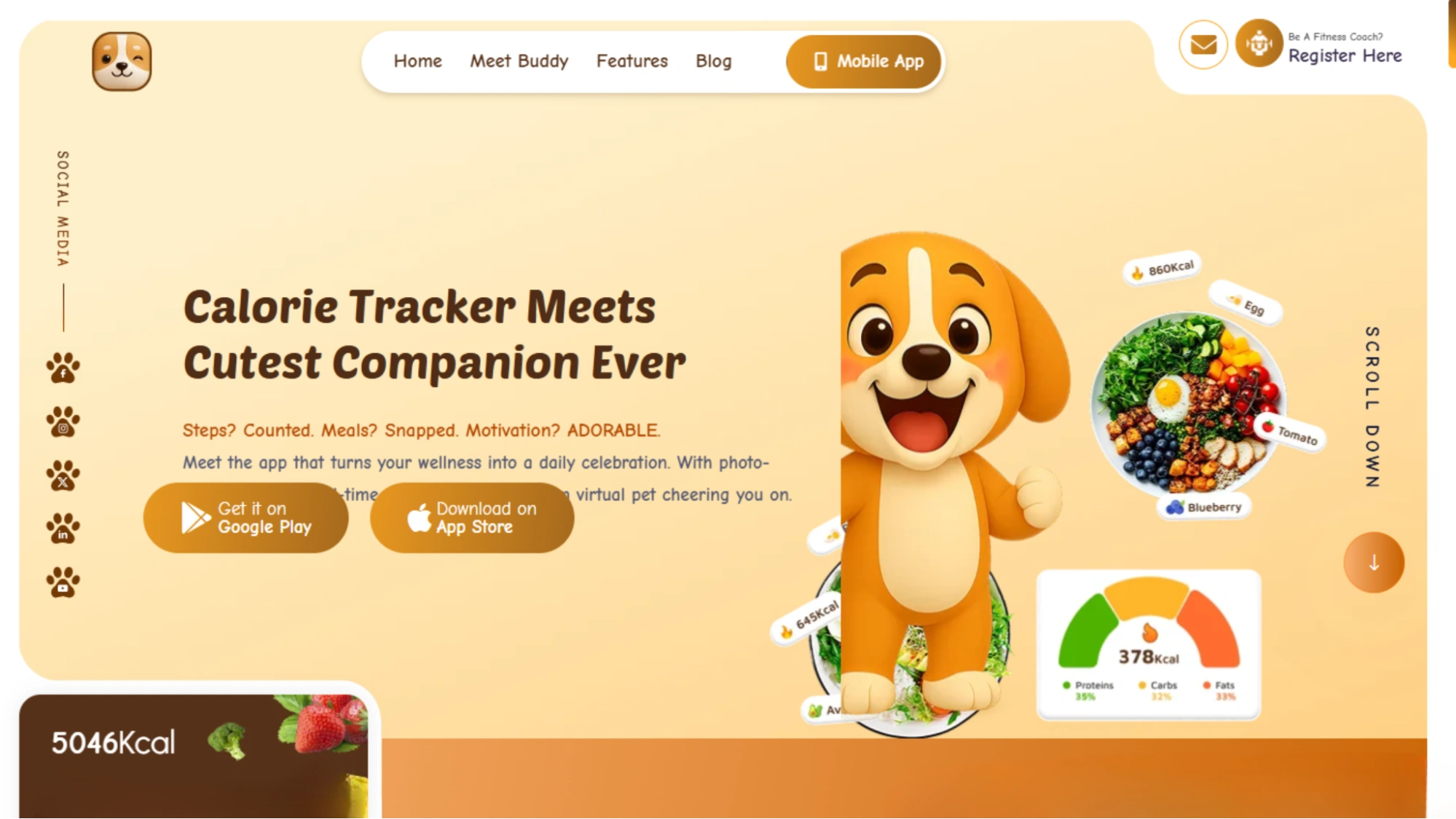
Calorie Tracker Buddy is designed to make meal awareness simple and stress-free. The app helps users log everyday meals and instantly see calories, macronutrients, and key vitamins in one clear view. Instead of guessing whether a meal supports your goals, you get straightforward insights that help you make informed choices. The experience stays easy and intuitive, so tracking feels supportive rather than restrictive.
Features of Calorie Tracker Buddy
- Snap the Meal: Take a quick photo of your food, and the app analyzes calories, nutrients, and overall meal balance in seconds.
- Calorie Intake View: See how your meals add up across the day, with clear feedback on whether your intake aligns with your personal goals.
- Burn Tracking: Keep an eye on calories burned through daily movement and activities, all displayed in one place.
- Goal Progress Check: Understand how each meal moves you closer to your targets and what small adjustments can help you stay consistent.
- Buddy Motivation: A friendly virtual buddy celebrates healthy choices and keeps motivation high with small rewards and encouragement.
- Social Sharing: Share meal moments, streaks, and progress with friends to stay accountable and inspired together.
This approach keeps food tracking practical and encouraging, helping users build steady habits without feeling overwhelmed.
Also Read,
Which Workout Plan Actually Burns the Most Fat?
A Thoughtful Addition To Your Table
Adding acorn squash to regular meals is less about following trends and more about choosing foods that feel good and make sense. Its nutrition, versatility, and comforting flavor allow it to fit into many eating styles. Whether roasted, baked, or blended into a simple dish, it brings warmth and balance to the plate. When paired with mindful tracking and simple preparation, this humble squash becomes a reliable part of everyday eating rather than just a seasonal extra.
Frequently Asked Questions
- Is winter squash suitable for daily meals or should it be eaten occasionally?
Winter squash can be included regularly as part of a balanced diet. Rotating it with other vegetables helps maintain variety while still reaping the benefits of its nutrients. - Does cooking method affect the calorie content of vegetables?
Yes, preparation plays a role. Adding oils, butter, or sweeteners can increase calories, while baking or steaming keeps meals lighter and closer to their natural values. - Can people with blood sugar concerns include starchy vegetables in meals?
Starchy vegetables can still fit into balanced eating when paired with protein, fiber, and healthy fats, which help slow digestion and support steadier blood sugar levels. - How long can winter squash be stored before cooking?
When kept in a cool, dry place, whole winter squash can last several weeks. Once cut, it should be refrigerated and used within a few days. - Is it better to eat vegetables fresh or cooked?
Both have benefits. Cooking can improve digestibility and flavor, while fresh options retain certain nutrients. Mixing both forms often works best.