



If you’ve been exploring natural supplements for brain health and overall wellness, you’ve likely come across lion’s mane. This distinctive white mushroom with cascading tendrils resembling a lion’s mane has been a cornerstone of traditional Chinese medicine for centuries.
Modern science is catching up, revealing remarkable health benefits that extend far beyond what ancient healers could have imagined. Lion’s mane stands out among medicinal mushrooms for its unique ability to support cognitive function, nerve health, and immune response.
Whether you’re looking to sharpen your focus, support your digestive system, or simply add a powerful superfood to your routine, this fascinating fungus deserves your attention.
Listen To The Podcast Now!
What Makes Lion’s Mane Special?

Before diving into the specific benefits, it’s important to understand what sets this mushroom apart. Lion’s mane contains bioactive compounds called hericenones and erinacines, which research suggests can stimulate nerve growth factor (NGF) production in the brain.
This makes it particularly interesting for neurological health and cognitive function, much like how discussions around Sweet Potato Benefits often focus on their role in supporting brain health through nutrients like beta-carotene and antioxidants.
Unlike many supplements that show promise only in isolated studies, lion’s mane has demonstrated consistent benefits across multiple research areas. From laboratory studies to animal trials and emerging human research, the evidence continues to build.
7 Proven Health Benefits of Lion’s Mane:

1. Enhances Brain Function and Memory:
One of the most celebrated benefits of lion’s mane is its potential to support cognitive health. The compounds in this mushroom appear to protect neurons and may even stimulate the growth of new brain cells.
Research has shown promising results for people experiencing age-related cognitive decline. In clinical studies, participants taking lion’s mane supplements showed improvements in cognitive test scores compared to those taking a placebo.
While more research is needed, the initial findings suggest this mushroom could play a role in maintaining sharp mental clarity as we age. The mechanism behind these benefits likely relates to the mushroom’s ability to reduce inflammation in brain tissue and support the production of protective nerve growth factors.
2. Reduces Anxiety and Depression Symptoms:
Mental health support is another area where lion’s mane shows significant promise. Studies have found that regular consumption may help reduce feelings of anxiety and irritability.
The connection appears to be twofold: First, lion’s mane may help regenerate brain cells in the hippocampus, the region responsible for processing emotions and memories. Second, its anti-inflammatory properties could address one of the underlying factors contributing to mood disorders.
One study involving people experiencing mild anxiety and depression found that taking lion’s mane supplements for several weeks led to noticeable improvements in mood and sleep quality. While it shouldn’t replace professional mental health treatment, it could serve as a complementary approach for some individuals.
3. Supports Nervous System Recovery:
Perhaps one of the most remarkable properties of lion’s mane is its potential to support nerve healing. The nervous system, which includes the brain, spinal cord, and peripheral nerves, can be slow to heal when damaged.
Animal studies have demonstrated that lion’s mane extracts can speed recovery from nerve injuries by stimulating nerve cell growth and repair. While human studies are still limited, the research suggests potential applications for conditions involving nerve damage, including traumatic injuries and neurodegenerative diseases.
The mushroom’s ability to promote NGF production appears central to this benefit, as this protein plays a crucial role in the maintenance and regeneration of nerve cells.
4. Protects Digestive Health:
Your gut health significantly impacts your overall wellbeing, and lion’s mane offers several benefits for the digestive system. Research indicates it may help protect against stomach ulcers by inhibiting the growth of H. pylori bacteria, a common cause of ulcers.
Additionally, the lion’s mane mushroom appears to protect the stomach lining from damage caused by long-term use of anti-inflammatory medications. It may also help reduce inflammation in other parts of the digestive tract, potentially benefiting those with inflammatory bowel conditions.
The mushroom’s positive effects on gut bacteria may further enhance digestive health while simultaneously supporting immune function, since much of the immune system resides in the gut.
5. Promotes Heart Health:
Cardiovascular disease remains a leading health concern worldwide, and lion’s mane may offer protective benefits for your heart. Studies have shown it can influence several risk factors associated with heart disease.
Research indicates that lion’s mane may help improve fat metabolism and reduce triglyceride levels. It also appears to prevent the oxidation of cholesterol in the bloodstream, a process that contributes to hardened arteries and increased risk of heart attacks.
Furthermore, compounds in lion’s mane may reduce blood clotting tendency, potentially lowering the risk of stroke. These combined effects suggest this mushroom could be a valuable addition to a heart-healthy lifestyle.
6. Helps Manage Blood Sugar Levels:
For those concerned about blood sugar management, lion’s mane shows interesting potential. Research suggests it may help lower blood sugar levels by blocking the enzyme that breaks down carbohydrates in the small intestine.
When this enzyme is inhibited, the body digests and absorbs carbohydrates more slowly, resulting in more stable blood sugar levels throughout the day. This could be particularly beneficial for people with diabetes or those at risk of developing the condition.
Studies have also shown that lion’s mane may help reduce some complications associated with diabetes, including nerve pain in the hands and feet. The antioxidant properties of the mushroom likely contribute to these protective effects.
7. Strengthens Immune Function:
A robust immune system is your first line of defence against illness, and lion’s mane appears to enhance immune response in several ways. It may increase the activity of the intestinal immune system, which protects the body from pathogens entering through food and drink.
The Benefits of Lion’s Mane Mushroom for immunity likely stem from its effects on gut bacteria, which play a crucial role in immune function. By promoting beneficial bacteria and maintaining a healthy gut environment, lion’s mane supports your body’s natural defences.
Animal studies have even shown that supplementation with lion’s mane extract significantly improved survival rates in mice exposed to harmful bacteria, suggesting powerful immune-boosting properties.
Also Read:
Tracking Your Wellness Journey with Calorie Tracker Buddy:

As you incorporate lion’s mane into your health routine, monitoring your overall wellness becomes increasingly important. This is where Calorie Tracker Buddy can become an invaluable tool in your health optimization journey.
While taking supplements like lion’s mane addresses specific health goals, maintaining balanced nutrition provides the foundation for all wellness efforts. Calorie Tracker Buddy helps you understand exactly what you’re consuming each day, making it easier to see how dietary choices affect your energy levels, mental clarity, and overall wellbeing.
The app allows you to track not just calories, but also macronutrients, vitamins, and minerals. This comprehensive view helps you identify any nutritional gaps that might be limiting the effectiveness of your supplements.
For instance, many of lion’s mane mushroom benefits are enhanced when combined with proper nutrition, adequate protein intake, and balanced meals. What makes Calorie Tracker Buddy particularly useful is its ability to show patterns over time.
You can monitor how you feel on days when your nutrition is optimized versus days when it falls short. This awareness empowers you to make informed decisions about your diet and supplementation routine, creating a synergistic approach to health that addresses multiple factors simultaneously.
How to Use Lion’s Mane: Practical Guide:
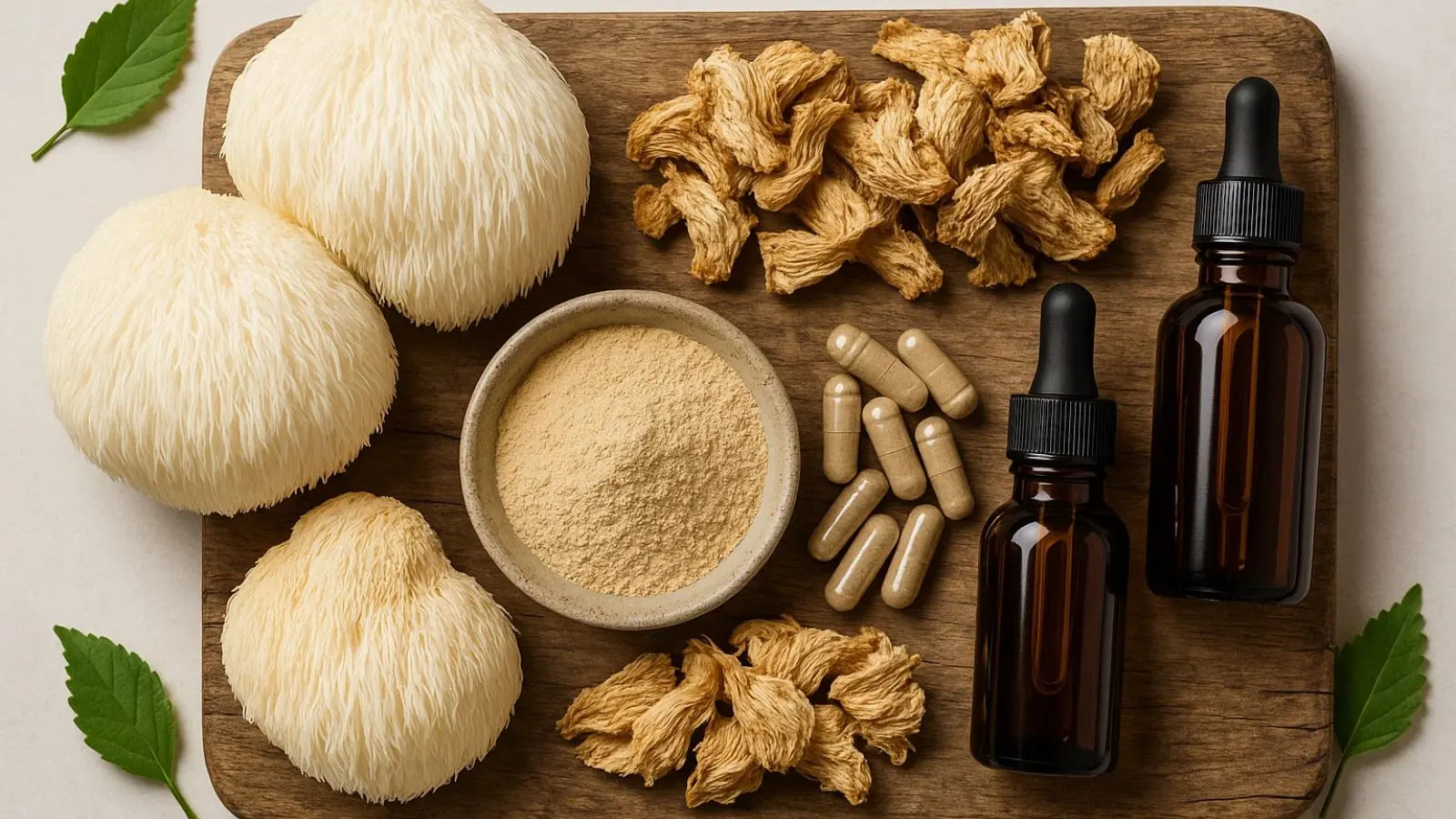
Now that you understand the benefits, let’s discuss how to incorporate lion’s mane into your routine effectively.
1. Forms Available:
Lion’s mane comes in several forms, each with its own advantages:
- Fresh mushrooms: Can be cooked and eaten like regular mushrooms, offering a seafood-like flavor
- Dried mushrooms: Can be rehydrated and used in cooking or steeped as tea
- Powder: Versatile option that can be added to smoothies, coffee, or other beverages
- Capsules: Convenient for precise dosing
- Tinctures: Liquid extracts that offer quick absorption
2. Recommended Dosage:
While there’s no universally established dosage, research suggests that 500-3,000 mg per day is generally safe and effective. Some studies have used up to 3 grams daily for cognitive support. However, it’s always best to start with a lower dose and gradually increase while monitoring how you feel.
If you’re using lion’s mane powder, a typical serving is one teaspoon (approximately 2 grams) once or twice daily. Many people find success mixing it into their morning coffee or smoothie, making it an easy addition to existing routines.
3. When to Take It:
Lion’s mane can be taken at any time of day, though many users prefer morning consumption for its potential cognitive benefits throughout the day. Consistency matters more than timing, so choose a schedule you can maintain long-term.
For optimal absorption, consider taking lion’s mane with a meal containing healthy fats, as some of its beneficial compounds are fat-soluble.
4. Safety Considerations:
Lion’s mane is generally considered safe with minimal side effects reported. However, people with mushroom allergies should avoid it, as allergic reactions including breathing difficulties and skin rashes have been documented in sensitive individuals.
If you’re pregnant, nursing, or taking medications, consult with a healthcare provider before adding lion’s mane to your routine. While interactions are rare, it’s always better to err on the side of caution.
Conclusion:
Lion’s mane represents a fascinating intersection of traditional wisdom and modern science. Its potential to support brain health, protect the nervous system, enhance digestive function, and boost immunity makes it a versatile addition to a wellness-focused lifestyle.
While research continues to unfold, current evidence suggests this remarkable mushroom deserves its growing reputation as a powerful natural supplement. Remember that supplements work best as part of a comprehensive approach to health that includes balanced nutrition, regular exercise, quality sleep, and stress management.
Consider tracking your wellness journey with tools like Calorie Tracker Buddy to maximize the benefits of your health investments.
FAQ’s:
Q1: How long does it take for a lion’s mane to work?
Ans: Most people notice subtle improvements in focus and clarity within 2-4 weeks of consistent use, though cognitive benefits may take 8-12 weeks to become significant.
Q2: Can I take a lion’s mane every day?
Ans: Yes, daily consumption is generally safe and recommended for best results, as the benefits build over time with consistent use.
Q3: Does lion’s mane interact with medications?
Ans: Lion’s mane may interact with blood thinners and diabetes medications. Always consult your healthcare provider if you’re taking prescription medications.
Q4: Is lion’s mane psychoactive?
Ans: No, lion’s mane is not psychoactive and won’t cause any mind-altering effects. It’s completely legal and safe for daily use.