


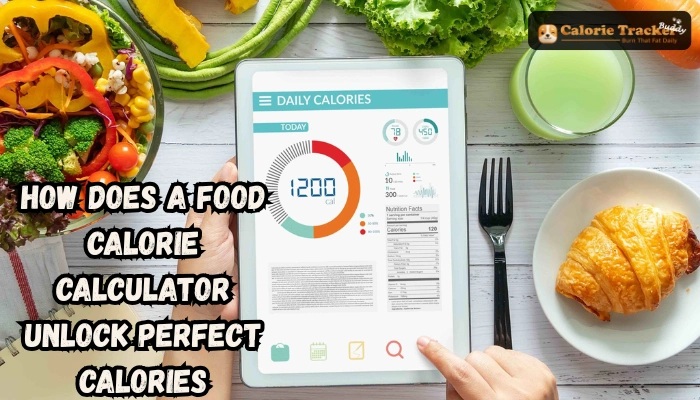
One of the most common questions people ask when starting a health journey is simple but powerful: How many calories should I eat every day? The answer, however, is rarely simple, which is why using a food calorie calculator can help turn confusion into clarity.
Daily calorie needs vary from person to person. Two people of the same height and weight can require very different calorie intakes depending on lifestyle, metabolism, activity level, and goals. This is why relying on generic advice often leads to frustration. Understanding calorie needs requires a personalized approach backed by data, not guesswork.
That is where a calorie calculator becomes useful. It translates your personal details into realistic daily calorie targets and helps you make informed decisions about food and nutrition.
Listen To The Podcast Now!
Why Daily Calorie Needs Are Not The Same For Everyone?
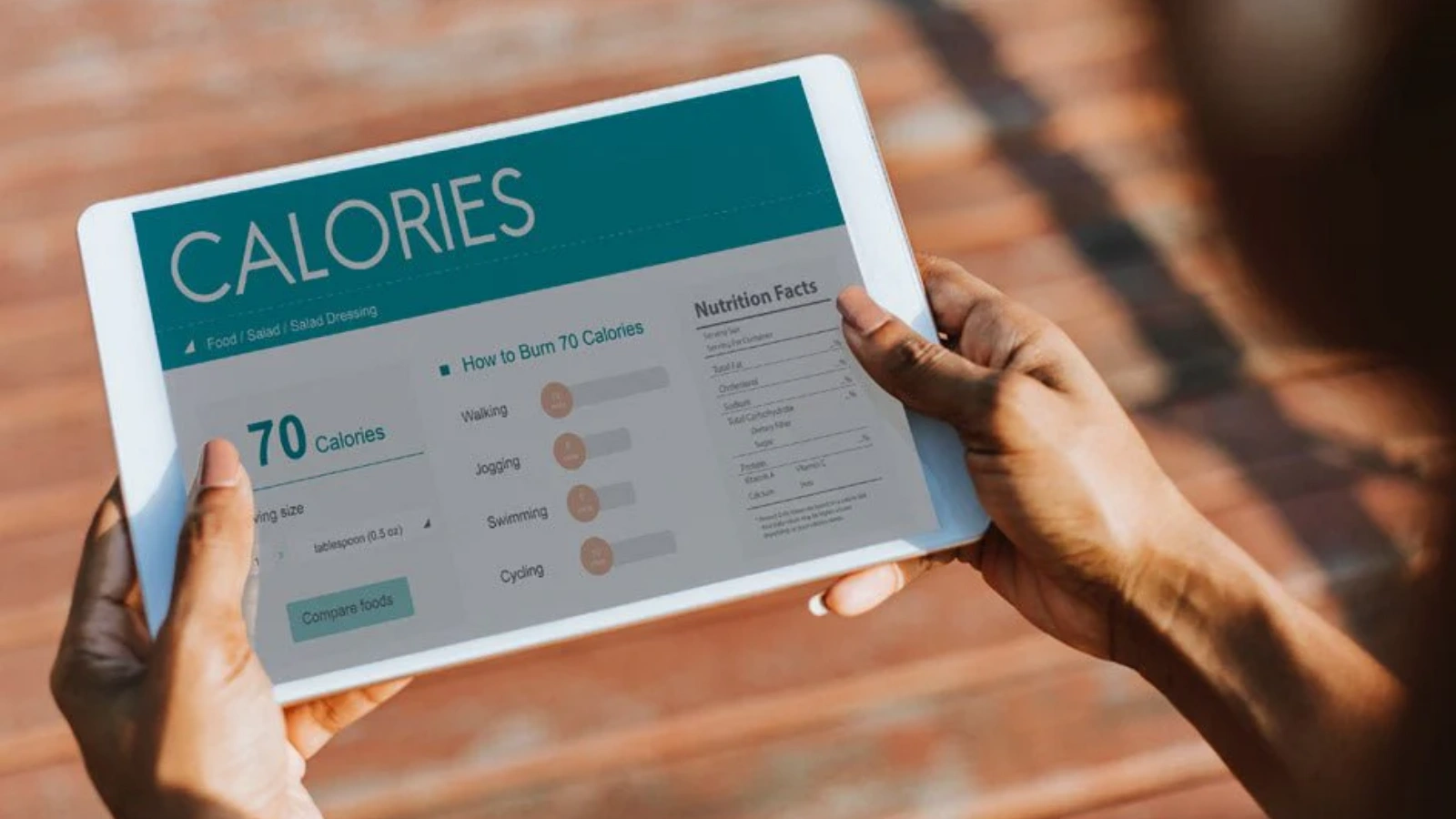
Your body uses calories as fuel for everything it does. From breathing and digestion to walking and exercising, energy is constantly being burned. The total amount of energy your body needs depends on several key factors.
Age plays a role because metabolism tends to slow down over time. Gender also matters due to differences in muscle mass and hormones. Height and weight affect how much energy your body uses at rest. Activity level has a major impact, as regular exercise increases calorie requirements.
Because these variables differ for everyone, estimating intake without a structured method often leads to under- or overeating. This is why many people rely on a food calorie calculator to get personalized estimates, often with activity level adjustments, instead of following fixed charts.
Understanding Calories Beyond The Numbers
Calories are often viewed only as numbers that need to be reduced. In reality, they represent energy, not enemies. The quality of calories matters just as much as the quantity.
Eating 2,000 calories from whole foods provides lasting energy and nutrients, while 2,000 calories from processed snacks can leave you tired and unsatisfied. This is why tracking your intake should go hand in hand with smarter food choices.
A well-designed calorie calculator food tool can help you understand both the quantity and quality of calories, building awareness and supporting healthier eating habits over time.
How To Calculate Calories In Food?
Understanding how to calculate calories in food helps you manage your diet and energy intake effectively. Here’s a simple guide:
Know the calorie values of macronutrients:
- Protein: 4 calories per gram
- Carbohydrates: 4 calories per gram
- Fat: 9 calories per gram
- Alcohol: 7 calories per gram
Check the nutrient content of your food:
Look at nutrition labels or reliable sources to find grams of protein, carbs, fat, and alcohol in your portion.
Calculate total calories:
Multiply the grams of each macronutrient by its calorie value and sum them to get the total energy.
Adjust for portion size:
Make sure your calculation reflects the actual amount you eat, not just the labeled serving.
Use a food calorie calculator:
A food calorie calculator or calorie calculator for food makes tracking faster and more accurate—especially for homemade or regional meals. When combined with a calorie deficit calculator, it also helps determine whether your intake supports weight loss goals.
Average Daily Calorie Guidelines: A Starting Point
Health organizations publish general calorie guidelines to offer a basic reference for daily energy needs. These estimates help people understand where they may fall before personal factors are considered.
On average:
- Adult women typically need 1,600 to 2,400 calories per day, depending on age, body composition, and activity level.
- Adult men generally require 2,000 to 3,200 calories per day, with higher needs linked to greater muscle mass and physical activity.
These figures are not strict limits or targets. They serve as broad benchmarks rather than personalized recommendations. Someone with a physically demanding job or regular workout routine will naturally need more calories than someone with a sedentary lifestyle.
To get a more accurate picture, many people use a calorie calculator for food, which factors in age, height, weight, and activity level to provide a realistic daily calorie estimate tailored to individual needs.
Also Read:
Calorie Needs For Women At Different Life Stages

Women experience metabolic changes throughout life. In early adulthood, calorie needs tend to be higher due to faster metabolism and greater activity levels. During the thirties and forties, needs often decrease slightly. After sixty, energy requirements may drop further, especially with reduced activity.
Rather than adjusting intake blindly, many women benefit from using a food calorie calculator that adapts to their routines and goals. This approach helps prevent unnecessary restriction while supporting overall health, energy balance, and sustainable eating habits.
Calorie Needs For Men Across Age Groups
Men typically have higher calorie requirements due to greater muscle mass. In younger years, daily needs may reach the higher end of the recommended range. As age increases, activity level becomes the biggest determining factor.
Instead of relying on outdated estimates, men often prefer the most accurate calorie calculator online to adjust intake based on workouts, job demands, and long-term health goals.
What Is Basal Metabolic Rate And Why Does It Affect Your Calorie Needs?
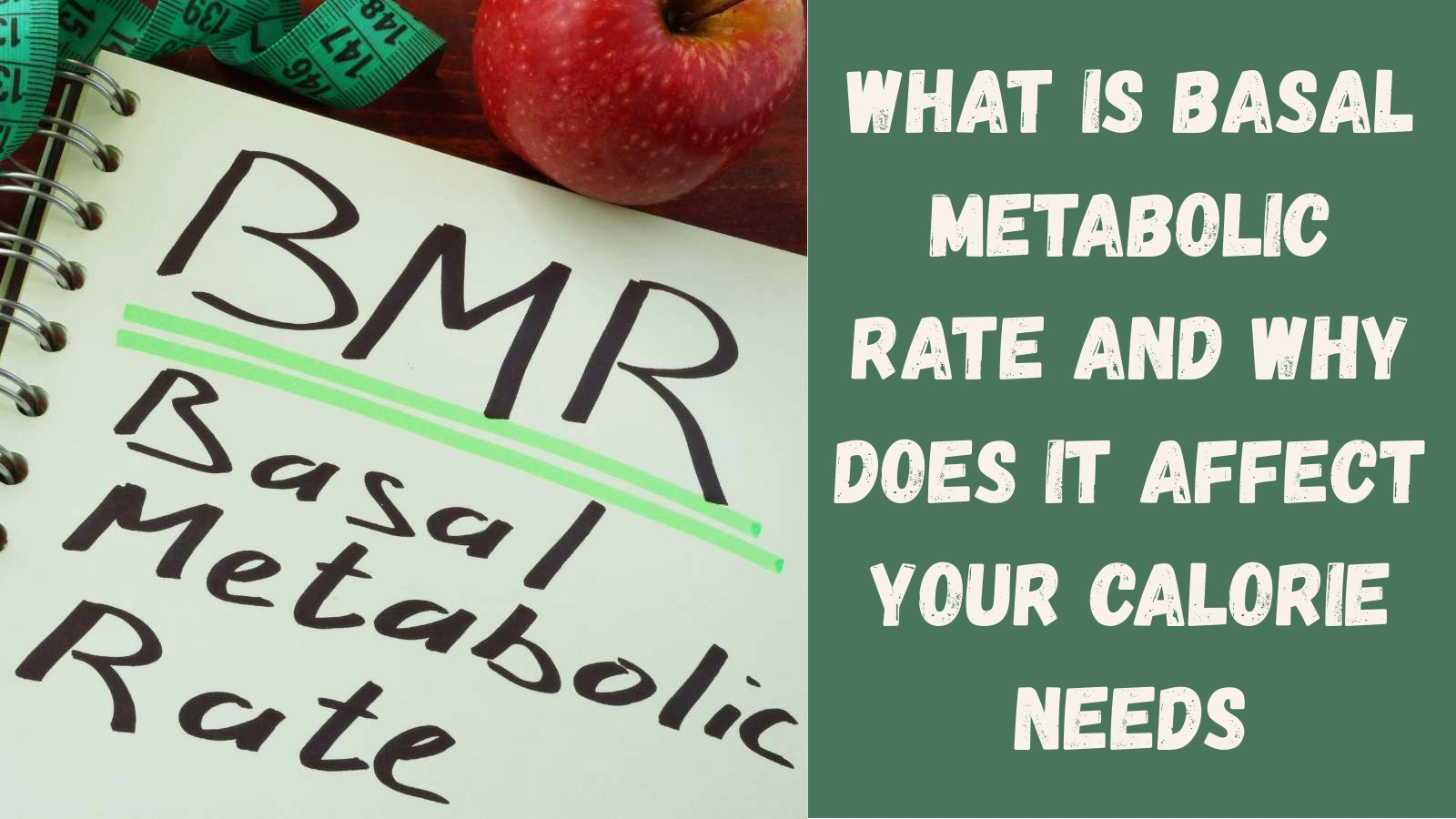
Basal Metabolic Rate (BMR) refers to the number of calories your body burns while at complete rest. This energy supports essential life-sustaining functions such as breathing, blood circulation, and cell repair.
BMR plays a critical role in determining daily calorie needs because:
-
Accounts for 60–70% of total daily energy expenditure, making it the largest contributor to overall calorie burn.
-
Reflects how efficiently the body uses energy at rest, supporting vital functions such as breathing and circulation.
-
Varies based on factors such as age, gender, height, weight, and muscle mass.
Many advanced nutrition tools calculate BMR first and then adjust calorie targets based on activity level. A daily calorie intake calculator with food log often follows this approach to deliver more accurate and personalized recommendations.
Understanding BMR explains why two people consuming the same number of calories can experience very different results. Differences in metabolism and body composition directly affect how calories are burned and stored.
Calories For Weight Loss: Finding The Right Deficit
Weight loss works best when calorie reduction is controlled and sustainable. Extreme cuts can lead to fatigue, nutrient deficiencies, and rebound weight gain.
A common approach is reducing intake by around 500 calories per day, which supports steady fat loss. Using a food calorie calculator helps define this deficit accurately, removing the guesswork and ensuring your daily intake aligns with your goals.
Many people also use a food calorie calculator alongside physical activity, allowing flexibility in food choices while still achieving effective, sustainable results.
Calories For Healthy Weight Gain

For individuals looking to gain weight, calorie tracking is just as important. Simply eating more does not guarantee healthy progress.
Weight gain should come from nutrient-dense foods that support muscle growth and overall health. Tracking intake with a food calorie calculator ensures additional calories come from quality sources instead of empty energy.
This approach supports strength, recovery, and long-term wellness.
Also Read:
How Diet Types Influence Calorie Tracking?
Different eating styles call for different tracking approaches. What works for a balanced diet may not suit a low-carb or high-fat plan, which is why choosing the right tracking method matters.
Here’s how diet types affect calorie tracking:
Low-carb and high-fat diets:
These plans require attention to both calories and macronutrients. Many people compare calorie calculator vs macro calculator tools to decide which provides better insight. Calories show total intake, while macros reveal how energy is distributed across proteins, fats, and carbohydrates.
Balanced or flexible diets:
For general health goals, calorie-focused tools work well by offering a clear overview of daily energy intake without overcomplication.
Traditional and regional diets:
Standard tools often miss local dishes. In such cases, regional solutions like an Indian food calorie calculator improve accuracy by accounting for customary ingredients and cooking methods.
Because of these variations, many users prefer platforms that support multiple tracking styles. Calorie Tracker Buddy fits naturally into this approach by allowing users to track calories while also viewing macronutrient breakdowns and regional foods in one place.
This flexibility makes it easier to stay consistent regardless of dietary preference.
A Smarter Way To Track Calories With Calorie Tracker Buddy?
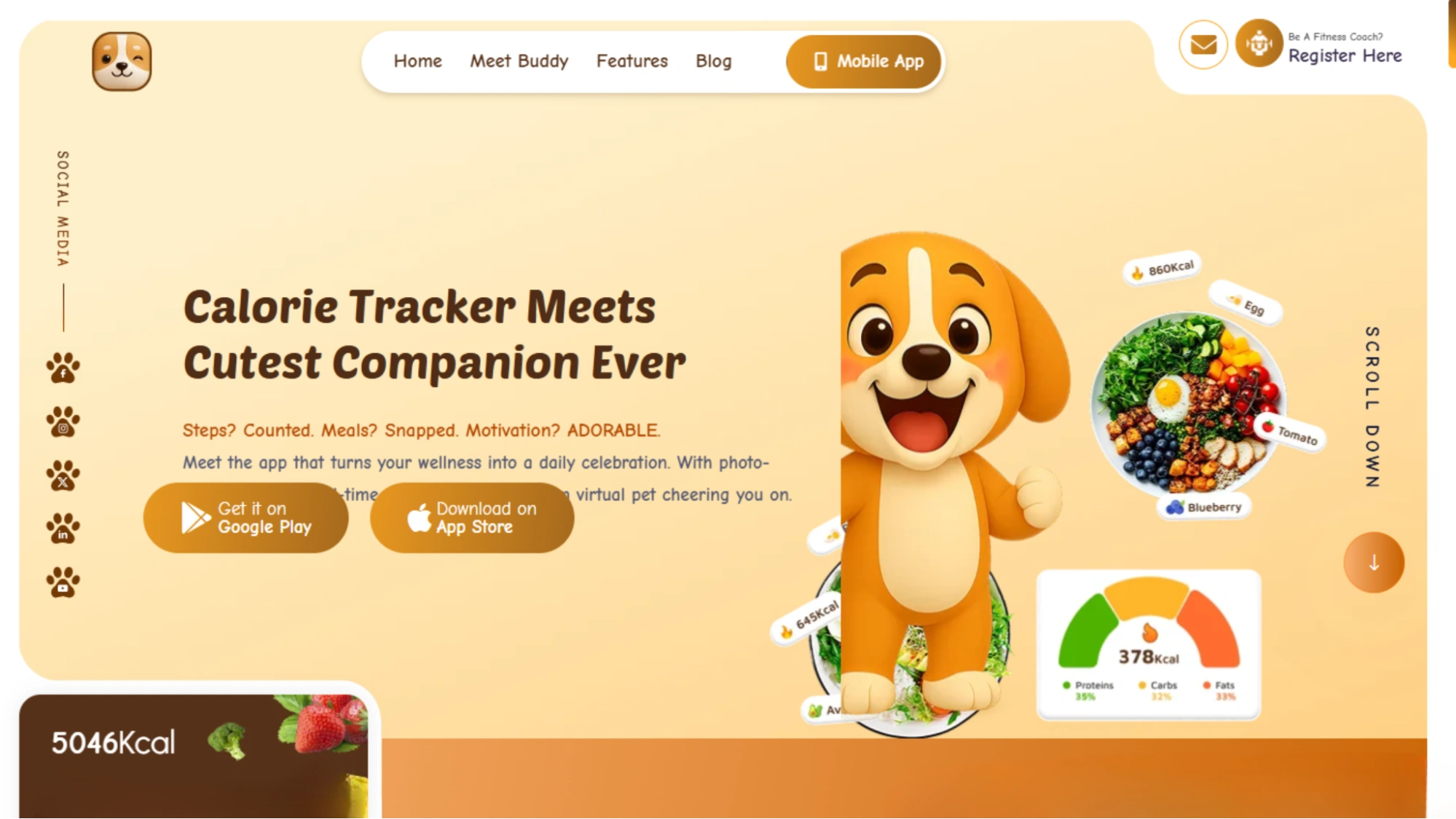
Instead of juggling multiple tools, many users now prefer all-in-one solutions. Calorie Tracker Buddy approaches calorie tracking as a daily habit rather than a short-term task.
Rather than focusing only on restriction, it emphasizes awareness, balance, and flexibility. It adapts to different eating styles, activity levels, and cultural food preferences, making it suitable for a wide range of users.
What Makes Calorie Tracker Buddy Different?
- Comprehensive Food Coverage:
Includes global meals and regional dishes, working well for users who need the accuracy of an Indian food calorie calculator. - Built-In Food Logging:
Functions as a daily calorie intake calculator with food log, helping users stay consistent. - Activity-Based Adjustments:
Automatically adapts intake goals based on movement, similar to a calorie calculator with activity level adjustment. - Diet-Friendly Design:
Supports balanced eating as well as structured plans like keto and low-carb diets. - Multi-Device Access:
Available as a calorie calculator app for iPhone and Android for tracking anytime, anywhere.
By focusing on personalization instead of rigid rules, Calorie Tracker Buddy supports long-term habits rather than short-term fixes.
Tips To Get Accurate Results From A Calorie Calculator
Start by entering correct personal details such as age, height, weight, and activity level. Be honest about daily movement, as overestimating activity can lead to inaccurate targets.
Track consistently, including snacks and beverages. Small items often add more calories than expected. Adjust goals gradually instead of making drastic changes.
Understanding how many calories I should eat daily calculator works helps set realistic expectations and avoid frustration.
Final Thoughts
There is no universal answer to daily calorie needs. Your ideal intake depends on your body, lifestyle, and goals. While general guidelines provide direction, personalized tracking delivers the best results.
A food calorie calculator offers clarity and structure, helping you understand how much energy your body requires each day. Real success comes from combining this data with nutrient-rich foods, consistent habits, and mindful eating.
Whether your goal is weight loss, weight gain, or long-term balance, knowing your calorie needs is the first step toward healthier, more sustainable choices. Tools like Calorie Tracker Buddy make tracking easy and practical, turning calorie management into a simple daily habit.
FAQs
1. Should calories be tracked every day?
Daily tracking gives the clearest insights, especially during weight changes. Tracking most days still helps identify patterns and portion sizes.
2. Can calorie tracking work with intermittent fasting?
Yes. Tracking ensures you get enough energy during eating windows, supporting metabolism and muscle maintenance.
3. Do workout days require more calories
Yes. Higher activity increases energy needs. Many tools automatically adjust targets for active days.
4. Is calorie tracking safe for teenagers?
It can be safe with professional guidance. Focus should be on balanced nutrition rather than strict restriction.
5. Are calorie calculators accurate?
They provide estimates, not exact numbers. Consistent tracking and small adjustments improve accuracy over time.