

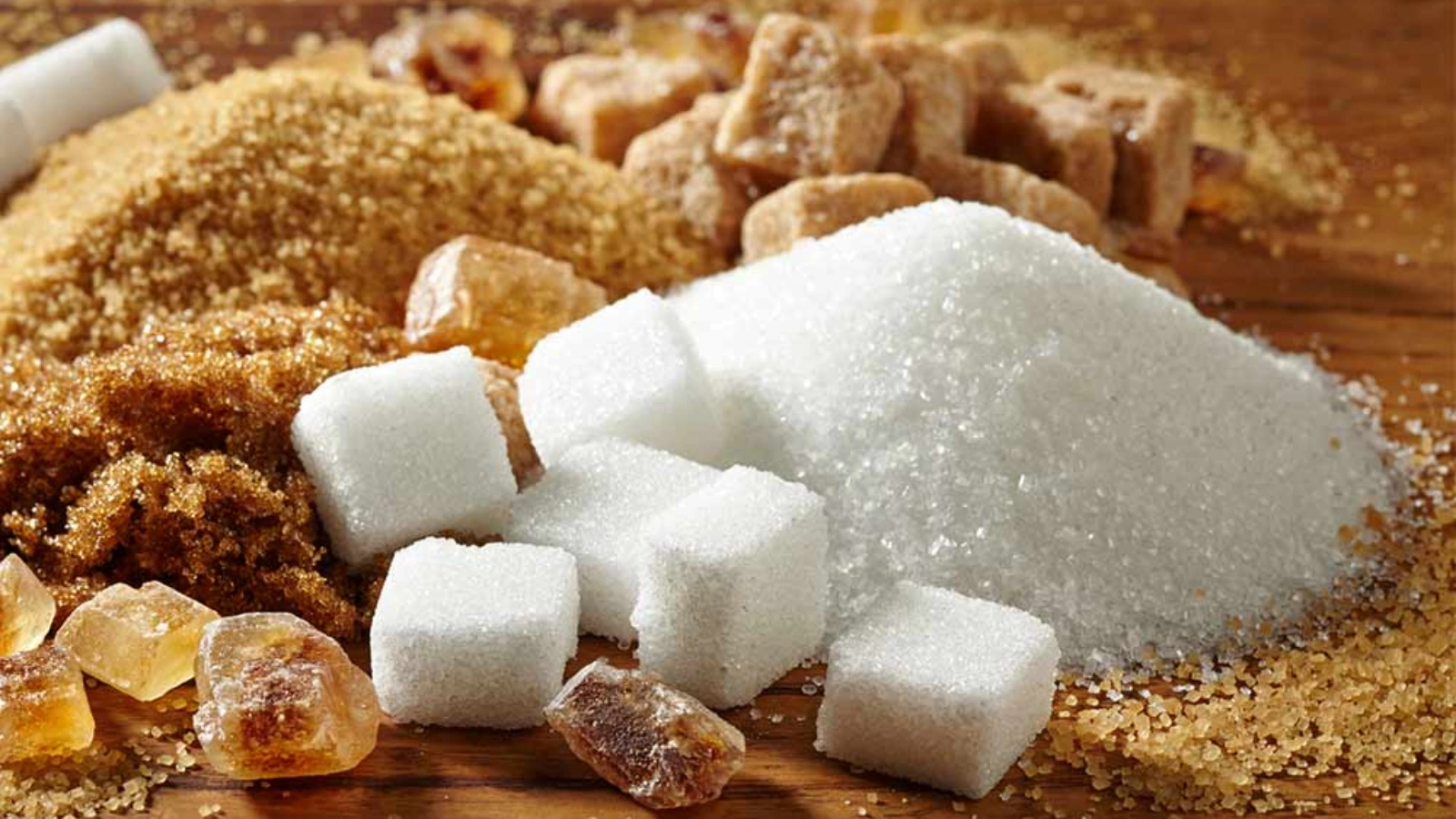
Have you heard of the phrase, “Sugar is a silent killer”? However, the sugar craving is something we can’t just ignore. Our body is just made like that; it wants sugar for more energy. But if you are consuming more of it than what you need, the excess amount of it may cause an insulin spike, making you gain fat. And it may eventually lead to many health problems, such as diabetes, fatty liver, obesity, etc.
In today’s health-conscious world, many people are looking for sugar alternatives to reduce calorie intake, manage weight, and maintain overall wellness. While sugar adds sweetness to foods and beverages, excessive consumption has been linked to obesity, diabetes, heart disease, and dental problems.
Replacing sugar with healthier options can improve energy levels, support metabolic health, and reduce chronic disease risks. But with so many choices available, how do you know which sweetener fits your lifestyle?
In a hurry? Listen to the blog instead!
Why Should You Look For Sugar Alternatives?
Regular sugar consumption can spike blood sugar, increase fat storage, and damage teeth. Choosing a healthy sugar alternative isn’t just about cutting calories; it’s about supporting long-term health. Reducing sugar intake can help improve blood sugar control, prevent weight gain, and even support heart and brain health.
Additionally, tracking your diet as you switch to alternatives can make the process easier and more effective. This is where tools like Calorie Tracker Buddy come in. The app helps you monitor meals, track calories, and understand how every choice impacts your health goals, perfect for anyone experimenting with sugar substitutes.
What Are The Best Natural Sugar Alternatives?

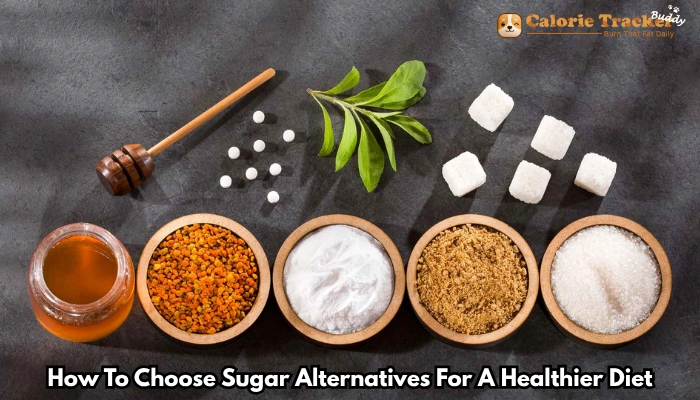
Natural sweeteners are derived from plants and tend to be less processed than refined sugar. They provide sweetness without causing rapid blood sugar spikes. Some popular options include:
Stevia:
Stevia is a plant-based sweetener hundreds of times sweeter than sugar yet contains zero calories. It’s especially ideal as one of the sugar alternatives for diabetics, as it does not affect blood glucose levels.
Monk Fruit:
Monk fruit extract is another natural, zero-calorie sweetener. Its antioxidants, called mogrosides, provide sweetness without calories, making it suitable for beverages, desserts, and baked goods.
Coconut Sugar:
Coconut sugar is minimally processed and contains trace vitamins and minerals. With a caramel-like flavor, it can act as a substitute for sugar in coffee, desserts, and even some baking recipes a great pick for food swaps for healthier lifestyle routines.
Honey:
Raw honey offers natural sweetness along with antioxidants and antimicrobial properties. While still containing sugar, it is a healthier alternative for those looking for nutrient-rich sweeteners. Honey works well as a sugar substitute in teas, drizzled on desserts, or even in cooking.
Also Read:
How Can You Sweeten Coffee Without Sugar?
Coffee lovers often seek ways to enjoy their daily cup without added sugar. Some effective sugar alternatives for coffee include:
- Stevia
- Monk fruit
- Erythritol
These options dissolve easily in hot beverages, offering the sweetness you crave without unnecessary calories or spikes in blood sugar.
What Are The Best Sugar Alternatives For Baking?
Baking often relies on sugar not just for sweetness, but also for texture, browning, and moisture. Using the right substitutes can help you achieve delicious results while keeping your treats healthier.
Applesauce:
Applesauce is a natural, low-calorie sweetener that adds both moisture and subtle sweetness to baked goods. It works particularly well in cakes, muffins, and quick breads and can also help reduce the amount of added fat in recipes a great option for those counting calories.
Maple Syrup:
Maple syrup provides a rich, distinct flavor and can be used in cookies, pancakes, and certain cakes. Since it is a liquid sweetener, it may slightly alter the texture of baked goods, so it’s best used in moderation or combined with dry alternatives.
Erythritol:
Erythritol is a sugar alcohol that mimics sugar’s texture and sweetness without the calories. It is ideal for cookies, cakes, and muffins, and browns nicely, making it one of the most versatile sugar alternatives for baking.
By carefully choosing the right sweetener for your recipe, you can create baked treats that are indulgent, flavorful, and health-conscious, without the guilt of excess sugar. Combining different sweeteners can also help you achieve the perfect balance of taste and texture.
What Role Do Artificial Sweeteners Play In Your Diet?
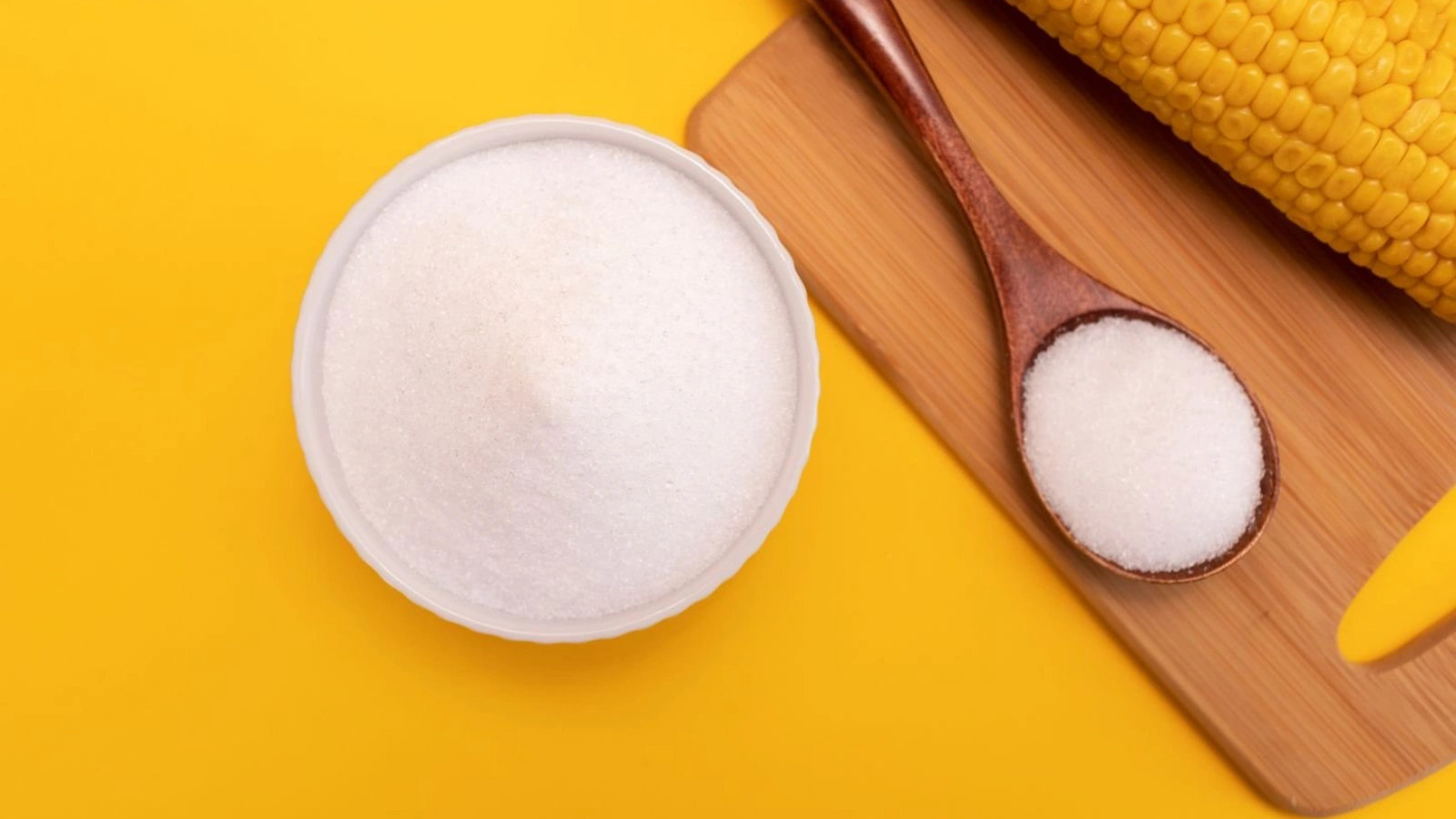
Artificial sweeteners are zero-calorie alternatives that can satisfy your sweet tooth without impacting blood sugar. Examples include:
- Aspartame: About 200 times sweeter than sugar and commonly used in drinks and desserts.
- Sucralose: Retains sweetness when heated, making it ideal for baking and cooking.
- Saccharin: A calorie-free option often used in beverages with a slightly bitter aftertaste.
They are significantly sweeter than sugar, so a small amount is enough. While safe when consumed in moderation, it’s important to experiment with taste, as some people notice a slight aftertaste.
Also Read:
How Do You Choose The Right Sugar Alternative?
Selecting the best sugar alternative depends on your health goals, taste preference, and intended use. Consider:
- Calorie content: For weight management, low-calorie or zero-calorie options are best.
- Glycemic impact: Choose sweeteners that do not spike blood sugar if diabetic.
- Taste profile: Some, like stevia, may have a mild aftertaste.
- Functionality: Baking may require specific sweeteners to achieve the desired texture.
As you explore alternatives, tracking your choices can enhance results. Here’s a natural fit for this step: Calorie Tracker Buddy. With its instant meal scanning, calorie tracking, and real-time feedback, it ensures every sweet choice aligns with your health goals.
How Can You Track Progress With Calorie Tracker Buddy?
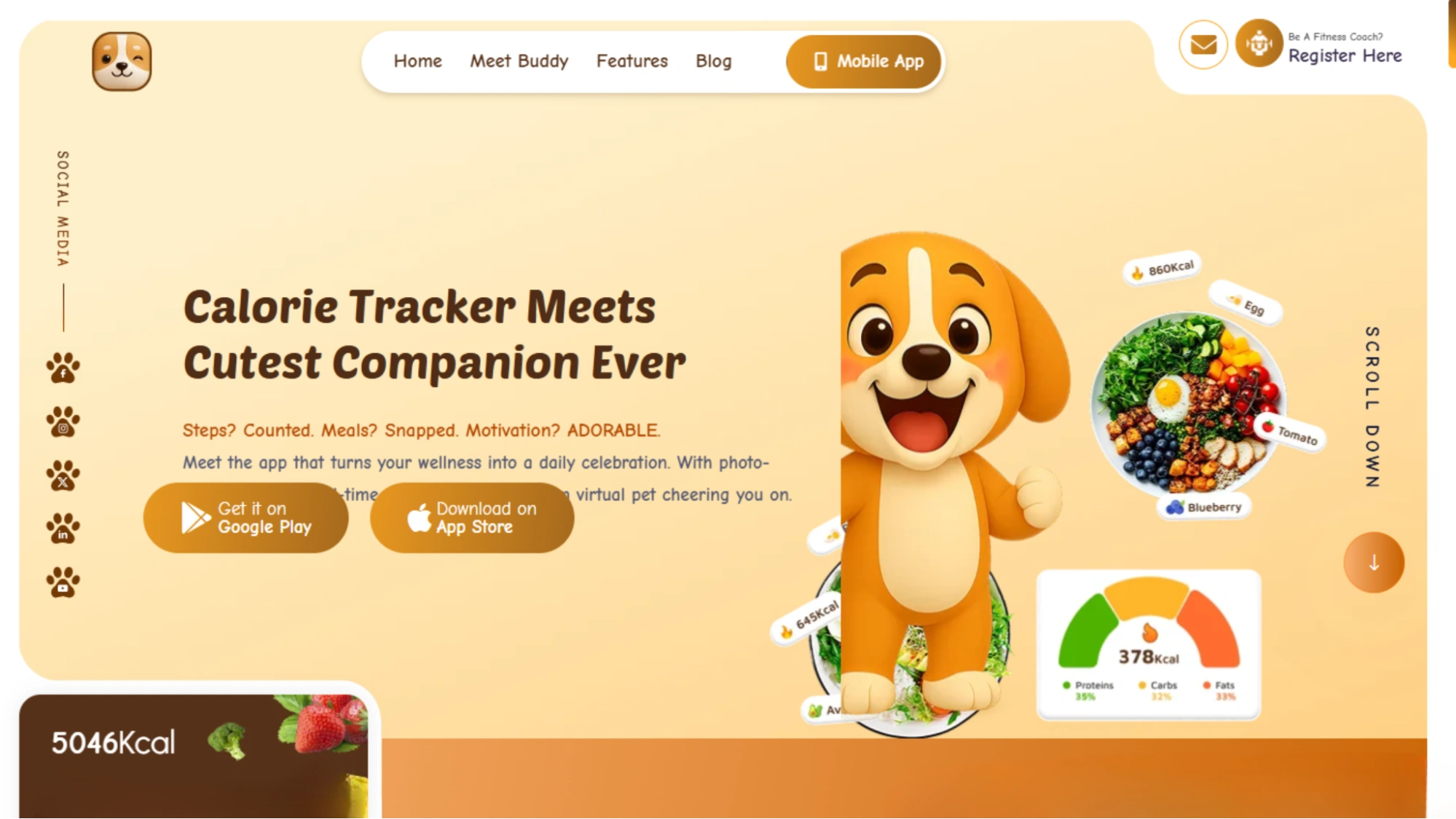
To get the most out of your sugar alternative journey, Calorie Tracker Buddy acts as your personal health companion.
Its features make monitoring nutrition effortless:
Snap the Meal:
Point your camera at your food, tap once, and get calories, nutrients, and balance instantly. Perfect for tracking meals using natural or artificial sweeteners.
Calorie Burn Tracker:
Track every movement, from workouts to daily chores. Watching your daily burns helps reinforce healthy habits.
Calorie Intake Tracker:
Log your meals in seconds and receive instant feedback on how your selected sweeteners impact your overall nutrition and health goals.
Goal Predictions and Buddy Motivation:
See how close you are to your targets and enjoy motivation from a virtual buddy that grows with each healthy choice.
Social Sharing and Personalization:
Share your streaks, celebrate your achievements, and personalize your goals to fit your lifestyle, whether it’s weight loss, better nutrition, or balanced sugar intake.
With Calorie Tracker Buddy, adopting sugar alternatives becomes a fun, trackable, and interactive journey rather than just a dietary change.
What Are The Benefits Of Using Sugar Alternatives?
Switching to healthier sweeteners can offer several benefits for your overall health, lifestyle, and long-term well-being:
- Weight Management: Reduces overall calorie intake, helping support weight loss or maintain a healthy weight over time.
- Heart Health: Helps lower triglycerides and cholesterol, reducing the risk of cardiovascular diseases.
- Blood Sugar Control: Ideal for diabetics or those with insulin sensitivity, as it prevents sudden spikes and crashes in blood sugar levels.
- Dental Health: Unlike regular sugar, many alternatives don’t promote cavities or tooth decay, supporting better oral hygiene.
- Sustained Energy: Prevents energy crashes caused by excessive sugar, keeping you more alert and focused throughout the day.
When combined with a tool like Calorie Tracker Buddy, you can track your intake, monitor how different sweeteners affect your diet, and stay motivated to make healthier choices consistently.
What Are Common Myths About Sugar Alternatives?
Despite their benefits, sugar alternatives often face skepticism. Common myths include:
Artificial sweeteners are unsafe:
When used within recommended limits, they are safe for most people.
No calories at all:
While some are zero-calorie, others like honey or coconut sugar contain calories but are healthier and more nutrient-rich than refined sugar.
They don’t taste like sugar:
Today’s natural and artificial alternatives closely mimic sugar’s sweetness, making it easier to transition without sacrificing flavor.
By understanding these myths and the facts behind them, you can make smarter dietary choices and enjoy sweet foods in a healthier, guilt-free way.
How Can You Transition Gradually To Sugar Alternatives?
Switching from regular sugar to healthier sweeteners can be easier when done gradually. Here are some practical tips:
- Start Small: Begin by reducing sugar in your recipes and beverages slowly, allowing your taste buds to adjust to less sweetness.
- Mix Sweeteners: Start by mixing your chosen sweetener with regular sugar, then slowly increase the proportion of the alternative over time.
- Experiment: Try different sweeteners in various foods, like coffee, baked goods, or snacks, to find the flavor and texture you enjoy most.
- Be Consistent: Make gradual changes in multiple areas of your diet, and pay attention to how your body responds to the new sweeteners.
- Stay Mindful: Keep track of the overall sweetness and portion sizes to ensure your transition supports better health without sacrificing enjoyment
By following these steps, you can smoothly adapt to sugar alternatives while maintaining the flavors you love.

Final Thoughts
Reducing sugar doesn’t mean sacrificing flavor. With a variety of sugar alternatives, you can enjoy sweet treats while supporting your health. From natural options like stevia and monk fruit to artificial sweeteners, there’s something for everyone.
Using Calorie Tracker Buddy makes it simple to monitor your meals, calories, and daily activity, turning the switch to healthier sweeteners into a fun, interactive, and fully trackable lifestyle change.
By choosing the right substitute for sugar and monitoring your progress, you can embrace healthier habits without compromising taste or enjoyment.
FAQs
1. Are natural sugar alternatives always healthier than artificial ones?
Not necessarily. While natural sweeteners like stevia, monk fruit, or honey contain some nutrients and are less processed, artificial sweeteners can be useful for calorie control and blood sugar management. The best choice depends on your health goals and personal tolerance.
2. Can sugar alternatives affect gut health?
Some sugar alcohols (like erythritol or xylitol) may cause digestive discomfort in large amounts, while most natural sweeteners are gentle on the digestive system. Moderation and experimenting with different options can help avoid issues.
3. Do sugar alternatives work the same as sugar in cooking and baking?
Not all sugar substitutes behave exactly like sugar. For instance, liquid sweeteners like maple syrup add moisture, while powdered alternatives like erythritol mimic sugar’s texture. Choosing the right sweetener for your recipe ensures the best taste and texture.