

In a world obsessed with wellness, fitness, and longevity, nutrition science stands out as the ultimate guide for transforming your health from the inside out. It’s not just about calorie counting; it’s about understanding how food interacts with the body at the cellular level to create energy, balance hormones, and enhance performance.
In a hurry? Listen to the blog instead!
What Is Nutrition Science All About?
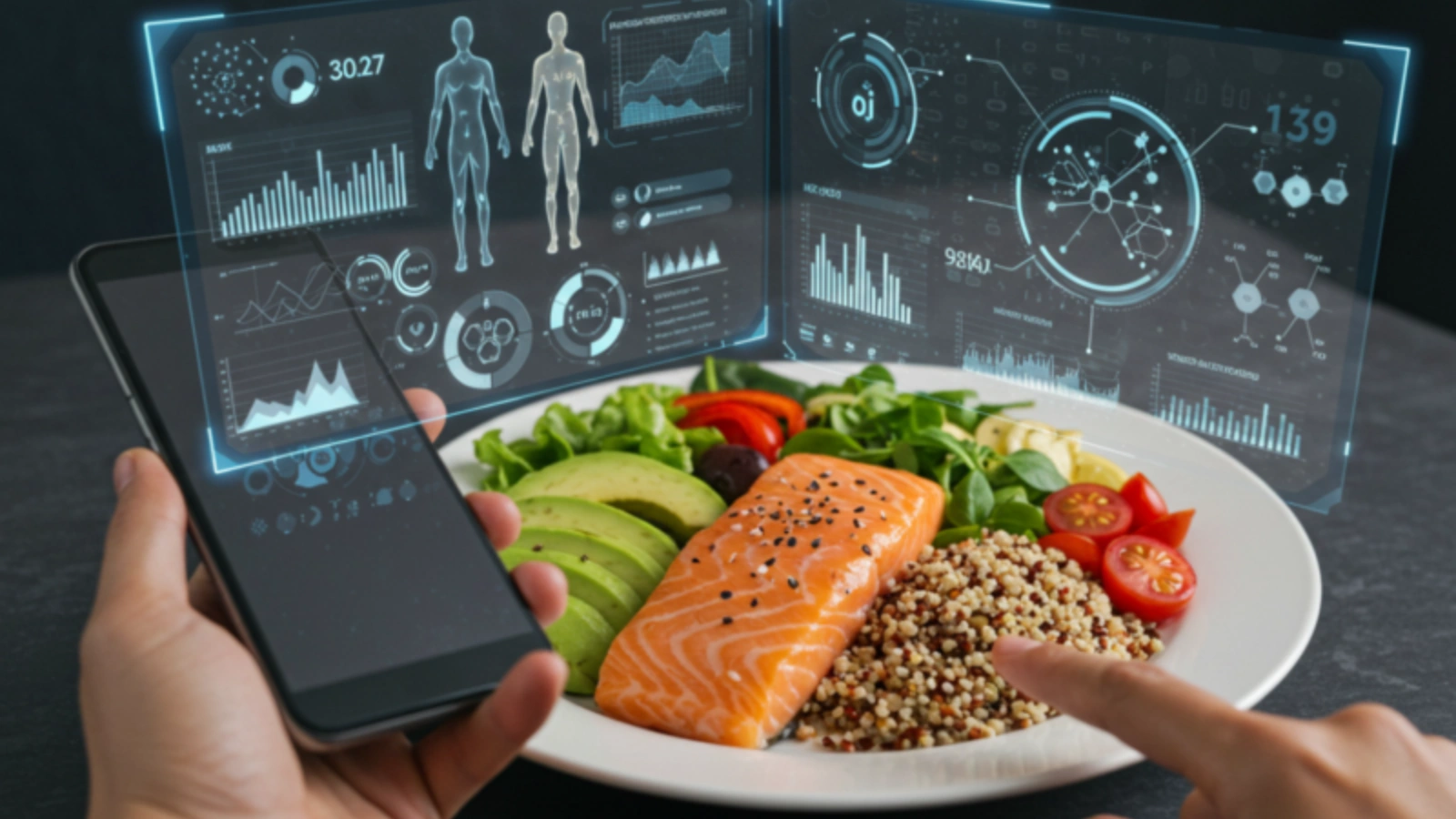
It is the study of how nutrients from food influence the body’s growth, repair, and energy metabolism. It examines how macronutrients such as proteins, carbohydrates, and fats, along with micronutrients like vitamins and minerals, interact within the body to maintain health and prevent disease.
By combining biology, chemistry, and physiology, it uncovers the mechanisms that connect what we eat & drink to how our cells, organs, and systems function.
Beyond simply defining a balanced diet, it explores how lifestyle, genetics, and gut health shape nutrient absorption and utilization. It helps us understand why certain eating patterns work better for some people than others, offering evidence-based guidance instead of trends or guesswork. In essence, it moves us from generic dieting toward data-driven nourishment designed for long-term well-being.
Also Read:
How Nutrition Science Has Evolved Over Time?
The field of nutrition science has evolved from simple dietary guidelines to advanced research that considers genetics, gut health, and lifestyle. In earlier decades, nutrition focused mainly on preventing deficiencies. Today, it’s about optimizing performance, preventing disease, and understanding the biochemical interactions between food and the human body.
This evolution has been fueled by scientific innovation and technology. Modern researchers now use genetic testing, metabolic tracking, and microbiome analysis to uncover how individual bodies respond differently to the same foods.
As a result, this approach has shifted from a one-size-fits-all model to a personalized one, allowing people to tailor their nutrition for energy, longevity, and overall wellness.
Understanding Human Nutrition And Its Importance
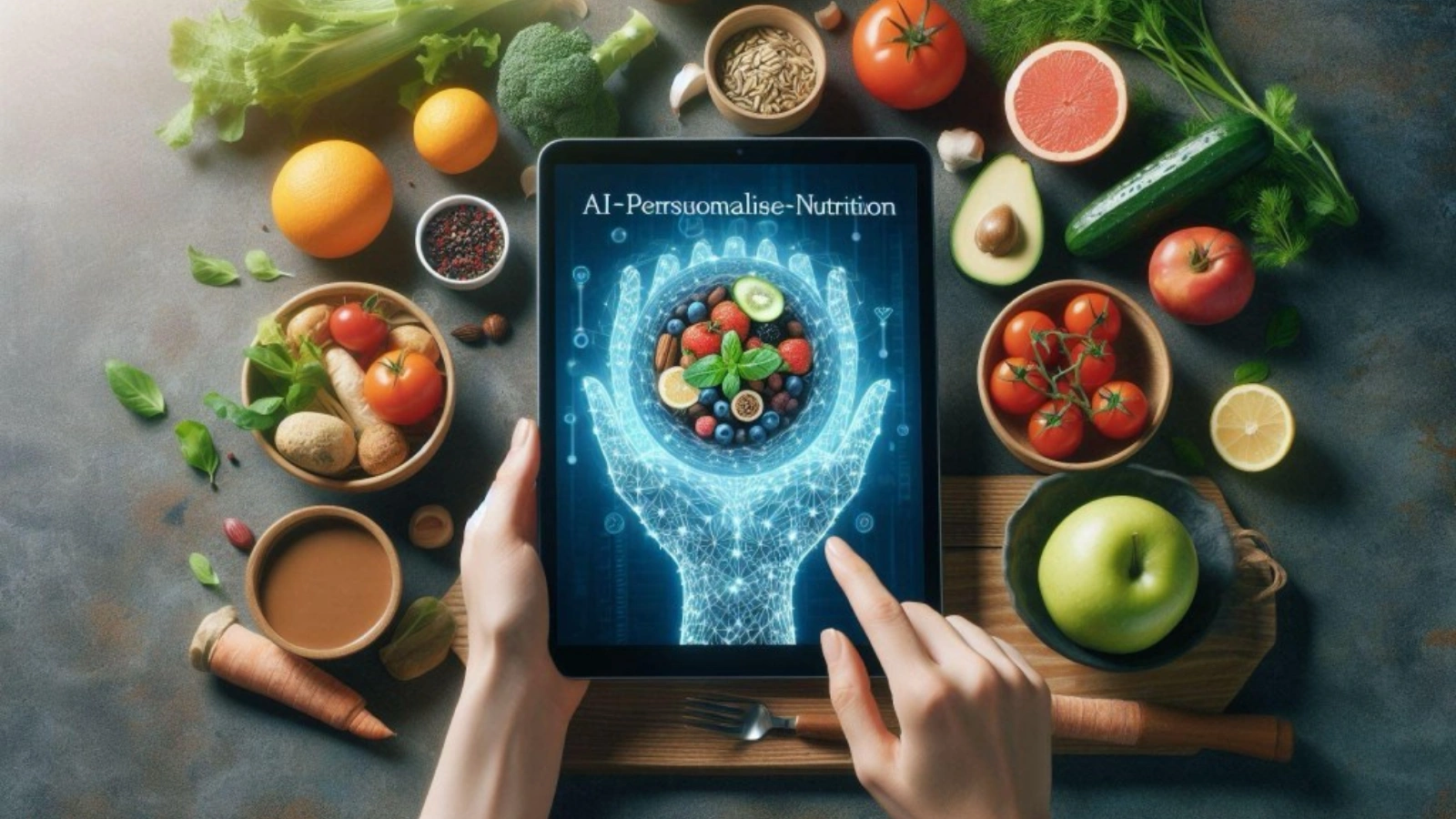
Modern food science and nutrition explore how every individual’s unique body composition, metabolism, and genetics influence their dietary needs. This explains why two people can eat the same meal and experience completely different outcomes, something only deep nutritional research can fully explain.
To understand its importance, consider these key aspects of human nutrition:
- Individual Variation: Each person processes nutrients differently due to genetics, gut bacteria, and metabolic rate.
- Nutrient Absorption: Factors like age, digestive health, and food combinations affect how efficiently nutrients are absorbed.
- Energy Balance: Maintaining a balance between calorie intake and energy expenditure is crucial for healthy body weight and performance.
- Preventive Health: Proper nutrition helps reduce the risk of chronic diseases such as diabetes, heart disease, and obesity.
- Mental Well-Being: The right nutrients improve brain function, mood stability, and emotional health.
The Connection Between Human And Nutrition
The bond between human and nutrition is fundamental to life itself. Every organ system, from your brain and heart to your muscles and immune defenses, depends on a steady supply of nutrients to function properly.
Food doesn’t just provide energy; it delivers the raw materials the body needs to repair cells, produce hormones, and regulate vital processes. Research shows that when you eat well, you think clearer, move better, and age more gracefully, as every bite influences both your physical and mental performance.
Core Principles Behind Nutrition Science:
The foundation of nutrition science is built on four timeless principles that guide healthy eating and sustainable wellness:
- Balance: Give equal attention to macronutrients — carbohydrates, proteins, and fats — to ensure consistent energy and body repair.
- Diversity: Eat a wide range of food sources to gain complete micronutrient coverage and prevent deficiencies.
- Moderation: Avoid overconsumption of any single nutrient to prevent metabolic strain and maintain internal balance.
- Personalization: Adjust your diet according to your age, gender, activity level, and health goals for optimal results.
Together, these principles highlight how this field connects human biology to daily nourishment, turning eating into a precise, purposeful act of health maintenance.
How Nutrition Science Influences Energy And Focus?

Ever wondered why you feel sluggish after a heavy lunch? Experts explain this as the body’s metabolic reaction to insulin spikes caused by refined carbs or unbalanced meals. When blood sugar rises too quickly, energy levels crash soon after, leading to that mid-day fatigue.
By applying nutrition science principles, you can maintain steady energy and sharper focus through balanced meals. Combining complex carbs with lean proteins and healthy fats supports slow energy release, while proper hydration and nutrients like B vitamins and iron boost mental clarity. Simply put, smart eating fuels both body and brain for lasting productivity.
Why A Degreed Nutritionist Matters More Than Ever?
A degreed nutritionist applies practical nutritional insights to real-world lifestyles. They translate scientific research into actionable meal plans, providing education, accountability, and results. Their expertise ensures that what you eat aligns with your unique physiological needs.
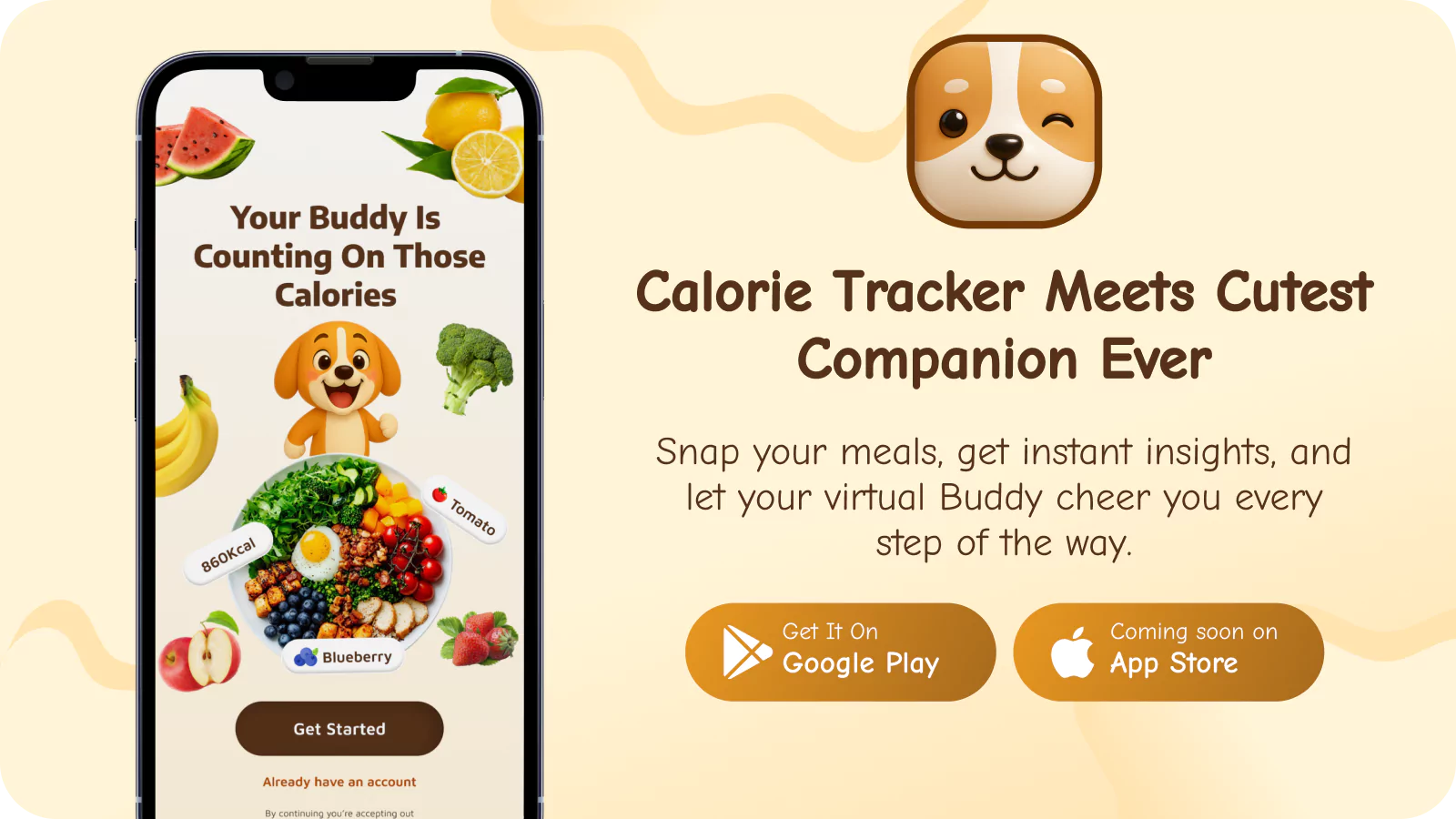
Modern technology has made applying nutrition science easier than ever. One standout innovation is Calorie Tracker Buddy, a software designed to turn nutrition tracking into an engaging, science-based experience.
Instead of reading complex labels or calculating by hand, this tool simplifies the process — letting you visualize your calorie balance, nutrient intake, and overall progress effortlessly.
How Does Calorie Tracker Buddy Bring Science To Everyday Nutrition?
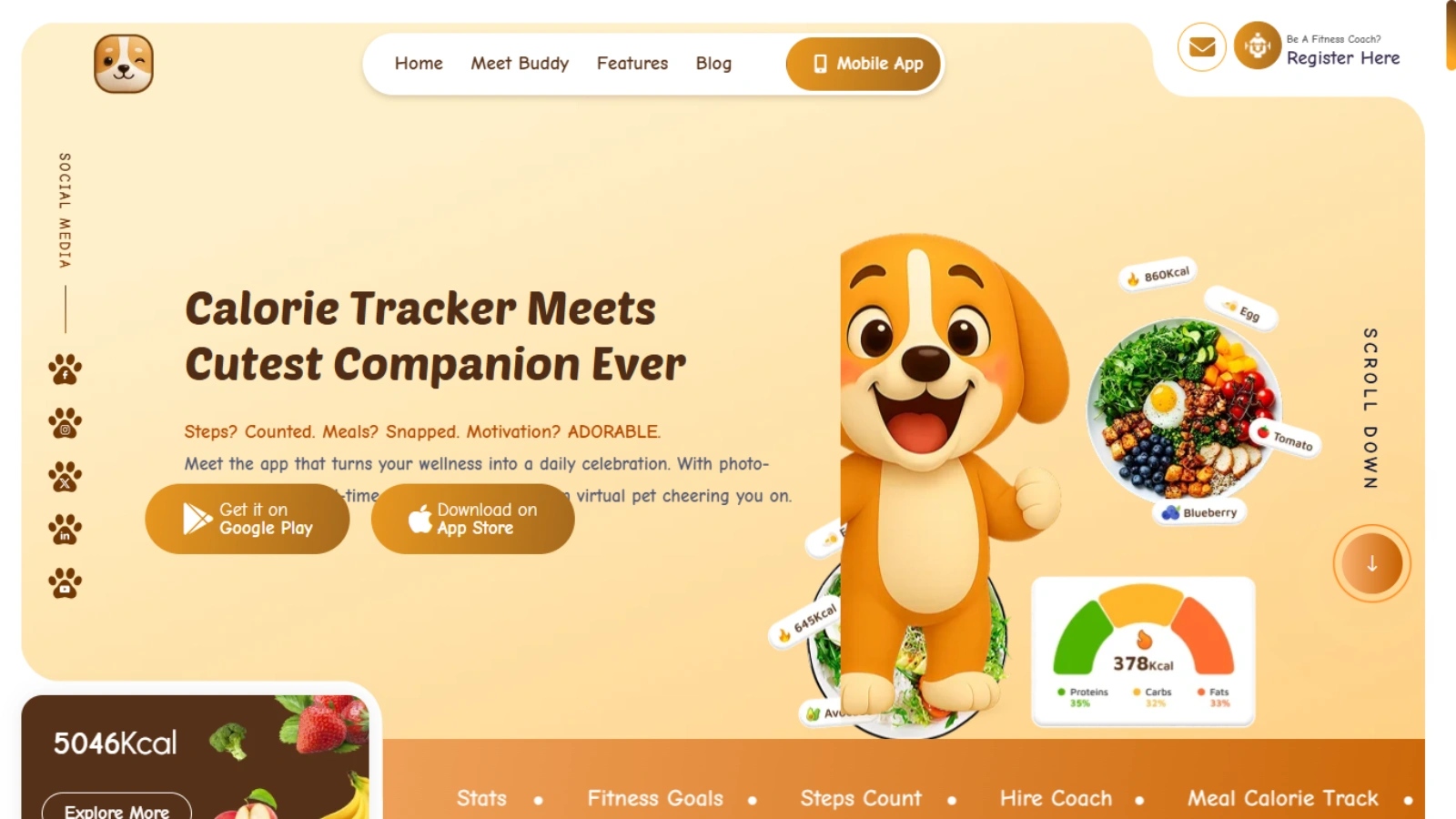
Here’s how Calorie Tracker Buddy brings nutrition science to life through intuitive, powerful features that make healthy living simple:
1. Snap the Meal:
Just point your camera and tap, your meal is instantly scanned for calories, nutrients, and balance. This bridges knowledge and convenience by turning every plate into a learning opportunity.
2. Calorie Burn Tracker:
From workouts to household chores, every move is counted. By understanding your energy expenditure, you can apply energy balance principles in real time.
3. Calorie Intake Tracker:
Track meals in seconds and receive instant insights. It’s like having a personal nutritionist who calculates how each bite fits into your daily goals.
4. Goal Predictions:
Ever wonder how your diet today affects your body tomorrow? Calorie Tracker Buddy uses predictive analytics to forecast progress and future outcomes based on your eating habits.
5. Buddy Motivation:
Your virtual pet grows with every healthy habit, making wellness fun. This feature combines behavioral psychology with smart dietary guidance to keep you motivated.
6. Social Sharing:
Share milestones, meal photos, and streaks with your community, turning healthy eating into a social, rewarding experience.
How Nutrition Science Shapes Disease Prevention?
Nutrition science plays a vital role in protecting the body from chronic diseases by strengthening its natural defense systems and improving long-term health outcomes. Diets rich in fiber, antioxidants, and healthy fats reduce inflammation, support heart health, and boost immunity.
Here’s how it contributes to disease prevention:
- Reduces Inflammation: Nutrient-dense foods like fruits, vegetables, and whole grains lower oxidative stress and inflammation, key drivers of chronic disease.
- Supports Heart Health: Balanced diets with healthy fats, such as omega-3s, improve cholesterol levels and maintain cardiovascular function.
- Regulates Blood Sugar: Controlled intake of complex carbs and fiber prevents insulin resistance and reduces diabetes risk.
- Enhances Immune Function: Vitamins C, D, zinc, and antioxidants strengthen the immune system against infections and illnesses.
- Promotes Longevity: Consistent nutrient balance helps maintain healthy weight, organ function, and overall vitality.
By monitoring your nutrient intake and maintaining balanced eating habits, using tools like a nutrition calculator to track what you eat, you’re not just eating; you’re actively applying evidence-based preventive strategies every single day.
How Does Nutrition Science Fit Into Your Daily Routine?

To bring nutrition science into your daily routine:
- Start your day with a balanced breakfast rich in protein and fiber.
- Include colorful fruits and vegetables for micronutrient variety.
- Stay hydrated — water supports every metabolic function.
- Use Calorie Tracker Buddy to maintain accurate calorie and nutrient logs.
Consistency builds results. Each small decision strengthens your health foundation.
Also Read:
The Future of Nutrition Science: Data And Personalization
The future of nutrition is hyper-personalized. Advances in AI, genomics, and app-based tracking are allowing us to tailor diets to individual biology. Imagine your Calorie Tracker Buddy adapting your diet in real-time as your metabolism shifts; that’s where the field is heading.
Final Thoughts
Nutrition science transforms the way we view health. When paired with modern tools like Calorie Tracker Buddy, it bridges the gap between theory and action, helping you take control of your well-being with confidence.
So, the next time you sit down to eat, remember: you’re not just feeding hunger, you’re fueling biology, guided by the principles of nutrition science.
FAQs
1.What are the main branches of nutrition science?
It includes several branches such as clinical nutrition (disease-focused diets), public health nutrition (population-wide strategies), food and nutritional biochemistry (nutrient function at the cellular level), and sports nutrition (performance and recovery optimization).
2. How is nutrition science different from dietetics?
While nutrition focuses on research and understanding how nutrients affect the body, dietetics applies that knowledge in practical settings — like creating meal plans or clinical interventions. In short, nutrition provides the “why,” and dietetics provides the “how.”
3. What role does the gut microbiome play in nutrition science?
Modern nutrition recognizes the gut microbiome as a key player in digestion, immunity, and even mood regulation. A balanced gut flora improves nutrient absorption and reduces inflammation, influencing everything from metabolism to mental health.