


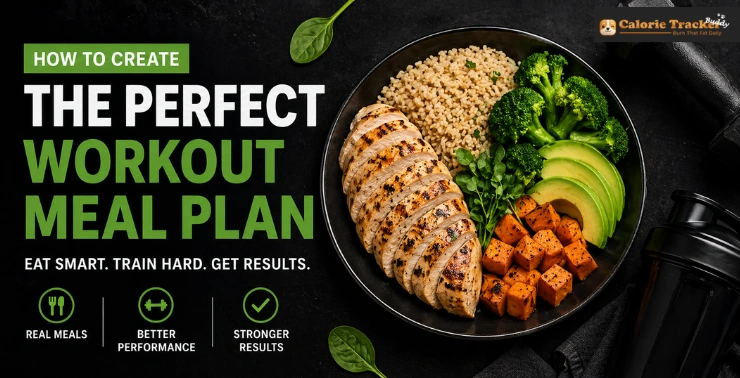
You finish your workout, open the fridge, and just stand there. You trained hard, but now you’re unsure what to eat. This is exactly where a workout meal plan becomes essential.
Most people don’t struggle with workouts. They struggle with what comes after. Nutrition feels like a second job, full of conflicting advice and complicated rules. So they guess. And guessing leads to inconsistent results.
This guide is different. Instead of giving you a rigid template, it helps you build a meal plan that actually fits your life. You don’t need a nutrition degree. You need a simple system you can follow even on busy days.
Read Aloud!
What a Workout Meal Plan Actually Does (and Why Most People Skip This)
A meal plan is not just about eating clean. It connects your food directly to your training, recovery, and results.
It helps you fuel workouts properly, recover faster, and move toward your goal without constant trial and error. Without a structured meal plan, even consistent gym effort can feel wasted.
Most people skip this step because they think eating “healthy” is enough. But general healthy eating doesn’t consider when you train, how hard you train, or what your body needs afterward.
A diet reacts. A meal plan is prepared. That’s the difference.
Before You Plan a Single Meal – Figure Out These 3 Numbers for Your Plan
Before building a meal plan, you need a few basic numbers. This is where clarity replaces confusion.
Maintenance Calories (TDEE)
This is how many calories your body burns daily. A simple way to estimate is bodyweight multiplied by an activity factor.
For example, if you weigh 160 lbs and train a few times a week, your maintenance is roughly 2,400–2,600 calories. Your meal planning starts from here.
Calorie Target Based on Your Goal
Your goal determines your intake:
- Fat loss: eat 300–500 calories less
- Muscle gain: eat 250–400 calories more
- Recomposition: stay near maintenance
Your meals should reflect your current body, not your ideal future version.
Protein Target
Protein is the most important part of any workout meal plan.
Aim for 0.7–1 gram per pound of bodyweight. A 160-lb person needs around 110–160 grams daily.
This supports muscle repair, recovery, and overall progress.
The Workout Meal Plan Framework – What to Eat and When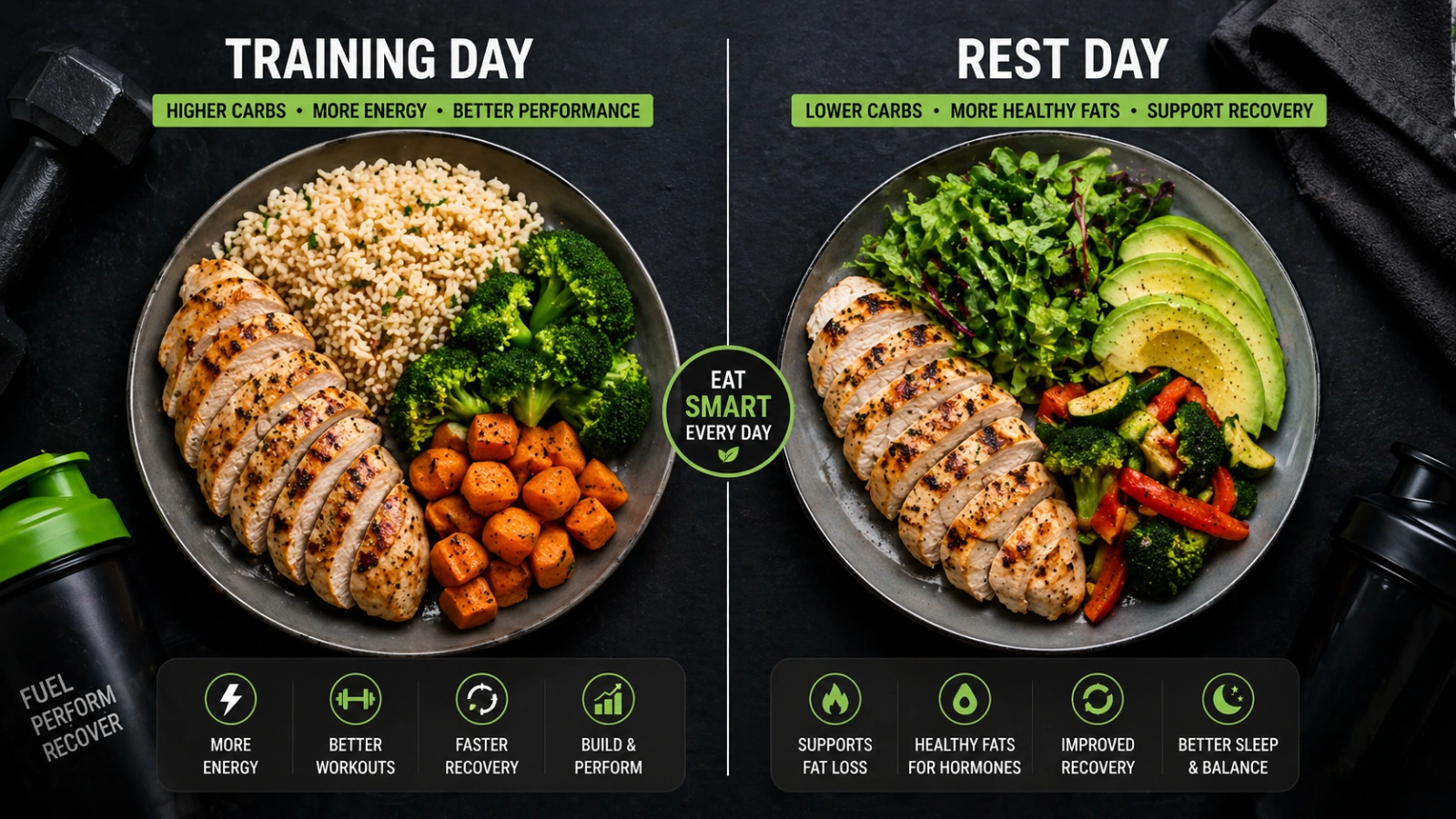
Now that you know your numbers, your meal plan becomes practical.
Training Days vs Rest Days
Your meal plan should not look identical every day.
On training days:
- Higher carbs
- Slightly more calories
- Focus on pre and post-workout meals
On rest days:
- Lower carbs
- Slightly higher fats
- Same protein
This adjustment improves energy and recovery without overeating.
Pre-Workout Meals
A good pre-workout meal supports performance. Your workout meal plan should include protein and carbs before training.
Examples:
- Chicken and rice
- Oats with protein powder
- Banana with peanut butter and yogurt
Keep fats lower so digestion stays quick.
Post-Workout Meals
Your workout meal plan should prioritize recovery after training.
You don’t need to rush, but eating within 1–2 hours helps. Focus on protein and carbs.
Examples:
- Eggs and toast
- Rice with lean meat
- Protein shake with fruit
The Other Meals
The rest of your meal doesn’t need to be complicated.
Just follow three rules:
- Include protein in every meal
- Adjust carbs based on activity
- Add healthy fats in moderation
Consistency matters more than perfect timing.
A Real 7-Day Workout Meal Plan (Mapped to a 4-Day Training Schedule)
This meal plan assumes:
- 4 training days (Mon, Tue, Thu, Fri)
- 3 rest days
Daily target: ~2,200 calories and 150g protein.
Example structure:
- Monday (Training): Oats + eggs / Chicken rice / Salmon + potatoes / Yogurt snack
- Wednesday (Rest): Eggs + toast / Lentils + rice / Chicken salad / Nuts
Each day in this plan adjusts carbs slightly while keeping protein consistent.
Budget-Friendly Swaps in a Workout Meal Plan
A meal plan doesn’t need to be expensive.
Swap:
- Salmon → canned tuna
- Greek yogurt → cottage cheese
- Protein powder → eggs
You can build an effective plan on a reasonable budget.
Vegetarian Alternatives
A plant-based workout meal plan works just as well.
Swap:
- Chicken → tofu or tempeh
- Whey → pea protein
- Meat meals → rice and beans
Protein still stays the priority.
Meal Prep for the Actual Busy Person Using a Workout Meal Plan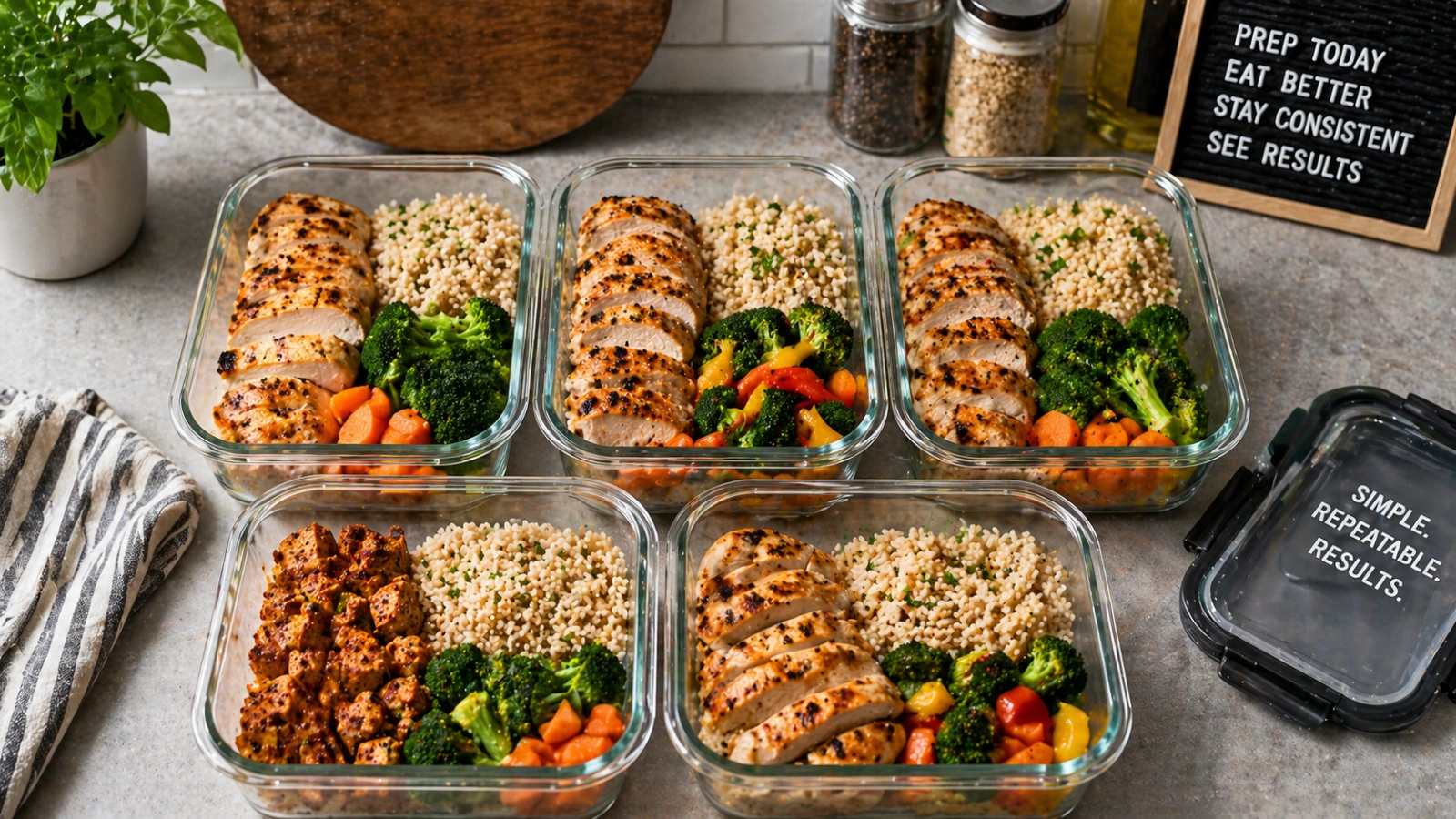
A meal plan only works if you can follow it consistently.
Try the Sunday prep system:
Cook proteins, carbs, and vegetables in batches. Mix and match during the week.
Keep it simple:
- Grilled chicken
- Cooked rice
- Roasted vegetables
This makes your workout meal plan easy to follow, even on busy days.
No time? Use shortcuts:
- Rotisserie chicken
- Microwave rice
- Pre-cut vegetables
Even partial prep supports your meals.
The Mistakes That Kill Workout Nutrition Results in a Workout Meal Plan
Many people follow a meal plan, but still struggle.
Common patterns:
- Eating the same on rest and training days
- Undereating after intense workouts
- Relying too much on supplements
- Not tracking protein intake
Another major issue is quitting after one bad day. A plan works through consistency, not perfection.
When a Meal Plan App Actually Makes Sense for a Workout Meal Plan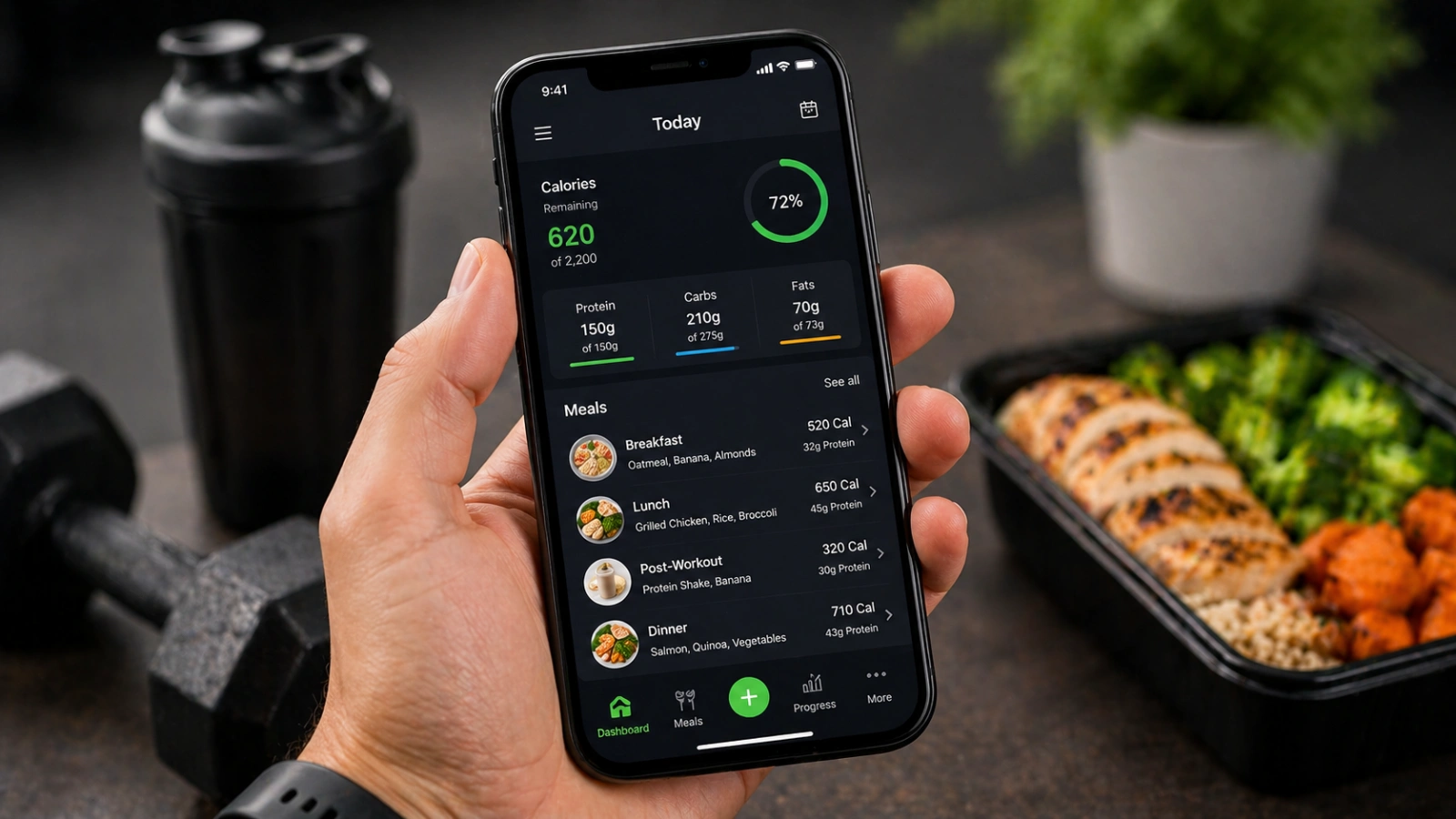
A workout and meal plan can feel overwhelming at first. This is where apps help.
A good tool should:
- Sync workouts and nutrition
- Adjust calories automatically
- Provide meal suggestions
- Track progress
If you’re looking for the best meal and workout plan app, focus on features, not hype.
A free workout and meal plan app like MyFitnessPal or Nike Training Club can be a great starting point.
Some advanced tools, like GlobusSoftAI, go further by linking your training schedule with your meal plan automatically.
Calorie Tracker Buddy
If you want a tool that goes beyond basic logging, Calorie Tracker Buddy adds a few practical features that make daily tracking easier and more engaging:
- Snap The Meal: Use your camera to scan food and estimate calories and nutrients instantly
- Calorie Burn Tracker: Tracks daily activity and movement to estimate calories burned throughout the day
- Calorie Intake Tracker: Logs what you eat and shows how it fits into your daily targets in real time
- Goal Predictions: Gives feedback on how your meals and habits are impacting your progress toward your goal
- Buddy Motivation: Includes a virtual pet that responds to your consistency and daily habits
- Social Sharing: Lets you share meals, progress, and streaks with others for accountability
This type of tool works well if you want both tracking and a bit of behavioral support, not just raw numbers.
One Thing Most Workout Meal Plan Guides Won’t Tell You
Here’s the truth. The best plan is the one you can actually follow.
A decent plan followed for months beats a perfect plan followed for two weeks.
Consistency matters more than precision. You don’t need perfect macros every day. You need a system that fits your life.
Try the 80/20 approach:
Follow your plan 80% of the time. Stay flexible for the rest.
Also, don’t ignore sleep. Recovery affects hunger, energy, and muscle growth more than most people realize.
Read More!
Final Thoughts on Building Your Workout Meal Plan
You don’t need a perfect system. You need a workout meal plan that actually fits your schedule, your budget, and your lifestyle.
That means choosing foods you’ll realistically eat, not meals that look good on paper but never make it into your week. If your plan feels restrictive or complicated, you won’t stick to it. And if you don’t stick to it, it won’t work.
Start simple. Calculate your calories. Set your protein target. Then build your meals around a few reliable options you can repeat without thinking too much. Consistency beats variety in the beginning.
Over time, you’ll refine things. You’ll learn which meals keep you full, which ones fuel your workouts better, and where you tend to slip. That’s how a workout meal plan becomes personal instead of generic.
The gym often gets the credit, but results don’t come from workouts alone. They come from what you do in the hours after. The meals you eat, the habits you repeat, and the choices you make daily.
A consistent meal plan doesn’t have to be perfect. It just has to be good enough, followed long enough. That’s where real progress happens.
Frequently Asked Questions
Can I lose fat and build muscle at the same time?
Yes. A structured workout meal plan with high protein and proper training supports this.
How different should rest-day meals be?
Protein stays the same. Carbs drop slightly on rest days.
What’s a realistic free workout and meal plan?
Follow the 7-day structure above and combine it with a free workout and meal plan app.
How long before I see results?
Energy improves within weeks. Visible changes take 4–8 weeks with a consistent plan.
What if I can’t hit protein targets?
Use supplements to support your nutrition, not replace meals.
Is meal timing important?
Total intake matters more. Timing helps, but focus on daily totals first.