



If you’re looking for a simple way to boost your health, flax seeds might be the tiny powerhouse you’ve been missing. These small, nutty-flavoured seeds have been cultivated for thousands of years and are now making a comeback as one of the most nutrient-dense foods you can add to your diet, especially when discussing High Fiber Foods To Boost Digestion And Improve Overall Health. Whether you sprinkle flax seeds on your morning oatmeal or blend them into smoothies, these golden or brown seeds pack an impressive nutritional punch that can transform your wellness journey.
Listen To The Podcast Now!
What Makes Flax Seeds So Special?
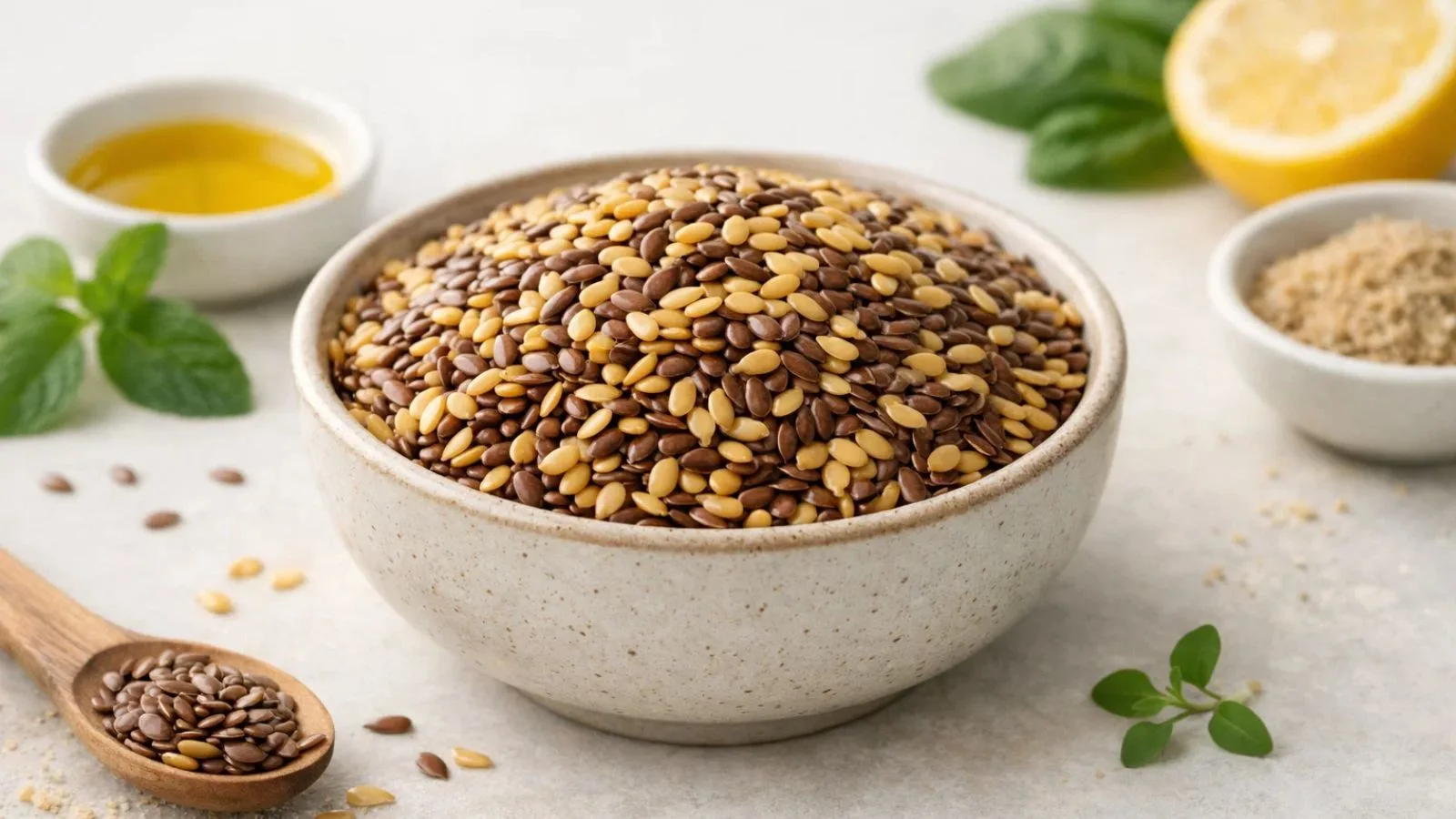
They’re loaded with fiber, healthy fats, and essential nutrients that support everything from heart health to digestive wellness. In this article, we’ll explore seven surprising benefits that might just convince you to make flax seeds a staple in your kitchen.
1. Rich Source of Plant-Based Omega-3 Fatty Acids:
One of the standout features of these tiny seeds is their impressive omega-3 content. For those following a plant-based diet, finding quality vegan omega 3 sources can be challenging. These seeds contain alpha-linolenic acid (ALA), a type of omega-3 fatty acid that your body needs but cannot produce on its own.
Omega-3s play a crucial role in reducing inflammation throughout your body, supporting brain function, and protecting your cardiovascular system. Just one tablespoon of ground seeds provides about 1.6 grams of ALA, making them one of the richest plant-based sources available. This is particularly beneficial for vegetarians and vegans who don’t consume fish or fish oil supplements.
2. Supports Heart Health and Lowers Cholesterol:
Your heart will thank you for adding these nutritious seeds to your meals. Multiple studies have shown that regular consumption can help lower bad cholesterol (LDL) levels while maintaining or even increasing good cholesterol (HDL). The combination of omega-3 fatty acids, fiber, and lignin’s work together to reduce blood pressure and decrease the risk of heart disease.
The soluble fiber in these seeds binds to cholesterol in your digestive system, preventing it from being absorbed into your bloodstream. Meanwhile, the omega-3s help reduce inflammation in your blood vessels, improving overall cardiovascular function. For anyone concerned about heart health, incorporating these seeds into your diet is a simple, evidence-based step you can take today.
3. Promotes Digestive Health and Regularity:
If you struggle with digestive issues, these seeds might become your new best friend. Thanks to their high fiber content, both soluble and insoluble, they can help regulate bowel movements and promote a healthy digestive system. The soluble fiber absorbs water in your digestive tract, forming a gel-like substance that slows digestion and helps you feel fuller longer.
The insoluble fiber, on the other hand, adds bulk to your stool and helps food move through your digestive system more efficiently. This dual-action approach makes these seeds particularly effective for preventing constipation and maintaining digestive regularity. Just remember to drink plenty of water when consuming them, as the fiber needs adequate hydration to work effectively.
4. May Help with Weight Management:
These nutrient-dense seeds can be a valuable ally in your weight management journey. The flax seeds calories are relatively low, just 37 calories per tablespoon, yet they provide substantial nutrition and satiety. The combination of protein, fiber, and healthy fats helps you feel satisfied after meals, reducing the likelihood of overeating or reaching for unhealthy snacks.
The soluble fiber forms a gel in your stomach that slows down digestion, keeping you fuller for longer periods. This natural appetite suppression can make it easier to stick to your nutritional goals without feeling deprived. Additionally, the omega-3 fatty acids may help reduce inflammation associated with obesity and metabolic syndrome.
Also Read:
Top 15 High Fiber Foods To Boost Digestion And Improve Overall Health
Track Your Nutrition with Calorie Tracker Buddy:

Speaking of weight management, keeping track of what you eat is essential for reaching your health goals. This is where Calorie Tracker Buddy comes in handy. This intuitive app helps you monitor your daily calorie intake, track macronutrients, and ensure you’re meeting your nutritional targets.
When you add foods like these nutritious seeds to your diet, Calorie Tracker Buddy makes it easy to log their flax seeds nutrition value and see how they fit into your overall eating plan. You can set personalized goals, track your progress over time, and get insights into your eating patterns. The app’s extensive food database includes detailed nutritional information, so you’ll know exactly what you’re consuming with each meal.
Whether you’re trying to lose weight, build muscle, or simply eat more mindfully, Calorie Tracker Buddy provides the tools and accountability you need to stay on track. Download it today and take control of your nutritional journey!
5. Packed with Antioxidants and Lignin’s:
These remarkable seeds are one of the richest dietary sources of lignin’s, plant compounds with powerful antioxidant properties. In fact, they contain up to 800 times more lignin’s than most other plant foods! Lignin’s act as antioxidants in your body, fighting free radicals and reducing oxidative stress that can damage your cells.
These plant compounds also have weak estrogenic properties, which means they may help balance hormones naturally. Some research suggests that the lignin’s in these seeds may reduce the risk of certain hormone-related cancers, particularly breast and prostate cancer. While more research is needed, the antioxidant benefits alone make them a worthwhile addition to any diet.
6. Supports Blood Sugar Control:
For anyone managing diabetes or trying to prevent blood sugar spikes, flax seeds offer promising benefits. The soluble fiber slows down the digestion and absorption of carbohydrates, leading to more stable blood sugar levels after meals. This can help prevent the energy crashes and cravings that come with blood sugar fluctuations.
Several studies have found that consuming these seeds regularly may improve insulin sensitivity and reduce fasting blood sugar levels in people with prediabetes and type 2 diabetes. The complete benefits of flax seeds for blood sugar management extend beyond just fiber; the omega-3s and lignin’s also play supportive roles in metabolic health.
7. Promotes Healthy Skin and Hair:
The nutrients in these seeds don’t just work internally; they can also enhance your appearance. The omega-3 fatty acids help maintain skin hydration, reduce inflammation associated with acne and eczema, and may even slow signs of aging. The B vitamins and vitamin E content further support skin health by promoting cell regeneration and protecting against environmental damage.
For your hair, the protein and omega-3s provide the building blocks needed for strong, healthy hair growth. Many people report shinier, thicker hair after regularly consuming these seeds for several weeks. The anti-inflammatory properties may also help with scalp conditions like dandruff or irritation.
Understanding the Nutritional Profile:
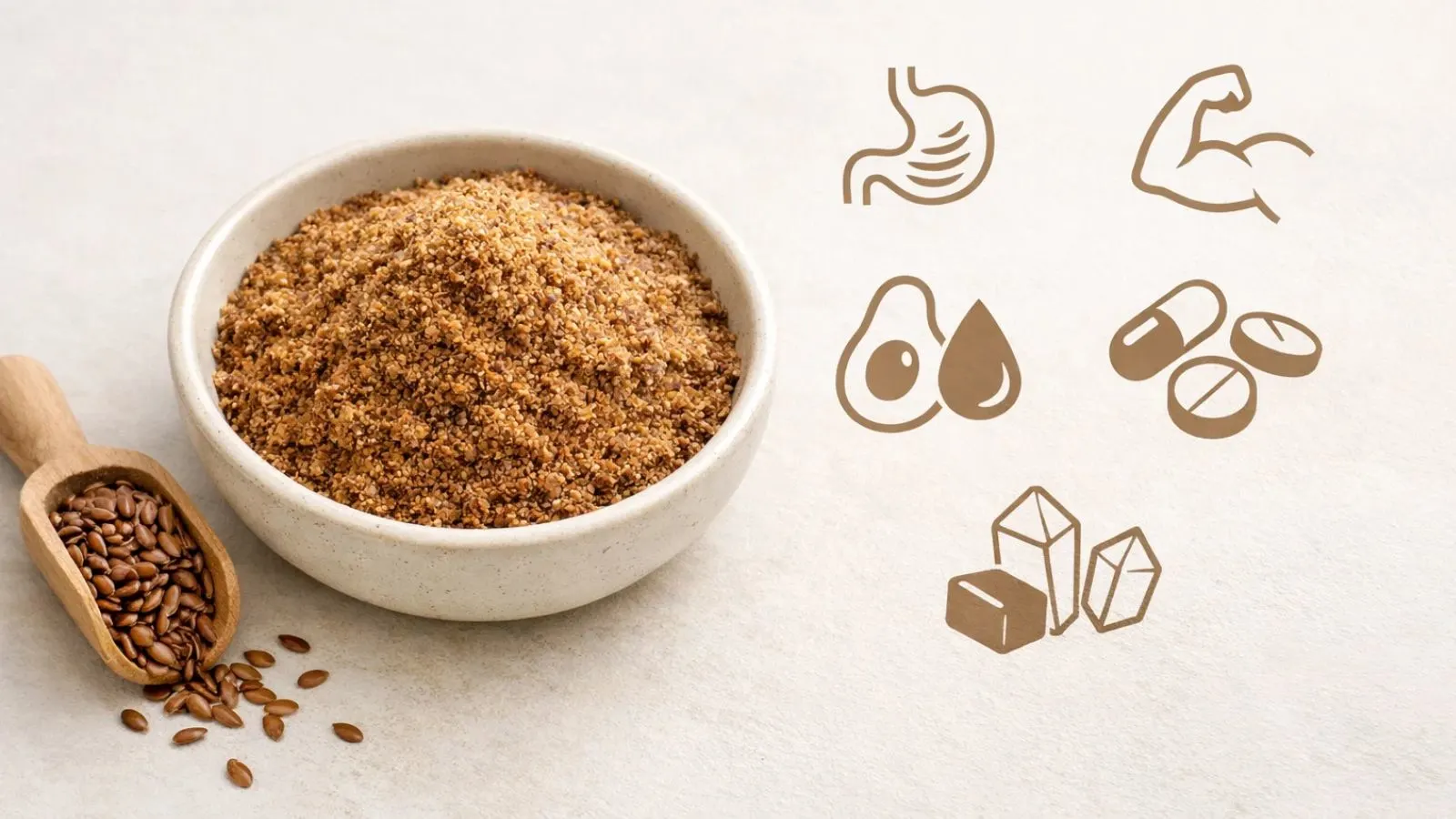
To truly appreciate flax seeds, let’s look at the flax seeds nutritional value. One tablespoon (about 10 grams) of ground seeds contains approximately:
- 37 calories
- 3 grams of fat (mostly healthy unsaturated fats)
- 2 grams of carbohydrates
- 1.9 grams of fiber
- 1.3 grams of protein
- Plus vitamins B1, B6, folate, calcium, iron, magnesium, phosphorus, and potassium
This impressive nutrient density in such a small serving size is what makes them a true superfood. You’re getting substantial nutrition without consuming many calories, making them perfect for anyone looking to maximize nutrient intake while managing weight.
How to Incorporate Them into Your Diet:

Getting these seeds into your daily routine is easier than you might think. For maximum nutritional benefit, it’s best to consume them ground rather than whole, as whole seeds may pass through your digestive system undigested.
You can grind them fresh using a coffee grinder or purchase pre-ground versions (though these should be stored in the refrigerator or freezer to prevent the oils from going rancid).
Try adding a tablespoon to smoothies, yogurt, oatmeal, or baked goods. You can also use them as an egg substitute in vegan baking, mix one tablespoon of ground seeds with three tablespoons of water, let it sit for a few minutes until it becomes gel-like, and use it in place of one egg. They add a subtle, nutty flavour that complements both sweet and savoury dishes.
Conclusion:
From supporting heart health to promoting radiant skin, these powerful little seeds offer an impressive array of health benefits. Their rich omega-3 content, high fiber, and antioxidant properties make them a valuable addition to virtually any diet.
Whether you’re looking to improve digestion, manage your weight, or simply boost your overall nutrition, incorporating these seeds into your daily routine is a simple yet effective strategy. Start with just one tablespoon per day and gradually increase as your body adjusts to the added fiber. Remember to drink plenty of water and store ground seeds properly to maintain freshness.
FAQ’s:
Q1: How much should I eat daily?
Ans: Most experts recommend 1-2 tablespoons of ground seeds per day for optimal benefits.
Q2: Should I eat them whole or ground?
Ans: Ground seeds are better absorbed by your body. Whole seeds may pass through undigested, limiting their nutritional value.
Q3: Can I eat them raw?
Ans: Yes! They’re safe to eat raw and don’t require cooking, though some people prefer to toast them for enhanced flavour.
Q4: Are there any side effects?
Ans: When consumed in recommended amounts, they’re safe for most people. Start slowly to allow your digestive system to adjust to the increased fiber.