


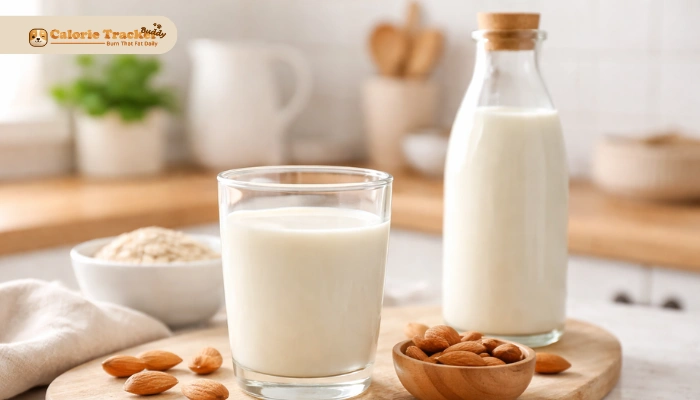
Almond milk is often viewed as a simple swap for dairy, but that perspective overlooks its full potential. It’s not just a replacement; it’s an ingredient with its own advantages.
With a mild taste and lighter consistency, it works well in everything from breakfast bowls to savory sauces. The secret isn’t forcing it to mimic dairy. It’s using it in ways that highlight what it does best.
When approached thoughtfully, it becomes one of the most useful staples in a modern kitchen.
What makes it especially appealing is its flexibility. It blends smoothly into fruit smoothies without turning them heavy and softens oatmeal while keeping the texture light. In baking, it adds moisture without overpowering delicate flavors. Even in savory dishes, it can support a sauce or soup when paired with the right thickening base.
Another reason it continues to gain traction is practicality. Unsweetened varieties are typically lower in calories than whole milk, which appeals to those looking for lighter options. At the same time, its neutral flavor allows spices, herbs, and other ingredients to remain the focus of a dish rather than competing for attention.
That said, this non-dairy milk performs best when expectations are realistic. It will not create the same richness as heavy cream, nor will it provide the same protein content as dairy. But those differences are not drawbacks when used strategically. They simply require minor adjustments in technique.
Instead of asking whether it can replace dairy entirely, a better question is where it naturally fits. In many everyday recipes, the answer is simple: more often than expected.
Listen To The Podcast!
Why Almond Milk Works (When You Use It Correctly)
A lot of confusion around almond milk comes from unrealistic expectations.
People assume it should thicken like whole milk. Or taste identical to it. Or make every recipe automatically healthier.
It doesn’t work that way.
This is lighter. It contains less fat and protein than dairy. That means it won’t create richness on its own in sauces or custards. But that same lightness makes it ideal for meals that don’t need to feel heavy.
Many people appreciate its benefits tied to lower calorie content, especially in unsweetened versions. That can be helpful if you’re adjusting your intake or just prefer something less rich.
It’s also a natural fit for vegan diets. But you don’t need to be vegan to use it. Plenty of people simply enjoy how it performs.
The key is knowing when it’s a straight swap and when it needs backup.
1. Smoothies That Feel Clean, Not Thick
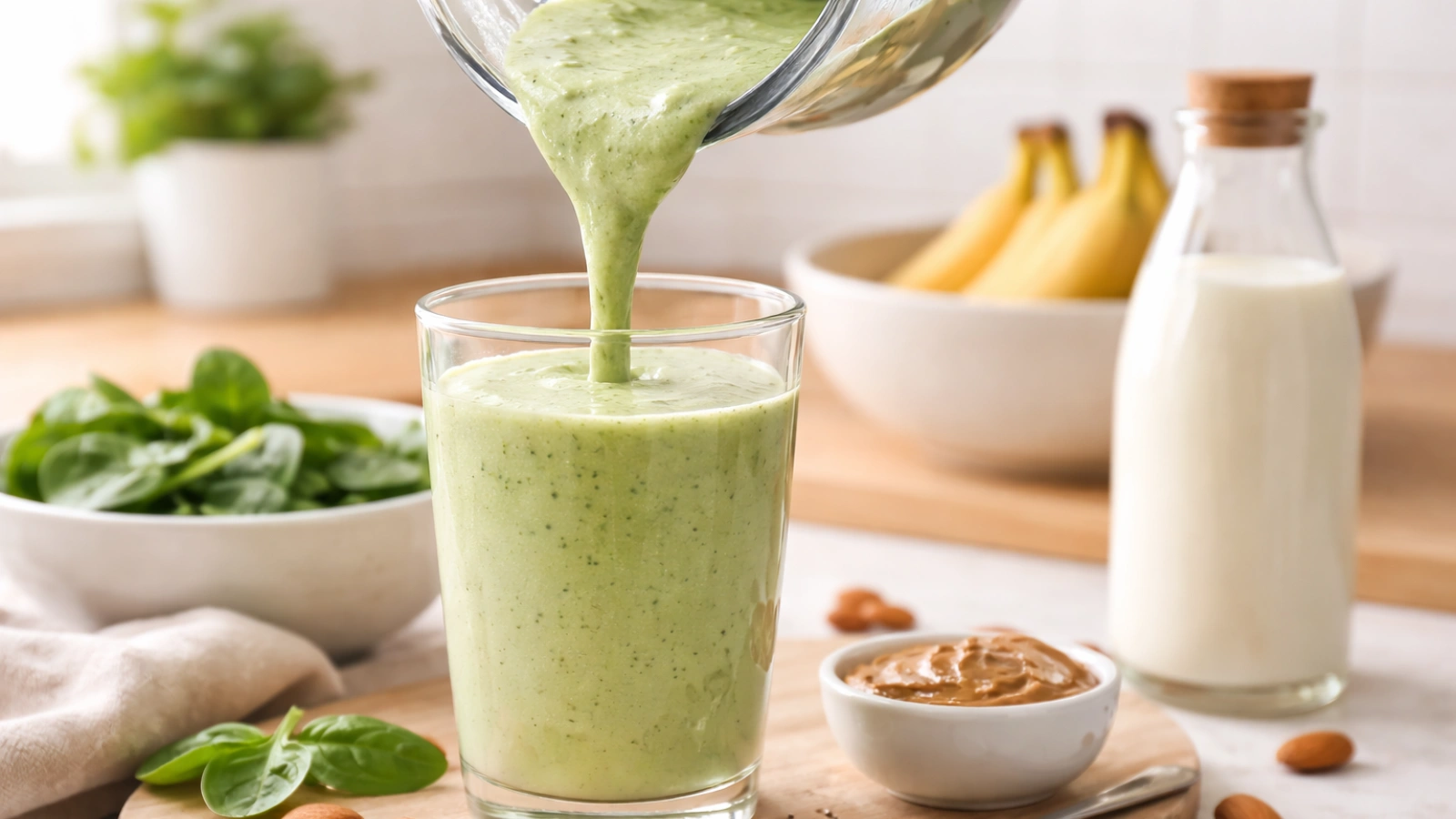
If there’s one place this nut milk consistently shines, it’s in smoothies.
Because it’s light, it blends quickly. The result isn’t overly dense or heavy, which can sometimes make a morning smoothie feel more like dessert than breakfast.
A simple, balanced combination includes:
- Frozen banana
- Handful of spinach
- Spoonful of almond butter
- Scoop of protein powder
- One cup of almond milk
It blends smoothly without becoming thick or overpowering.
For more thickness, chia seeds work well. For a lighter consistency, simply add a splash more liquid.
One important tip: check whether the carton is sweetened. Added sugars can increase quickly without notice. Choosing unsweetened almond nut milk allows natural sweetness from fruit to remain the focus.
The process is straightforward, dependable, and easy to adjust based on preference.
2. Oatmeal That’s Creamy Without Being Heavy
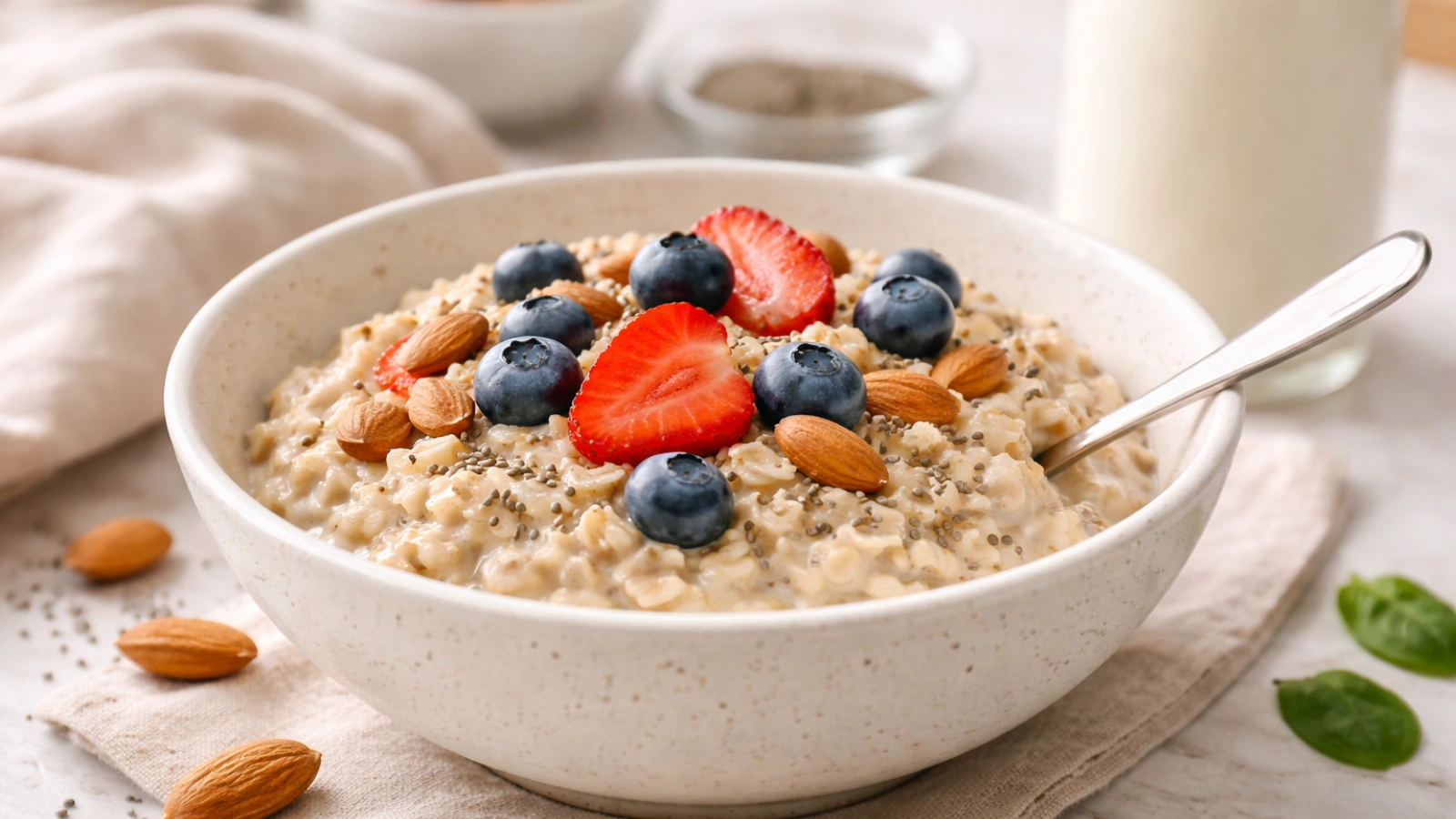
Water makes oats functional. Dairy makes them rich. Almond milk lands somewhere in between.
When oatmeal is prepared with this plant-based option, the texture becomes softer and smoother without turning dense. It adds a subtle layer of flavor while allowing the oats themselves to remain the focus.
For stovetop oats, use a one-to-one substitution. Let the mixture simmer gently and stir occasionally. If it thickens too much, add a small splash of extra liquid to loosen it.
Overnight oats require even less effort. In a jar, combine rolled oats, chia seeds, and the milk alternative. Refrigerate overnight to allow the grains to absorb the liquid fully.
By morning, the consistency is balanced and easy to spoon.
For those preparing almond milk for vegan breakfasts, this method serves as one of the simplest starting points. It feels satisfying and complete rather than restrictive.
3. Baking Without Complicating Things
One of the biggest myths is that baking with almond milk requires advanced adjustments.
In most everyday recipes, it doesn’t.
Muffins, pancakes, banana bread, and quick cakes usually accept a one-to-one substitution without noticeable difference.
Where it struggles is in recipes that rely heavily on dairy fat for richness or structure. In those cases, you may notice a slightly lighter result.
If that happens, you can:
- Add a tablespoon of oil
- Increase fat slightly elsewhere
- Use a thicker plant-based yogurt alongside it
When following a nut milk recipe, pay attention to what role dairy originally played. Was it for moisture, or for richness? That distinction matters.
For casual weekend baking, though, it works beautifully.
4. Creamy Savory Sauces (With the Right Foundation)

Let’s address this honestly: nut milk won’t turn into heavy cream on its own.
But it can create a satisfying sauce if you build it properly.
Start with a roux. Melt butter or a plant-based alternative. Add flour and cook briefly. Slowly whisk in non-dairy milk and let it simmer.
That flour base gives it structure.
From there, you can add garlic, herbs, cheese, or nutritional yeast.
The result will be lighter than traditional cream sauce. Sometimes that’s exactly what you want.
In blended soups, it works even better. Cauliflower, squash, or potato soups benefit from its lighter consistency.
It supports flavor instead of dominating it.
5. Making Your Own Almond Milk Recipe at Home
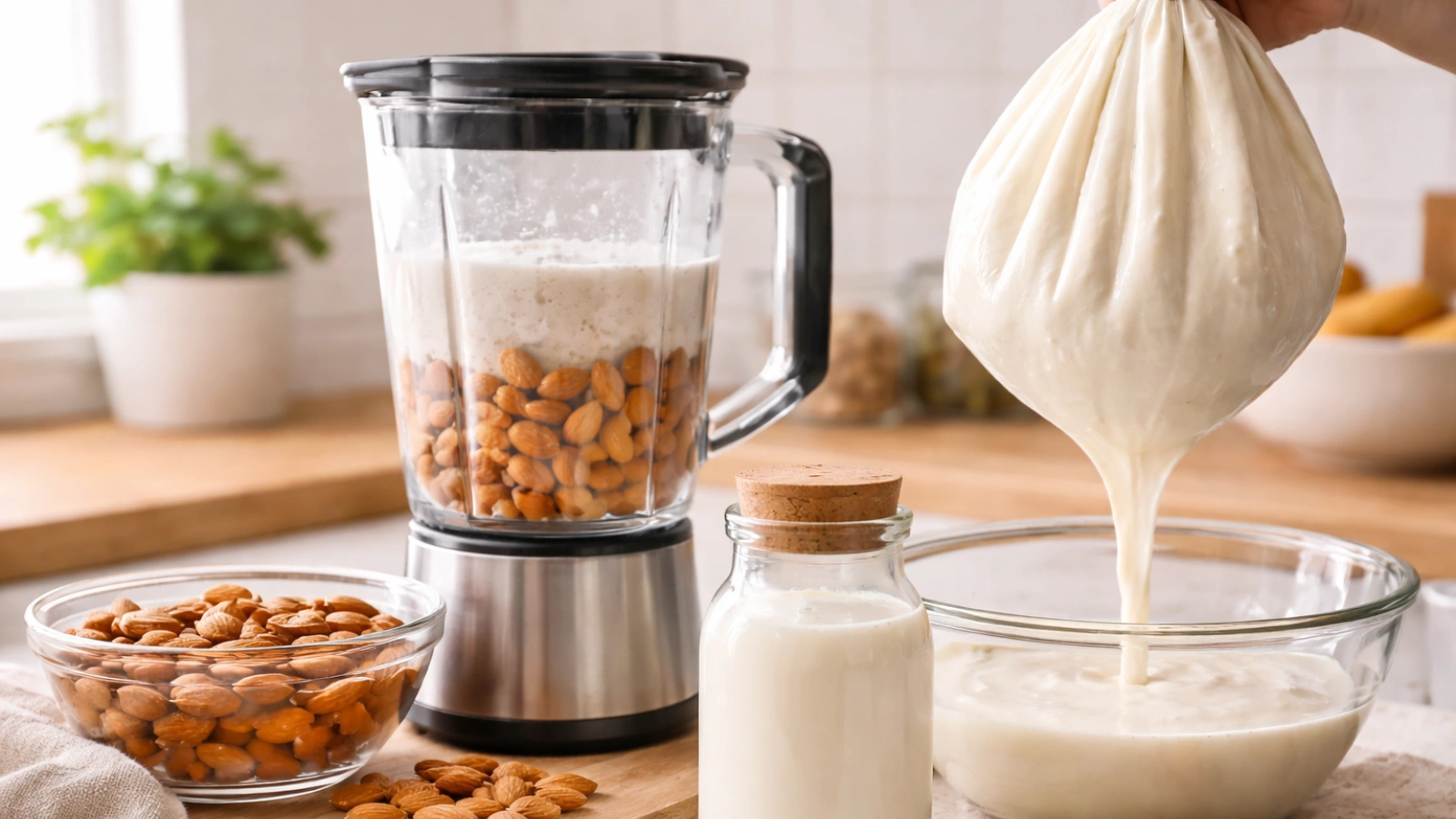
Making it from scratch sounds complicated, but it really isn’t.
A basic almond milk recipe requires:
- Raw almonds
- Water
- Optional pinch of salt
Soak the almonds overnight. Drain and rinse. Blend with fresh water until smooth. Then strain through a nut milk bag or fine cloth.
The flavor feels fresher and slightly nuttier than store-bought versions.
The trade-off is shelf life. Homemade batches typically last three to four days in the refrigerator.
You don’t have to make it regularly. But trying it once gives you a better understanding of the ingredient itself.
6. Coffee That Stays Balanced
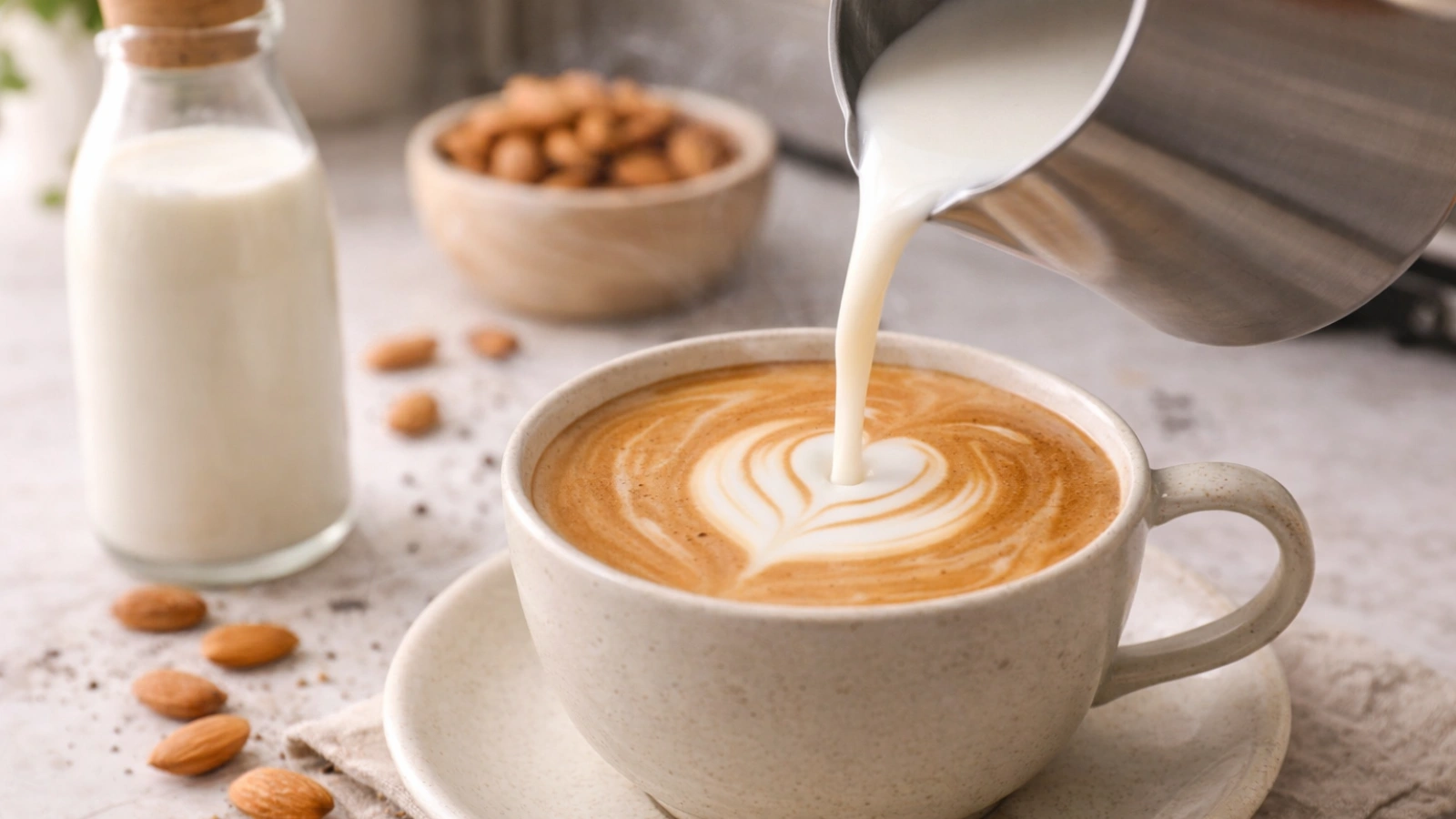
Some plant-based milks overpower coffee. Others separate when heated.
Almond milk generally behaves well, especially versions designed for frothing.
The biggest mistake is overheating it. Gentle warming keeps it smooth.
In iced coffee, it blends easily and adds mild creaminess without masking flavor.
If you’re switching from dairy milk to roasted almond-flavored creamers, the taste may feel lighter at first. That’s normal. A small splash of vanilla or cinnamon can bring warmth without excess sweetness.
It’s a subtle shift, not a dramatic one.
7. Light Desserts That Don’t Feel Excessive
Not every dessert needs to be rich to be satisfying.
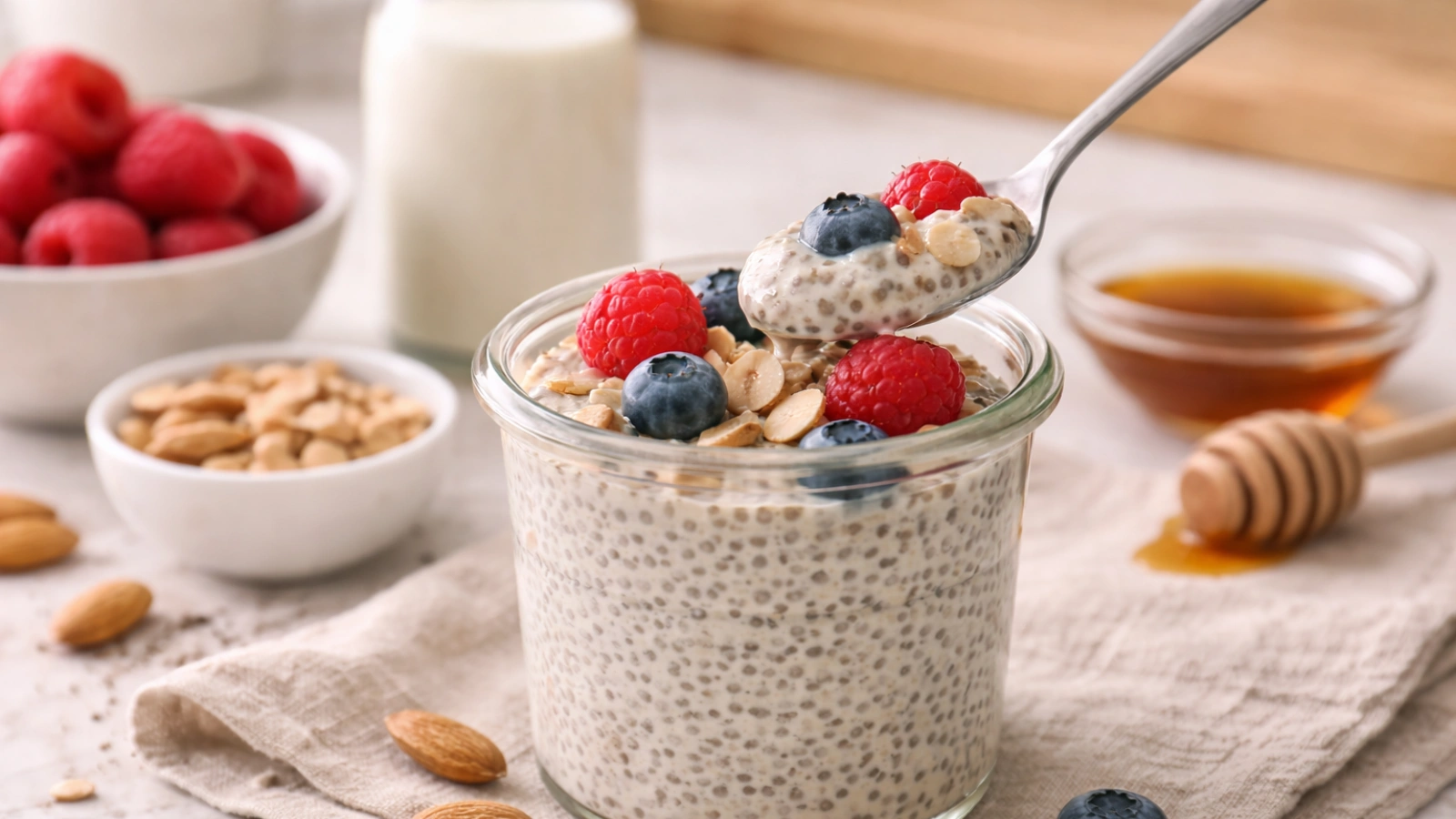
Chia pudding is a good example. Combine chia seeds, almond milk, maple syrup, and vanilla. Let it sit until thickened.
The seeds create texture naturally, which balances the lighter base.
It also works well in rice pudding or simple stovetop puddings, as long as you allow enough time for thickening.
The final result feels comforting without feeling overly indulgent.
Tools That Make Working With Almond Milk Easier
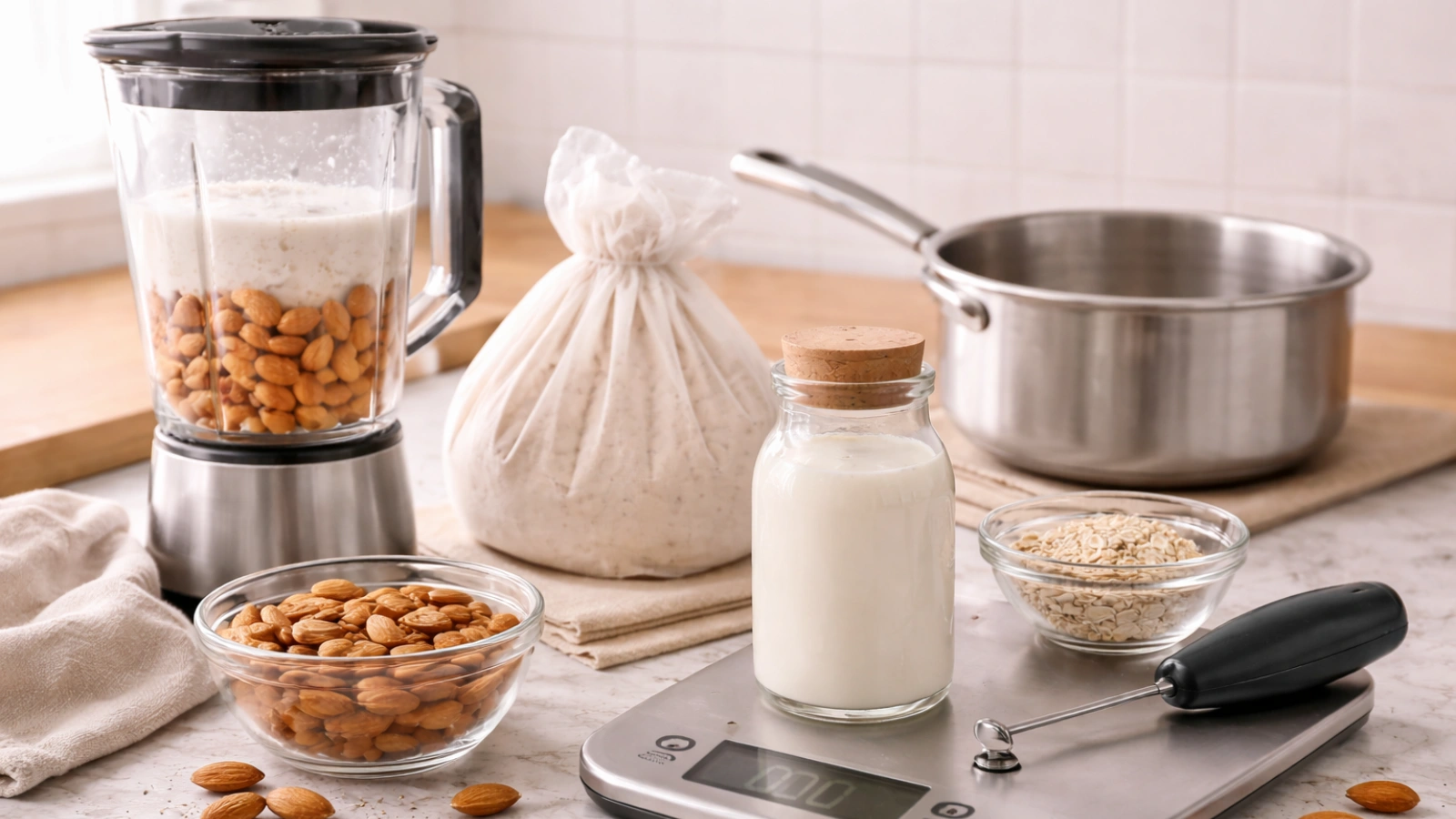
You don’t need special equipment. But a few tools help.
1. High-Speed Blender
Ideal for smoothies and homemade non-dairy milk. It prevents a gritty texture.
2. Nut Milk Bag
If you’re making your own, this keeps straining clean and simple.
3. Heavy-Bottom Saucepan
Prevents scorching when heating nut milk for sauces or coffee.
4. Milk Frother
Creates better foam for lattes without extra effort.
5. Digital Kitchen Scale
Helps maintain consistency when measuring almonds or adjusting baking ratios.
None of these are mandatory. They just make the process smoother.
Keeping Nutrition Practical, Not Obsessive
Swapping ingredients often raises questions about calories and macros.
Unsweetened nut milk is typically lower in calories than whole dairy. That’s one of the benefits many people look for.
But it’s also lower in protein. Depending on your diet, that may or may not matter.

If you like clarity without turning meals into a math exercise, something like Calorie Tracker Buddy can help.
It keeps things straightforward rather than overwhelming.
Track Your Calories With Calorie Tracker Buddy
- Quick Meal Logging
Easily log meals and drinks of all kinds, including plant-based milk, smoothies, grains, and desserts. - Clear Macro Breakdown
View nutritional information such as carbohydrates, fats, and protein for each logged item. - Meal Photo Logging
Snap a quick photo of your meal and attach it to your food log. This makes it easier to remember what you ate and review your meals later alongside their calorie and macro information.
- Daily Calorie Summaries
See a clear overview of your total calories and macro intake throughout the day, helping you stay aligned with your health goals.
It’s less about restriction and more about awareness. Sometimes that small bit of information helps you make better choices without overthinking it.
Also Read!
A Few Misconceptions Worth Clearing Up
Not all non-dairy milk products are the same. Some contain added sugar. Some are fortified. Labels matter.
It’s also not automatically “healthier” in every context. Health depends on your needs, your portions, and your overall diet.
And while non-dairy milk for vegan diets is common, it’s equally useful for anyone who prefers a lighter texture.
The more you understand how it behaves, the easier it becomes to use naturally.
Final Thoughts
Almond milk doesn’t need to replace anything to justify its place in your kitchen.
It works because it’s adaptable. It lightens smoothies. Softens oatmeal. Simplifies baking. Supports sauces when structured properly.
It asks for small adjustments, not dramatic changes.
Once you stop comparing it directly to dairy and start using it for what it does well, it becomes one of those ingredients you keep buying without second-guessing.
And honestly, that quiet reliability is what makes it valuable.
FAQ
1. Can I use almond milk in place of dairy milk in baking?
Yes. In most everyday baked goods, it works as a one-to-one substitute. Recipes heavily dependent on dairy fat may need slight adjustments.
2. Does almond milk curdle in hot coffee?
It can overheat. Warm it gently and avoid boiling for best results.
3. How long does homemade almond milk last?
Typically, three to four days in the refrigerator. Store it in an airtight container and shake before use.
4. Are there real almond milk benefits nutritionally?
Unsweetened versions are often lower in calories, but they contain less protein than dairy. Balance matters.
5. Can almond milk be used in savory cooking?
Yes. It works well in soups and sauces when combined with a thickening base like a roux.